How soon after stocking you can catch trout
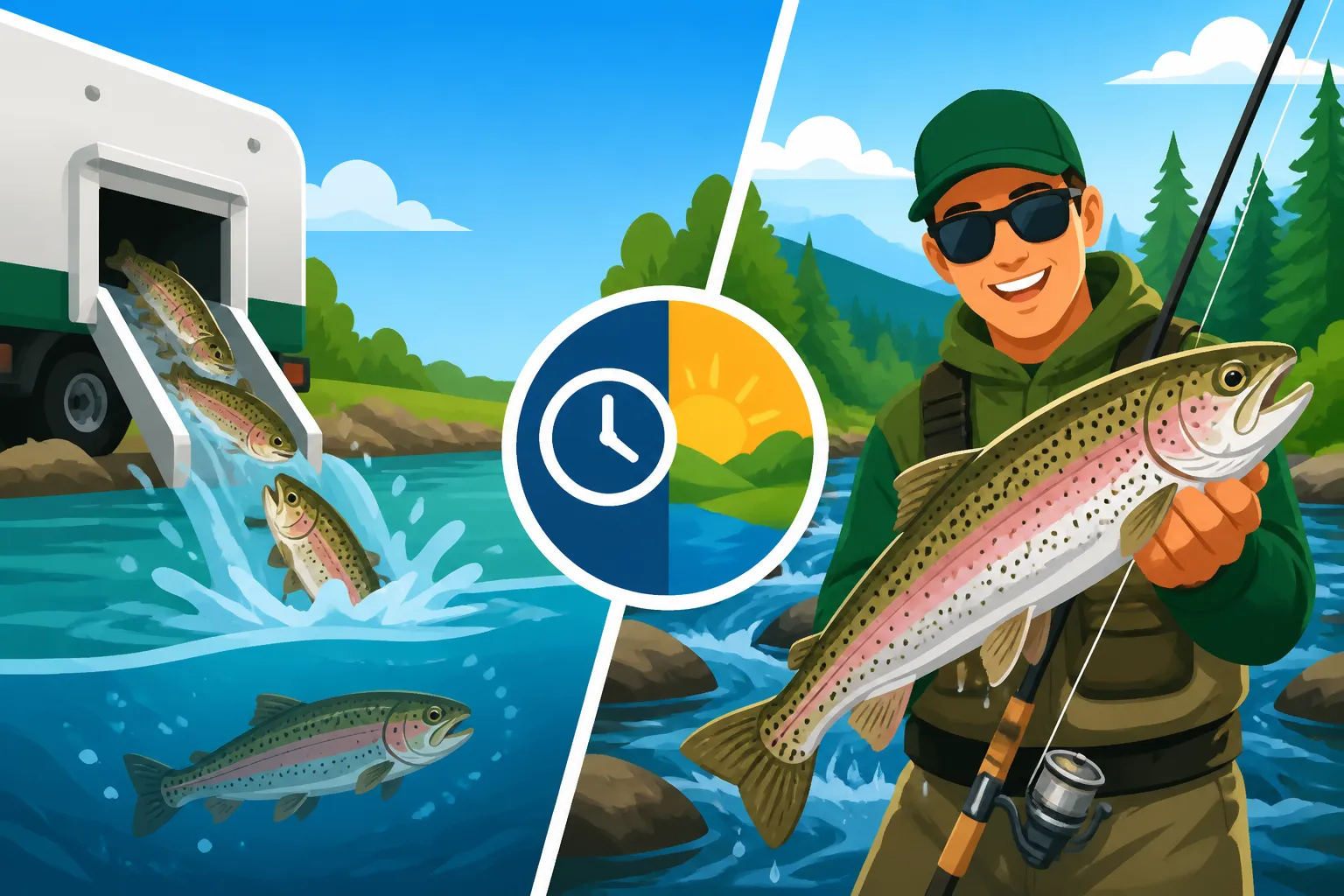
There’s nothing quite like the buzz of excitement when you hear that your favorite local pond or stream has just received a fresh delivery of trout from MassWildlife. You grab your gear, head straight to the water, full of anticipation, only to find yourself wondering: why aren't they biting? It's a common frustration many anglers face, expecting immediate action right after a stocking event. This comprehensive guide will delve into the nuances of trout behavior post-stocking, helping you understand when and how to best approach these newly introduced fish in Massachusetts waters.
The Initial Shock and Adaptation Period for Stocked Trout
When trout are released into a new environment, it’s not always the instant feeding frenzy we might imagine. These fish, often hatchery-reared, undergo a significant transition that can impact their immediate willingness to bite. It's a critical period where their instincts kick in, but also where stress can play a major role.
What Happens Immediately After Stocking
Imagine being suddenly moved from a comfortable, predictable home to an entirely new, vast, and potentially dangerous place. That's essentially what happens to stocked trout. They've spent their lives in a hatchery, where food is plentiful and predators are nonexistent. When they're transported via truck and then released, they experience a fair amount of stress. This can be due to:
- Temperature Shock: Even if the hatchery tries to match water temperatures, there's often a slight difference that can disorient the fish.
- Handling: Being netted, transferred, and released is a physical ordeal.
- New Environment: The sudden vastness of a pond or stream, with unfamiliar scents, sounds, and structures, can be overwhelming. They need to find cover, assess their surroundings, and locate new food sources.
Because of this immediate stress, many trout will initially huddle together or seek the deepest, darkest cover they can find. They might be disoriented and certainly not in a feeding mood. This isn't always the case, but it's a common scenario, especially in heavily fished areas or after large stocking events. Sometimes, they might even appear sluggish or unresponsive, ignoring baits that would have been irresistible in the hatchery.
Why Trout Might Not Bite Right Away
The biggest reason for this initial reluctance is simply self-preservation. In the hatchery, food was delivered on a schedule, usually in pellet form. In the wild, they suddenly have to fend for themselves, which is a big adjustment. Their immediate priorities shift from eating to survival. This means:
- Seeking Shelter: They'll look for rocks, submerged logs, weed beds, or deep pockets where they feel safe from aerial predators like ospreys and human predators (that's us!).
- Aclimatization: Their bodies need to adjust to the new water chemistry, temperature, and current patterns. This takes energy and focus.
- Lack of Familiarity: The pellets they're used to are gone. They haven't yet learned to identify natural forage like insects, worms, or small baitfish as food. This learning curve, while quick for some, can cause a temporary pause in feeding.
So, while the excitement of a fresh stocking is palpable, it's good to temper expectations for immediate, explosive action right at the truck. Often, the best fishing doesn't happen the exact minute they hit the water, but rather a short while later.
The "Golden Window" for Catching Stocked Trout
While immediate success can be hit or miss, there often emerges a "golden window" when stocked trout become quite eager to bite. This period isn't a precise timeframe written in stone, but rather a dynamic window influenced by various environmental and behavioral factors. Generally, this prime time can open anywhere from a few hours to a few days after the fish have been introduced.
Defining the Prime Time: Hours to Days After Stocking
Many seasoned anglers know that the sweet spot for stocked trout isn't always right as the fish truck pulls away. It's usually after the initial shock has worn off, and the fish have begun to settle into their new surroundings.
- Within a Few Hours: In some cases, especially with hardy strains of rainbow trout or in smaller, less pressured waters, fish can begin feeding quite aggressively within a few hours of stocking. This is often seen when the water temperature is ideal, and there's not too much angler pressure. They've found a bit of cover, their stress levels have dropped, and their natural hunger takes over. This is when baits that mimic their hatchery food, or brightly colored lures, can be incredibly effective.
- Within 1-3 Days: This is arguably the most consistent "golden window." By this time, the trout have had a chance to disperse from the immediate release point, find some holding patterns, and start to recognize natural food sources. They're still relatively naive and haven't fully adapted to evading anglers. This period is when you'll often hear reports of excellent fishing at recently stocked ponds and streams across Massachusetts. The fish are more spread out, active, and less wary than they might become after prolonged exposure to anglers. This is why checking the Massachusetts Trout Stocking Schedule and aiming to fish a day or two after a reported stocking can be highly productive.
Factors Influencing This Window
The exact timing and duration of this "golden window" are far from uniform. Several factors play a crucial role:
- Water Temperature: Trout are cold-water fish, and their metabolism is highly dependent on water temperature. The ideal feeding range for most trout species is between 45°F and 65°F. If the water is too cold, they'll be lethargic; if it's too warm, they'll be stressed and seek deeper, cooler water. Massachusetts experiences a wide range of water temperatures throughout the Massachusetts Fishing Seasons Explained, so checking the forecast and water conditions is key.
- Angler Pressure: This is a huge factor. If a popular spot gets hammered by dozens of anglers immediately after stocking, the fish will quickly become wary. They'll associate lines, baits, and human presence with danger. This can shorten the "golden window" significantly, pushing them deeper or making them much harder to tempt. Conversely, less pressured spots might offer a longer window of opportunity.
- Natural Forage Availability: If the newly stocked water is teeming with small insects, minnows, or other natural food sources, the trout might switch their diet more quickly and become less interested in artificial baits or even the hatchery pellets they were used to. However, if natural food is scarce, they might remain more susceptible to traditional baits like PowerBait or worms, especially in the days immediately following stocking.
- Fish Species and Size: Different trout species react differently. Rainbow trout, for example, are generally considered more aggressive and quicker to bite after stocking compared to brown trout, which can be more elusive and wary. The size of the stocked trout also matters; larger fish tend to be more resilient to stress and might resume feeding sooner.
- Weather Conditions: Stable, overcast weather with light rain can often prolong the "golden window" as it keeps water temperatures consistent and reduces light penetration, making trout feel more secure. Bright, sunny, high-pressure days can make them more cautious.
Patience and Observation are Your Best Allies
Ultimately, figuring out the "golden window" in any specific location requires a combination of patience and keen observation. Don't be discouraged if you don't catch fish within the first hour. Try different spots, depths, and presentations. Look for signs of fish activity – rising fish, baitfish scattering, or even other anglers landing fish.
Sometimes, the best strategy is to visit the stocked water a couple of times over the span of a few days. You might find that Tuesday morning, right after a Monday stocking, is far more productive than fishing right when the truck arrived on Monday afternoon.
Factors Affecting Trout Behavior Post-Stocking
The behavior of trout immediately after stocking is a complex interplay of environmental conditions, the fish's own biology, and external pressures. Understanding these factors can significantly improve your chances of success. It's not just about when MassWildlife releases them, but how they react to their new world.
Water Conditions: Temperature, Clarity, and Flow
The characteristics of the water body itself play an immense role in how quickly trout settle in and begin to feed.
- Water Temperature: As mentioned, trout are sensitive to temperature. When MassWildlife announces When Massachusetts trout stocking starts in 2026, pay attention to the prevailing air and water temperatures. If the water is too cold (below 40°F), trout become sluggish and slow to react, conserving energy. Conversely, if the water is too warm (above 68°F), they become stressed, seek deeper, cooler refuge, and are less inclined to feed. The ideal range, often referred to as the "comfort zone," is typically 45°F to 65°F. Within this range, their metabolism is active, and they're more likely to chase a lure or take a bait. Drastic temperature changes between the hatchery and the release point can prolong their recovery time.
- Water Clarity: Clear water often makes trout warier, especially if they've been recently introduced and are still on high alert. They can see predators (including you!) more easily and will be more hesitant to expose themselves. In these conditions, stealth, longer leaders, and natural-looking baits or smaller lures are key. Conversely, slightly turbid or stained water can offer them a sense of security, making them bolder and more willing to feed in shallower areas or closer to the surface. However, overly murky water can make it hard for them to find your bait.
- Flow (in streams and rivers): For stream-stocked trout, current is a major factor. Strong currents can disorient newly stocked fish, forcing them to expend a lot of energy to hold their position. They'll often seek out eddies, behind large rocks, or slower seams where they can rest and conserve energy. In these situations, presenting your bait or lure in a way that drifts naturally with the current, rather than fighting it, is essential. They're less likely to chase something aggressively when they're fighting the flow.
Angler Pressure and Its Impact
Human presence is perhaps the most immediate and significant factor impacting how quickly stocked trout become wary.
- Initial Rush: It's a common sight: as soon as a stocking truck is spotted, anglers rush to the water. This immediate, high-pressure environment can quickly put fish off. The splash of multiple lines, the shadows of people on the bank, and continuous noise will make trout head for cover. They learn very quickly.
- Learning Curve: Trout are not unintelligent. Within hours or a day of being pressured, they begin to associate certain sights (like bright lines or specific lure presentations) and sounds with danger. This is why the "golden window" often narrows in heavily fished areas. They'll transition from being relatively naive to becoming much more selective and cautious.
- Post-Pressure Behavior: After an initial burst of activity and subsequent angler pressure, trout might retreat to deeper water, thicker cover, or areas with less human activity. They might still feed, but often during low-light hours (dawn/dusk) or when the crowds thin out.
Species of Trout: Rainbows vs. Browns vs. Brooks
MassWildlife stocks a variety of trout species, and their inherent personalities affect their post-stocking behavior. Knowing Trout species Massachusetts stocks each year can help you tailor your approach.
- Rainbow Trout: These are generally the most common and often the most eager to bite after stocking. They are relatively hardy and adapt quickly to new environments. Their aggressive nature means they're often the first to take a bait or lure, making them a favorite for many anglers, especially right after a stocking.
- Brown Trout: Browns are notoriously warier and more elusive than rainbows. While they are also stocked, they tend to be more sensitive to stress and might take longer to settle in. They often seek out more structured cover and are less likely to expose themselves in open water. They're also known to be more nocturnal feeders, especially larger specimens. Targeting brown trout often requires a more subtle approach, and they might become more active a few days to a week after stocking, once they've had ample time to acclimate.
- Brook Trout: Massachusetts also stocks brook trout, especially in smaller streams. These native fish can be quite feisty, but they are also sensitive to warm water and can be a bit more finicky than rainbows. They often prefer cold, clear, well-oxygenated water and will quickly seek out similar conditions in their new home. They might bite relatively soon after stocking, but often in more secluded, natural-looking areas.
Stocking Method and Food Source
The way trout are stocked and what they're used to eating also matters.
- Stocking Method: Trout are usually stocked either directly from a truck into the water, or sometimes "spread" by hand along a stream section. Direct truck stocking into a pond or larger river often concentrates fish initially, making them easy targets but also quickly stressed. Spreading fish out along a stream can distribute them better, potentially reducing immediate pressure on any one group.
- Food Source: Hatchery trout are accustomed to eating commercial pellets. When they're released, these pellets aren't available. While some fish will eagerly snatch up PowerBait or corn (which can resemble pellets), others might need to learn what constitutes natural food. This transition can take a little time. Anglers who use baits that mimic hatchery food (like certain colors of PowerBait or scented dough baits) often have initial success, while those using natural baits like worms or minnows might see better results a day or two later, as the trout begin to forage naturally.
Understanding these variables and how they interact provides a clearer picture of why "how soon" is never a simple answer, but rather a spectrum of possibilities.
Strategies for Success After Stocking
Knowing when trout might bite is one thing, but actually getting them to commit is another. Even during that "golden window," stocked trout can be surprisingly particular. Employing the right strategies for bait, presentation, and location can make all the difference.
Bait and Lure Choices: What Works Best Initially
When trout are fresh from the hatchery, they're often still programmed for the food they've known. This can be your secret weapon.
-
Hatchery Mimics: For the first few hours to a couple of days, baits that resemble hatchery pellets can be incredibly effective. This includes:
- PowerBait Dough and Nuggets: These come in a rainbow of colors (chartreuse, orange, rainbow, glitter are popular) and are infused with scents that trout are attracted to. They float, which helps keep them off the bottom and in the fish's strike zone. Many anglers find success using a small treble hook or single hook, covered completely with PowerBait, fished under a bobber or with a small split shot for a slow sink. You can find a huge variety of these and other baits on Amazon, making it easy to experiment with different colors and scents.
- Corn: Yes, plain old canned corn! A few kernels threaded onto a small hook can be surprisingly effective. It looks similar to pellets and is visually appealing. Just be sure to check local regulations, as some water bodies in Massachusetts might prohibit corn due to concerns about wildlife.
- Worms: Garden worms or nightcrawlers are universal trout baits. They provide natural scent and movement, and even stressed trout often can't resist a wiggling worm. A small piece of worm on a light hook can be very enticing.
-
Aggressive Lures (Spinners, Spoons, Jigs): Once trout shake off their initial stress, some will become quite aggressive, especially rainbows. This is when artificial lures shine.
- Spinners: Classic in-line spinners like Mepps Aglia, Rooster Tail, or Panther Martin are fantastic. The flash and vibration can trigger an instinctual strike. Opt for smaller sizes (1/16 oz to 1/8 oz) with silver, gold, or brass blades, often adorned with a white, yellow, or black dressed treble hook.
- Small Spoons: Tiny casting spoons like Kastmasters, Little Cleos, or daredevils also offer excellent flash and an erratic wobble that can mimic injured baitfish. Silver and gold are standard, but bright colors like orange or red can also be effective.
- Jigs: Small marabou jigs (1/32 oz to 1/8 oz) in white, black, olive, or chartreuse, often tipped with a piece of worm or a Berkley Gulp! Alive! minnow, can be deadly when retrieved slowly or jigged subtly near the bottom.
When considering Best Lures for Stocked Trout in Massachusetts, remember that variety and experimentation are key, especially in the first few days post-stocking.
Presentation: Stealth, Subtle Approaches, and Depth
How you present your bait or lure is just as important as what you're using. Stocked trout, even when hungry, can be spooked easily.
- Light Line and Long Leaders: Use the lightest line you can get away with, usually 4-6 lb test monofilament or fluorocarbon. A fluorocarbon leader (2-4 lb test, 3-6 feet long) tied to your main line can make a huge difference in clear water, as it's nearly invisible. Look for quality fluorocarbon leader material on Amazon.
- Subtle Entry: Avoid heavy splashes when casting. Aim for a gentle entry that doesn't alarm the fish. For fly anglers, learning Fly Fishing for Trout in Massachusetts Rivers techniques can be extremely beneficial for presenting flies subtly.
- Vary Your Retrieve: With lures, don't just reel in at a steady pace. Experiment with stop-and-go retrieves, sudden jerks, and changes in speed. Sometimes a slow, steady retrieve is best; other times, an erratic, darting motion will trigger a strike.
- Fish the Entire Water Column: Trout might be anywhere from just below the surface to right on the bottom. If you're not getting bites, change your depth. Use a bobber for suspended fish, or add split shot to your line to get baits deeper. If using lures, let them sink to different depths before retrieving.
Location: Where Trout Tend to Hold
After the initial stress, trout will seek out areas that offer both safety and potential food.
- Near the Stocking Point: For the first few hours, fish often linger near where they were released, especially if there's immediate cover. Don't overlook these spots, but also be aware they can quickly become pressured.
- Deep Water/Structure: Trout will gravitate towards deeper sections of ponds, especially those with submerged structures like logs, rock piles, or weed beds. These offer refuge from predators and often cooler temperatures.
- Inlets and Outlets: In ponds, areas where small streams or culverts flow in or out can be hotspots. These spots often bring in fresh oxygen, cooler water, and natural food items.
- Current Seams (Rivers/Streams): In moving water, trout will hold in slower water adjacent to faster currents. This allows them to rest while still having easy access to food that drifts by in the main current. Look for eddies, pockets behind rocks, or the inside bends of curves.
- Shady Areas: Especially on sunny days, shaded banks or areas under overhanging trees can hold fish, providing a cooler, darker environment.
Time of Day: Early Morning vs. Late Afternoon
While stocked trout can bite throughout the day, certain times often prove more productive.
- Early Morning (Dawn): This is often the best time, especially right after stocking. The water is typically at its coolest and most oxygenated, angler pressure is usually low, and fish feel more secure feeding closer to the surface.
- Late Afternoon/Evening (Dusk): As the sun begins to set, temperatures cool, and shadows lengthen, trout become more active. This is another prime feeding window, particularly if the spot has been heavily fished during the day.
- Mid-Day Challenges: Mid-day, especially under bright sun and high angler pressure, can be the toughest. Fish will often retreat to deeper, cooler, or more sheltered areas, requiring more finesse and persistence to catch.
Remember to always consult the Massachusetts Recreational Fishing Rules and Bag Limits before you head out, and adhere to catch limits to ensure sustainable fishing for everyone.
Gear Recommendations for Post-Stocking Trout Fishing
Having the right gear doesn't guarantee a catch, but it certainly puts the odds in your favor. For post-stocking trout fishing in Massachusetts, a light setup is often your best bet, allowing for finesse and sensitive presentations.
Rods, Reels, and Lines
- Rods: A light to ultralight spinning rod, typically 5 to 6.5 feet in length, is ideal. This length provides good casting control for small baits and lures, while the light action allows you to feel subtle bites and protects light lines from breaking when a feisty trout hits. A reputable brand like Ugly Stik or St. Croix offers great options for this.
- Reels: Pair your rod with a small spinning reel, size 1000 or 2000. These reels are lightweight, balance well with ultralight rods, and have a smooth drag system, which is crucial for fighting trout on light line. Look for models from brands like Shimano or Penn on Amazon for reliable performance.
- Lines:
- Monofilament: A 4-6 pound test monofilament line is a classic choice. It has good knot strength, a bit of stretch to absorb shock, and is relatively inexpensive. Its slight buoyancy can also be an advantage when fishing baits under a bobber.
- Braided Line with Fluorocarbon Leader: Some anglers prefer a 6-10 pound test braided line for its sensitivity and casting distance, paired with a 2-4 pound test fluorocarbon leader (4-6 feet long). The fluorocarbon is nearly invisible underwater, which is a huge advantage in clear water, and its abrasion resistance is a plus around rocks and submerged structures. Connecting the two with a small swivel or a double uni-knot works well.
Essential Terminal Tackle
This is the collection of small but crucial components that connect your line to your bait or lure.
- Hooks: Small, sharp hooks are paramount. Size 8 to 14 bait hooks (single, Aberdeen, or octopus styles) are perfect for PowerBait, worms, or corn. For lures, ensure the treble hooks are sharp.
- Split Shot Weights: A selection of small lead-free split shot weights (sizes BB, 3, 5, 7) allows you to adjust the sink rate of your bait. Pinch them on your line a foot or two above your hook.
- Bobbers/Floats: A small, sensitive bobber (slip float or clip-on style) helps you detect subtle bites and keeps your bait suspended at a desired depth. Consider clear or small foam bobbers that offer less resistance to a biting fish.
- Swivels: Small barrel swivels or snap swivels (size 10-14) can prevent line twist, especially when using spinners. Snap swivels also allow for quick lure changes.
- Leader Material: A spool of 2-4 lb test fluorocarbon leader is a must-have for clear water and wary fish. It's often overlooked by beginners but makes a significant difference.
Bait and Lure Assortment
As discussed in the strategies section, variety is key, especially in the days following stocking.
- PowerBait: Have a few jars of different colors and scents on hand. Chartreuse, orange, rainbow, and white are perennial favorites.
- Natural Bait: A container of garden worms, nightcrawlers, or even mealworms will rarely let you down.
- Spinners: A selection of small inline spinners (1/16 oz – 1/8 oz) in silver, gold, and perhaps a brighter color like fire tiger or rainbow trout pattern. Brands like Blue Fox or Mepps are highly effective and readily available.
- Small Spoons: Tiny casting spoons (1/12 oz – 1/8 oz) in silver or gold, with an erratic wobble, can be irresistible.
- Jigs: Small marabou jigs (1/32 oz – 1/8 oz) in white, black, or olive. Tipping these with a small piece of worm or a soft plastic grub can be very effective.
Having a tackle box stocked with these essentials, including extra line, nail clippers, and a small pair of pliers or forceps (for hook removal), ensures you're ready for whatever the post-stocking trout present. You can find many of these items in convenient multi-packs or starter kits on Amazon, which is a great way to build up your trout fishing arsenal.
Species-Specific Post-Stocking Behavior Insights
While general rules apply, different trout species respond to stocking with their own unique quirks. Understanding these distinctions can give you an edge, allowing you to fine-tune your approach depending on Trout species Massachusetts stocks each year.
| Trout Species | Initial Behavior (0-24 hrs post-stocking) | "Golden Window" (Approximate) | Preferred Holding Areas | Best Baits/Lures |
|---|---|---|---|---|
| Rainbow Trout | Often quick to disperse and explore, but can be stressed. May bite almost immediately if not heavily pressured. | Few hours to 3-5 days | All water depths, especially near cover, open water, and current breaks. | PowerBait, worms, corn, bright spinners, small spoons, marabou jigs. |
| Brown Trout | More prone to initial stress, seeking immediate, often deeper, cover. Can be very wary and take longer to acclimate. | 2-7 days (can be longer for larger fish) | Deeper pools, undercut banks, submerged logs, rock piles, shaded areas. Often more nocturnal. | Worms, minnows, PowerBait (subtler colors), natural-colored jigs, crankbaits, spoons (natural patterns). |
| Brook Trout | Moderately stressed, often seeking cold, oxygenated water quickly. May not tolerate warm water well. | 1-4 days | Headwaters, spring-fed areas, complex stream structures, shaded small pools. | Worms, small spinners (gold/silver), tiny flies (for fly fishing), salmon eggs. |
| Tiger Trout | (Less common, but stocked in some areas) A hybrid, often showing traits of both brook and brown trout. Can be aggressive but also wary. | 1-5 days | Similar to brown trout, seeking structure and cooler water. | Spinners, small spoons, worms, PowerBait, small minnow imitations. |
Rainbow Trout: The Eager Biters
Rainbow trout are undoubtedly the most popular species for stocking, and for good reason. They are relatively forgiving and often the quickest to recover from the stress of being stocked. You might find them biting within hours of release, especially if the water temperature is comfortable and the angler pressure isn't overwhelming. They tend to be less particular about what they eat, often taking to PowerBait, corn, worms, or a variety of spinners with gusto. They're also prone to staying relatively active throughout the day, though dawn and dusk remain prime times. Their willingness to chase lures makes them a favorite for those using light spinning gear.
Brown Trout: The Wary Warriors
Brown trout are a different beast altogether. While beautiful and often larger, they are inherently more cautious and sensitive to their environment. After stocking, brown trout often retreat immediately to the deepest, darkest, most secluded cover they can find. They might take several days, or even a week, to truly settle in and begin actively feeding.
When they do feed, they tend to be more opportunistic, often targeting larger prey items like minnows or insects. For this reason, natural baits like shiners or worms, or lures that mimic small baitfish, can be more effective. Stealth is paramount when targeting brown trout; avoid heavy footsteps, bright clothing, and loud noises. They also have a reputation for being more nocturnal, so don't rule out fishing at dusk or even after dark for these elusive fish. If you're looking for bigger, more challenging fish, waiting a few days after the initial stocking rush for brown trout to acclimate might yield better results.
Brook Trout: The Stream Dwellers
Brook trout, often found in Massachusetts' colder, clearer streams, are also stocked regularly. They are beautiful fish but can be more sensitive to stress and water quality than rainbows. After stocking, they will quickly seek out areas that mimic their natural habitat: cold, well-oxygenated water, often around complex stream structures like fallen trees, undercut banks, and rock gardens.
They are generally not as aggressive as rainbows immediately after stocking, but will readily take small worms, salmon eggs, or tiny spinners. Fly fishing with small nymph or dry fly patterns can also be incredibly effective for brook trout, particularly as they settle in and begin to key into natural insect hatches. If you're targeting brook trout, focus on smaller, more secluded stretches of water and approach with a very light touch.
Tiger Trout: The Unique Hybrids
While less commonly stocked than the "big three," Massachusetts does occasionally stock tiger trout (a sterile hybrid of brown and brook trout). These fish are known for their striking vermiculation patterns and can exhibit a mix of traits from both parent species. They can be aggressive like brook trout, but also wary and structure-oriented like brown trout.
Their post-stocking behavior might vary, but generally, expect them to seek cover and take a few days to become fully active. When they do bite, they can be quite strong fighters. A versatile approach using both natural baits and small, flashy lures is a good strategy for tiger trout. They're often seen as a bonus catch, making any day on the water a bit more exciting.
By understanding these species-specific nuances, you can better predict when and where to fish, and what to use, to maximize your chances of success on your next trout fishing adventure in Massachusetts. Whether it's the immediate action of rainbows or the patient pursuit of brown trout, there's a rewarding experience waiting for every angler. Don't forget to review Massachusetts Freshwater Daily Catch Limits before your trip!
General Disclaimer
Please remember that fishing conditions, regulations, and fish behavior can change. Always consult the latest Massachusetts Division of Fisheries and Wildlife (MassWildlife) regulations before heading out. This guide is for informational purposes only and should not replace official state guidance. Practice responsible angling, respect private property, and consider catch-and-release to help preserve fish populations for future generations.