When striped bass season starts in Massachusetts
Many anglers in Massachusetts eagerly await the return of striped bass each year, but figuring out the exact start date for the season, and when these magnificent fish actually become active, can feel like a moving target. It's not just about when the first fish arrive, but when you can legally target and keep them, which is a common point of confusion. This comprehensive guide will demystify the Massachusetts striped bass season, detailing official dates, migratory patterns, and crucial regulations to ensure your fishing adventures are both successful and compliant.
Understanding the Striped Bass Annual Migration to Massachusetts
Before we even talk about legal season dates, it's important to understand when striped bass actually show up in our waters. These magnificent fish are highly migratory, spending their winters in the mid-Atlantic and southern waters, often as far south as North Carolina. As the ocean water warms in spring, they begin their journey north, following schools of baitfish and heading towards their spawning grounds and summer feeding areas, which include our beautiful Massachusetts coastline.
The Spring Migration: Following Baitfish North
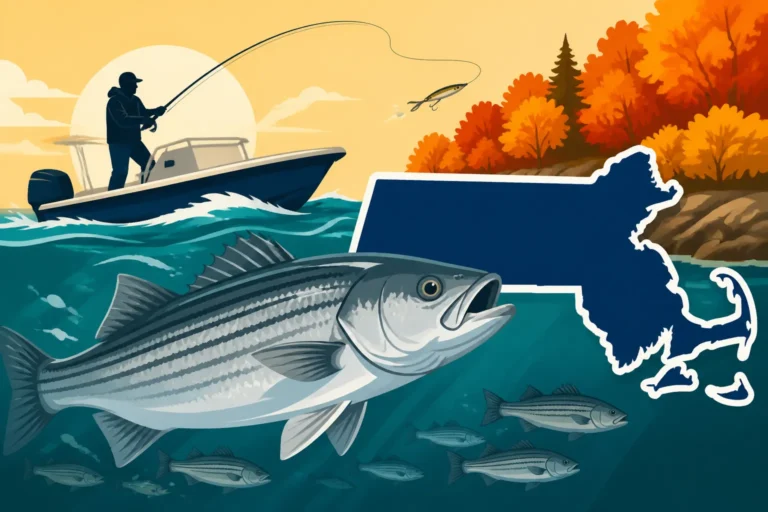
The mass migration of striped bass typically kicks off in earnest around April, with larger schools pushing north from their wintering grounds. What truly dictates their arrival in Massachusetts is water temperature and the availability of food. They're not just swimming aimlessly; they're actively seeking out prime feeding opportunities. As alewives, blueback herring, and mackerel begin their own migrations into bays and rivers to spawn, the stripers are right on their tails. Early arrivals often show up in the warmer, shallower waters of estuaries and protected bays first, before the open ocean fully warms up. You might start seeing reports of "schoolie" stripers – smaller, younger fish – appearing in southern Massachusetts waters, like Buzzards Bay or along the inner Cape, by late April or early May. These initial arrivals are a sure sign that the main body of fish isn't far behind.
Many anglers follow these migrations closely, often checking online fishing reports or local bait shops for the first confirmed catches. It’s a real thrill to hear those first whispers that the stripers are back! This early period, even before the official season opens, is a fantastic time for catch-and-release fishing, honing your skills, and simply enjoying the presence of these incredible fish. Remember, patience is key, and knowing their patterns can give you a significant advantage. If you're looking to really dial in your fishing game, understanding their movements is crucial, which is why we have a detailed guide on When striped bass arrive in Massachusetts waters.
Early Arrivals: Pre-Season Scouting Opportunities
While the official recreational season has specific dates, striped bass often arrive in Massachusetts waters weeks before you can legally keep them. This "pre-season" window, typically from late April into early May, is a prime time for dedicated anglers to scout locations and enjoy some catch-and-release action. You'll often find these early arrivals in protected tidal rivers, estuaries, and shallow coves where water temperatures rise faster and baitfish congregate. Think about areas like the upper reaches of the Taunton River, the protected sections of the North Shore, or some of the smaller tidal creeks on Cape Cod.
During this time, anglers usually focus on light tackle and smaller lures or soft plastics that mimic baitfish like spearing or small herring. It’s an excellent opportunity to try out new gear you might have ordered from Amazon, like a new spinning reel or a selection of artificial worms. While the fish might not be the giants we dream of, catching these feisty schoolies on light gear is incredibly fun and helps you get a feel for their early season behavior. Just be sure to practice responsible catch-and-release techniques, minimizing stress on the fish. This means using single, barbless hooks where possible, handling them minimally, and ensuring a quick, healthy release. It’s all part of respecting the resource and ensuring strong future populations.
Official Massachusetts Recreational Striped Bass Season Dates
Now, let's get down to brass tacks: when can you actually keep a striped bass in Massachusetts? The recreational season for striped bass in Massachusetts is regulated by the Division of Marine Fisheries (DMF) and often aligns with guidelines set by the Atlantic States Marine Fisheries Commission (ASMFC). These regulations are put in place to manage the stock sustainably and ensure there are plenty of stripers for generations to come.
Recreational Season Structure: Calendar Year vs. Fixed Dates
For the recreational angler, the Massachusetts striped bass season typically runs from May 15th through December 15th each year. This means you can legally target and retain striped bass within the specified size and bag limits during this window. Outside of these dates, any striped bass caught must be immediately released unharmed. It’s crucial to understand that this is a fixed calendar period, not a "365-day license" type of season. The season's start date of May 15th is widely anticipated by anglers across the state, from the shores of Plum Island to the beaches of Nantucket.
This consistent start date gives anglers something firm to plan around. Many people mark May 15th on their calendars, knowing that's when their chances of taking home a fresh striper for dinner truly begin. While the fish might arrive earlier, and you can certainly practice catch-and-release before then, the official opening day is when the full scope of your Massachusetts Recreational Fishing Rules and Bag Limits kicks in for striped bass. It’s a date that signals the true start of prime striper fishing in the Bay State.
Potential Regulatory Changes and How to Stay Updated
While the May 15th to December 15th season has been relatively stable, it’s absolutely vital to remember that fishing regulations, especially for a highly managed species like striped bass, are subject to change. These changes can be driven by scientific assessments of the fish stock, conservation efforts, or shifts in regional management plans. The Atlantic States Marine Fisheries Commission (ASMFC), for example, continually monitors the health of the striped bass population along the Atlantic coast and can recommend adjustments to state regulations, including season dates, size limits, or bag limits.
Therefore, before planning any significant fishing trip or purchasing new gear from Amazon based on last year's rules, always make it a habit to check the most current regulations. The Massachusetts Division of Marine Fisheries (MassDMF) website is your go-to source for the most up-to-date and accurate information. They publish annual guides and updates, sometimes making in-season adjustments if necessary. You can also pick up a physical copy of the Massachusetts fishing regulations pamphlet at local bait shops, sporting goods stores, or MassWildlife district offices. Staying informed ensures you’re not only compliant with the law but also contributing to the sustainable management of this incredible fishery.
Factors Influencing Early and Late Season Striped Bass Activity
Knowing the official season dates is one thing, but understanding when and where the fish will actually be active and biting is a whole different ballgame. The ocean isn't a static environment, and a multitude of natural factors play a huge role in striped bass behavior, especially during the shoulder seasons of spring and fall.
Water Temperature and Bait Presence
Water temperature is arguably the single most critical factor influencing striped bass activity and their presence in Massachusetts. Stripers are cold-blooded, and their metabolism, feeding behavior, and migratory patterns are directly tied to the temperature of the water. Generally, they prefer water temperatures ranging from the mid-50s to the low 70s Fahrenheit.
In the spring, as waters warm past the 48-50 degree mark, you'll start to see those first schoolies. As the mercury climbs into the low to mid-50s, more and more fish will push into our estuaries and coastal areas. This warming trend also coincides with the arrival and spawning runs of crucial baitfish species like herring, sand eels, and mackerel. Where the bait is, the stripers will follow. If a particular spring is colder than average, the striped bass migration might be delayed, pushing back the "effective" start of the fishing season even if the legal season is open. Conversely, a warm spring can bring them in earlier and in greater numbers. Tracking local water temperatures, often available through marine weather apps or dedicated fishing forecast sites, is an invaluable tool for any serious striper angler. It’s a major component of figuring out the Best Time of Year to Fish in Massachusetts.
Weather Patterns and Their Impact on Early Season Fishing
Beyond just temperature, overall weather patterns have a significant say in how good the early season fishing will be. A prolonged stretch of mild, sunny weather in late April and early May can warm up shallow waters quickly, accelerating baitfish movements and bringing stripers closer to shore and into more accessible areas. On the other hand, persistent cold fronts, strong north-easterly winds, or heavy rains can cool down water temperatures, push baitfish out, and make fishing a real challenge.
Think about it: if a nor'easter blows through for a few days right at the start of the season, it can churn up the water, drop temperatures, and make the fish less inclined to feed aggressively. Many anglers find success by focusing on protected areas or targeting deeper channels after such events, allowing the water to settle and warm up slightly. Clear, calm days with steady barometric pressure are often ideal for early season fishing, as stripers tend to be more active and less wary. Having a good rain jacket and proper layers, perhaps picked up during an Amazon sale, is always a wise investment when fishing the unpredictable Massachusetts spring weather!
Key Regulations Beyond Season Dates: Size and Bag Limits
Understanding when the striped bass season starts is only half the battle. To be a responsible and legal angler, you also need to know the specific rules regarding the size of fish you can keep and how many. These regulations are designed to protect the fish stock, especially the larger, mature spawning females, and ensure sustainable fishing for everyone.
Understanding the Massachusetts Striped Bass Slot Limit
The most critical regulation for recreational striped bass fishing in Massachusetts is the slot limit. This isn't just a minimum size; it's a specific range of lengths that fish must fall within to be legally harvested. For the 2024 season (and typically for recent years), the slot limit for recreational striped bass is 28 inches to less than 31 inches total length. This means any striped bass you catch that measures exactly 28 inches up to, but not including, 31 inches is a keeper.
- If your fish is smaller than 28 inches: It must be released immediately and unharmed. These are often younger, non-spawning fish, and allowing them to grow is crucial for future populations.
- If your fish is 31 inches or larger: It must also be released immediately and unharmed. These larger fish, particularly the females, are the most valuable breeders, producing millions of eggs each year. Protecting them is paramount for the health of the stock.
The slot limit can feel a bit confusing at first, especially when you're excited to land a big one, only to realize it's over the slot. That's why carrying a reliable measuring device is non-negotiable. Whether it's a tape measure attached to your tackle box, a decal on your boat, or a foldable ruler you keep in your fishing vest, accurate measurement is key. Get familiar with the Massachusetts Striped Bass Slot Limit Explained to ensure you're always compliant.
| Striped Bass Length (Total) | Action Required | Reason |
|---|---|---|
| Less than 28 inches | Release | Too small, allow to grow and mature. |
| 28 inches to < 31 inches | Keep (if within bag limit) | Within the legal slot limit for recreational harvest. |
| 31 inches or greater | Release | Too large, protect mature spawning fish vital for reproduction. |
Daily Bag Limits and Possession Rules
In addition to the slot limit, Massachusetts also enforces a daily bag limit for recreational striped bass fishing. This limit dictates how many legal-sized striped bass an individual angler can keep in a single day. For the 2024 recreational season, the daily bag limit is one (1) striped bass per person, per day. This is a strict limit, and it applies regardless of how long you've been fishing or how many fish you've caught and released.
It's also important to understand "possession rules." This means you cannot possess more than one legal-sized striped bass, even if you caught it on a previous day and it's in your cooler at home. The "one fish per day" limit applies to your total possession. If you're out on a boat with friends, each licensed angler can keep one fish within the slot limit. However, the boat's total possession limit is often tied to the number of licensed anglers onboard.
These regulations are critical for effective stock management. While you might be able to find a great deal on a new fishing rod and reel combo on Amazon, no amount of gear can get you around the regulations. Always ensure you have your Massachusetts Fishing License Guide in order, whether it's a freshwater or saltwater permit, as appropriate. Disregarding these rules can lead to significant penalties, including fines and potential loss of fishing privileges, which nobody wants. Always carry your proof of license and know the rules to enjoy your fishing responsibly!
Disclaimer
Please note that fishing regulations, including season dates, size limits, and bag limits, are subject to change by state and federal authorities. While this guide provides the most current information available at the time of writing, it is the individual angler's responsibility to verify and comply with all applicable regulations before heading out to fish. Always check the official Massachusetts Division of Marine Fisheries (MassDMF) website or consult a current regulations pamphlet for the latest rules.