How to catch cod off Massachusetts in winter
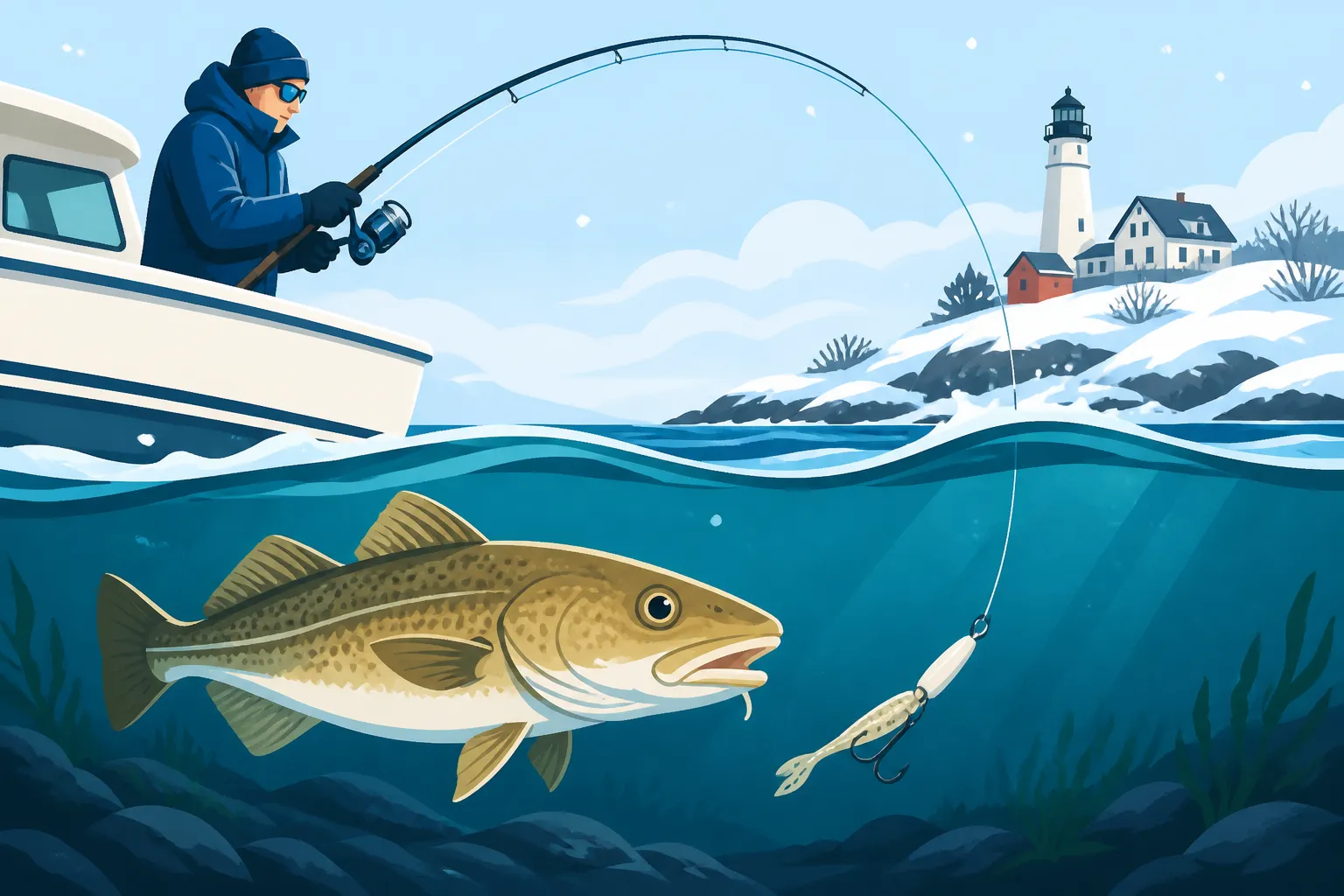
Winter fishing in Massachusetts can often feel like a battle against the elements, with biting winds and icy conditions making many anglers retreat indoors. But for those brave enough to bundle up and venture out, the reward of a fresh cod dinner, caught right off our coast, is an experience unlike any other. This guide is designed to equip you with the knowledge and strategies to successfully target and catch cod off Massachusetts during the colder months, transforming a challenging endeavor into a truly rewarding one.
Why Winter Cod Fishing is a Unique Challenge in Massachusetts
Catching cod in the dead of winter isn't like a leisurely summer day of fishing. The fish behave differently, the environment is harsher, and your approach needs to adapt significantly. It's a game of patience, preparation, and understanding the subtleties of the season.
The Vanishing Act: Where Do Cod Go?
As the inshore waters of Massachusetts cool dramatically with the onset of winter, cod, like many other species, undergo a significant migration. They don't disappear entirely, but rather move to deeper, more stable temperature waters further offshore. This means that the cod you might have found closer to shore in the fall will now be congregating in much deeper canyons, ledges, and offshore banks, where the water temperature remains more consistent and their preferred forage is abundant.
These deepwater havens, such as the famous Stellwagen Bank, located about 20-25 miles east of Boston, become key overwintering grounds. For recreational anglers, this migration makes cod less accessible from shore and often necessitates a well-equipped boat capable of making longer runs in potentially rough seas. Finding these fish means understanding their deepwater habits – they'll often school up tightly around specific structures, which can lead to incredible fishing if you locate them, but it can be frustrating if you're searching blindly in vast expanses of ocean. It’s a completely different hunt than casting from a beach.
Battling the Elements: Weather and Water Conditions
The sheer cold is perhaps the most obvious challenge. Air temperatures often hover around freezing, and with stiff ocean breezes, the wind chill can be brutal. This cold impacts everything: your comfort, your gear, and even the fish's behavior. Line can freeze on your reel, guides can ice up, and exposed skin is at risk of frostbite. Hypothermia isn't just a concern for those who fall overboard; prolonged exposure to cold can be dangerous even on deck.
Beyond the biting cold, winter weather in Massachusetts is notoriously unpredictable. Sudden storms can roll in quickly, making sea conditions treacherous. What started as a calm morning can turn into a washing machine in a matter of hours, demanding constant vigilance of marine forecasts. Shorter daylight hours also mean less time on the water, requiring efficient use of every precious minute, and careful planning to ensure you're back at the dock before dark. Strong winter currents are also a factor, making it challenging to hold bottom with your gear and often requiring significantly heavier weights or specialized jigs.
Essential Gear for Winter Cod Fishing in Massachusetts
When tackling winter cod, your gear isn't just about catching fish; it's about survival and comfort. Skimping on quality here can literally make or break your trip, or worse, put you in a dangerous situation.
Rods, Reels, and Line: Building Your Backbone
For deepwater winter cod, you need robust equipment designed to handle heavy weights, strong currents, and potentially large, hard-fighting fish.
- Rods: Opt for a sturdy, medium-heavy to heavy action rod, typically between 6 and 7 feet in length. Graphite composite rods offer a good balance of strength and sensitivity, allowing you to feel subtle bites even with heavy tackle in deep water. You need a rod with a strong backbone to set hooks and muscle powerful cod up from the depths. Brands like Ugly Stik or Penn offer durable options that stand up to tough conditions.
- Reels: Conventional reels are overwhelmingly preferred over spinning reels for deep dropping and jigging for cod. Their cranking power, line capacity, and direct feel are superior for this style of fishing. Look for models with a high-quality drag system and a solid retrieve ratio. Popular choices include the Penn Jigmaster, Shimano Tekota, or Daiwa Saltist series. Ensure your reel has enough capacity for at least 300 yards of line.
- Line: Braided line is your best friend for winter cod. Its minimal stretch provides excellent sensitivity, allowing you to detect light bites, and its thin diameter for its breaking strength helps cut through current, reducing drag on your line. Most anglers use 50- to 80-pound test braided line. To this, you'll want to tie a 10-15 foot fluorocarbon leader of similar strength (50-80 lb). Fluorocarbon is nearly invisible underwater and offers superior abrasion resistance against sharp rocks and cod teeth. Be mindful of line freezing in the guides; some anglers use anti-freeze sprays or lubricants to help combat this issue. For various braided lines and fluorocarbon leaders, you can often find competitive prices and a wide selection on Amazon.
Baits and Lures: What Cod Can't Resist
Cod are opportunistic feeders, but in winter, presentation and the right offering are crucial.
- Jigs: Heavy metal jigs are a staple. Diamond jigs, often weighing 6 to 16 ounces (and sometimes even heavier in strong currents), are highly effective. Spoon jigs and butterfly jigs also have their place. Focus on colors like chrome, white, glow-in-the-dark, and chartreuse. The key is to get them to the bottom quickly and work them with an aggressive jigging motion – sharp snaps and lifts, followed by a momentary pause, mimicking a wounded baitfish. If you're looking to stock up on a variety of jig weights and colors, online retailers such as Amazon often have comprehensive selections that you can have delivered right to your door.
- Teasers: Many anglers rig a small soft plastic or fly teaser a foot or two above their main jig. These provide an extra attractor and can sometimes entice finicky cod that might ignore the larger jig. Simple bucktail flies or small curly-tail grubs in white, pink, or chartreuse work well.
- Natural Bait: While jigs are great, sometimes cod prefer a natural presentation. Fresh clams (shucked or presented in mesh bait bags to prevent them from washing off too quickly), sea worms, fresh squid, or strips of cut fish like mackerel or herring are all highly effective. These are typically presented on a hi-lo rig, which we'll discuss in more detail below. Always prioritize the freshest bait you can find.
Staying Warm: Dressing for Success
This cannot be overstated: proper attire for winter cod fishing is non-negotiable. Cold weather can quickly turn dangerous if you're not adequately protected.
- Layering System: Think in layers. Start with a moisture-wicking base layer made of wool or synthetic material (avoid cotton, which retains moisture and makes you cold). Add a warm mid-layer, such as a fleece jacket or a lightweight down vest.
- Outerwear: Your outermost layer needs to be completely waterproof and windproof. Quality foul-weather gear, like a heavy-duty fishing jacket and bibs made with Gore-Tex or similar technology, is essential. Brands like Grundéns or Helly Hansen are popular among serious anglers. These will protect you from sea spray, rain, and the biting wind.
- Extremities: Insulated, waterproof boots are critical. Look for models from XTRATUF or similar brands that offer good traction on wet decks. Pair them with thick, thermal socks. For your hands, a good pair of insulated, waterproof gloves or mittens (some feature convertible finger slots for dexterity when tying knots or re-baiting) will make a huge difference. A warm hat that covers your ears and a neck gaiter or balaclava are also crucial for heat retention. For those looking to upgrade their cold-weather gear, even entry-level models suitable for winter cod can be researched and purchased through platforms like Amazon, offering a wide range of options.
Top Techniques for Massachusetts Winter Cod
Finding and catching winter cod requires specific techniques adapted to their deepwater habitat and the challenging environment.
Deepwater Jigging: Vertical Presentation is Key
Deepwater jigging is perhaps the most popular and effective method for winter cod, especially when fishing from a boat. The goal is a precise, vertical presentation.
When jigging, you'll drop your heavy metal jig straight down to the bottom. Once you feel it hit, reel up a few feet to avoid snags, then begin your retrieve. The technique involves a series of sharp snaps or lifts of the rod tip, followed by allowing the jig to flutter back down on a semi-slack line. The key is to keep the jig moving near the bottom, mimicking a wounded baitfish. Cod often strike on the drop or just as the jig settles.
If you're drifting, which is common over large banks or ledges, your boat's movement will help cover ground and present your jig to more fish. Managing your line angle is crucial; too much line out and you lose the vertical presentation and sensitivity. Using a sea anchor or a spot-lock trolling motor can help maintain a slower, more controlled drift, keeping your line more vertical. Pay close attention to your rod tip for even the most subtle taps, as winter cod can sometimes be light biters.
Bait Fishing Rigs: Getting Natural Presentation
For anglers who prefer bait, or when cod are being particularly finicky, a traditional bait fishing rig can be highly productive.
The most common setup is a Hi-Lo Rig. This typically consists of a main leader with two dropper loops, to which you attach hooks (often 4/0 to 8/0 octopus or circle hooks, depending on bait size and personal preference). A heavy sinker (8-24 ounces or more, depending on current and depth) is attached at the very bottom. This rig allows you to present two baits simultaneously, increasing your chances.
When using bait, you can either anchor over known structure where cod are holding or drift slowly, covering more ground. Anchoring requires precise navigation, often using GPS to position yourself directly over a wreck or rock pile. Drifting with bait allows the current to naturally disperse scent and cover a wider area. Regardless of the method, ensure your bait is fresh and securely hooked to withstand the fall to the bottom and the inevitable jostling in current. Sometimes, a combination of bait and jig on the same rig can be deadly.
Reading the Sounder: Finding the Fish
In deepwater winter cod fishing, your fish finder (sonar) is your most invaluable tool. It's not just a nice-to-have; it's essential for locating fish and understanding the underwater landscape.
A good fish finder will allow you to clearly identify bottom structure – humps, ledges, wrecks, and rock piles – where cod frequently congregate. Cod are structure-oriented fish, often holding tight to these features to ambush prey or seek shelter. Learning to interpret your sonar screen to distinguish between bottom contours and actual fish marks is an art. Cod often appear as dense, stacked arches or blobs close to the bottom, sometimes forming large schools.
Additionally, your sounder will help you locate schools of baitfish, such as herring or mackerel, which are crucial for attracting cod. Where there's bait, there are usually predators. Once you find a promising area, use your GPS to mark waypoints. This allows you to return to productive spots on subsequent drifts or future trips. Regularly monitoring your sonar will help you stay on the fish as they move, maximizing your fishing time.
Prime Winter Cod Fishing Grounds in Massachusetts
While cod are primarily offshore in winter, there are specific areas known for their productivity for recreational anglers willing to make the trip. Understanding these prime spots is key to successful winter cod fishing.
Offshore Banks and Humps: Where the Big Ones Hide
The deep, cold waters far from shore are where the largest concentrations of winter cod often reside.
- Stellwagen Bank: This is perhaps the most famous and productive cod fishing ground off Massachusetts. Located roughly 20-25 miles east of Boston, this submerged glacial moraine offers a rich ecosystem with abundant baitfish and varied bottom structure, creating ideal habitat for cod. It's a long run, often taking 1.5 to 2 hours or more to reach, depending on your boat's speed and sea conditions. Trips to Stellwagen require careful planning, ample fuel, and a seaworthy vessel. Many excellent Massachusetts Deep Sea Fishing Charters specifically target Stellwagen for cod and other groundfish during the colder months.
- Georges Bank: Further offshore, Georges Bank is an even larger and richer fishing ground, extending far into the Atlantic. While incredibly productive for cod, it's generally too far for most recreational day trips and is primarily fished by commercial vessels or serious multi-day offshore charters. For the average angler, Stellwagen Bank offers a more accessible (though still challenging) offshore experience.
- Local Wrecks and Rock Piles: Beyond the major banks, countless smaller, lesser-known wrecks and rock piles dot the Massachusetts coastline, particularly in deeper waters. These can be honey holes for cod, attracting and holding fish. Discovering these spots often requires local knowledge, detailed charts, or specialized sonar scans. Always respect private fishing grounds and be prepared to move if a spot isn't producing. Make sure to check the Massachusetts Recreational Fishing Rules and Bag Limits for cod and other groundfish, as they can change.
Nearshore Deepwater Channels: Accessible Winter Spots
While most cod move offshore, certain deeper nearshore channels and areas can still offer opportunities, particularly for those with smaller boats or who prefer shorter runs.
- Boston Harbor: While not as prolific as Stellwagen, the deeper channels and outer harbor areas of Boston Harbor can hold resident cod populations or transient fish moving through. Areas around the outer islands or deeper ledges can sometimes provide winter cod action. These spots are more accessible from launching points in and around Boston, offering a more convenient option on days when offshore runs are too rough or time is limited. Many charters operating out of Boston still offer trips targeting groundfish in the vicinity; you might find some of the best fishing spots in Boston Harbor, Massachusetts can produce during winter.
- Cape Cod Bay: The deeper parts of Cape Cod Bay, particularly off the northern shore, can also be productive. Areas with significant depth changes or underwater structure attract and hold cod during the winter. This can be a viable option for anglers departing from ports on the North Shore or the northern side of Cape Cod.
- South Shore: Deeper ledges and humps accessible from South Shore ports like Scituate, Plymouth, or Duxbury can also offer winter cod opportunities. These areas typically don't hold the vast schools found on Stellwagen, but they can yield good numbers of quality fish for persistent anglers.
Before heading out, always check local fishing reports and consult with experienced bait and tackle shop owners. They often have the most up-to-date information on where the fish are biting. And remember, understanding the Massachusetts Fishing Seasons Explained will give you a better overall picture of when to target different species throughout the year.
Here's a handy table summarizing some essential gear for your winter cod expedition:
| Gear Category | Recommended Item | Key Features & Notes | Where to Buy (Example) |
|---|---|---|---|
| Rod | Medium-Heavy to Heavy Conventional Rod (6-7 ft) | Sturdy backbone, sensitive tip, capable of handling 6-16 oz+ weights. | Local Tackle Shop |
| Reel | Conventional Reel (e.g., Penn Jigmaster, Shimano Tekota) | High line capacity, powerful drag, strong gears for deepwater retrieval. | Local Tackle Shop |
| Main Line | 50-80 lb Braided Line | No stretch for sensitivity, thin diameter for current cutting. | Amazon |
| Leader | 50-80 lb Fluorocarbon Leader | Abrasion resistant, nearly invisible. | Local Tackle Shop |
| Jigs | Heavy Metal Jigs (6-16+ oz) | Diamond, spoon, butterfly styles. Chrome, white, glow, chartreuse colors. | Amazon |
| Bait | Fresh Clams, Squid, Sea Worms, Cut Mackerel/Herring | Prioritize freshness; use mesh bags for clams to keep them on the hook. | Local Bait Shop |
| Rigs | Hi-Lo Rigs (pre-tied or DIY) | 4/0 – 8/0 hooks, heavy sinker (8-24+ oz) to hold bottom. | Local Tackle Shop |
| Outerwear | Waterproof/Windproof Jacket & Bibs | Heavy-duty, breathable (Gore-Tex). Essential for protection from elements. | Outdoor Retailers |
| Base/Mid Layers | Wool/Synthetic Base, Fleece/Down Mid-layers | Moisture-wicking, insulating. Avoid cotton. | Amazon |
| Footwear | Insulated, Waterproof Boots & Thermal Socks | Good traction, warmth. | Outdoor Retailers |
| Handwear | Insulated, Waterproof Gloves/Mittens | Essential for dexterity and warmth. | Outdoor Retailers |
| Headwear | Warm Hat & Neck Gaiter/Balaclava | Critical for retaining body heat. | Amazon |
| Electronics | Quality Fish Finder/GPS Combo | Essential for locating structure, fish, and marking waypoints. | Marine Electronics Shop |
Remember, a successful winter cod trip starts with meticulous planning and the right equipment. Don't underestimate the demands of the season. By understanding where the fish are, what they'll bite, and how to stay warm and safe, you can enjoy some truly memorable fishing experiences for Saltwater Fish Species in Massachusetts during the coldest months.
Disclaimer
Fishing conditions and regulations in Massachusetts can change frequently. Always consult the latest rules and advisories from the Massachusetts Division of Marine Fisheries (MassDMF) or MassWildlife before heading out on the water. This guide is for informational purposes only and should not be considered a substitute for official regulations.