How wind direction affects surf fishing on Cape Cod
There's nothing quite like getting ready for a fantastic day of surf fishing on Cape Cod, envisioning those beautiful striped bass or bluefish hitting your line. You pack your gear, check your tides, maybe even grab a coffee for the early morning trek to the beach. But then you arrive, and the wind—oh, that unpredictable Cape Cod wind!—is doing its own thing, making your perfect casting spot feel like a sandblasted, impossible challenge. It can feel incredibly frustrating to have all your plans upended by something as simple as a breeze turning into a gale, making it hard to cast, difficult to feel a bite, and just plain uncomfortable. This guide is here to help you understand how different wind directions fundamentally affect your surf fishing on Cape Cod and, more importantly, how you can adapt your strategy to still find success, even when the elements aren't perfectly cooperating.
The Fundamental Impact of Wind on Your Surf Fishing Experience
Wind isn't just an annoyance; it's a major player in the surf fishing game. It dictates everything from your casting ability to how fish behave, and even your own comfort and safety on the beach. Ignoring it is like trying to drive with your eyes closed – you're just asking for trouble, or at the very least, a very unproductive day.
Casting Challenges and Line Management
Let's be honest, we've all been there. You're trying to launch a lure into what looks like a promising trough, and a stiff headwind grabs your line and drops your offering a mere thirty feet from shore. It’s disheartening! A strong headwind can drastically reduce your casting distance and accuracy. It acts like a brake on your lure, making it almost impossible to achieve the distance needed to reach distant sandbars or rips where fish might be holding.
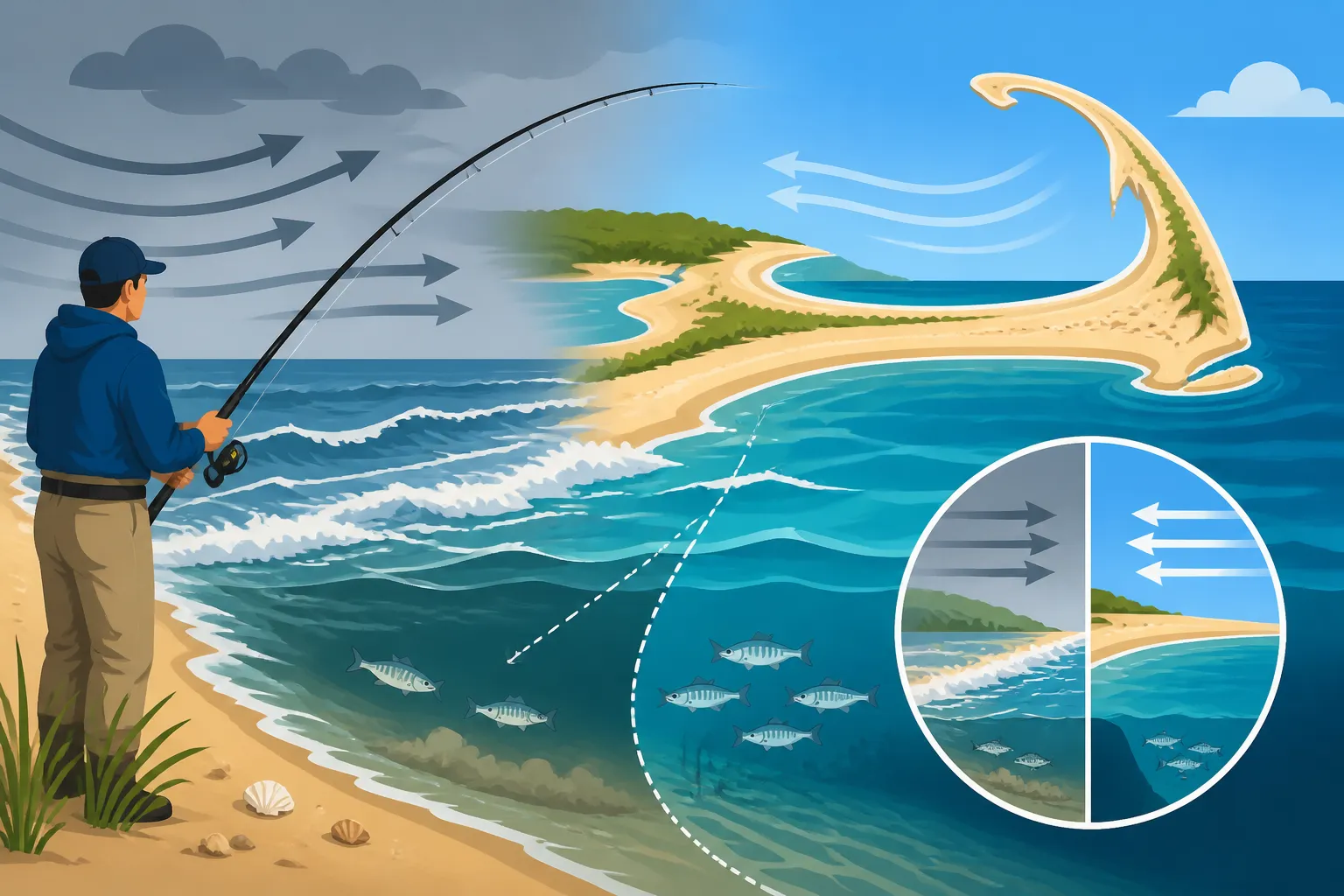
Then there's the dreaded crosswind. This one can be even more frustrating because it doesn't just cut distance; it creates a massive "bow" in your line as it drifts sideways. This bow makes it incredibly difficult to feel subtle bites, maintain proper lure presentation, or set the hook effectively. Imagine trying to steer a boat with a loose rudder – that's what a bowed line feels like. A tailwind, while it might seem like a blessing, can also be tricky. While it helps propel your lure further, it can make accurate casting difficult, causing your line to tangle or your lure to land awkwardly. You might also find yourself overshooting your intended target if you're not careful. Choosing the right Best Rod and Reel Setup for Surfcasting can definitely help mitigate some of these issues, but wind will always be a factor.
Water Clarity, Current, and Bait Presentation
Wind doesn't just mess with your line; it messes with the water itself. A persistent onshore wind (blowing from the ocean towards the shore) can churn up the bottom, reducing water clarity significantly. This can be a double-edged sword: sometimes, a little turbidity can actually be good, masking your presence and making fish feel safer to feed closer to shore. However, too much churn can scatter baitfish, make it hard for predatory fish like striped bass to hunt by sight, and generally make the water less inviting.
Beyond clarity, wind can significantly influence currents. An onshore wind can create stronger undertows and rip currents, which can be fantastic for carrying baitfish but also make it challenging to keep your lure or bait in the strike zone. Your presentation might be too fast, too slow, or simply swept out of position. Conversely, an offshore wind can flatten out the surf, making the water clearer and calmer, which sometimes makes fish more wary. Understanding How to read the surf for striped bass is crucial here, as wind fundamentally changes those patterns. When the water gets heavily agitated, lighter artificial baits or soft plastics might get tossed around too much, making it impossible to fish them effectively. In these conditions, heavier, more stable baits or lures are often the only way to get down to where the fish might be.
Angler Comfort and Safety
Let's not forget the human element. Surf fishing on Cape Cod involves standing on a beach, often for hours. A strong wind, especially a cold one, can quickly make the experience miserable. Sand blasting your face, hands, and gear is no fun, and trying to focus on a bite while shivering or constantly wiping sand from your eyes is a challenge. Extreme wind can also create hazardous conditions. Rogue waves, which are unexpected, larger-than-average waves, can be generated or amplified by strong winds, especially during or after a storm. These can be dangerous, potentially knocking an unwary angler off their feet or dragging them into the surf. Always prioritize your safety and know when to call it a day, no matter how good the fishing might be. Dressing in layers, with good windproof outerwear, is absolutely essential. A reliable headlamp for those pre-dawn starts, found on a site like Amazon, can also be a game-changer when dealing with wind and low light.
Decoding Cape Cod's Winds: What Each Direction Means for Fishing
Cape Cod's unique geography, with its various bays, sounds, and exposed oceanfronts, means that the same wind direction can have wildly different effects depending on which side of the Cape you're fishing. Knowing your location and understanding how the wind interacts with it is key.
Northerly Winds (N, NW, NE)
When the wind comes from the north, northwest, or northeast, you'll generally find the most protected and often calmer waters on the south side of Cape Cod. This includes areas facing Nantucket Sound, Buzzards Bay, and the more sheltered portions of Cape Cod Bay.
- North/Northwest Winds: These are often associated with cooler, drier air masses moving in after a frontal passage. On the ocean side (like the Outer Cape beaches), a direct north wind can be challenging, creating a messy chop and making casting difficult. However, on the protected south shore beaches of the Cape, these winds can create beautifully calm, clear conditions. This can be fantastic for sight-fishing in the shallows or presenting lighter lures without fighting a cross-current. Fish might be less aggressive in the cooler water, but they can be found in deeper holes or rips. For those fishing the deeper waters of Nantucket Sound, a northwest wind can make for a comfortable boat ride and calmer drift.
- Northeast Winds: Often a precursor to, or part of, a nor'easter. Northeast winds typically bring rough, churning seas to most of Cape Cod's coastline, especially the Outer Cape and the east-facing sections of Cape Cod Bay. This can make surf fishing incredibly difficult and even dangerous. However, before the storm really hits, as the wind begins to pick up from the northeast, the turbulent water can sometimes trigger a feeding frenzy among striped bass. These fish often seem to sense the approaching weather and feed aggressively. If you're out in these conditions, you'll need heavy tackle, stout leader, and lures designed to cut through the chop, like a heavy diamond jig, many of which are available on Amazon. Afterwards, the water often remains churned for days, making fishing tough until it settles.
Southerly Winds (S, SW, SE)
Southerly winds are very common during the warmer months and bring distinct characteristics to Cape Cod fishing.
- South/Southwest Winds: These are quintessential summer winds for Cape Cod. They often bring warmer, humid air and can create a gentle to moderate chop on the north side of the Cape (Cape Cod Bay and the Outer Cape). This "southwesterly breeze" can be ideal for surf fishing, creating just enough ripple to break up the water's surface, provide cover for fish, and generate some productive currents, without being overly disruptive to casting. These winds can also push warmer water and baitfish closer to shore. On the south side of the Cape, a direct south or southwest wind can create significant surf and churn, making fishing challenging in spots but potentially exciting if fish are actively feeding in the waves. Strong southwest winds can also bring in a lot of floating grass or seaweed, which can foul your line and lures constantly.
- Southeast Winds: Similar to northeast winds, a strong southeast wind often indicates an approaching weather system or a persistent low-pressure system. It will typically create rough conditions on the southern and eastern facing beaches. These winds can really kick up the surf and make for difficult casting and boat navigation. Much like northeast winds, the lead-up to a strong southeast blow can sometimes offer a small window of aggressive feeding, but sustained conditions are usually tough for surfcasters.
Easterly and Westerly Winds
These directions offer more direct shelter or exposure depending on the side of the Cape.
- Easterly Winds: Beyond the northeast influence mentioned above, a pure east wind can be punishing on the Outer Cape and generally makes things uncomfortable across much of the exposed coastline. It tends to bring damp, cool air and can create a significant swell. If you're on the western side of the Cape (like parts of Buzzards Bay or sheltered spots in Cape Cod Bay), you might find some relief, but generally, easterly winds are not favored by surfcasters on the ocean-facing side.
- Westerly Winds: These are often considered some of the best winds for fishing the ocean side (Outer Cape, Nantucket Sound). A gentle west or northwest breeze will typically flatten out the ocean surf, making for clear, calm water and easy casting. This can make fish more wary, so stealth and longer casts become more important, but it's generally a comfortable and visually appealing day to be on the beach. On the western-facing parts of the Cape, such as Buzzards Bay, a strong westerly can really kick up a nasty chop and make conditions difficult. This is a perfect example of how the same wind direction changes everything based on your specific location. For example, Fishing the Cape Cod Canal by Season will tell you that the Canal has its own micro-climate of wind and tide interactions, which makes local knowledge invaluable.
Here's a quick summary table to help visualize these impacts:
| Wind Direction | Typical Effect on Outer Cape/East-facing Beaches (e.g., Nauset, Truro) | Typical Effect on South-facing Beaches (e.g., South Cape, Nantucket Sound) | Typical Effect on West-facing/Bay Beaches (e.g., Buzzards Bay, sheltered CC Bay) | Surf Fishing Strategy Tips |
|---|---|---|---|---|
| North (N, NW) | Rough chop, difficult casting, cooler temps. Exposure. | Often calm, clear, protected. Good visibility. | Can be exposed, choppy on open bays. | Seek shelter on south-facing spots. Use lighter gear. |
| Northeast (NE) | Very rough, churned water, dangerous conditions. Precursor to storms. Exposure. | Rough, churned, difficult. Less protected than from N. | Can be exposed, very choppy. | Before storm, use heavy tackle in turbulent water. Otherwise, stay home. |
| South (S, SW) | Can create good fish-holding chop, warmer water, but also weeds. Moderate exposure. | Rougher, churned, but can push bait. Exposure. | Often calm, protected, comfortable. Ideal conditions. | Fish structure on the north side. Use weedless lures if needed. |
| Southeast (SE) | Rough, churned water, can be dangerous. Exposure. | Very rough, direct exposure, challenging. | Can be exposed and choppy. | Similar to NE, tough conditions. Maybe a pre-storm bite. |
| West (W) | Often calm, clear water, comfortable. Less exposure. | Can be choppy, but often manageable. Less direct exposure than S/SE. | Exposed to strong chop, difficult. | Focus on long casts, stealth. Look for subtle rips. Good for topwater if calm. |
Tactical Adjustments: Fishing Smarter with the Wind
Knowing the wind direction is just the first step. The real art of surf fishing in Massachusetts comes from adapting your techniques and gear to the conditions.
Gear Modifications for Windy Days
When the wind is blowing hard, your usual light setup might not cut it. This is where heavier lures, sinkers, and even specific line choices come into play.
- Heavier Lures and Sinkers: Ditching the light plastic swimmers for heavy metal jigs, bucktails, or weighted soft plastics is often the smart move. These lures cut through the wind better during the cast and sink faster to hold bottom against strong currents. Look for bullet-shaped lures that offer less wind resistance. For bait fishing, heavier pyramid sinkers or Sputnik sinkers (which dig into the sand) are indispensable to keep your bait in place. You can find a wide variety of these specialized items on Amazon, allowing you to stock up for different conditions.
- Wind-Resistant Lines: While braided line generally offers superior casting distance due to its thinner diameter, in a strong crosswind, it can create a huge belly, making bite detection nearly impossible. Some anglers prefer monofilament on extremely windy days for surfcasting because its greater diameter and weight are less prone to wind knots and bowing. However, if you stick with braid, consider using a shorter, heavier fluorocarbon leader to help sink the terminal tackle quicker.
- Longer, Stiffer Rods: A longer surf rod (10-12 feet) provides more leverage for casting into the wind and can help you maintain better line control. A stiffer rod action will also give you more power to drive your lure through the wind. Combine this with a powerful reel, and you'll be much better equipped. Looking for Best Lures for Striped Bass in Massachusetts might offer some insights into heavier, wind-resistant options.
Finding Shelter and Reading the Water
The Cape offers numerous spots where you can find some reprieve from direct wind exposure. Learning to identify these "lee" sides is a valuable skill.
- Lee Sides of Points and Jetties: A large rock jetty or a prominent point of land can block the direct force of the wind, creating a calmer zone on its downwind side. For instance, if there's a strong westerly wind, fishing the eastern side of a prominent jetty could offer a comfortable, fishable area. These sheltered spots can concentrate baitfish and, consequently, predatory fish seeking refuge from the rougher water. Always check access and regulations, as some areas like Quabbin Reservoir Fishing Permits and Rules in Massachusetts have specific requirements for land access.
- Understanding Rip Currents and Wind: Wind can significantly influence the strength and direction of rip currents. An onshore wind will often strengthen rips, while an offshore wind can subdue them. Fish often stack up at the edges of rips, waiting for bait to be carried out. Learning to read how the wind is influencing these currents and positioning yourself to cast into or along their edges can be highly productive. This also ties into Massachusetts Recreational Fishing Rules and Bag Limits as you need to know how these currents affect where fish might be holding.
- Beach Configuration: Some beaches are naturally more sheltered due to dunes, cliffs, or the angle they face. Experiment with different locations on different wind days. Sometimes, simply moving a quarter-mile down the beach can make all the difference in casting comfort and fishing success.
Strategic Lure and Bait Choices
The right lure or bait can make or break your day when the wind is against you.
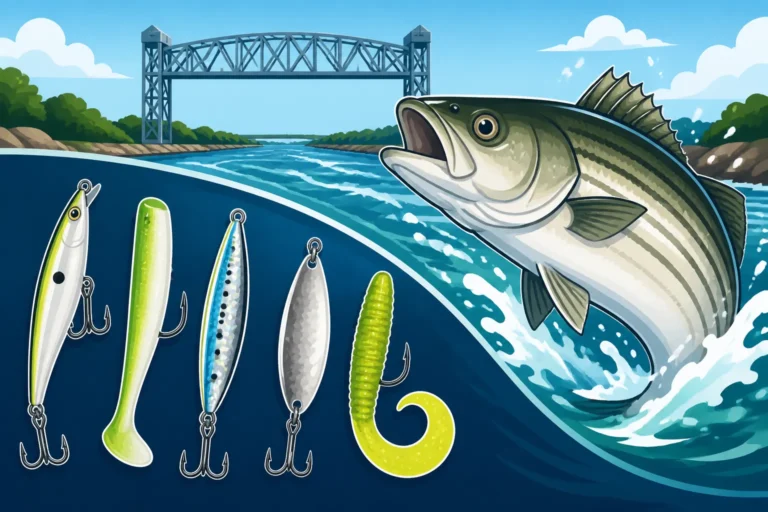
- Heavy Metals and Bucktails: These are your best friends on windy days. Metal jigs like diamond jigs or similar lures cast like bullets and sink quickly. Bucktails, especially when tipped with a pork rind or soft plastic trailer, offer a realistic profile and good weight. Their streamlined design allows them to cut through choppy water without being overly affected by strong currents.
- Natural Bait that Stays Put: If artificials aren't working, or the wind is just too brutal for active retrieve, switch to natural bait. Fresh clam, seaworms, or bunker chunks fished on a fish-finder rig with a heavy sinker can often be very effective. The key is using enough weight to keep your bait anchored in the strike zone, allowing the scent to attract fish even in churned water. Just make sure your rig is stout enough to handle any potential snags in a turbulent environment. It’s always a good idea to have a selection of natural baits available, many of which are easy to carry in a small cooler.
Safety First: Don't Let the Wind Catch You Off Guard
While adapting your fishing techniques is crucial, knowing when to prioritize safety above all else is paramount. Cape Cod's waters can be unforgiving, and the wind plays a major role in that.
Monitoring Forecasts and Conditions
Never head out without checking the detailed marine weather forecast. Don't just look at the general forecast; specifically check wind speeds, gust predictions, and wave heights for the area you plan to fish. Apps and websites designed for marine conditions can provide invaluable information, often hourly. Pay close attention to changes in wind direction and speed throughout the day, as conditions can shift rapidly, particularly with frontal passages. A quick check of the forecast from home can prevent a miserable, unproductive, or even dangerous trip to the beach. Remember that even if you feel comfortable, conditions can change, and being aware means being prepared.
Dressing for Success
This might sound obvious, but it's astonishing how many people underestimate the chill factor of wind, especially on a Massachusetts beach. Dress in layers, prioritizing windproof and waterproof outer layers. Even on a seemingly warm day, a persistent wind can quickly leach heat from your body. A good quality windbreaker or foul-weather gear can make all the difference between an enjoyable, extended fishing session and an early retreat to the car. Don't forget a hat and sunglasses to protect your face and eyes from wind-blown sand and glare, respectively. A comfortable, insulated jacket or bibs from a reputable outdoor brand on Amazon can be an excellent investment for extending your fishing season into the colder, windier months.
When to Stay Home
There are simply some days when the wind is too strong, the seas are too rough, and the conditions are too dangerous to be surf fishing. This is especially true on exposed beaches like those on the Outer Cape. High winds combined with a big swell can create powerful shore break, intense rip currents, and the risk of being struck by debris or rogue waves. No fish is worth risking your life. If the forecast calls for sustained winds over 20-25 knots (around 23-28 mph) or wave heights consistently above 4-6 feet, especially if those winds are onshore, it’s often best to reconsider. There will always be another day to fish. Take these days to tie knots, clean reels, or research Best Fishing Spots in Massachusetts for calmer days. Learning to respect the ocean is part of being a responsible angler.
Ultimately, understanding how wind direction affects surf fishing on Cape Cod is a game-changer. It transforms you from an angler constantly battling the elements to one who can anticipate and adapt, often finding success where others might give up. So, next time you plan a trip to the beach, remember to check that wind, pack accordingly, and fish smart!
Disclaimer
This article is for general informational purposes only and does not constitute professional advice. Laws, prices and regulations vary by location and change over time. Consult a qualified professional for guidance on your specific situation.