How to catch scup in Massachusetts
For many anglers, especially those just dipping their toes into the vibrant world of Massachusetts saltwater fishing, the humble scup might be an overlooked gem. You might be targeting stripers or fluke, only to find these feisty panfish stealing your bait, but don't dismiss them! Scup offer a fantastic fight, are plentiful, and make for excellent table fare, providing a fun and accessible fishing experience for all ages. This guide is dedicated to helping you master the art of catching scup in Massachusetts, from understanding their habits to employing the most effective techniques and gear.
Understanding Scup: The Massachusetts Panfish of the Salt
Before you can effectively target scup, or "porgies" as they're also known in some circles, it's really helpful to understand a bit about them. Knowing their preferences and habits will significantly increase your chances of success. They’re a perfect example of a fish that proves you don't need giant tackle or exotic locations to have a blast on the water.
Identifying Scup and Their Habitat
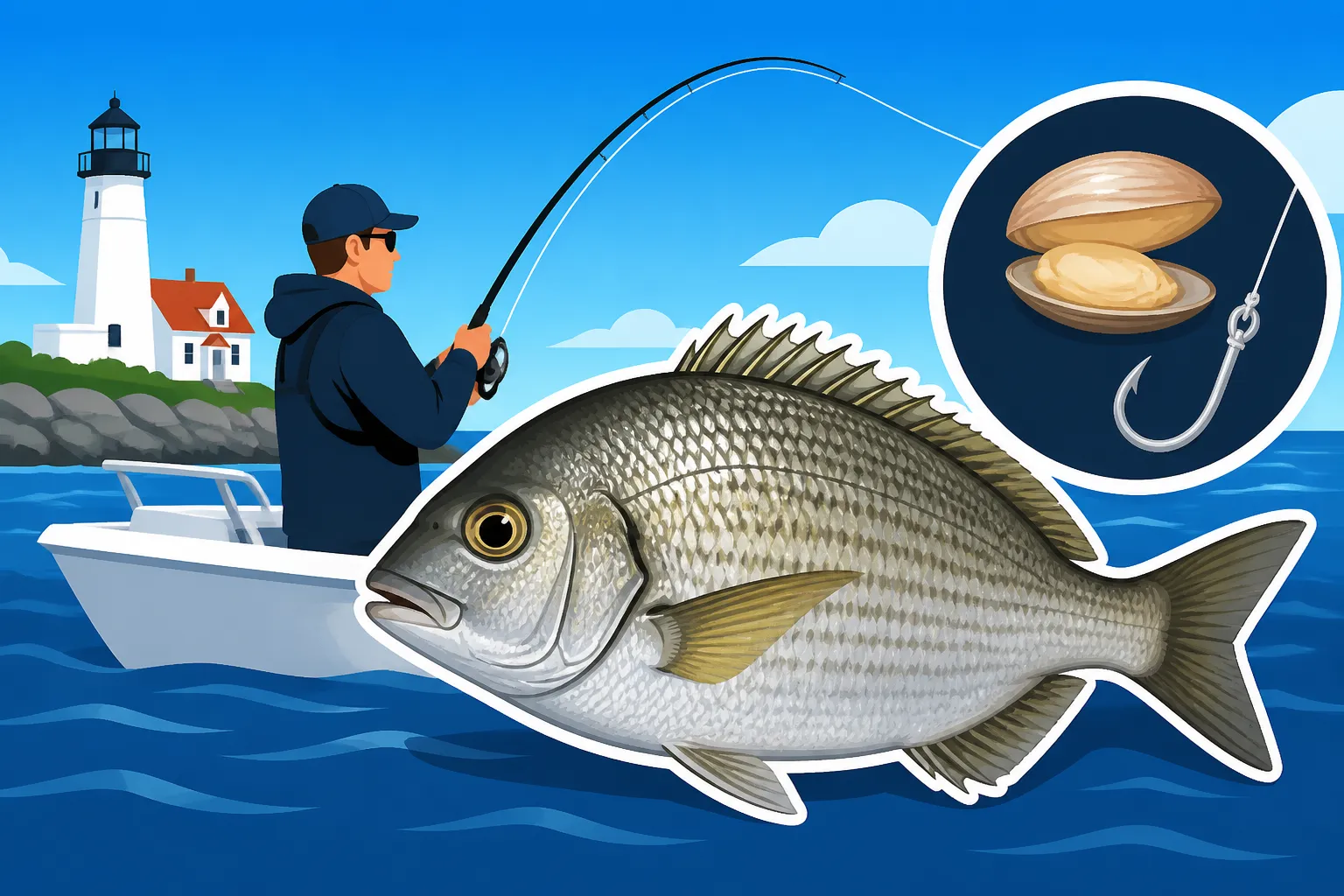
Scup, Stenotomus chrysops, are easily recognizable once you know what to look for. They typically have a silver body with a slightly iridescent sheen, often showing subtle vertical bars that can fade quickly after they're caught. Their body is somewhat oval-shaped and compressed, and they have a distinct, spiny dorsal fin. They also possess a relatively small mouth with strong teeth, perfect for crushing the shells of their prey. While they don't grow to monstrous sizes, a good-sized scup can give you a surprising tug on light tackle!
When it comes to where scup like to hang out, think structure, structure, structure. These bottom-dwelling fish love areas with rocky bottoms, mussel beds, oyster reefs, and any kind of submerged structure that provides shelter and a smorgasbord of food. You'll find them around jetties, piers, breakwaters, bridge pilings, and even scattered rock piles in deeper channels. In Massachusetts, this means they are abundant in many of our coastal waters, especially around Buzzards Bay, Vineyard Sound, Nantucket Sound, and within harbors like Boston and Plymouth. They're often schooling fish, so where you find one, you're likely to find many. Think of them as the saltwater equivalent of crappie or bluegill – they love to gather in good numbers.
When and Where to Find Scup in Massachusetts
Scup are warm-water fish, and their presence in Massachusetts waters is largely dictated by water temperature. Generally, you can expect scup to start arriving in our coastal areas as the water warms up, typically beginning in late spring, around May. They'll stick around through the summer months, providing consistent action, and often remain abundant well into the fall, sometimes even into October, before migrating south to deeper, warmer waters for the winter. The peak season for scup fishing tends to be mid-summer through early fall when the water temperatures are at their highest and their feeding activity is most vigorous.
As for specific locations, you're really spoiled for choice in Massachusetts. From shore, look for public piers, rocky jetties, and accessible beaches with nearby submerged structure. Places like the rocky shores of Cape Ann, the jetties along the South Shore, and many of the public access points on Cape Cod are prime territories. From a boat, look for those rocky outcroppings, mussel beds, or even artificial reefs in Buzzards Bay or Nantucket Sound. Many anglers find them schooling in relatively shallow water, often between 10 to 40 feet deep, but they can be found deeper as well. Don't be afraid to use your fishfinder to locate schools hovering just above the bottom. Remember, they're often found in the same areas as other popular bottom fish like fluke and black sea bass, making for a diverse catch! For more information on where they're typically found, you might want to read our guide on What a scup is and where to catch it.
Essential Gear for Scup Fishing Success
One of the great things about scup fishing is that you don't need an arsenal of expensive, heavy-duty gear. In fact, lighter tackle often makes the experience much more enjoyable, allowing you to feel every head shake and run from these spirited fish. The key is to have a setup that's sensitive enough to detect their sometimes subtle bites, yet strong enough to handle a decent school.
Rod, Reel, and Line Selection
For scup, a light to medium-light spinning rod is usually perfect. Think something in the 6 to 7-foot range with a fast action tip, which will give you the sensitivity to feel those delicate nibbles and the backbone to bring them in. A rod rated for 6-12 lb test line and 1/4 to 3/4 oz lures is a great starting point. Brands like Ugly Stik or Penn offer durable and affordable options that are widely available on Amazon and local tackle shops. You want something that's comfortable to hold and cast repeatedly, as scup fishing can be quite active.
Pair your rod with a matching spinning reel, ideally in a 2500 to 3000 size. This size offers a good balance of line capacity and retrieve power without being too bulky. Look for a reel with a smooth drag system, as this will be crucial when you hook into a particularly feisty scup. A reliable reel from a brand like Shimano or Daiwa will serve you well for many seasons. Spool your reel with 10-15 lb braided line. Braided line offers superior sensitivity, allowing you to feel even the lightest bites, and its thinner diameter means you can use heavier test without sacrificing casting distance. Tie on a 3-4 foot leader of 10-15 lb fluorocarbon. Fluorocarbon is nearly invisible in water, which can be a huge advantage for skittish fish, and it's more abrasion-resistant than mono, protecting your main line from rocks and scup teeth.
Terminal Tackle: Rigs, Hooks, and Sinkers
When it comes to terminal tackle for scup, simplicity is often the best approach. The classic high-low rig, also known as a top-and-bottom rig or a "porgy rig," is incredibly effective. This rig typically features two hooks tied above a sinker, allowing you to present two baits at different depths. You can buy pre-tied versions, which are very convenient and readily available on Amazon or at any tackle store, or you can tie your own using snelled hooks and swivels. This type of rig is also excellent for other bottom-dwelling species you might encounter, such as fluke or sea bass. For more details, check out our article on Best rig for scup and porgy fishing.
For hooks, you'll want to use small, sharp, circle hooks or J-hooks. A size #4 to #1 octopus hook or a size #2 to #1 Virginia-style hook are popular choices. Circle hooks are particularly good for scup because they tend to hook the fish in the corner of the mouth, reducing gut-hooking and making for easier release if you're not keeping every fish. Ensure your hooks are sharp – scup have tough mouths, and a dull hook will lead to missed bites. Regarding sinkers, the weight you choose will depend on the current and depth you're fishing. Start with a 1 to 3-ounce bank or pyramid sinker. The goal is to get your bait to the bottom and keep it there without too much drift. Always carry a variety of sinker weights, as conditions can change rapidly throughout your fishing trip.
Mastering Scup Fishing Techniques
Having the right gear is only half the battle; knowing how to use it effectively is what truly sets successful anglers apart. Scup aren't overly complicated to catch, but a few tried-and-true techniques will maximize your haul.
Baiting Up for Scup: The Best Options
Scup are not picky eaters, which is fantastic news for anglers! They're opportunistic feeders, meaning they'll readily snap at a wide variety of baits. The absolute top contender for scup bait, hands down, is fresh squid. Cut into small, roughly 1/2-inch to 1-inch squares or thin strips, squid is incredibly effective, stays on the hook well, and has a scent trail that scup can't resist. You can often buy frozen squid at most bait and tackle shops, and even through Amazon for delivery if you plan ahead.
Other excellent bait options include:
- Clams: Particularly clam worms or sandworms, if you can find them. Their natural scent is a huge attractant. Pieces of fresh clam meat also work wonders, though they can be softer and harder to keep on the hook.
- Sea Worms: Bloodworms and sandworms are like candy to scup. Thread them onto your hook, ensuring a good portion dangles to entice a bite.
- Shrimp: Small pieces of fresh or frozen shrimp, peeled or unpeeled, are also very effective. They're easy to find at most grocery stores if you're in a pinch.
- Mackerel or Herring Pieces: While often reserved for larger game fish, small chunks of oily baitfish can also attract hungry scup.
The key with scup bait is to use small pieces. Scup have relatively small mouths, and they're notorious for nibbling bait off the hook rather than swallowing it whole. Smaller baits mean more hookups. Don't be shy about "chumming" a bit if you're fishing from a boat or pier – tossing small bits of cut bait into the water will create a scent trail that can draw schools of scup right to your fishing area.
Effective Fishing Methods from Shore and Boat
Whether you're casting from a rocky outcropping or dropping lines from a boat, the core method for scup fishing remains bottom fishing.
From Shore (Piers, Jetties, Beaches):
Find a spot with good access to deeper water or structure. Cast your high-low rig out, letting the sinker settle to the bottom. Keep your rod tip slightly elevated and watch for taps or pulls. Scup bites can range from a series of gentle nudges to a surprisingly hard yank. Don't be in a rush to set the hook; give them a moment to commit, especially with circle hooks which are designed to set themselves as the fish swims away. If you don't get a bite within a few minutes, reel in a few feet, or give your rig a little twitch to stir up the bottom and attract attention. Sometimes, slowly dragging your bait along the bottom can also trigger a strike. Keep an eye on your local tide charts; scup often feed more actively during incoming and outgoing tides when currents move food around. For some great shore fishing spots, you can look up our guide on Best Shore Fishing Spots in Massachusetts.
From a Boat:
Boats offer the advantage of being able to seek out prime scup habitat. Use your fishfinder to locate rocky areas, humps, or schools of fish. Once you find a promising spot, anchor upcurrent or updrift so your baits will naturally drift back over the structure. Drop your high-low rig straight down to the bottom. The same principles apply: keep a watchful eye on your rod tip, feel for those distinct scup bites, and give them a moment. If the bites slow down, don't hesitate to move to another spot. Drifting with the current over productive bottom can also be highly effective, especially if you're covering a wider area. Just be mindful of your sinker weight to ensure your bait stays near the bottom.
Handling Your Catch and Regulations
Once you've reeled in a scup, handling it correctly is important. Scup have relatively small, sharp spines, so be careful when de-hooking them. A pair of pliers or a de-hooking tool can be very helpful, especially if you plan to release fish. If you're keeping them, consider bringing a cooler with ice to keep your catch fresh. Scup are delicious pan-fried or baked, offering flaky, white meat with a mild flavor.
It's absolutely crucial to be aware of the current Massachusetts fishing regulations for scup. These regulations, including minimum size limits, daily bag limits, and season dates, are set by MassWildlife and can change. Always consult the official Massachusetts saltwater fishing regulations guide before heading out. You can usually find a printed copy at bait and tackle shops, or access them online through the MassWildlife website. Pay close attention to these rules; fishing without knowing the current regulations can lead to fines. You'll often find information on bag limits in resources like Massachusetts Saltwater Bag Limits by Species and the general Massachusetts Fishing Regulations Pamphlet, Explained. A recreational saltwater fishing permit is required for most anglers aged 16 and older in Massachusetts, so ensure yours is up to date! For detailed information, check out our Massachusetts Saltwater Recreational Fishing Permit Explained guide.
Optimizing Your Scup Fishing Experience
While scup are generally cooperative, a few additional considerations can really elevate your fishing game, ensuring you have a productive and enjoyable time on the water.
Reading the Tides and Weather for Scup
Tides play a significant role in saltwater fishing, and scup are no exception. The moving water associated with incoming and outgoing tides often stimulates feeding activity. As the tide pushes in or pulls out, it stirs up the bottom, dislodging crabs, worms, and other small organisms that scup love to eat. Therefore, planning your fishing trip around the mid-point of an incoming or outgoing tide, or during the slack tide immediately following, can often lead to the best results. The stronger currents of a swift tide can sometimes make it harder to keep your bait on the bottom, so you might need to adjust your sinker weight accordingly.
Weather also has an impact, albeit usually less dramatic for bottom dwellers like scup compared to surface feeders. Overcast days can sometimes extend feeding periods, as bright sunlight can make some fish a bit shy. High winds, however, can make shore fishing difficult due to casting challenges and choppy water, and can make boat fishing uncomfortable and potentially unsafe. Always check the marine forecast before you go, not just for your comfort, but for optimal fishing conditions. A calm, overcast day with a moving tide is often a recipe for scup fishing success! You can get a general overview of seasonal patterns in Massachusetts Saltwater Fishing Seasons.
Tips for Fishing with Kids and Beginners
Scup fishing is arguably one of the best ways to introduce kids and novice anglers to the joys of saltwater fishing. Their abundance and willingness to bite provide almost instant gratification, keeping young minds engaged. The tackle is simple to use, and the fight, while not monstrous, is certainly noticeable and exciting on light gear.
Here are a few tips for fishing scup with kids or beginners:
- Keep it Simple: Stick to the basic high-low rig with easily available bait like squid. Don't overcomplicate things with advanced techniques.
- Focus on Action, Not Size: Emphasize the fun of catching multiple fish, rather than just chasing a trophy. Every scup caught is a victory!
- Patience (from You!): Kids have shorter attention spans. Be prepared to help them re-bait, untangle lines, and celebrate every catch.
- Safety First: Ensure everyone has appropriate sun protection, stays hydrated, and is aware of their surroundings, especially on piers or rocky jetties. Life jackets are a must for younger children on boats.
- Make it an Experience: Pack snacks, drinks, and tell stories. The fishing is just one part of a memorable day outdoors.
Scup are truly an accessible and rewarding target in Massachusetts. Whether you're a seasoned angler looking for consistent action or trying to get a youngster hooked on fishing, these feisty bottom dwellers deliver. So grab some squid, find a good spot, and get ready for some fantastic scup action!
Disclaimer
This article is for general informational purposes only and does not constitute professional advice. Laws, prices and regulations vary by location and change over time. Consult a qualified professional for guidance on your specific situation.