How to plan a Massachusetts fishing trip around the seasons
Oh, the age-old question for every angler: "When is the best time to fish in Massachusetts?" It’s a common frustration, isn't it? You've got your gear ready, your bait bucket filled, and that eager anticipation, but knowing exactly when and where to target your favorite species can feel like trying to solve a puzzle with missing pieces. This guide is here to unravel that mystery, helping you plan your Massachusetts fishing adventures around the unique rhythms of each season, from the first thaw to the deep winter chill.
Understanding Massachusetts' Seasonal Fishing Rhythms
Massachusetts is a state of incredible diversity when it comes to fishing, boasting everything from vast saltwater coastlines and productive estuaries to countless freshwater lakes, ponds, and rivers. But this variety also means that fishing isn't a static activity; it ebbs and flows dramatically with the changing seasons. What works in April won't necessarily yield results in August, and knowing these shifts is absolutely crucial for a successful outing.
Why Seasons Matter for Anglers
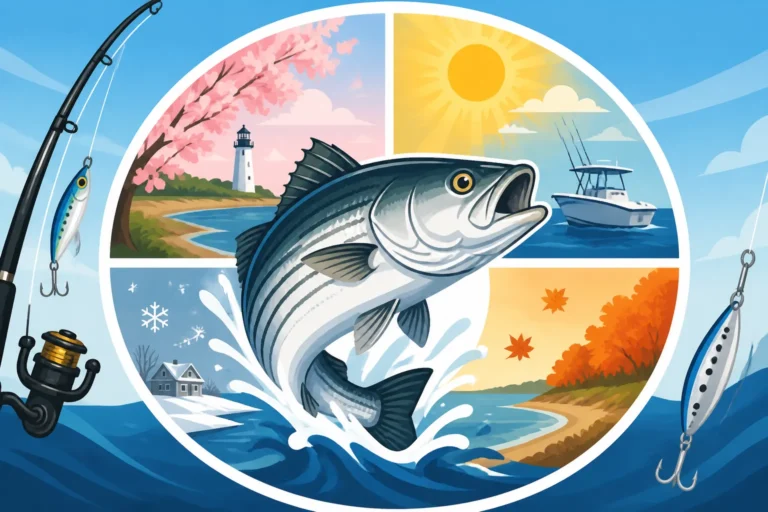
Think of it like this: fish are cold-blooded creatures, and their behavior is heavily dictated by water temperature, available food, and spawning cycles. As the seasons change, so do these critical factors. In spring, warming waters trigger feeding frenzies after a long winter dormancy, and many species begin their spawning rituals. Summer brings peak warmth, often driving fish to deeper, cooler waters or making them most active during dawn and dusk. Fall sees a resurgence of aggressive feeding as fish pack on weight for the coming winter, and winter, of course, presents its own unique challenges and opportunities, especially for ice anglers. Ignoring these seasonal cues means you might be fishing the wrong spot with the wrong bait at the wrong time, leading to frustrating days rather than thrilling catches.
General Overview of Massachusetts' Fishing Calendar
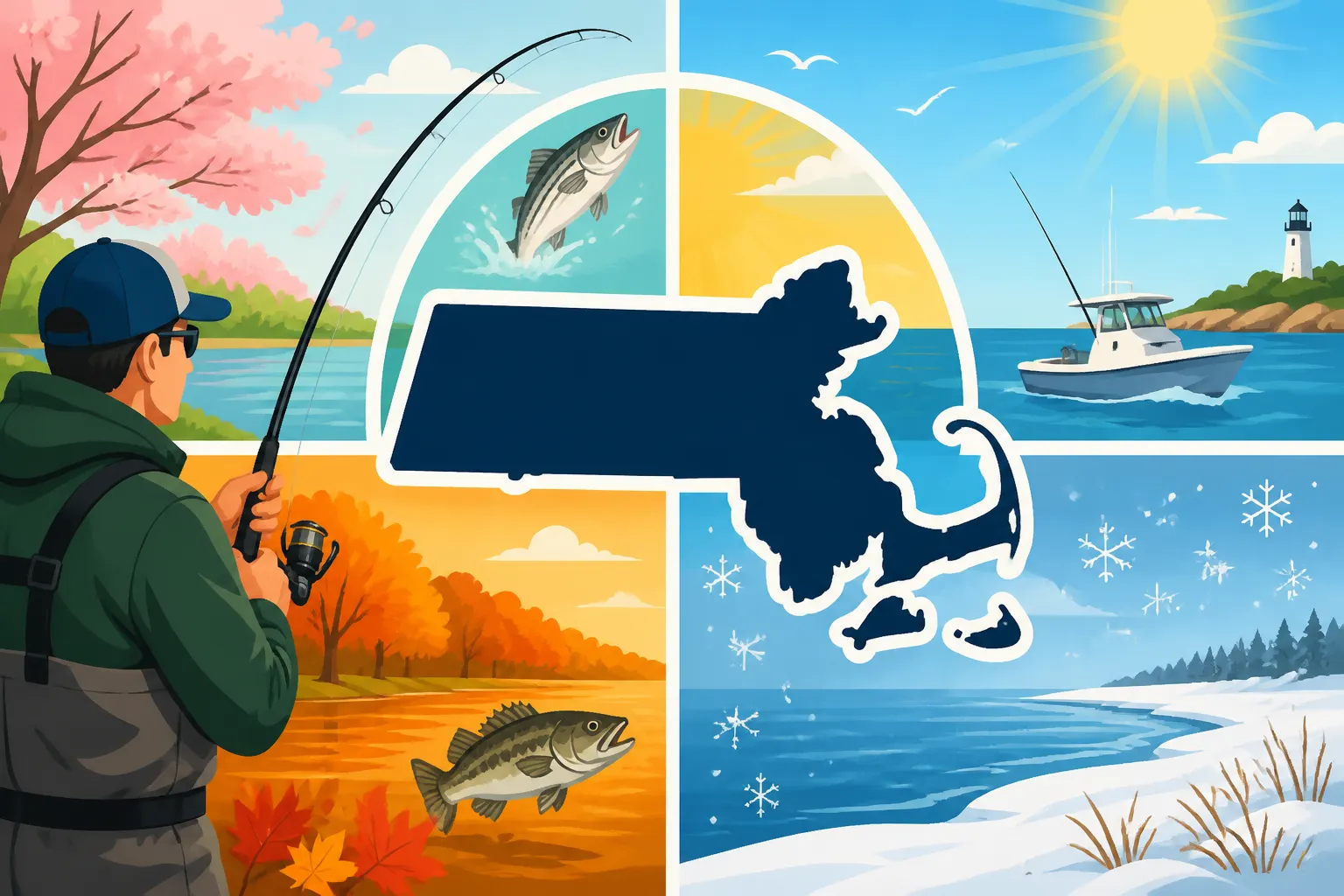
While specific dates will always vary slightly year to year based on weather patterns, there's a general calendar that most Massachusetts anglers follow. Spring, typically April through May, is prime for freshwater trout and the highly anticipated arrival of striped bass in saltwater. Summer, from June to August, is peak season for almost everything, with warmwater species like largemouth and smallmouth bass active, and a full spectrum of saltwater gamefish from bluefish to tuna. Fall, September through November, is often considered the "second spring" for fishing, offering some of the most intense action for both freshwater trout and migratory striped bass. And then winter, December through March, brings ice fishing to the forefront in freshwater and a quieter, more challenging pursuit in the saltwater. Understanding this Massachusetts Freshwater Fishing Season Calendar and Massachusetts Saltwater Fishing Seasons is your first step to year-round enjoyment.
Spring Fishing in Massachusetts: The Awakening
Ah, spring! There's nothing quite like that first truly warm day after a long Massachusetts winter. The ice recedes, the trees bud, and a palpable energy fills the air – and the water. For anglers, this season, generally from April through May, is a time of renewed hope and often incredible action as fish shake off their winter sluggishness and begin to feed voraciously.
Freshwater Spring Action: Trout and Bass Wake Up
As soon as the ice melts and water temperatures begin to climb into the 40s and 50s Fahrenheit, freshwater fishing explodes. The Massachusetts Division of Fisheries and Wildlife (MassWildlife) undertakes its annual rite of passage: massive trout stockings. Ponds, lakes, and rivers across the state are replenished with thousands of rainbow, brown, and brook trout, making spring one of the most popular times for trout fishing. Anglers flock to these freshly stocked waters, often finding success with simple baits like power bait, worms, or small spinners and spoons. It's a fantastic time for families and beginners, as the action can be fast and furious. You can find detailed information on the Massachusetts Trout Stocking Schedule to plan your trips around these events.
Beyond trout, other freshwater species also become highly active. Largemouth bass, which spent winter in deeper, lethargic states, begin to move into shallower areas to feed and prepare for spawning. Smallmouth bass, too, will become aggressive, particularly in larger lakes and rivers like the Connecticut River. Early spring sees them ambushing baitfish, and as the water warms, they'll readily strike at jigs, crankbaits, and spinnerbaits. It’s also a great time to target pickerel and perch, which are often the first to become active after ice-out. If you're looking for new gear to try, a quick browse on Amazon for some lightweight spinning rods or a selection of trout lures can get you started.
Early Saltwater Opportunities: Herring Runs and Stripers Arrive
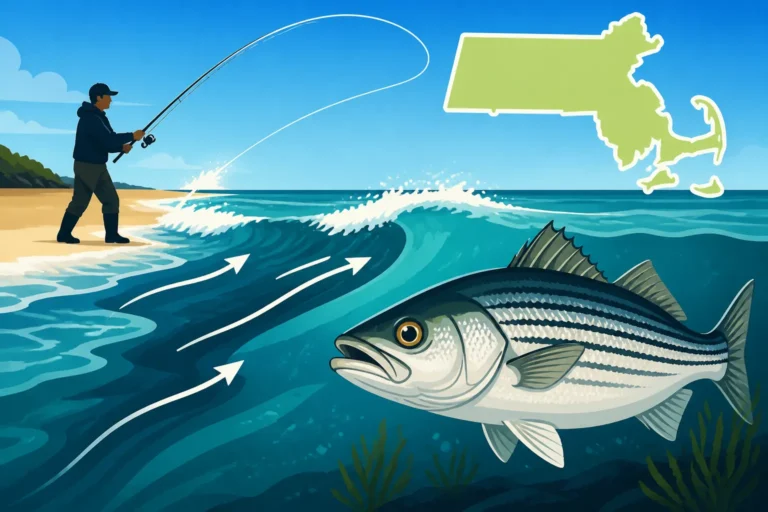
For saltwater enthusiasts, spring signals the much-anticipated arrival of the striped bass. These iconic gamefish migrate north from their wintering grounds, and by late April or early May, the first "schoolies" (smaller striped bass) begin to appear in southern Massachusetts waters, often following the runs of river herring (alewives and blueback herring) pushing into freshwater to spawn. This is a crucial time, as these herring runs provide an abundant food source for the hungry stripers. Estuaries, tidal rivers, and protected bays are the first places to experience this influx of fish.
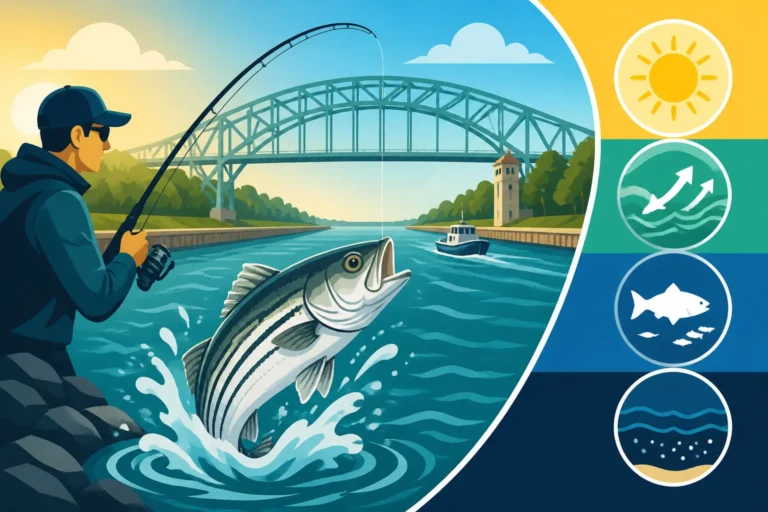
Anglers targeting early-season stripers will find success casting soft plastics, small plugs, or flies that imitate the baitfish and herring. Patience is key, as these early fish can be finicky, but the reward of landing the first striper of the season is hard to beat. As the water warms further into May, larger stripers will begin to show up, and bluefish, though typically arriving a bit later, might make an early appearance. Shore anglers can often find success in places like the Cape Cod Canal or along the South Shore beaches during these early runs. Understanding How to Catch Striped Bass in Massachusetts during this period can significantly boost your success.
Summer Fishing in Massachusetts: Peak Action
Summer in Massachusetts, spanning roughly June through August, is when the fishing scene truly comes alive. The waters are warm, the days are long, and virtually every species, both freshwater and saltwater, is active. This is the prime time for many anglers, offering a wide array of opportunities from tranquil pond fishing to offshore adventures.
Freshwater Summer: Warmwater Species Dominance
As freshwater temperatures rise throughout June and July, species like largemouth bass, smallmouth bass, and various panfish hit their stride. Bass will often move into and out of shallower cover, especially during dawn and dusk, seeking cooler, oxygen-rich water during the heat of midday. Topwater lures at first light can be incredibly exciting, as can pitching jigs or Texas-rigged worms into lily pads and weed beds. During the bright, hot parts of the day, targeting deeper weed lines or structures can be effective. Rivers and larger lakes often offer consistent smallmouth action, with these feisty fish eagerly striking at tube jigs and crankbaits.
Panfish such as bluegill, perch, and crappie are also abundant and provide excellent light-tackle fun, especially for kids. Many state-stocked ponds and lakes offer easy access and plenty of panfish to keep young anglers entertained. Remember, even in summer, early mornings and late evenings are often the most productive times, as fish are more comfortable feeding in cooler water or lower light conditions. You might want to stock up on various soft plastics and topwater lures from Amazon to cover all your bases for summer bass. Knowing How to Catch Largemouth Bass in Massachusetts is a must for successful summer freshwater outings.
Saltwater Summer: Stripers, Blues, and Offshore Thrills
The Massachusetts saltwater scene in summer is nothing short of spectacular. Striped bass are in full swing, often found cruising beaches, estuaries, rocky points, and the deeper channels of places like the Cape Cod Canal. Anglers employ a variety of techniques, from surfcasting with large plugs and eels to trolling tubes and worms from boats, or live-lining mackerel. The Massachusetts Striped Bass Slot Limit Explained is crucial to remember for keeping legal fish. Bluefish, notorious for their aggressive strikes and sharp teeth, also become abundant, often schooling up and creating spectacular feeding frenzies on baitfish. They’ll hit almost anything, but wire leaders are a good idea to prevent bite-offs.
Beyond the inshore action, summer is when offshore and deep-sea fishing really takes off. Cod and haddock can be targeted on offshore banks, offering a great eating fish opportunity. Even further offshore, the waters around Cape Cod and the Islands become world-renowned for their giant bluefin tuna. Chasing tuna is a serious endeavor, often requiring specialized gear and charters, but the thrill of battling one of these powerful fish is unforgettable. Other pelagic species like bonito and false albacore also make appearances, providing fast-paced light-tackle fun. Summer also offers fantastic opportunities for bottom fishing for fluke (summer flounder), scup, and black sea bass, particularly around structure and sandy bottoms. It truly is one of the Best Time of Year to Fish in Massachusetts for variety.
Fall Fishing in Massachusetts: The Feeding Frenzy
Many seasoned anglers will tell you that fall, from September through November, offers some of the absolute best fishing in Massachusetts. As temperatures begin to drop and the days shorten, fish sense the coming winter and engage in an intense feeding frenzy to pack on calories. This creates incredible opportunities for both freshwater and saltwater species.
Freshwater Fall: Trout Stocking and Bass Pre-Winter Prep
Just like in spring, fall brings another round of trout stocking across Massachusetts. These autumn stockings are a fantastic opportunity to target larger, often feistier trout that have grown in the hatcheries over the summer. The cooler water temperatures mean these fish are active and aggressive, making for excellent angling. Spinners, small spoons, and even fly-fishing techniques can be incredibly productive, especially in rivers and streams that were too warm for trout during the summer months. Check the Massachusetts Trout Stocking Schedule for dates and locations.
Meanwhile, bass and other warmwater species are also in a pre-winter feeding mode. Largemouth and smallmouth bass will be gorging on baitfish, often becoming easier to locate as they school up in shallower areas before retreating to deeper winter haunts. Topwater action can still be good on warmer days, but crankbaits, jigs, and slow-moving soft plastics become increasingly effective as the water cools. Fall colors reflecting on a quiet pond with a bent rod in hand is a quintessential Massachusetts fishing experience. For those looking to upgrade their cold-weather fishing attire, Amazon has a wide selection of insulated waders and waterproof jackets that can make those crisp fall mornings much more enjoyable.
Saltwater Fall: The Epic Striper Run and Albie Mania
Without a doubt, fall is legendary for saltwater fishing in Massachusetts. The "fall run" of striped bass is an epic event, as these fish migrate south, often following massive schools of baitfish like bunker (menhaden) and mackerel along the coast. This is when some of the largest stripers of the year can be caught, particularly from shore in places like the Cape Cod Canal, outer Cape beaches, and rocky shorelines. Blitzes – where stripers and bluefish aggressively attack baitfish on the surface – are a common and exhilarating sight, providing fast-paced action for fly and spin anglers alike.
Alongside the striped bass, fall brings the much-anticipated arrival of bonito and false albacore, often referred to as "albies." These speedsters provide some of the most thrilling light-tackle fishing experiences, with their blistering runs and sudden changes in direction. They primarily target small baitfish and will readily strike at small jigs and flies. The waters around Cape Cod and the Islands become hotbeds for albie action, drawing dedicated anglers from all over. The fall also extends opportunities for bluefish, black sea bass, and even late-season tuna for those willing to brave the cooler conditions. For an immersive experience, studying Massachusetts Saltwater Fishing Seasons for specific species can help pinpoint the best times for your target.
Winter Fishing in Massachusetts: Ice and Opportunities
While many anglers pack away their gear once the cold sets in, winter in Massachusetts (typically December through March) offers a unique and often rewarding set of fishing opportunities. It demands a different mindset and specialized techniques, but for those willing to embrace the cold, it can be a truly peaceful and productive time on the water.
Freshwater Winter: Ice Fishing Excitement
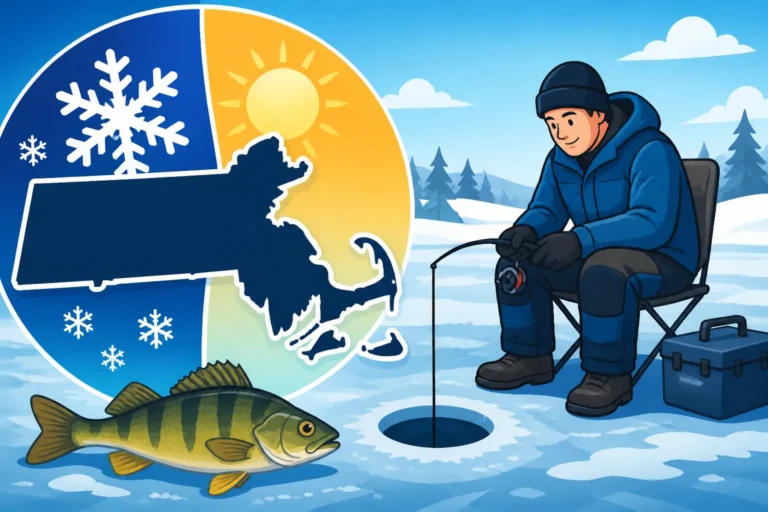
For many in Massachusetts, winter fishing means one thing: ice fishing! Once lakes and ponds develop a safe, solid layer of ice, anglers flock to them, drilling holes and setting up tip-ups or jigging with short rods. Ice fishing provides access to parts of the water body that are inaccessible during open water seasons, allowing anglers to target species like yellow perch, crappie, bluegill, chain pickerel, and even pike and trout. Pickerel are particularly active through the ice, offering consistent action, while yellow perch are a popular target for their delicious fillets.
Safety is paramount when ice fishing, so always check ice thickness and go with a buddy. Gear like ice augers, tip-ups, and specialized ice fishing rods are essential. Many anglers find great joy in the camaraderie of ice fishing, often gathering in shanties or shelters out on the ice. While it's a slower pace than summer fishing, the thrill of seeing a tip-up flag fly up, signaling a fish on the line, is an experience unto itself. Learning the basics of Ice Fishing in Massachusetts is crucial before venturing out. Make sure you have the right cold-weather gear, and maybe even a portable heater for your shanty, available on Amazon.
Limited Saltwater Winter: Hardier Species and Offshore Chances
Saltwater fishing certainly slows down dramatically in winter, but it doesn't entirely disappear. Hardier species can still be targeted, particularly in deeper, protected waters. Some anglers will still venture out for cod and haddock on offshore banks, often requiring larger, well-equipped boats and a tolerance for rougher seas and cold temperatures. These trips are often longer and require significant preparation, but they can yield impressive catches of groundfish.
Nearshore, opportunities are much more limited. Smelt runs in brackish waters can offer some unique winter fishing, as these small, silvery fish are prized for their delicate flavor. Pier fishing in certain harbors that don't fully freeze can sometimes produce a stray white perch or tomcod. However, for most recreational anglers, winter is primarily a freshwater ice fishing season, or a time for tackle maintenance and planning for the spring thaw. Even in the depths of winter, it's good to be familiar with the broader Massachusetts Recreational Fishing Rules and Bag Limits as some specific regulations may still apply.
Planning Your Year-Round Massachusetts Fishing Adventures
To really make the most of Massachusetts fishing, you've got to embrace the seasonality. Don't limit yourself to just one type of fishing or one season. The true joy of being an angler in the Bay State comes from adapting, learning, and chasing different species as the calendar pages turn.
Here's a quick overview to help you visualize the seasonal shifts:
| Season | Typical Months | Primary Freshwater Targets | Primary Saltwater Targets | Key Considerations |
|---|---|---|---|---|
| Spring | April – May | Stocked Trout, Largemouth/Smallmouth Bass, Panfish | Early Striped Bass (schoolies), Herring Runs | Warming waters, post-winter feeding, trout stockings |
| Summer | June – August | Largemouth/Smallmouth Bass, Panfish, Pike | Striped Bass, Bluefish, Fluke, Black Sea Bass, Tuna | Warmest water, dawn/dusk best for bass, offshore peak |
| Fall | September – Nov | Stocked Trout, Largemouth/Smallmouth Bass | Striped Bass (fall run), Bluefish, False Albacore | Pre-winter feeding frenzy, big migratory fish, cooler weather |
| Winter | December – March | Ice Fishing (Perch, Pickerel, Trout, Pike) | Offshore Cod/Haddock, Smelt (limited) | Ice safety, specialized gear, challenging conditions |
This table is a great starting point, but remember, every year is a little different depending on the weather. Keep an eye on local fishing reports, consult resources like MassWildlife, and don't be afraid to experiment. Whether you're chasing that trophy striper, patiently waiting by a jig hole on the ice, or teaching a youngster how to catch their first bluegill, Massachusetts offers incredible angling opportunities year-round. So grab your rod, check the forecast, and go make some memories! And if you need a new cooler to bring home your catch, Amazon always has a great selection!
Disclaimer
This article is for general informational purposes only and does not constitute professional advice. Laws, prices and regulations vary by location and change over time. Consult a qualified professional for guidance on your specific situation.