Atlantic Salmon at Quabbin Reservoir
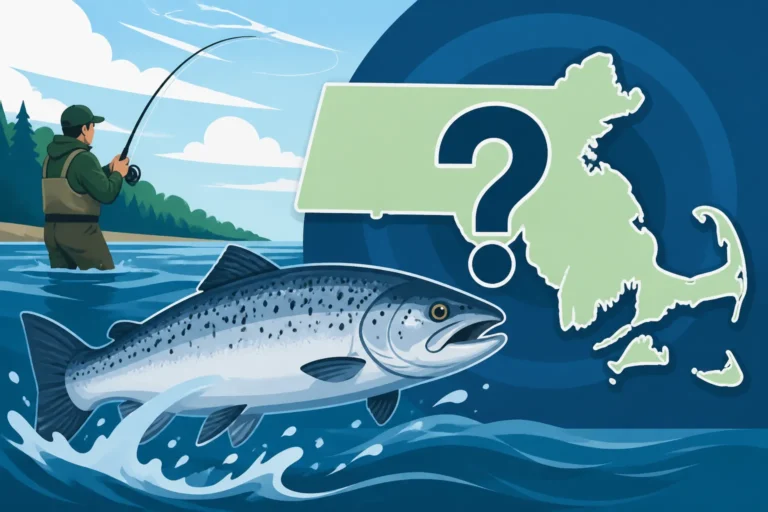
Many anglers in Massachusetts dream of the thrill of catching a powerful, elusive fish, and for those who set their sights on the Quabbin Reservoir, the Atlantic Salmon often tops that wish list. However, chasing these magnificent fish in such a vast and regulated body of water can feel incredibly daunting, leaving many unsure where to start with licenses, specific rules, and effective techniques. This comprehensive guide is designed to cut through that confusion, giving you all the in-depth information you need to successfully pursue Atlantic Salmon in the truly special waters of the Quabbin Reservoir.
The Unique Story of Atlantic Salmon in Quabbin Reservoir
The Quabbin Reservoir isn't just a magnificent body of water; it's a testament to ambitious conservation efforts, particularly when it comes to species like the Atlantic Salmon. For many, the idea of catching an Atlantic Salmon, traditionally associated with wild, cold rivers of the North Atlantic, in an inland Massachusetts reservoir might seem unusual. But Quabbin offers a unique landlocked fishery that draws passionate anglers from all over.
A Legacy of Restoration: Why Atlantic Salmon are Here
The presence of Atlantic Salmon in Quabbin Reservoir is no accident; it's the result of decades of dedicated management by the Massachusetts Division of Fisheries and Wildlife (MassWildlife). Originally, native Atlantic salmon runs were a prominent feature of many New England rivers, but habitat destruction, damming, and overfishing led to their dramatic decline. In Quabbin, the goal wasn't just to introduce a new game fish, but to foster a robust, sustainable population of landlocked Atlantic Salmon, distinct from their anadromous (sea-run) cousins, but equally prized for their fighting spirit and beauty.
These efforts began with initial stockings aimed at establishing a strong forage base and a thriving population. Quabbin's deep, cold waters and ample supply of smelt, a key prey fish, make it an ideal environment for salmon to not just survive, but truly flourish. Anglers who appreciate the history behind their catch often feel a deeper connection to these fish, understanding that each salmon hooked represents a success story in environmental stewardship.
Distinguishing Quabbin's Landlocked Salmon
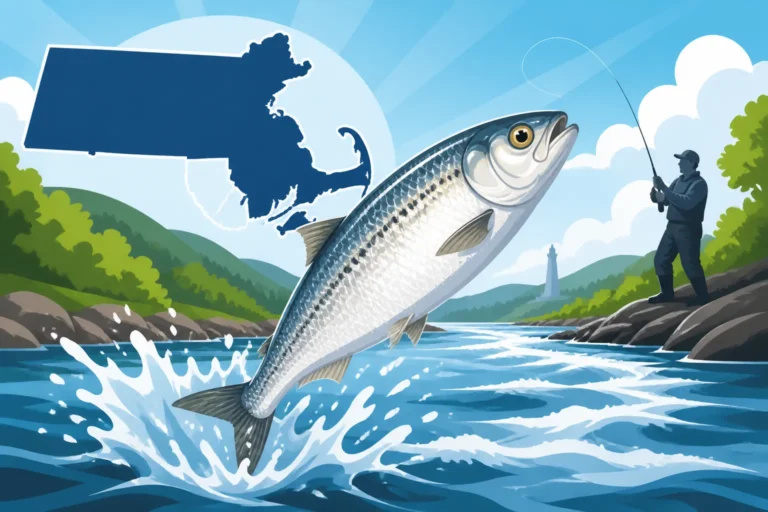
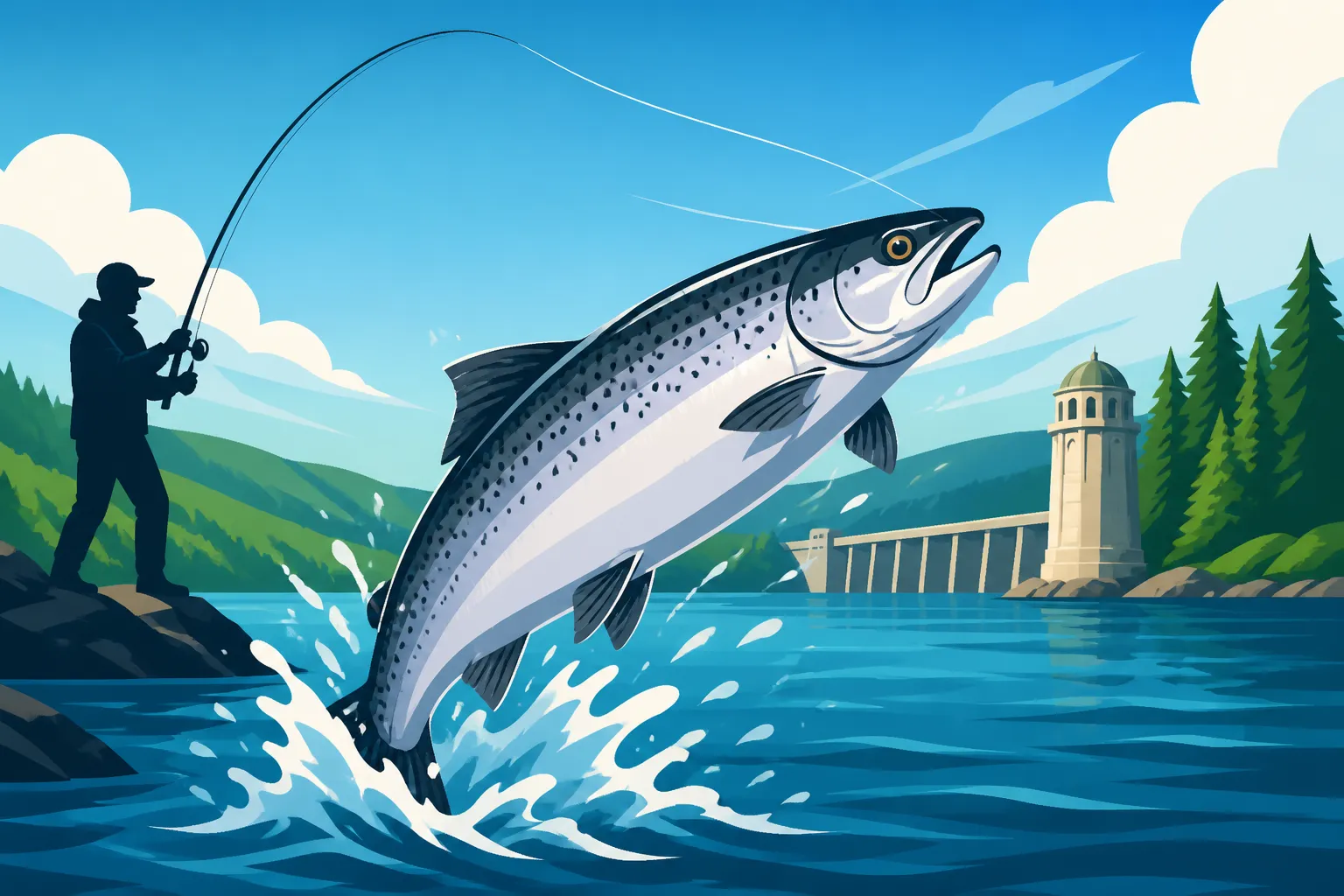
While genetically identical to their sea-run relatives, the Atlantic Salmon in Quabbin Reservoir exhibit distinct characteristics due to their landlocked existence. They spend their entire lives within the freshwater system, never migrating to the ocean. This impacts their size, coloration, and even their feeding habits, making them a unique challenge and reward for anglers. They typically grow to impressive sizes, often reaching well over twenty inches, and display beautiful silver flanks with dark spots, sometimes taking on a bronze hue, especially in the fall.
It's important to differentiate these beauties from other salmonids in the reservoir, such as various trout species, which can sometimes be confused, especially by less experienced anglers. Landlocked salmon tend to have a more streamlined, torpedo-shaped body compared to the stockier build of many trout, and their tails are typically more deeply forked. Knowing these subtle differences is crucial not only for identification but also for adhering to specific regulations that may apply to salmon versus trout.
The Role of Stocking in Maintaining the Fishery
The vibrant Atlantic Salmon fishery in Quabbin Reservoir is largely sustained through MassWildlife's consistent stocking programs. Unlike self-sustaining wild populations found in some remote rivers, the Quabbin's salmon rely on these infusions to maintain their numbers and genetic diversity. MassWildlife meticulously raises Atlantic Salmon fingerlings and yearlings in their hatcheries, releasing them into the reservoir when they are strong enough to thrive.
These stocking efforts are carefully planned to ensure a healthy age class distribution and to provide ample angling opportunities. It's a continuous, science-based process that involves monitoring the salmon population, assessing the health of the forage base, and adapting stocking strategies as needed. This proactive management ensures that anglers today and in the future can continue to experience the thrill of targeting these magnificent fish in Quabbin's pristine waters. Understanding that the fish you're targeting are part of this grand management scheme can add another layer of appreciation to your fishing experience.
Navigating Regulations for Quabbin Atlantic Salmon
Fishing Quabbin Reservoir, especially for prized species like Atlantic Salmon, comes with its own set of rules and regulations. These aren't just arbitrary guidelines; they are crucial measures designed to protect the water quality, conserve the fishery, and ensure a safe experience for all visitors. Ignoring them can lead to significant penalties, so understanding every detail is paramount. You really can't just show up and cast a line without doing your homework first.
Essential Licenses and Permits for Quabbin Fishing
Before you even think about what lure to tie on, you absolutely need to make sure your paperwork is in order. To fish for Atlantic Salmon in Quabbin Reservoir, you must possess a valid Massachusetts freshwater fishing license. This is non-negotiable for anyone over the minimum age requirement. Beyond the general license, Quabbin Reservoir has unique requirements because it's a primary drinking water supply for millions of people.
Specifically, anglers need to obtain a special Quabbin Access Permit. This permit, typically free, can be acquired through the Massachusetts Department of Conservation and Recreation (DCR), which manages the reservoir. You'll need to sign an agreement acknowledging the strict rules regarding contamination and access. This dual requirement – a state fishing license and a DCR Quabbin Access Permit – often trips up first-time visitors, so make sure both are secured well in advance of your trip. You can find comprehensive details about these requirements in our Quabbin Reservoir Fishing Permits and Rules in Massachusetts guide. For information on how to acquire your state license, check out How MassFishHunt Works for Buying a Massachusetts License.
Specific Rules for Atlantic Salmon at Quabbin
The rules for Atlantic Salmon in Quabbin are quite specific and often differ from general freshwater fishing regulations in other parts of the state. These regulations are designed to protect this valuable sportfish and ensure its long-term viability. For example, there are often strict size limits and daily bag limits that you must adhere to. These limits can change from year to year based on stock assessments and conservation goals, so always consult the most current MassWildlife fishing regulations pamphlet before you head out.
A critical aspect of Quabbin fishing, especially for salmon, often revolves around the use of certain types of bait or tackle. For instance, specific areas might prohibit the use of live bait to prevent the introduction of invasive species or diseases. Always verify the allowed methods for your target species and location. Furthermore, there are designated fishing areas within Quabbin, and restrictions on which shorelines or boat launches can be used. Our What license you need to fish at Quabbin Reservoir article provides additional clarity on these specific nuances.
Understanding Catch and Release Practices
While harvesting a legal-sized Atlantic Salmon can be a rewarding experience, many anglers at Quabbin practice catch and release, particularly for larger or wilder specimens, to support conservation efforts. If you plan to release fish, it's crucial to understand proper catch and release techniques to minimize stress and injury to the fish. This means using appropriate gear that allows for quick landing, minimizing handling time, and keeping the fish in the water as much as possible.
Barbless hooks are highly recommended, as they make removal much easier and reduce tissue damage. Always have a pair of pliers or a hook remover readily accessible. When handling the fish, wet your hands thoroughly to protect its protective slime coat. Avoid squeezing the fish, especially around its gills or belly. If you must photograph it, do so quickly and keep the fish low over the water. Releasing a fish properly ensures it has the best chance of survival and can contribute to future spawning, perpetuating the thrilling fishery for everyone.
Optimal Times and Seasons for Quabbin Salmon Success
Timing is everything when it comes to consistently catching Atlantic Salmon at Quabbin Reservoir. These fish are highly sensitive to water temperature, light conditions, and the availability of their primary food source, smelt. Understanding their seasonal movements and daily patterns will significantly increase your chances of a successful outing.
Spring: Ice-Out to Early Summer Opportunities
Spring at Quabbin, from ice-out through late May or early June, is arguably the most productive time to target Atlantic Salmon. As the ice recedes, the entire water column is a uniform, cold temperature, allowing salmon to roam freely and feed actively near the surface or in shallower waters. This is when they are often most accessible to shore anglers and boaters alike. The smelt, their main prey, are also active and often schooling near the surface or along shorelines.
Anglers often find success trolling shallow-running lures or even casting spoons and stickbaits near structure or along drop-offs. The salmon are hungry after the winter, and with cooler water temperatures, they are vigorous fighters. Pay close attention to the early spring dates, as the Quabbin Reservoir 2026 boat fishing season opening date is a highly anticipated event, signalling the official start of prime salmon action. This is the window where you can often intercept fish cruising close to the surface, making for some exciting visual strikes.
Fall: The Cool Water Run
Just like in spring, the cooler water temperatures of fall, typically from mid-September through November, bring Atlantic Salmon back to more accessible depths and shorelines. As the water cools down from summer highs, salmon become much more active, often chasing schools of smelt. This period can offer some fantastic fishing, often characterized by more aggressive strikes as the fish feed heavily in preparation for winter.
During the fall, salmon might also congregate near river mouths or areas of current as they approach spawning age. While they don't reproduce successfully in Quabbin's system due to the lack of natural spawning habitat, these instinctual movements can concentrate fish, making them easier to locate. Trolling is still a highly effective method, but don't overlook casting from shore in specific access areas, particularly during low light conditions or on overcast days when fish might be closer to the surface. It's a truly picturesque time to be on the water, with the vibrant foliage of central Massachusetts as your backdrop.
Daily Patterns and Weather Considerations
Beyond the seasons, daily patterns and weather play a critical role in salmon fishing success. Atlantic Salmon are generally most active during low-light conditions – dawn and dusk are often prime times. During the brighter parts of the day, especially in warmer months, they tend to retreat to deeper, cooler waters. Overcast days or periods of light rain can extend these productive low-light conditions, keeping fish active longer.
Weather fronts can also influence salmon behavior. A stable period of weather, especially a few days of consistent conditions, tends to make fish more predictable. Conversely, rapidly changing weather, such as an approaching cold front, can sometimes trigger a feeding frenzy before the conditions worsen, or shut them down entirely afterward. Always check the forecast and consider how recent weather might have influenced the fish. Many experienced Quabbin anglers swear by particular wind directions or barometric pressure trends that seem to correlate with the best salmon bites, so paying attention to these details can give you an edge.
Mastering Techniques and Tackle for Quabbin Atlantic Salmon
Successfully catching Atlantic Salmon in Quabbin Reservoir requires a blend of appropriate techniques and specialized gear. These fish are known for their powerful runs and aerial acrobatics, demanding tackle that can handle the fight and methods that can effectively locate them in such a large, deep body of water.
Trolling Strategies: Covering Water Effectively
Trolling is hands down one of the most productive methods for targeting Atlantic Salmon in Quabbin. It allows you to cover vast amounts of water, presenting your lure or bait at various depths and speeds until you locate active fish. The key to effective trolling is precise depth control and varying your presentation. You'll want to experiment with different speeds, typically between 1.5 to 3 miles per hour, and use depth-finding equipment to stay within the preferred temperature zones and over potential salmon holding areas.
Downriggers, planer boards, lead core line, or snap weights are essential tools for getting your offerings to the correct depth. Many anglers run multiple lines at different depths and distances from the boat to maximize their chances. Popular trolling lures include small spoons (like Sutton, Mooselook Wobbler, or Little Cleo), stickbaits (such as Rapala or Bomber Long A), and even fly and dodger/flasher combinations. The specific color and size often depend on light conditions and what the smelt are doing, so having a good selection is crucial.
Casting and Fly Fishing Approaches
While trolling dominates, casting and fly fishing can be incredibly effective, especially during specific times of the year or in particular access areas. In spring and fall, when salmon might be cruising closer to shore or near surface breaks, casting from a boat or designated shore access points can yield exciting results. Long-casting spoons, swimbaits, or even heavy streamers can entice a strike from an active fish.
For the dedicated fly angler, Quabbin offers challenging but rewarding opportunities. While not a typical "river" fly fishing scenario, stripping large streamer patterns (like Grey Ghost, Black Ghost, or smelt imitations) from a boat or accessible shoreline during periods of high salmon activity can be highly effective. The key is to match the local smelt population in size and color as closely as possible. Presentation is crucial; a smooth, rhythmic retrieve mimicking a wounded baitfish is often what triggers a strike. This method requires patience but offers an unparalleled connection to the fish when one hits.
Essential Gear: Rods, Reels, and Lures
Having the right gear makes all the difference when fighting a powerful Atlantic Salmon. For trolling, a medium-light to medium power rod, typically 7 to 9 feet long with a moderate fast action, is ideal. This length provides good leverage and shock absorption for the salmon's powerful runs. Match this with a reliable spinning reel or a small baitcasting reel spooled with 8-12 pound monofilament or fluorocarbon leader, and potentially braided mainline for sensitivity and strength. Look for reputable brands; you can often find great deals on quality gear on Amazon.
When it comes to lures, variety is key. As mentioned, spoons, stickbaits, and fly-and-flasher combos are staples. Consider different colors – silver, gold, blue/silver, firetiger, and natural smelt patterns are often top producers. Having a selection of different sizes allows you to adapt to the size of the forage base. Don't forget a good quality landing net with a soft, knotless mesh to protect the fish if you plan on catch and release. Also, a comfortable life jacket is a must, especially if you're boating, and you can easily find a range of Coast Guard-approved options on Amazon that combine safety with comfort. Our Quabbin Reservoir Fishing Guide for Massachusetts Anglers provides more extensive gear recommendations.
| Method | Recommended Rod Type | Line Weight (main/leader) | Primary Lure/Bait Types | Ideal Conditions | Notes |
|---|---|---|---|---|---|
| Trolling | 7-9 ft Medium-Light to Medium Power | 15-20lb Braid / 8-12lb Fluorocarbon | Spoons, Stickbaits, Fly/Flasher Combos | Covering open water, varying depths | Depth control (downriggers, lead core) is crucial. |
| Casting | 6-7 ft Medium Power Spinning/Casting | 8-10lb Monofilament/Fluorocarbon | Spoons, Swimbaits, Heavy Streamers | Shore access, surface activity, current areas | Focus on long casts and natural retrieves. |
| Fly Fishing | 6-8 wt Fast Action Fly Rod | 6-10lb Tippet | Smelt Streamers, Attractor Patterns | Surface feeding, active fish, calmer conditions | Requires skill in casting large flies; often done from a boat. |
Locating and Understanding Quabbin Atlantic Salmon Behavior
Understanding the behavior of Atlantic Salmon in Quabbin Reservoir is paramount to consistent success. These fish are creatures of habit, influenced heavily by water temperature, light, and the distribution of their primary food source: rainbow smelt. Learning where they hide and how they feed will significantly cut down your search time.
Preferred Depths and Structures Throughout the Year
Atlantic Salmon in Quabbin are primarily pelagic, meaning they inhabit the open waters, but they are also highly structured-oriented. Their preferred depth changes dramatically with the seasons. In spring and fall, when the water column is cooler and more uniform, salmon often cruise near the surface, especially during low light, or in the upper 20-30 feet of water. They might be found around large submerged structures, points, or the edges of deep drop-offs where baitfish congregate.
During the warmer summer months, salmon retreat to the cooler, deeper thermal layers, often called the thermocline. This can be anywhere from 30 to 60 feet deep, or even deeper in severe heatwaves. Using a good fishfinder is essential during this time to locate both the thermocline and any schools of baitfish. They will often hold just above or within this cooler water, ambushing unsuspecting smelt. In winter, under the ice, they generally remain active in the deeper sections of the main lake basin. Exploring different boat launches like those mentioned in Best Boat Launches on Quabbin Reservoir can give you access to varied structures and depths.
Forage Base and Feeding Habits
The cornerstone of the Quabbin Atlantic Salmon fishery is the abundant population of rainbow smelt. These small, silvery baitfish are the primary food source for salmon, and the salmon's movements and feeding habits are almost entirely dictated by where the smelt are. In spring, smelt often school near the surface and along shorelines as they move to spawn, bringing the salmon with them. In summer, smelt push deeper, and so do the salmon.
Salmon are ambush predators, often striking with surprising aggression. They'll actively chase schools of smelt, often pushing them to the surface, creating visible "blow-ups" or boils that can alert anglers to their presence. Understanding the typical size of the smelt in the reservoir can help you select the most effective lures – matching the hatch, so to speak. If the smelt are small, use smaller spoons; if they're larger, scale up your presentation. Keeping an eye on what's available for fishing accessories on Amazon can help you stay stocked with a variety of smelt-imitating lures.
Seasonal Migrations and Hot Spots
While "migration" in Quabbin isn't like the sea-run journeys of wild salmon, these landlocked fish do exhibit predictable seasonal movements within the reservoir. As mentioned, they move from deep wintering grounds to shallower areas in spring and fall, often concentrating around certain features. Known hot spots for salmon often include deep points, submerged islands, underwater humps, and areas near the deeper boat launches.
For instance, areas surrounding the William E. Pula Fishing Area are known to hold good numbers of salmon, especially in the productive seasons. Studying a good depth map of Quabbin is invaluable for identifying these potential hot spots. The salmon will also follow the larger schools of smelt, so tracking baitfish on your electronics is key to finding the predators. Our Best fishing area at Quabbin Reservoir for salmon guide delves deeper into specific locations that tend to be productive. Remember that while there are known areas, exploring new water, especially away from the crowds, can sometimes lead to an even more rewarding catch.
The Future of Atlantic Salmon Fishing in Quabbin
The Atlantic Salmon fishery in Quabbin Reservoir is a precious resource, maintained through a combination of natural conditions, dedicated management, and responsible angling. Its future relies heavily on ongoing conservation efforts and the cooperation of the fishing community.
MassWildlife's Ongoing Management and Research
MassWildlife plays a pivotal role in ensuring the long-term health and vitality of the Quabbin Atlantic Salmon population. Their work involves a multi-faceted approach, starting with the careful rearing of salmon in hatcheries for stocking. They conduct regular surveys to assess fish health, growth rates, and population densities, using this data to make informed decisions about stocking numbers, locations, and genetic diversity. This scientific approach helps to optimize the fishery and address any challenges that may arise, such as disease outbreaks or changes in the smelt population.
Beyond direct fish management, MassWildlife also works closely with the DCR to monitor water quality, control invasive species, and manage public access. This holistic approach ensures that the entire Quabbin ecosystem remains healthy, providing the ideal environment for Atlantic Salmon and other coldwater species to thrive. Anglers are often encouraged to report their catches (especially tagged fish) and provide feedback, contributing valuable data to these ongoing research efforts.
Responsible Angling and Conservation Practices
Every angler has a part to play in preserving the Atlantic Salmon fishery at Quabbin. Practicing responsible angling is not just about following the rules; it's about adopting an ethos of conservation. This includes adhering strictly to all size and bag limits, which are designed to protect various age classes of fish and ensure a sustainable harvest. If you're not planning to keep your catch, mastering proper catch and release techniques is absolutely vital to minimize stress and injury to the fish, allowing them to swim off and fight another day.
Beyond the fish themselves, responsible angling extends to respecting the environment. This means practicing "leave no trace" principles: packing out all your trash, avoiding the introduction of any foreign bait or organisms, and respecting the sensitive shoreline areas and designated access points. Information about general fishing rules can be found in our Massachusetts Fishing License Guide and Massachusetts Freshwater Fishing License Costs and Rules. By being mindful of your impact, you contribute to keeping Quabbin Reservoir pristine for both its aquatic inhabitants and future generations of anglers.
Beyond the Catch: The Value of the Quabbin Experience
While landing a magnificent Atlantic Salmon is undoubtedly the ultimate goal for many, the Quabbin experience offers so much more. The reservoir is a place of incredible natural beauty, a vast expanse of clean water surrounded by undeveloped forests, offering a true escape into the wilderness. Just being on the water, whether in a private boat (with the appropriate permits, as detailed in How to get a Quabbin Reservoir boat permit) or a DCR rental boat, provides a sense of peace and connection to nature that is increasingly rare.
The anticipation of a strike, the strategic planning, the camaraderie with fellow anglers, and the sheer majesty of the landscape all contribute to an unforgettable experience. Even on days when the salmon aren't biting, the opportunity to observe wildlife, enjoy the tranquility, and simply exist in such a special place holds immense value. The Atlantic Salmon are a jewel in Quabbin's crown, but the overall Quabbin adventure is truly a treasure for all who visit.
Disclaimer
This article is for general informational purposes only and does not constitute professional advice. Laws, prices and regulations vary by location and change over time. Consult a qualified professional for guidance on your specific situation.