Where smallmouth bass live in Massachusetts
If you've ever found yourself staring at a beautiful Massachusetts waterway, wondering where those elusive smallmouth bass might be hiding, you're certainly not alone. These feisty, hard-fighting fish are a true prize for any angler, but knowing their preferred haunts is half the battle. This guide is dedicated to pulling back the curtain on exactly where smallmouth bass choose to live across our diverse Massachusetts landscape, helping you dial in your next fishing adventure.
Understanding Smallmouth Bass Habitat Preferences
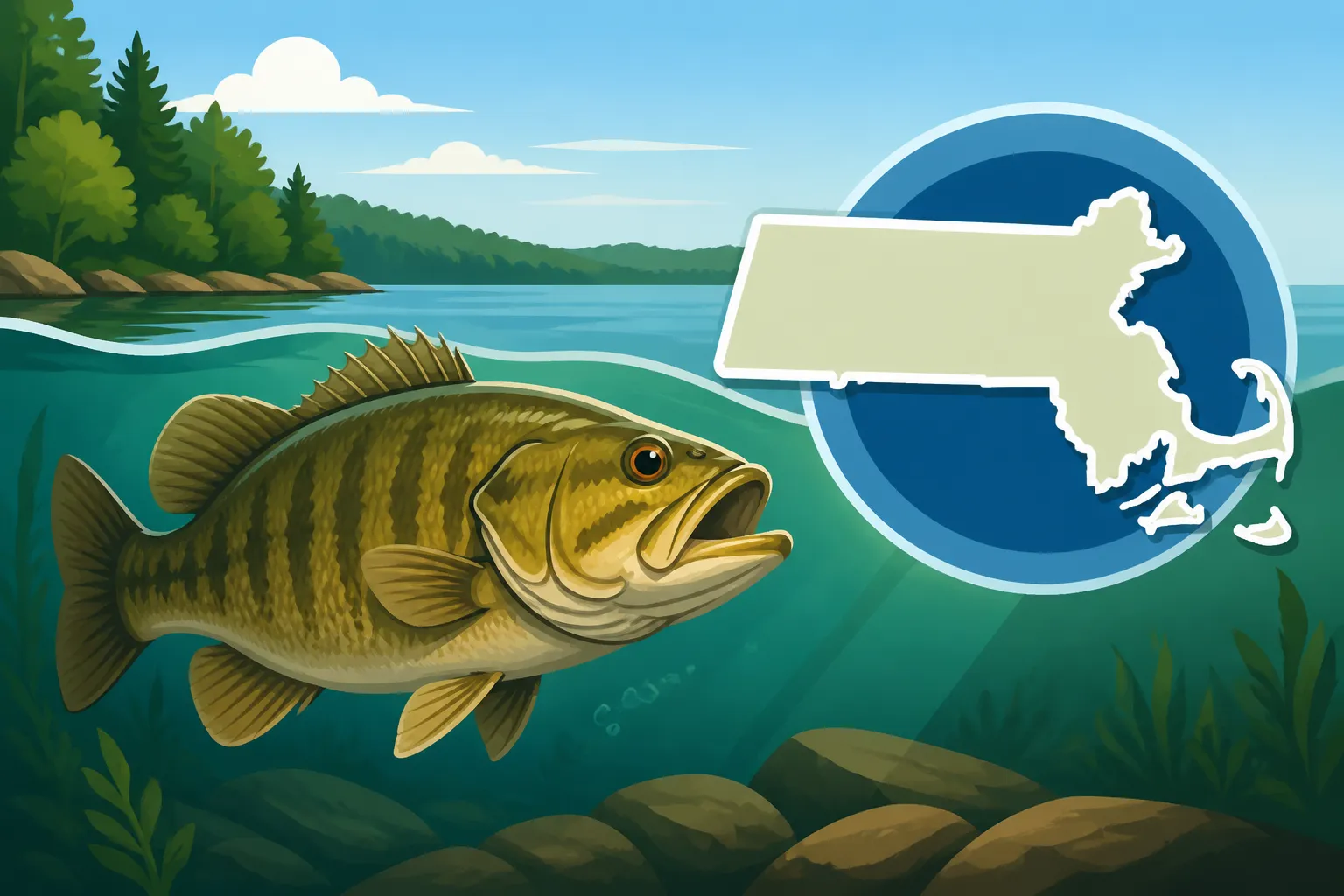
Smallmouth bass, often affectionately called "smallies," aren't just found anywhere; they have very specific preferences when it comes to their home turf. Unlike their largemouth cousins, who often lurk in weedy, murky shallow waters, smallmouths are generally creatures of clear, cooler water with a distinct affinity for structure. Think of them as the rock climbers and current riders of the freshwater world.
The Allure of Rocks and Current
One of the absolute biggest giveaways for smallmouth bass habitat is the presence of rocks and current. These fish thrive in areas with rocky bottoms, gravel, and boulders. Why? Well, these rocky structures provide perfect ambush points for prey, offer shelter from strong currents, and are often teeming with the crayfish, insect larvae, and smaller baitfish that smallmouth love to munch on. If you're fishing a river, look for eddies behind large rocks, current seams, and riffles where the water tumbles over a rocky bottom. In lakes, think about rocky points, ledges, and deep humps. Massachusetts Freshwater Fishing Season Calendar can help you plan your trips around when these fish are most active in their preferred environments.
Current is another critical factor. While largemouth prefer still or slow-moving water, smallmouth are built for the fight against a river's flow. They'll often position themselves just out of the main current, in a "cushion" of slower water, waiting for food to drift by. This energy efficiency allows them to ambush unsuspecting prey with a burst of speed. So, when you're scouting a river, don't just cast into the fastest water; look for the transitions, the seams, and the calm pockets adjacent to the flow.
Water Clarity and Temperature
Smallmouth bass generally prefer clearer water than largemouth. This clarity isn't just about aesthetics; it plays a crucial role in their hunting strategy. Smallmouth are highly visual predators, relying on their keen eyesight to spot prey. Murky, turbid water can hinder their ability to feed effectively. While they can tolerate some turbidity, you'll typically find them in healthier, cleaner waterways.
Temperature also dictates their preferred living spaces. Smallmouth are cold-water tolerant and prefer cooler environments than largemouth, especially during the peak of summer. In a river, this often means deeper pools or stretches with cooler springs feeding into them. In lakes, they'll retreat to the thermocline – that layer where water temperature rapidly changes – seeking comfortable, oxygen-rich depths. Understanding this thermal preference is key to locating them, especially as seasons change.
Smallmouth vs. Largemouth Habitat at a Glance
To give you a clearer picture, here's a quick comparison of what separates the smallmouth's preferred abode from the largemouth's. This distinction is crucial for anglers trying to decide what species to target in a given body of water. Largemouth vs Smallmouth Bass in Massachusetts goes into more detail, but this table provides a handy overview.
| Habitat Feature | Smallmouth Bass Preference | Largemouth Bass Preference |
|---|---|---|
| Water Type | Clear, cool, flowing rivers; deep, clear lakes | Murky, warmer, still or slow-moving ponds; vegetated lakes |
| Bottom Structure | Rocks, gravel, boulders, ledges, submerged wood | Heavy vegetation (lily pads, hydrilla), stumps, docks |
| Current | Strong preference for current; position in eddies/seams | Little to no current; avoids strong flows |
| Cover | Rocky outcrops, submerged boulders, current breaks | Weeds, fallen trees, brush piles, docks, shaded banks |
| Depth | Often deeper in lakes, current-adjacent in rivers | Often shallower, especially in vegetated areas |
| Forage | Crayfish, insect larvae, minnows, sculpins | Panfish, frogs, shiners, worms, larger insects |
When you're looking for fishing gear to match these different habitats, you might find a great selection of river fishing essentials, like crankbaits designed to bounce off rocks, or soft plastics mimicking crayfish, on Amazon.
Key Massachusetts Rivers for Smallmouth Bass
Massachusetts is blessed with several fantastic river systems that are prime smallmouth bass territory. These waterways offer a dynamic environment where current, rock, and depth converge to create ideal conditions.
The Connecticut River
The Connecticut River is arguably one of Massachusetts' premier smallmouth bass fisheries. Flowing through the western part of the state, this large river offers a diverse range of habitats. You'll find smallmouth thriving in the stretches with rocky bottoms, gravel flats, and moderate current. Look for them around bridge pilings, submerged rock piles, and particularly below dams where the water is oxygenated and the current creates inviting eddies.
Anglers often focus on sections from the Vermont border south through towns like Northfield, Gill, and further down past Northampton and Holyoke. The river's character changes, offering both wider, slower sections and more turbulent, rocky areas. Access points are numerous, from public boat ramps to shore fishing spots. The key is to find those areas with classic smallmouth habitat – current breaks, rocky ledges, and clear water. For specific locations, checking out Connecticut River Fishing in Massachusetts can provide more granular detail.
The Deerfield River
While renowned for its trout fishing, the Deerfield River in Western Massachusetts also holds a respectable population of smallmouth bass, especially in its lower sections. The river's cold, clear waters and rocky stretches, particularly after it warms up a bit below the major trout-designated areas, become inviting to smallmouth. You'll often find them in the deeper pools and runs, especially where tributaries flow in, bringing in extra nutrients and baitfish.
The section from Shelburne Falls downstream towards the Connecticut River is a good place to start. While fly anglers target trout, conventional tackle users can often hook into some solid smallies. It's a beautiful river to fish, offering both wading opportunities and access for canoes or kayaks. If you're looking for detailed advice on targeting trout here, Deerfield River Trout Fishing Spots in Massachusetts is a fantastic resource, but many of those rocky areas will hold smallmouth too.
The Housatonic River
In the picturesque Berkshire region, the Housatonic River provides another excellent opportunity for smallmouth bass. This river, particularly the sections in central and southern Berkshire County, features varied flows, rocky bottom, and a mix of pools and riffles that smallmouth find irresistible. It's a meandering river that offers both solitude and exciting fishing.
Look for smallmouth around fallen trees, rock gardens, and anywhere the current creates a distinct seam or eddy. Access can be a mix of public lands and areas requiring permission, so always be mindful of private property. The Housatonic can be waded in many sections during lower flows, or fished from a kayak or canoe. For more insights on fishing this beautiful Western Massachusetts waterway, you might want to read Housatonic River Fishing in the Massachusetts Berkshires.
The Merrimack River
Up in northeastern Massachusetts, the Merrimack River also hosts a healthy population of smallmouth bass. This large tidal river offers a unique environment, with smallmouth often found further upstream where the freshwater influence is stronger and the current is more pronounced. However, they can also adapt to the brackish water and tidal influences found further downstream, especially around structures.
Focus your efforts on the sections above the tidewater, particularly around areas with rock piles, submerged timber, and swift current. Towns like Lowell, Lawrence, and Haverhill have various access points. The Merrimack is wide and powerful, so boat access is often preferred, though shore anglers can find success around public parks and bridges. To get the lay of the land, Merrimack River Fishing Spots Near Haverhill and Lowell, Massachusetts can be a great starting point for your research. Many anglers browse specialized tackle and local river maps on Amazon to prepare for a Merrimack River outing.
Top Massachusetts Lakes and Ponds for Smallmouth Bass
While rivers often get the spotlight for smallmouth, Massachusetts' larger lakes and deeper ponds also offer exceptional opportunities. These stillwater environments present different challenges and rewards, often holding bigger, bulkier smallmouth.
Lake Quinsigamond
Located right in the heart of Worcester, Lake Quinsigamond is a fantastic urban fishery known for its smallmouth bass. This long, deep lake offers plenty of classic smallmouth habitat: rocky points, sharp drop-offs, submerged humps, and areas with good water clarity. Anglers often find success targeting the numerous docks, bridge pilings, and rock piles throughout the lake.
The key to fishing Quinsigamond for smallmouth is to focus on structure and depth. During warmer months, they'll often retreat to deeper, cooler water, only coming shallower to feed during low light or when baitfish push up. Early mornings and late evenings can be particularly productive. There are several boat ramps and shore access points, making it a popular spot for local anglers. Delving into Lake Quinsigamond Fishing Spots in Massachusetts will give you more specific areas to explore.
Otis Reservoir
Down in the scenic Berkshires, Otis Reservoir is another excellent destination for smallmouth bass. This large body of water, formed by a dam on the Farmington River, is characterized by its clear water, rocky shoreline, and varied depths. It's a popular recreational lake, but don't let the pleasure boaters deter you; the smallmouth are there, often holding to deeper structure.
Look for smallmouth around the numerous islands, rocky shoals, and underwater points. The expansive nature of Otis Reservoir means that a boat or kayak is often the most effective way to cover water and find these fish. Patience and electronics to find submerged structure can be very rewarding here. For more details on this picturesque fishing locale, consult Otis Reservoir Fishing Spots.
Quabbin Reservoir
While often highlighted for its salmon and lake trout, Quabbin Reservoir also harbors a population of smallmouth bass, particularly in certain areas. The smallmouth here often reach impressive sizes due to the abundant forage and vast, deep waters. Fishing Quabbin requires specific permits and adheres to strict regulations, but the rewards can be significant.
Smallmouth at Quabbin are typically found around the numerous rocky islands, submerged foundations, and steep drop-offs. They prefer the clearer, cooler sections of the reservoir. Due to its size and the regulations on motors, it's a unique smallmouth experience. Anglers often use electronics to pinpoint structure in its vastness. Always make sure you understand the Quabbin Reservoir Fishing Permits and Rules in Massachusetts before planning a trip.
General Lake and Pond Characteristics
Beyond these specific lakes, if you're exploring other bodies of water in Massachusetts, look for these characteristics if you're hoping to find smallmouth:
- Clear Water: A consistent theme, smallmouth prefer good visibility.
- Rocky Bottoms and Structure: Ledges, boulders, riprap, and gravel beds are key.
- Good Depth: Especially important in larger lakes, smallmouth will use deeper water for thermal refuge and ambush points.
- Cooler Temperatures: While they are bass, they prefer slightly cooler water than largemouth, making them more common in deeper lakes or those fed by cool springs.
Seasonal Movements and Best Times to Target Smallmouth
Understanding where smallmouth live also means understanding when they live there. Smallmouth bass are creatures of habit, and their locations change dramatically with the seasons and water temperature fluctuations. Knowing these movements is paramount to consistent success.
Spring: Spawning and Shallow Water
As water temperatures climb into the 50s and low 60s Fahrenheit, usually from late April through June in Massachusetts, smallmouth bass move into shallower waters to spawn. This is a prime time to target them, as they become more accessible and aggressive. Look for them on rocky flats, gravel beds, and protected coves that have a hard bottom. These areas, typically 2-10 feet deep, will be where the males build nests and guard their eggs and fry.
During this pre-spawn and spawn period, smallmouth are often very catchable. They're focused on reproduction and will aggressively strike anything that approaches their nests. This is when lures like tubes, jigs, and suspending jerkbaits fished slowly can be incredibly effective. Remember to practice catch and release, especially with spawning fish, to protect future populations.
Summer: Deeper and Structural
Once the spawn is over and water temperatures rise into the 70s and beyond, smallmouth will typically retreat to deeper, cooler waters, particularly in lakes. In rivers, they'll often stick close to strong currents and oxygenated riffles, or find deep pools and eddies. They're still feeding, but their locations become more precise – tied to structure and thermal refuge.
In lakes, focus on rocky points that drop off quickly, offshore humps, ledges, and deep main lake structure. Fishing with drop shots, deep-diving crankbaits, or Ned rigs can be very effective for probing these deeper areas. In rivers, target the deepest pools, current seams, and areas with submerged boulders. The hotter the day, the deeper they're likely to be during peak sunlight hours. How to Catch Smallmouth Bass in Massachusetts Rivers will give you specific techniques for these scenarios.
Fall: Feeding Frenzy
As autumn arrives and water temperatures begin to cool (from the mid-60s down into the 50s), smallmouth bass enter a period of intense feeding. They know winter is coming, and they need to pack on the calories. This "fall bite" can be incredibly productive, as smallmouth become very active and chase baitfish relentlessly.
You'll find them moving back to shallower rocky areas in lakes, often shadowing schools of baitfish. In rivers, they'll actively feed in current seams, ambush points, and the mouths of tributaries. Crankbaits, jerkbaits, and swimbaits that mimic baitfish are excellent choices during this time. Some of the best smallmouth fishing of the year can happen in the crisp days of fall, right up until the water gets too cold. For selecting the right tackle for this active period, browsing fishing supplies on Amazon can be a great way to discover new lures and techniques.
Winter: Deep and Dormant
When water temperatures drop below 45-50 degrees Fahrenheit, smallmouth bass become much less active. They'll typically move to their deepest wintering holes – large, deep pools in rivers or the very deepest sections of lakes, often congregating in large schools. They're still catchable, but the bite will be subtle and slow.
Ice fishing for smallmouth is possible in some of Massachusetts' deeper lakes and ponds, though it requires patience. Using very small jigs or slow-moving baits, fished vertically, can entice a lethargic smallmouth. Otherwise, river anglers will need to find those deep, slow-moving pools where the fish are holding close to the bottom. Understanding the Massachusetts Freshwater Daily Catch Limits is important, regardless of the season, to ensure you're fishing legally.
No matter the season, patience and persistence are your best friends when targeting smallmouth bass in Massachusetts. Keep a fishing log, pay attention to water temperatures and conditions, and you'll soon unlock the secrets of where these fantastic fish live.
Disclaimer
This article is for general informational purposes only and does not constitute professional advice. Laws, prices and regulations vary by location and change over time. Consult a qualified professional for guidance on your specific situation.