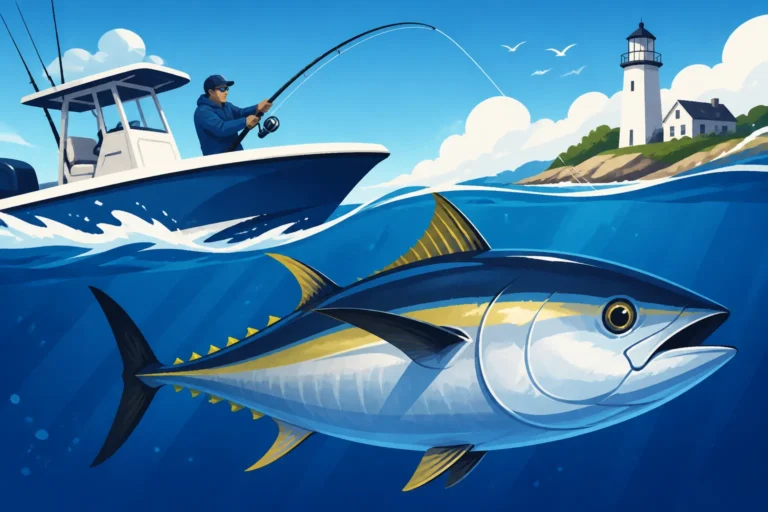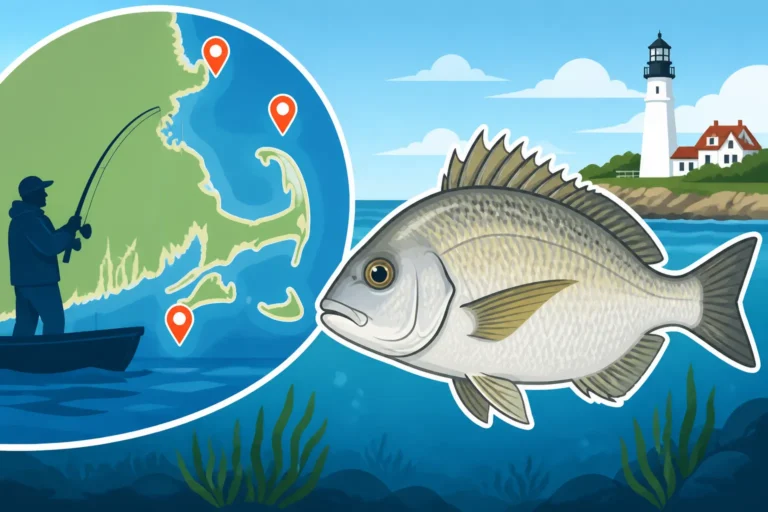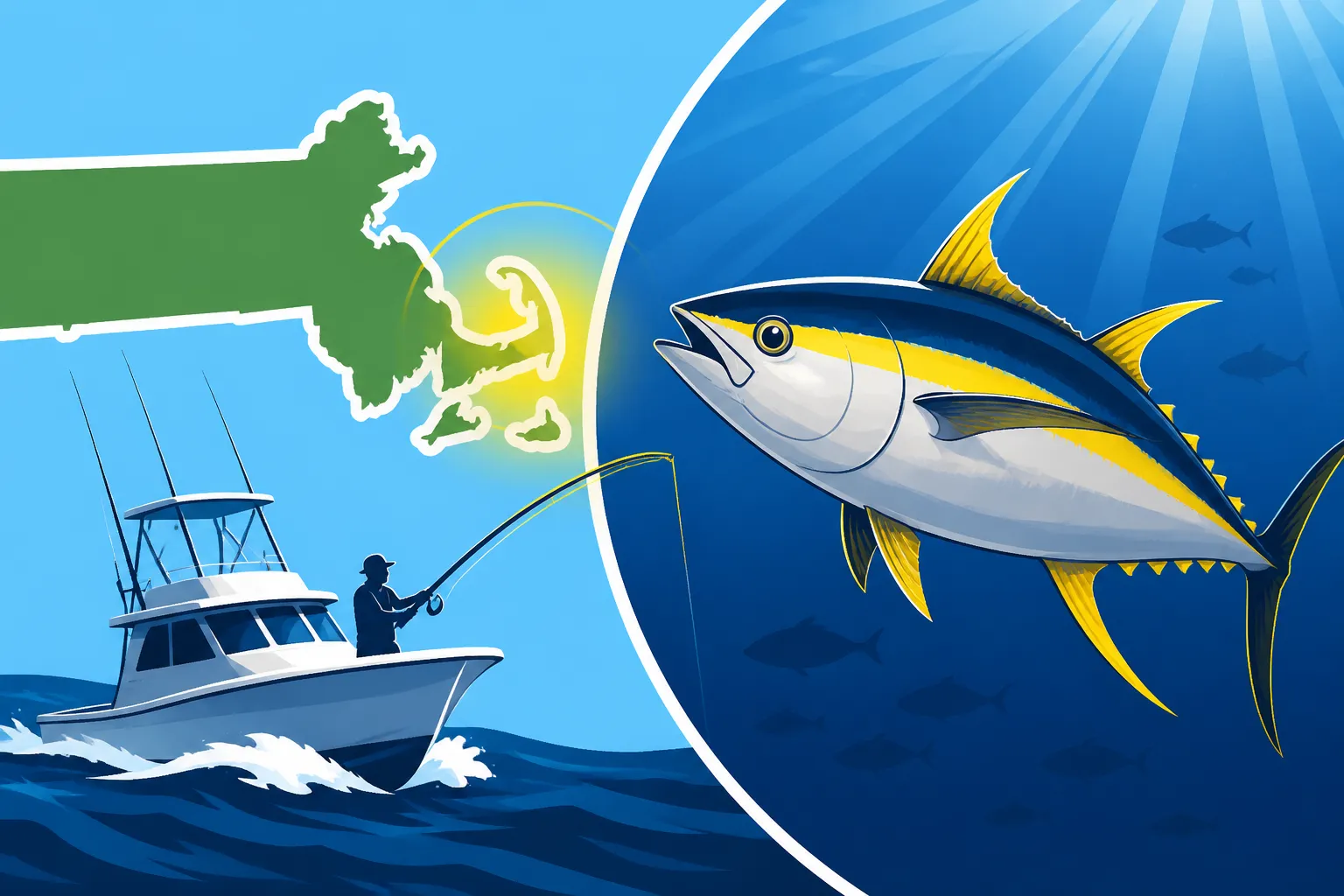
Are Yellowfin Tuna Caught Off Massachusetts?
It’s a common dream for anglers heading out into the vast expanse of the Atlantic off Massachusetts: hooking into a powerful, brightly colored Yellowfin tuna, known for their incredible fight and delicious meat. But if you’ve been doing your research or talking to local captains, you might have noticed a lot more chatter about Bluefin tuna and not so much about their yellow-finned cousins. This guide aims to clear up that confusion, explaining why Yellowfin tuna are indeed a rarity in our local waters and what offshore species you can realistically expect to encounter here in the Bay State.
Understanding Tuna Species in Massachusetts Waters
When we talk about tuna fishing off Massachusetts, there’s one species that reigns supreme and captures most of the headlines: the mighty Bluefin tuna. These incredible fish are a staple of our offshore fishery, but they're not the only pelagic game in town, even if Yellowfin are largely absent.
Bluefin Tuna: Our Local Royalty
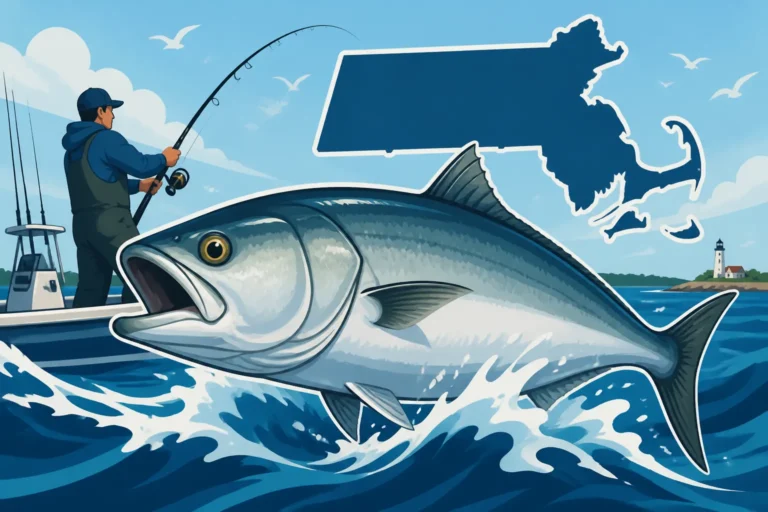
The Bluefin tuna, particularly the Atlantic Bluefin, is truly the king of Massachusetts' offshore waters. These are the fish that draw anglers from all over the world to places like Cape Cod and the Stellwagen Bank. They are massive, powerful, and incredibly challenging to catch, making them a bucket-list species for many. From early summer through the fall, Bluefin migrate through our waters, feasting on mackerel, herring, and other baitfish. Targeting them often involves heavy tackle, specialized boats, and a deep understanding of ocean conditions. If you're looking for a serious offshore tuna challenge in Massachusetts, the Bluefin is your primary target, no question. We've got an entire guide dedicated to Bluefin Tuna Fishing off Massachusetts if you want to learn more.
Less Common Tuna Visitors (But Still Not Yellowfin)
While Bluefin are the main event, Massachusetts waters can occasionally host other, smaller tuna species. You might encounter bonito or false albacore, especially in late summer and early fall around Cape Cod. These speedsters are a blast on light tackle and provide an exhilarating fight. They're often found closer to shore, sometimes even within casting distance from beaches or jetties, unlike the deep offshore haunts of the larger Bluefin. They're not the behemoths of the tuna world, but they offer incredible sport. For more on these exciting catches, check out our guide on Bonito and False Albacore off Cape Cod. However, even these smaller tuna are distinct from Yellowfin, which are a different proposition altogether.
Why Yellowfin Tuna Prefer Warmer Climates
The primary reason you don't hear much about Yellowfin tuna being caught off Massachusetts comes down to their biological preferences, mainly water temperature and their typical migration routes.
Water Temperature and Migration Patterns
Yellowfin tuna are, generally speaking, a warm-water species. They thrive in tropical and subtropical oceans around the globe, where water temperatures are consistently higher than what you typically find off the coast of Massachusetts. Think of places like the Gulf of Mexico, the Caribbean, or even further south along the mid-Atlantic states, where the warm waters are a constant throughout the summer and into the fall.
Massachusetts, while experiencing warm summer months, still sits at a more northerly latitude. Our offshore waters, even at their warmest, are often on the cooler side of what Yellowfin prefer for consistent feeding and breeding grounds. Bluefin, on the other hand, are highly migratory and tolerant of a wider range of temperatures, including the colder, nutrient-rich waters that Massachusetts is famous for. Their robust physiology allows them to regulate their body temperature, making them perfectly suited to chasing baitfish in our cooler climes, while Yellowfin typically hug the thermoclines of warmer currents.
The Gulf Stream Influence: Too Far for Consistency
The powerful Gulf Stream current, which originates in the Gulf of Mexico and flows north along the East Coast, is a key factor in where many pelagic species, including Yellowfin, are found. This warm current acts like a highway for many species, bringing them northward. However, off Massachusetts, the main body of the Gulf Stream typically tracks quite a distance offshore, often hundreds of miles southeast of Cape Cod.
While eddies and filaments of warmer water can occasionally pinch off the main Gulf Stream and swirl closer to our continental shelf, these occurrences are generally sporadic and don't provide the consistent, widespread warm-water conditions that Yellowfin need to establish a regular presence. Bluefin tuna, while also benefiting from these currents, are far more adaptable and can be found in more nearshore and shelf waters in Massachusetts, whereas Yellowfin require that consistent, deep-water warmth that just isn't reliably present here.
The Rare Encounter: When a Yellowfin Might Show Up
While it’s safe to say that Yellowfin tuna fishing is not a staple in Massachusetts, the ocean is a dynamic place, and nature loves to surprise us. There have been extremely rare instances of Yellowfin tuna being caught or sighted in our waters. These are typically anomalies, not reliable patterns.
Anomalous Warm Water Events
Every now and then, unusual oceanographic conditions can push pockets of warmer water further north than usual. This might be due to a particularly strong or persistent eddy spinning off the Gulf Stream, or an extended period of exceptionally warm surface temperatures. When these conditions align, they can create a temporary corridor for warm-water species like Yellowfin tuna to venture outside their usual range.
Think of it like a rogue wave – it happens, but it’s not something you can predict or rely on. An angler fishing hundreds of miles offshore, perhaps targeting Bluefin or swordfish, might, by sheer luck, stumble upon a Yellowfin that has strayed into these temporary warm pockets. These are not common occurrences and certainly don't signal a shift in the primary tuna fishery in Massachusetts, but they do fuel the occasional "you never know" optimism among deep-sea enthusiasts.
Identification Tips for Yellowfin vs. Bluefin
If you ever find yourself offshore and hook into a tuna that doesn't quite look like the Bluefin you're used to, it's worth knowing the key differences. Correct identification is important for recreational anglers, especially given the different regulations that might apply to various species. You can usually tell them apart by a few key features:
| Feature | Bluefin Tuna (Atlantic) | Yellowfin Tuna |
|---|---|---|
| Coloration | Dark metallic blue to black back, gray sides, silver belly | Dark metallic blue back, yellow sides, silver belly with iridescent stripes |
| Pectoral Fins | Relatively short, not reaching past the start of the second dorsal fin (adults) | Longer, often reaching past the start of the second dorsal fin (adults) |
| Dorsal/Anal Fins | Small, yellowish or dusky finlets; short, triangular second dorsal and anal fins | Distinctive bright yellow finlets; long, swept-back second dorsal and anal fins, often described as "sickle-shaped" or "scythe-like" in larger specimens |
| Body Shape | More robust, barrel-chested, generally stockier | More streamlined, torpedo-shaped |
| Size | Can grow to enormous sizes (over 1000 lbs) | Large, but generally smaller than giant Bluefin (rarely over 400 lbs) |
The most distinctive characteristic for Yellowfin is often those bright yellow finlets along the back and belly, and the long, "sickle-shaped" second dorsal and anal fins on larger fish. Remember, even if you do identify a Yellowfin, always double-check local regulations for that species, though specific regulations for Yellowfin in Massachusetts are rare because the fish itself is rare. For more on the species we do catch, take a look at our Bluefin Tuna Size Limits off Massachusetts guide.
Targeting Offshore Species in Massachusetts
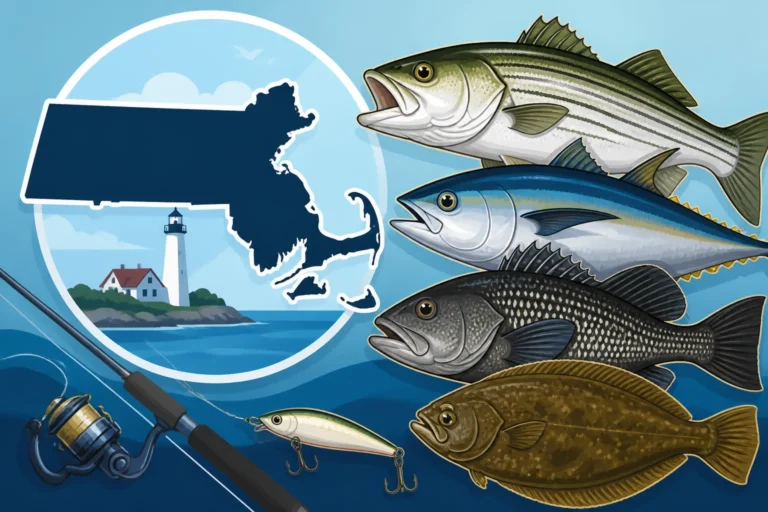
Since Yellowfin tuna aren't a realistic target, what can you pursue if you're looking for that big-game offshore thrill in Massachusetts? Plenty! Our waters offer world-class fishing for several formidable species.
Bluefin Tuna Opportunities
As we've emphasized, Bluefin tuna are the main draw. These incredible fish offer diverse fishing opportunities, from trolling ballyhoo and lures to jigging and popping with heavy artificials. Depending on the time of year and the specific feeding patterns, captains employ a variety of techniques. Many anglers swear by the thrill of a surface strike from a Bluefin exploding on a popper, while others prefer the sustained battle of a trolled spread. If you're serious about chasing these giants, consider booking a charter. There are many excellent operators who specialize in these trips. You can explore options in our Massachusetts Bluefin Tuna Charters guide. Learning the specific techniques like Jigging and Popping for Bluefin Tuna can significantly increase your chances of success. When gearing up for Bluefin, anglers often stock up on specialized offshore gear, from heavy-duty rods and reels to high-quality lures, many of which can be found on Amazon.
Other Pelagic Species and Bottom Fish
Beyond Bluefin, the offshore waters of Massachusetts hold a host of other exciting species. Swordfish, known as "broadbill," are sought after by dedicated deep-drop anglers who fish at incredible depths, often at night. Mako and thresher sharks also roam our offshore areas, providing an intense fight for those targeting them. For shark fishing enthusiasts, checking out Massachusetts Offshore Shark Fishing Charters can provide valuable insights.
Closer to the continental shelf and on various wrecks and reefs, you can find excellent bottom fishing opportunities for species like cod, haddock, pollock, and even some substantial tautog and black sea bass, depending on the season and specific regulations. These trips often require less specialized gear than tuna fishing but still offer a fantastic day on the water with a chance to bring home some delicious table fare.
When preparing for any offshore trip, ensure you have the right safety equipment and understand the conditions. A robust cooler, appropriate fishing attire, and plenty of water are just the start. Many experienced anglers purchase their offshore essentials, from high-quality leader material to spare hooks and swivels, from reliable online retailers like Amazon to ensure they're always well-stocked. If you're buying trolling lures, you might check Amazon for a good selection. Don't forget essentials like a good fighting belt or gaff, which you can also find on Amazon. Many anglers use specialized GPS/sonar units, and you might find deals on accessories or spare parts on Amazon.
While the dream of catching a Yellowfin tuna off Massachusetts might be a very long shot, the reality is that our waters offer some of the most exciting and productive big-game fishing on the East Coast. By understanding what species are truly prevalent and focusing your efforts on them, you'll have a much more rewarding and successful fishing experience in the Bay State. Consider the Best Time of Year to Fish in Massachusetts and specific Massachusetts Saltwater Fishing Seasons to plan your trips for optimal success.
Disclaimer
This article is for general informational purposes only and does not constitute professional advice. Laws, prices and regulations vary by location and change over time. Consult a qualified professional for guidance on your specific situation.