Difference between black and white crappie
It's a classic scenario, isn't it? You've got a stringer full of beautiful panfish from your favorite Massachusetts pond, and as you're admiring your catch, a question pops into your head: "Are these all the same kind of crappie, or do I have a mix here?" Many anglers, new and seasoned alike, grapple with telling the difference between black crappie and white crappie. This guide is here to untangle that confusion, giving you the insider knowledge to confidently identify your catch and even improve your fishing strategy.
A Tale of Two Crappies: Understanding the Basics
Crappie are undeniably one of Massachusetts' most beloved panfish. They're accessible, fun to catch, and absolutely delicious, making them a staple target for anglers across the Commonwealth. But while they share the same general appeal, a closer look reveals they're quite distinct. Think of them as two cousins in the same family, sharing some traits but with unique personalities and looks.
Crappie in Massachusetts Waters
Massachusetts boasts a fantastic array of freshwater fishing opportunities, and crappie thrive in many of our lakes, ponds, and even slower-moving rivers. Both black crappie (Pomoxis nigromaculatus) and white crappie (Pomoxis annularis) are commonly found here, offering abundant angling for those who know where and how to look. They're often grouped under the general "panfish" umbrella, alongside species like sunfish and perch, because of their smaller size and the ease with which they can be caught and cooked in a pan – hence the name! Their presence adds a delightful dimension to the state's freshwater fishing scene, making a day out on the water always exciting, whether you're chasing trophy bass or simply filling a cooler with tasty panfish. For a broader look at some other common catches, check out our guide on Freshwater Panfish Species in Massachusetts.
Why the Confusion?
It's completely understandable why anglers might get these two species mixed up. From a distance, or especially when they're young, black and white crappie bear a striking resemblance. They both have that distinctive, tall, and compressed body shape, large eyes, and a silvery-green to golden hue. They’re both schooling fish, often found in similar habitats, and they strike at many of the same baits and lures. You might catch one after another from the same school, and without a keen eye, assume they're all identical. This superficial similarity, combined with the fact that their coloring can vary slightly depending on the clarity and type of water they live in, makes positive identification a bit of a challenge for the untrained eye. It's a bit like trying to tell apart two slightly different apples from the same orchard – you need to know what subtle features to look for.
Spotting the Differences: Identification Markers
The key to distinguishing between black and white crappie lies in a few reliable physical characteristics. Once you know what to look for, you'll be able to identify them quickly and confidently, impressing your fishing buddies and perhaps even helping you dial in your fishing strategy. It’s all in the details, folks!
Fin Details: Dorsal Fin Spines
This is by far the most reliable way to tell black crappie from white crappie. It's like a secret code written right on their backs! Both species have a dorsal fin that's roughly the same length as their anal fin, but it's the number of stiff, sharp spines within that dorsal fin that gives them away.
- Black Crappie: A black crappie will almost always have 7 or 8 dorsal fin spines. This is their most consistent identifying feature. If you gently feel the front part of their dorsal fin, you'll count those strong spines.
- White Crappie: On the other hand, a white crappie will typically have 5 or 6 dorsal fin spines. This is a significant and easily verifiable difference.
So, the next time you reel one in, simply count those spines. It's a quick, surefire way to make a positive ID. It's much more reliable than trying to judge color or spot patterns, which can sometimes be deceptive.
Body Shape and Coloration
While the dorsal fin spines are the gold standard, there are also noticeable differences in their overall body shape and coloration once you train your eye. These aren't as definitive as the spine count, but they certainly help create a fuller picture.
- Body Shape:
- Black Crappie: Tend to have a body that is a bit more rounded and deeper from back to belly. It gives them a slightly more "stocky" appearance, almost like a perfect circle if viewed from the side.
- White Crappie: Generally have a body that is more elongated and slender. They might appear a bit more torpedo-shaped or oval, especially the larger specimens.
- Coloration and Pattern:
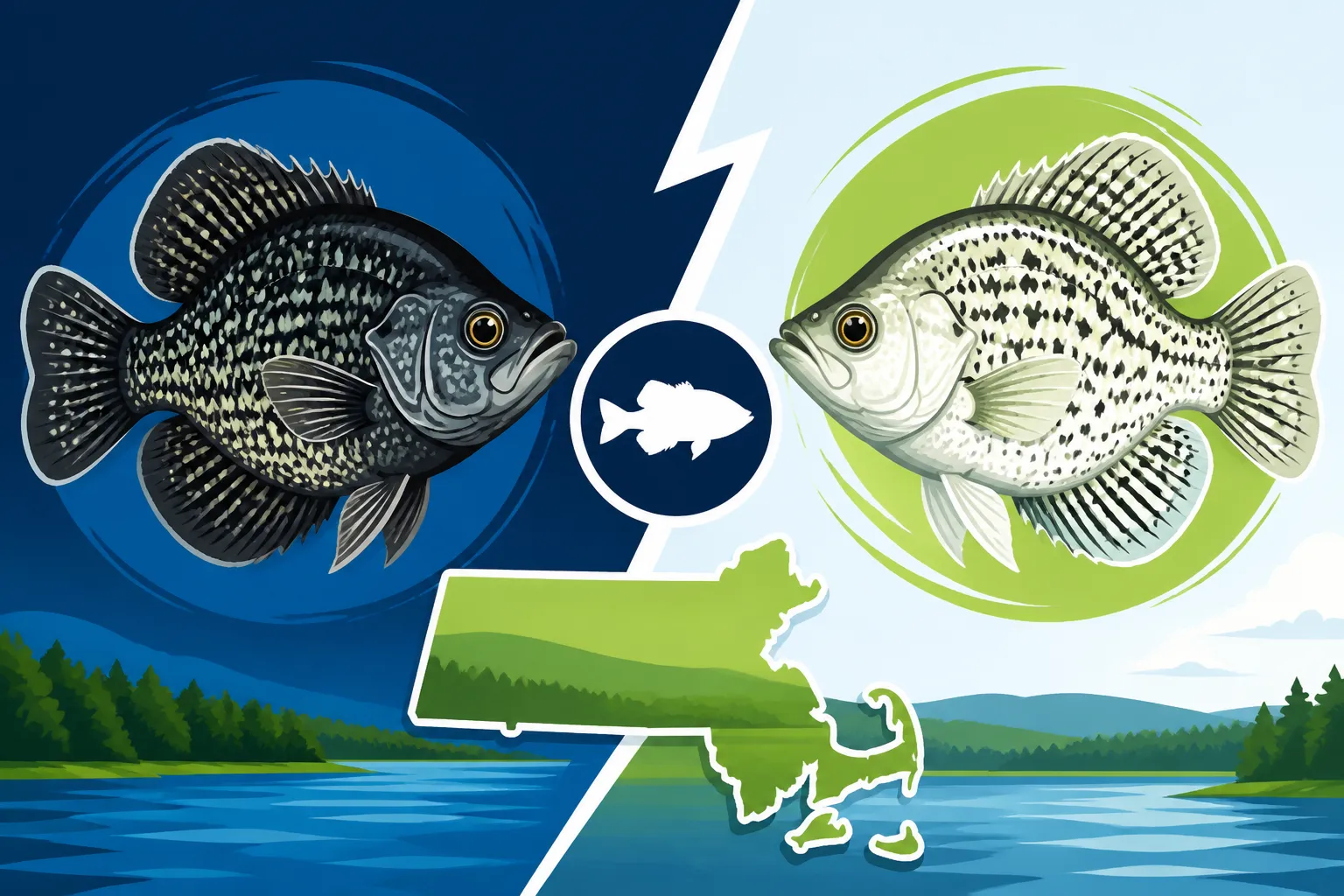
- Black Crappie: Are usually darker, with a silvery to olive-green base color, adorned with numerous irregular, scattered black spots and speckles all over their sides. These spots don't form any distinct pattern, appearing almost splattered on. The overall impression is a darker, almost mottled fish.
- White Crappie: Tend to be lighter in color, a silvery-white or pale green. Their most distinguishing pattern feature is the presence of 5 to 8 faint, vertical dusky bars along their sides. These bars are often more pronounced towards the tail. While they also have spots, they are usually much less prominent than the vertical bars.
It's important to remember that water clarity and diet can influence how vibrant or dull these colors and patterns appear. A crappie from murky water might be paler, for example, than one from crystal clear surroundings. But generally, if you see distinct vertical bars, you're looking at a white crappie; if it's a smattering of pepper-like spots, it's a black crappie.
Mouth and Head Structure
Beyond the fins and body patterns, some subtle distinctions in their head and mouth can also aid in identification, though these are usually harder to discern and require a closer look.
- Head Profile: The head profile of a white crappie tends to be a bit more concave, meaning it curves slightly inward above the eyes, giving its snout a somewhat more pointed appearance. Black crappie typically have a straighter or slightly convex head profile, making their snout appear blunter. This isn't always obvious, especially on smaller fish, but it's another piece of the puzzle.
- Mouth Size: While both species have relatively large mouths for their size, capable of flaring open to engulf prey, some anglers observe that black crappie might have a slightly larger gape. However, this is a very subtle difference and not nearly as reliable as the dorsal fin spine count or even the body coloration patterns. When you're trying to make a quick identification on the water, you're much better off focusing on those primary indicators.
Habitat, Behavior, and Fishing Implications
Understanding the physical differences isn't just for bragging rights; it actually has real-world implications for how you approach crappie fishing in Massachusetts. Knowing which species you're targeting, or which is more prevalent in a particular body of water, can help you select the right spots, baits, and techniques to fill your cooler.
Preferred Habitats in Massachusetts Ponds
While both crappie species can coexist in the same body of water, they often show a preference for slightly different microhabitats. This is where your identification skills really come into play!
- Black Crappie: These fish are generally found in clearer, cooler water with plenty of submerged cover and vegetation. Think lily pads, weed lines, brush piles, submerged timber, and rocky structures. They are ambush predators and love to hide out, waiting for prey to swim by. If you're fishing a crystal-clear pond in Massachusetts with lots of submerged structure, chances are you'll encounter more black crappie. They often prefer slightly deeper water than their white counterparts, especially during the warmer months. Many of the picturesque, clear ponds listed in our Best Freshwater Ponds and Lakes in Massachusetts would be prime black crappie territory.
- White Crappie: In contrast, white crappie are more tolerant of murkier, warmer, and more turbid water. They tend to prefer open water areas, often associating with less dense cover, such as scattered brush or dock pilings, but they're comfortable away from dense vegetation. They are often found in larger rivers, impoundments, and reservoirs with silty bottoms or noticeable current. If you're fishing a larger, perhaps somewhat cloudier reservoir or a slow-moving section of a river in Massachusetts, you might find white crappie to be more abundant. They often school in open water, making them a great target for those who prefer to drift or troll.
Understanding these preferences can help you decide which side of the lake to fish, or what kind of cover to cast towards. Are you seeing lots of weeds and clear water? Focus on black crappie. Is it a big, open, slightly stained reservoir? White crappie might be your best bet.
Feeding Habits and Seasonal Movements
Both crappie species are opportunistic feeders, preying on a variety of small aquatic life. However, their habitat preferences do subtly influence their feeding behaviors and seasonal movements, particularly when it comes to spawning.
- General Diet: Crappie, whether black or white, primarily feed on small fish (like minnows, young sunfish, and shad), insects, and crustaceans. Their large, protractible mouths are perfect for inhaling unsuspecting prey. This explains why small jigs and live minnows are so effective for both species.
- Spawning Behavior: During the spring spawn, both species move into shallower waters to build nests. However, black crappie tend to spawn a bit earlier than white crappie, typically when water temperatures are slightly cooler, often closer to 60-65 degrees Fahrenheit. They also tend to build their nests closer to dense cover. White crappie often spawn a bit later, around 65-70 degrees, and might utilize more open, less vegetated areas for their nests, sometimes in slightly deeper water than black crappie. This distinction can be crucial for spring anglers looking to capitalize on their shallow-water vulnerability. During other seasons, both species will follow baitfish into deeper water or suspend over structure.
Fishing Strategies: Lures and Techniques
Knowing the habitat and behavior differences allows you to fine-tune your fishing strategy. While many techniques work for both, you can maximize your catch by focusing on the species most likely to be in your chosen spot.
- Targeting Black Crappie: Since black crappie love dense cover and clearer water, your best bet is to target brush piles, sunken trees, docks, and thick weed edges. Vertical jigging or casting small jigs, often tipped with a minnow or soft plastic, directly into or along these structures is highly effective. You might need to be a bit more precise with your casts to avoid snags. Small tube jigs, tiny swimbaits, or even micro-spoons are fantastic. If you're looking for a good selection of crappie jigs, you can often find great multi-packs on Amazon with a variety of colors and sizes.
- Targeting White Crappie: For white crappie, which prefer more open, often murkier water, you might have success drifting live minnows under bobbers in open basins or slowly trolling small crankbaits or spinnerbaits. Look for them suspending in schools over deeper water or along creek channels. A fish finder can be invaluable here. When ice fishing, white crappie can be found schooling more tightly in deeper basins. Many anglers will stock up on small ultralight fishing reels suitable for crappie on Amazon, pairing them with sensitive rods to detect those subtle bites.
- Universal Tactics: Regardless of species, crappie are suckers for small baits. Live minnows are king, suspended under a bobber or fished on a small jig head. Small jigs (1/32 to 1/16 ounce) with soft plastic bodies (like tubes, grubs, or small paddletails) in colors like chartreuse, white, or black are incredibly effective. Blade baits and small spoons can also entice bites, especially when crappie are actively chasing baitfish. Don't forget a good minnow bucket, easily found on Amazon, to keep your live bait lively! If you're curious about different lure options, even some of the concepts from Best Bait for Trout Fishing in Massachusetts can apply, as many panfish respond well to similar presentations. For more specific guidance on targeting these fantastic fish, check out our dedicated article on Crappie Fishing in Massachusetts Ponds.
Crappie Fishing in Massachusetts: Regulations and Conservation
As with all fishing endeavors in Massachusetts, it's crucial to be aware of and abide by the state's fishing regulations. These rules are in place not just to ensure fair angling, but more importantly, to conserve our precious fisheries for future generations.
Massachusetts Crappie Regulations
Crappie generally fall under the broader "panfish" category in Massachusetts fishing regulations, meaning they usually don't have highly restrictive specific limits compared to, say, trout or striped bass. However, it's essential to consult the most current Massachusetts fishing regulations pamphlet, issued annually by MassWildlife. While the daily catch limits for crappie are usually generous, or non-existent for certain sizes, there might be specific rules for certain bodies of water. Always check the official regulations before you head out, as these can change. You can often find the latest information online or pick up a physical copy wherever fishing licenses are sold. For a general overview of freshwater rules, take a look at Massachusetts Freshwater Daily Catch Limits or review the full Massachusetts Fishing Regulations Pamphlet, Explained.
The Importance of Identification for Conservation
You might wonder why it matters so much to differentiate between black and white crappie if their regulations are often the same. Beyond the satisfaction of accurate identification, understanding the distribution and health of each species is vital for fisheries management. By correctly identifying your catch, and perhaps even reporting unusual catches or declines to MassWildlife, you contribute valuable data that helps biologists monitor populations. This information allows them to make informed decisions about stocking programs, habitat improvements, and potential future regulation changes that ensure healthy crappie populations throughout the Commonwealth. It's all part of being a responsible steward of our natural resources.
Tips for Responsible Crappie Fishing
Beyond following the letter of the law, being a responsible angler involves practicing good conservation habits. Crappie are prolific, but over-harvesting can still impact local populations, especially for larger, older fish that contribute significantly to reproduction.
- Know Your Limits: Even if the limit seems high, only keep what you'll realistically eat. Crappie are delicious, but fresh is always best.
- Practice Catch and Release: If you're not planning on eating a fish, release it quickly and gently. Minimize its time out of the water, handle it with wet hands, and support its body fully. For tips on ethical release, see Do You Need a License to Catch and Release in Massachusetts?.
- Handle with Care: Crappie have delicate mouths. Use appropriate tackle to avoid tearing their mouths, and consider using barbless hooks if you're primarily fishing for sport.
- Dispose of Waste Properly: Never leave monofilament line, bait containers, or any trash behind. Pack out everything you pack in.
- Get Your License: Always ensure you have a valid Massachusetts fishing license. This is not just a legal requirement but also a direct contribution to conservation efforts, as license fees fund vital programs. You can learn more about securing your license in our Massachusetts Fishing License Guide.
Following these practices ensures that future generations of anglers will continue to enjoy the thrill of catching both black and white crappie in Massachusetts.
Crappie Comparison Chart
To help you quickly differentiate between these two popular panfish, here's a handy comparison chart:
| Feature | Black Crappie | White Crappie |
|---|---|---|
| Dorsal Fin Spines | 7 or 8 (most reliable identifier) | 5 or 6 (most reliable identifier) |
| Body Shape | More rounded, deeper body, somewhat stocky | More elongated, slender body, somewhat oval |
| Coloration & Pattern | Silvery to olive-green with scattered, irregular black spots | Silvery-white to pale green with 5-8 faint vertical bars |
| Preferred Water Clarity | Clearer water | More tolerant of murkier/turbid water |
| Preferred Cover | Dense submerged vegetation, brush piles, rocks | Less dense cover, open water, dock pilings |
| Spawning Temp (approx.) | Slightly cooler (e.g., 60-65°F) | Slightly warmer (e.g., 65-70°F) |
Armed with this information, the next time you're on a Massachusetts lake or pond, you'll not only be able to confidently identify your crappie catch, but you'll also have a better understanding of where to find them and how to entice them to bite. Happy fishing, fellow anglers!
Disclaimer
This article is for general informational purposes only and does not constitute professional advice. Laws, prices and regulations vary by location and change over time. Consult a qualified professional for guidance on your specific situation.