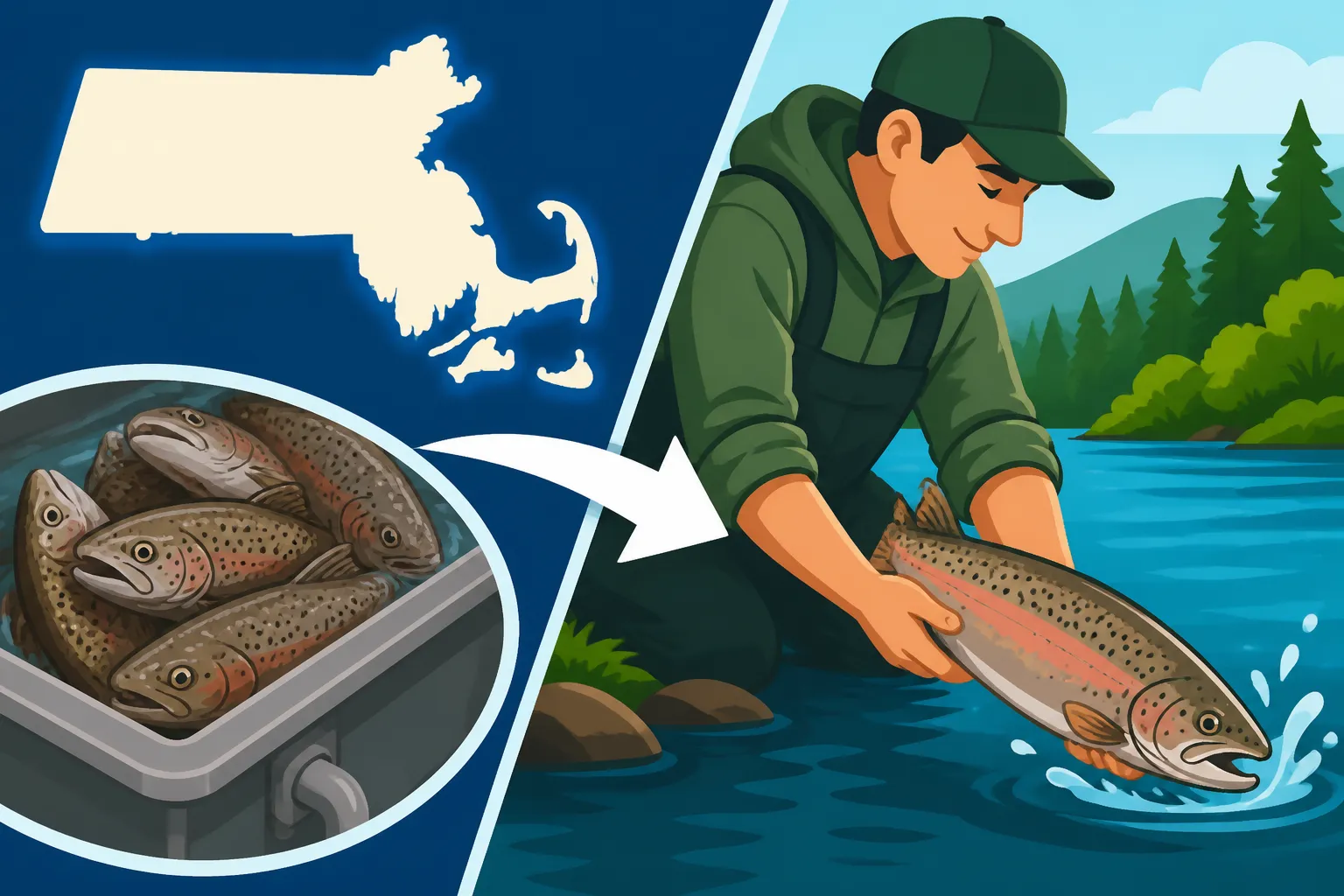
Why Massachusetts stocks retired brood trout
Ever been out on a Massachusetts pond or river, reeling in what you thought was just another stocked trout, only to find a real monster on the end of your line? A fish that's broader, heavier, and just feels… older? You've likely encountered a "retired brood trout," a unique and often thrilling part of MassWildlife's extensive stocking program. This guide will dive deep into why Massachusetts chooses to stock these magnificent fish, what they are, and how you can increase your chances of hooking into one of these unexpected trophies.
What Exactly Are "Retired Brood Trout"?
The term "retired brood trout" might sound a bit like a fish who's hung up its waders, but it refers to a very specific and valuable group of fish within the Massachusetts hatchery system. These aren't your average, run-of-the-mill fingerlings or even the catchable-sized trout you'd typically expect to see stocked. They're the veterans, the unsung heroes of the trout breeding program.
Defining Broodstock in the Hatchery System
In the world of fish hatcheries, "broodstock" refers to the adult fish kept for breeding purposes. These are the parent fish that produce the eggs and milt (sperm) needed to create the next generation of trout. MassWildlife operates several state hatcheries that meticulously manage populations of rainbow trout, brown trout, and brook trout. These broodstock fish are carefully selected for desirable traits like growth rate, disease resistance, and overall vigor. They live a somewhat pampered life in controlled environments, fed a high-quality diet, and monitored closely to ensure they are healthy and productive. They aren't wild fish that have been caught and then released; they are essentially farmed for their genetic contributions.
Their Vital Role in Producing Future Generations
Think of these broodstock trout as the foundation of Massachusetts' entire trout fishing program. Without them, there would be no eggs, and therefore no young trout to raise and release into the Commonwealth's many lakes, ponds, and rivers. For several years, these adult fish contribute to the annual stocking effort, providing millions of eggs that hatch into fry, which are then nurtured into the various sizes of trout that anglers pursue. Their primary job is reproduction, ensuring a consistent supply of fish for the recreational fishing public. This continuous cycle is essential to support the popular sport of trout fishing across the state, especially since many stocked waters don't naturally sustain trout populations year-round. You can learn more about the broader program by checking out the Massachusetts Trout Stocking Schedule.
The "Retirement" Phase: From Breeding to Stocking
So, why do these breeding fish get "retired"? Like any living creature, their reproductive efficiency can decline with age. After a few years of producing eggs and milt, older broodstock might not be as fecund, or their eggs might not be as viable. When they've served their purpose in the breeding program, MassWildlife faces a choice: what to do with these large, healthy adult fish? The most responsible and beneficial solution, from both a conservation and recreational standpoint, is to release them into public waters. This is where the concept of "retired brood trout" comes into play. Instead of being culled or simply kept in the hatcheries, they are given a new lease on life, offering a unique opportunity for anglers.
The Thoughtful Reasons Behind Stocking Them
Stocking retired brood trout isn't just a haphazard decision; it's a strategic move that brings multiple benefits to anglers and the environment. It's a testament to MassWildlife's commitment to maximizing resources and enhancing the fishing experience for everyone.
Enhancing the Angler Experience and Excitement
Let's be honest, everyone loves catching a big fish. While typical stocked trout are fun to catch, they often run in similar sizes. Retired brood trout, however, are significantly larger, often weighing several pounds and measuring well over the typical catchable size. Hooking into one of these giants provides a thrill that's hard to beat. It's an unexpected bonus, a potential "trophy fish" that can make a regular fishing trip unforgettable. Imagine taking a child out fishing, and they suddenly hook into a trout twice the size of anything they've ever seen – that's the kind of excitement these fish bring. These larger fish also tend to be feistier, putting up a harder fight, which adds to the challenge and enjoyment for experienced anglers. It’s a way to keep things interesting and provide a unique opportunity for anglers of all skill levels.
A Sustainable Management Practice
From an ecological and financial perspective, stocking retired brood trout is an incredibly sensible practice. These fish represent a significant investment in time, feed, and labor within the hatchery system. Instead of simply disposing of them once their breeding utility declines, stocking them into public waters ensures that this investment continues to yield returns. It's a form of recycling, turning a potential waste product into a valuable recreational resource. This approach minimizes waste and maximizes the output of the state's hatcheries. By releasing these healthy, mature fish, MassWildlife also avoids the costs associated with their continued upkeep in the hatchery, allowing resources to be redirected towards raising the next generation of smaller trout. It’s an efficient and responsible way to manage a valuable biological asset.
Boosting Early Season Success and Participation
Retired brood trout are often among the first fish to be stocked in the early spring, sometimes even before the general trout season opener. Their size and resilience make them excellent candidates for surviving the colder water temperatures of early spring. By stocking these robust fish early, MassWildlife helps to kickstart the fishing season, providing immediate opportunities for anglers to have success. This early injection of large fish can generate significant excitement and encourage more people to get out and fish, particularly after a long winter. For those eager to wet a line as soon as possible, the chance to land a substantial trout right out of the gate is a huge draw. This early success can set a positive tone for the entire fishing season and increase overall participation in the sport.
Public Awareness and Appreciation for Conservation Efforts
While their primary role in the wild is recreational, the stocking of retired brood trout also serves a subtle but important educational purpose. When anglers catch these impressive fish, it often sparks curiosity about their origins. This curiosity can lead to a greater understanding of MassWildlife's extensive hatchery programs and the broader conservation efforts involved in maintaining healthy fisheries across the Commonwealth. It highlights the significant work that goes into managing fish populations and providing diverse fishing opportunities. The sight of such large, healthy trout can also foster a greater appreciation for the natural resources we have and the need to protect them. Every time an angler shares a photo of their giant brood trout, it’s a small advertisement for the success of these programs and the importance of supporting them, for instance, through the purchase of licenses and stamps like the Massachusetts Wildlands Conservation Stamp Explained.
Where and How to Find These Trophy-Sized Trout
So, you're keen to try your luck at catching one of these magnificent retired brood trout? Knowing where and how to target them can significantly increase your chances. They aren't everywhere, but MassWildlife does strategically place them in accessible and suitable waters.
Prime Locations for Brood Trout Stocking
Retired brood trout are generally stocked in larger, more accessible bodies of water. These often include popular ponds, lakes, and wider, slower-moving sections of rivers that can support their size and provide ample public access. MassWildlife aims to distribute these trophy fish widely, but they tend to favor waters that see a lot of angler pressure and can handle larger fish populations. It's always a good idea to keep an eye on MassWildlife's official stocking reports (often available online) as the season approaches, as these will often specify which bodies of water are receiving the "broodstock." Some of the larger, well-known trout fishing destinations in Massachusetts are prime candidates for receiving these special stockings. Places like some of the Best Freshwater Ponds and Lakes in Massachusetts often get these special deliveries.
| Typical Stocked Trout | Retired Brood Trout |
|---|---|
| Size | 9-14 inches, under 1 lb |
| Age | 1-2 years old |
| Appearance | Sleek, sometimes hatchery-worn fins |
| Fight | Good, but often less sustained |
| Purpose | Recreational catch |
| Stocking Time | Spring, Fall |
| Angler Experience | Standard enjoyable catch |
Tackle and Techniques for These Larger Fish
Since retired brood trout are significantly larger than your average stocked fish, you might want to adjust your gear slightly. While a standard ultralight or light spinning setup will still work, a medium-light rod with a bit more backbone and a reel spooled with 6-8 lb test monofilament or fluorocarbon line will give you more control during a fight. If you're using braided line, a fluorocarbon leader is always a good idea.
For lures, consider slightly larger spoons, spinners, or stickbaits. Gold, silver, and chartreuse are often effective colors. Brands like Mepps, Kastmaster, or even a variety pack of spinners from Amazon can be great choices. These larger fish are often more aggressive and territorial, making them susceptible to a well-presented lure. You can find more specific recommendations in guides like Best Lures for Stocked Trout in Massachusetts.
When it comes to bait, larger offerings such as whole nightcrawlers, shiners, or generous clumps of power bait can entice these bigger fish. They're looking for a substantial meal! If fly fishing, larger streamers that imitate baitfish or crayfish can be very effective, especially when fished slowly near the bottom or along drop-offs. Always remember to check Massachusetts Freshwater Daily Catch Limits before you head out.
Timing Your Visit for the Best Chances
Timing is crucial when targeting retired brood trout. As mentioned, they are often stocked early in the spring, sometimes even before the traditional opening day for trout season (if there's a specific opening for that water body). Being among the first anglers to fish these freshly stocked waters can greatly increase your odds. These fish, having lived in a hatchery environment, are often less wary initially and more prone to striking at common baits and lures.
Keep an eye on MassWildlife's social media channels and website for stocking announcements. Once they're in the water, their behavior will begin to normalize, and they may become more challenging to catch as they acclimate to their new environment and angler pressure. Early mornings or late afternoons, especially during cooler spring days, tend to be productive times. Don't forget to review Best Time of Day to Catch Stocked Trout in Massachusetts for general tips on trout behavior.
Integrating Brood Stocking into Massachusetts' Larger Trout Program
The stocking of retired brood trout isn't an isolated event; it's a complementary piece of MassWildlife's comprehensive strategy to provide diverse and exciting fishing opportunities throughout the state. Understanding how it fits into the bigger picture helps us appreciate the full scope of their efforts.
The Broader Scope of Trout Stocking in Massachusetts
While the big brood trout get a lot of attention, they represent just a small fraction of the millions of trout stocked annually across Massachusetts. The vast majority of stocked fish are smaller, catchable-sized trout – typically rainbow, brown, and brook trout – that are released throughout the spring and fall. These smaller fish ensure that there's ample opportunity for everyone, from novice anglers to seasoned pros, to enjoy a day on the water and bring home a meal. The different sizes and species cater to various angling preferences and help distribute fishing pressure across many water bodies. This widespread stocking effort is what truly sustains Massachusetts as a premier trout fishing destination. If you're curious about all the details, the Massachusetts Freshwater Fishing Season Calendar outlines the key periods.
The Role of Angler Support and Funding
None of MassWildlife's stocking programs, including those for retired brood trout, would be possible without the dedicated support of the angling community. The funds generated from fishing license sales and specific stamps directly contribute to the operation of state fish hatcheries, the raising of all types of trout, and the transportation and stocking efforts. When you purchase your Massachusetts Fishing License Guide, you're not just getting permission to fish; you're directly investing in the future of fishing opportunities in the Commonwealth. It's a vital connection: anglers pay, and those funds are reinvested to produce more fish and maintain healthy aquatic ecosystems. This self-sustaining model is a cornerstone of fisheries management in the state, ensuring that there's always something exciting to catch, whether it's a small panfish or a jumbo brood trout.
Regulations and Responsible Angling Practices
Despite their size and special status, retired brood trout are still subject to the same fishing regulations as all other trout in the waters where they are stocked. This includes daily bag limits, minimum size limits, and gear restrictions (where applicable). It's crucial for anglers to be aware of and adhere to these rules to ensure the sustainable enjoyment of this resource. Before heading out, always consult the most current Massachusetts fishing regulations pamphlet – you can often find them at bait shops or on the MassWildlife website. Remember, while catching a big brood trout is exciting, respecting the regulations helps ensure that these opportunities continue for future generations of anglers. Whether you're using a spinning rod or a fly rod, selecting responsible tackle and practicing good fish handling, especially if you plan to release a fish, are paramount. For instance, consider using barbless hooks for easier release, a practice often supported by accessories you can find on Amazon.
Disclaimer
This article is for general informational purposes only and does not constitute professional advice. Laws, prices and regulations vary by location and change over time. Consult a qualified professional for guidance on your specific situation.