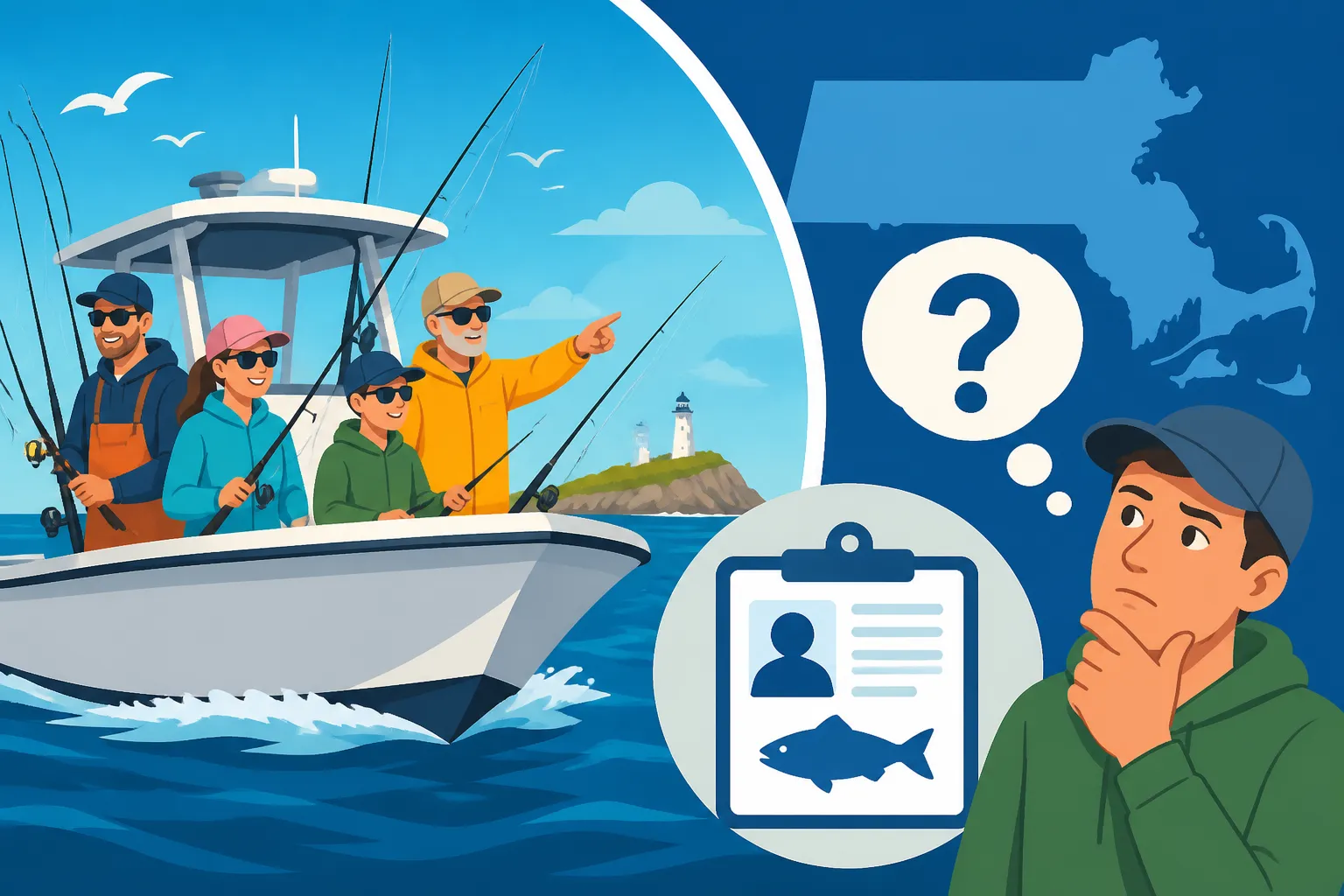
Do Charter Passengers Need Their Own Saltwater Permit?
One of the most common head-scratchers for folks planning a fishing trip in Massachusetts, especially if you're thinking about hitting the open ocean or a bustling bay, is whether you need your own saltwater fishing permit when you're going out on a charter boat. It’s a completely valid question, and the last thing anyone wants is to get out on the water only to find they’ve overlooked a crucial regulation. This guide will cut through the confusion and explain exactly what you, as a passenger, need for your Massachusetts saltwater fishing adventure.
Understanding Massachusetts Saltwater Recreational Fishing Permits
Let's be honest, fishing regulations can sometimes feel like a tangled mess of lines and knots, making it hard to figure out what applies to you. The good news is, for most people hopping aboard a licensed charter, the answer to the permit question is often simpler than you might expect.
Who Needs a Permit in General?
In Massachusetts, anyone aged 16 or older who wants to fish recreationally in saltwater needs a Massachusetts Saltwater Recreational Fishing Permit. This isn't just for casting off a pier; it applies to fishing from shore, kayaks, or your own private boat. It's designed to help the state manage its marine resources and contribute to conservation efforts. Without this permit, you could face penalties, which definitely puts a damper on a relaxing day out. The cost of these permits goes towards important programs that keep our fisheries healthy for generations to come. For a more detailed breakdown, you can check out the Massachusetts Saltwater Recreational Fishing Permit Explained guide.
When you're planning any kind of fishing in Massachusetts, it's always smart to understand the basic requirements. This permit is distinct from a freshwater fishing license, which you'd need if you were targeting species in ponds, lakes, or rivers. The distinction between the two is important, and you can learn more about it in Massachusetts Freshwater vs Saltwater License Differences. It’s easy to get them mixed up, especially if you’re new to fishing in the Bay State, but knowing which waters you’ll be fishing is the first step in getting the right paperwork.
The Charter Boat Exemption: What It Means for Passengers
Here's the relief you've been waiting for: if you're a passenger on a for-hire fishing vessel, like a charter boat or a party boat, you typically do not need your own individual Massachusetts Saltwater Recreational Fishing Permit. This is because the vessel itself operates under a federal for-hire permit, often called a Coast Guard-issued 'Captain's License' or a 'for-hire fishing permit,' which covers everyone on board.
This federal permit essentially acts as the umbrella for all recreational anglers on that specific trip. The captain of the vessel is responsible for ensuring the boat holds the correct and current permits, which means you, as a paying customer, are covered under their licensing. This exemption streamlines the process for visitors and occasional anglers, making it much easier to enjoy a day of fishing without getting bogged down in individual permit applications. So, when you're looking at options on platforms like FishingBooker, you can breathe a sigh of relief knowing your permit worries are largely taken care of by the pros.
Why This Exemption Exists (and How It Benefits You)
This exemption isn't just a loophole; it's a carefully considered regulation designed to support the charter fishing industry and make recreational fishing more accessible. Imagine if every person on a party boat had to individually purchase a permit for a single four-hour trip – it would create a logistical nightmare and deter many from ever trying fishing.
From a practical standpoint, the responsibility for compliance shifts from the individual angler to the charter captain. These captains are professionals; they are well-versed in all state and federal regulations, including Massachusetts Recreational Fishing Rules and Bag Limits and For-hire vessel bag limits versus private boat limits in Massachusetts. They maintain their licenses and permits diligently because it's their livelihood. This system ensures that the state can still track recreational effort and gather data for conservation through the federal permit system, while providing a seamless experience for you. It means you can focus on the excitement of reeling in a striped bass or a bluefish, rather than stressing about paperwork. It also boosts local tourism, as out-of-state visitors can book a trip without needing to navigate unfamiliar state licensing processes.
When You Might Still Need Your Own Permit (Or a Freshwater License)
While the charter boat exemption is a huge convenience, it's not a universal pass for all fishing activities. There are specific scenarios where you, the angler, would indeed need your own permit or license. Understanding these exceptions will help you stay compliant, no matter how or where you choose to cast your line in Massachusetts.
Fishing on Your Own Time Before or After the Charter
The exemption for charter passengers applies only when you are actively fishing on that specific licensed for-hire vessel. If your vacation plans include some independent fishing – say, you want to try your hand at surfcasting for striped bass from a Cape Cod beach the day before your charter, or maybe drop a line off a public pier in Boston after your boat trip – then you absolutely need your own individual Massachusetts Saltwater Recreational Fishing Permit.
Think of it this way: the charter captain's permit covers their operation, not your personal fishing endeavors outside of their direct service. If you're going to try shore fishing at Plum Island or casting off a jetty in Buzzards Bay, make sure you've purchased your own permit. It's a small investment for peace of mind and to avoid potential fines. Many people find it convenient to buy an annual permit if they plan on multiple fishing outings, whether on charters or on their own.
Targeted Freshwater Species or Specific Locations
Even if you're on a saltwater charter, if your fishing activities somehow shift to target purely freshwater species, you'd need a freshwater license. This is pretty rare on a typical saltwater charter, but it's important to understand the distinction. For instance, if you decide to take a separate trip to one of the commonwealth's many beautiful lakes or rivers, like the Connecticut River or a local pond, you would need a Massachusetts Fishing License Guide and likely a freshwater permit to do so.
Some unique locations in Massachusetts, like the Quabbin Reservoir or Wachusett Reservoir, have their own specific permitting requirements in addition to a standard freshwater license. These often involve special access permits or boat permits due to their role as public drinking water supplies. So, while a saltwater charter covers your marine adventure, it won't magically extend to a landlocked lake fishing expedition. Always clarify the target species and location if you're venturing beyond a standard saltwater charter.
Special Circumstances and Out-of-State Fishing
There might be niche situations, though less common, where clarity is key. For example, if you're involved in a specific research program or a tournament with unique rules, it's always best to double-check with the organizers. Similarly, if you live out of state and occasionally fish in Massachusetts, your Massachusetts saltwater permit is distinct from your home state's license. There isn't broad Out-of-State Fishing License Reciprocity and Massachusetts for recreational permits, so if you're coming from New Hampshire or Rhode Island, you'll still need that Mass permit for your personal fishing.
| Fishing Scenario | Do Passengers Need Their Own MA Saltwater Permit? | Notes |
|---|---|---|
| On a Licensed MA Charter Boat | No | The charter vessel's federal for-hire permit covers all recreational passengers. This is the most common scenario. |
| From Shore/Beach (Self-Guided) | Yes | If you are fishing from any public shoreline, pier, or beach on your own, you must have your own permit (if 16 or older). |
| On a Private Recreational Boat | Yes | If you are fishing from a friend's private boat or your own boat (not a for-hire vessel), each individual aged 16 or older needs their own permit. |
| Targeting Freshwater Species | No (but need a MA Freshwater License) | A saltwater permit is for saltwater. If targeting freshwater species, even if launching from a saltwater area into a river's freshwater section, a freshwater license is required instead. |
| Free Fishing Days | No | On designated Free Fishing Days in Massachusetts, the permit requirement is waived for recreational fishing (both fresh and saltwater, depending on the event). However, all other regulations (bag limits, sizes) still apply. |
Key Considerations for Booking a Massachusetts Fishing Charter
Booking a fishing charter should be an exciting experience, not a source of stress. Knowing what to look for and what questions to ask can make all the difference, ensuring your trip is not only successful but also fully compliant with all the necessary regulations.
Confirming Charter Compliance
Before you even step foot on the boat, it's completely reasonable and wise to confirm that the charter you're booking is properly licensed. Reputable charter captains proudly display their credentials or will readily confirm them upon request. When you're searching for a charter, whether through word-of-mouth or online platforms like FishingBooker, look for captains who clearly state they are licensed and insured.
You can ask directly: "Does your vessel hold a current federal for-hire permit that covers all recreational anglers on board?" This simple question confirms your permit status and ensures you're fishing with a legitimate operation. Most captains will appreciate your diligence, as it shows you're serious about fishing responsibly. This due diligence also extends to checking reviews on sites like FishingBooker, where satisfied customers often mention the professionalism and reliability of the captain and crew.
Beyond the Permit: What Else Your Charter Should Provide
While the permit question is often quickly resolved, a great charter experience involves much more than just proper licensing. A good charter typically provides all the necessary fishing gear, bait, and tackle. This means you don't have to worry about buying expensive equipment or trying to match the right lure to the local fish. They also usually provide safety equipment like life jackets and have experienced crew members to assist with baiting hooks, netting fish, and even filleting your catch at the end of the day.
Don't be shy about asking what's included in the charter price when you book. Knowing What to Bring on a Massachusetts Fishing Charter beforehand – like sunscreen, snacks, drinks, and appropriate clothing – will help you have a comfortable day. Remember, the captain is also your guide to Massachusetts Fishing Seasons Explained and local hot spots, so choosing an experienced charter is key to a memorable outing.
Researching and Booking Your Trip with Confidence
There are many fantastic fishing charters operating out of Massachusetts ports, from Cape Cod to Boston Harbor. To book with confidence, start your research early, especially for popular seasons like summer striped bass or fall tuna. Platforms like FishingBooker can be an excellent resource for comparing different charters, reading reviews, and understanding what each captain specializes in.
When you're ready to book, ask about their cancellation policy, especially regarding weather. Good captains prioritize safety and will reschedule or refund if conditions are unsafe. Also, understand the target species for your trip. Are you after Striped Bass Fishing in Massachusetts? Or perhaps Bluefin Tuna Fishing off Massachusetts? Knowing your quarry helps you pick the right charter and manage expectations for your day on the water. For those looking for specific regional adventures, a guide like Booking a Fishing Charter on Cape Cod can offer invaluable insights.
Common Questions About Fishing Licenses and Charters
Even after clearing up the main permit question, a few other common inquiries tend to pop up, especially when considering a charter trip for the whole family or for particular fishing goals. Let’s tackle some of these to make sure you’re fully prepared.
What About Kids on Charters?
This is a fantastic question, especially for families looking to introduce their youngsters to the joys of fishing. In Massachusetts, individuals under the age of 16 are generally exempt from needing a recreational fishing permit, whether for freshwater or saltwater. This means that if you have children under 16 joining you on a charter boat, they don't need their own individual saltwater permit, nor do they need a freshwater license if they're fishing in freshwater on their own.
This rule aligns perfectly with the charter boat exemption, simplifying things further for family outings. Your kids can enjoy the thrill of the catch without any bureaucratic hurdles. However, it's still worth checking out general Massachusetts Saltwater Permit Age Requirements for comprehensive details, as rules can sometimes have nuances. The goal is to encourage youth participation in fishing, and this exemption certainly helps!
How Long Does the Captain's Permit Cover?
The captain's federal for-hire permit covers all recreational anglers on board for the duration of the chartered trip. This means from the moment you leave the dock until you return, as long as you are actively fishing under the direction and supervision of the licensed captain on their permitted vessel, you are covered.
It's important to reiterate that this coverage is specific to the vessel and the trip. It does not extend beyond the confines of that particular charter. You can't, for example, use the captain's permit as justification for fishing from shore or on a private boat later that day. The coverage begins and ends with your paid charter excursion, ensuring a clear and defined period of legal fishing for all passengers.
What if I Want to Fish for Freshwater Species on a Saltwater Charter?
This is a very specific scenario, and while rare, it's worth addressing for clarity. A typical saltwater charter targets marine species like striped bass, bluefish, or cod. However, if for some reason a saltwater charter were to venture into a river system that is designated as freshwater for fishing purposes (even if it's tidally influenced), and the intent was to target strictly freshwater species like bass or trout, then the individual anglers would need a Massachusetts Freshwater Fishing License.
It's highly unlikely that a dedicated saltwater charter would operate in this manner without explicit instruction and preparation, but it highlights the importance of understanding the water you're fishing and the species you're targeting. Always communicate your intentions clearly with your charter captain. They are the experts on local waters and regulations and can guide you correctly, ensuring that your fishing adventure is both fun and fully compliant.
Disclaimer
This article is for general informational purposes only and does not constitute professional advice. Laws, prices and regulations vary by location and change over time. Consult a qualified professional for guidance on your specific situation.