Gear you should pack for a Massachusetts fishing charter
One of the most exciting parts of planning a fishing trip to Massachusetts is booking that charter, but then the anxiety kicks in: What on earth do I actually need to bring? You're picturing yourself on a boat, the sun glinting off the water, and realizing you've forgotten something absolutely crucial. Trust me, it happens to the best of us! This guide is here to help you get organized, easing your worries so you can focus on the thrill of the catch and fully enjoy your time on the incredible waters of the Bay State.
The Essentials: What Every Angler Needs on a Massachusetts Charter
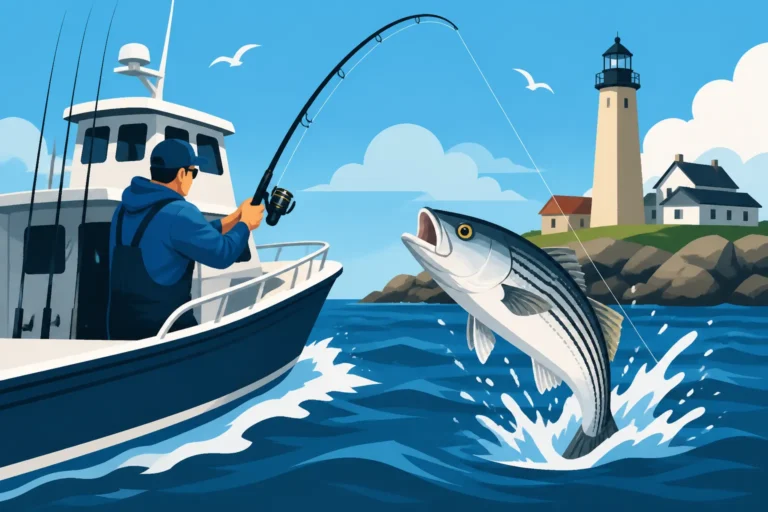
Heading out on a fishing charter in Massachusetts is an adventure, whether you're chasing striped bass off Cape Cod or cod in the cooler waters. But before you even think about dropping a line, there are a few non-negotiables you absolutely must have with you. Forgetting these basics can quickly turn an exciting day into a frustrating one, so let's make sure you're covered.
Personal Identification and Licenses
First and foremost, you need to be legally ready to fish. This isn't just a suggestion; it's a requirement that can lead to fines if ignored.
Every angler aged 15 and older needs a valid fishing license in Massachusetts. The specific type of license depends on where you're casting your line. If you're heading out into the Atlantic for striped bass, bluefish, or cod, you'll need a Massachusetts Saltwater Recreational Fishing Permit. If your charter is exploring one of our many beautiful freshwater lakes or rivers, then a freshwater license is essential. Some folks even get a Massachusetts Combination Hunting and Fishing License if they enjoy both pursuits. It's crucial to understand the Massachusetts Freshwater vs Saltwater License Differences so you get the right one for your trip.
You can often purchase these licenses online through the MassFishHunt system, and many tackle shops or bait and tackle vendors also sell them. Make sure to buy yours before your trip – trying to scramble for one at the dock can delay your departure and annoy your captain. Always carry physical proof of your license, or at the very least, have it readily accessible on your phone. While a photo of your license might be accepted in some instances, having the actual printed license or displaying it through an official app like the MassFishHunt system is always the safest bet. It's worth a quick read on Carrying Proof of Your Massachusetts Fishing License to be completely sure. Don't forget a government-issued photo ID like your driver's license, too. It’s not just for confirming your identity; sometimes it's needed for unexpected situations or even just verifying your age.
Appropriate Clothing for Massachusetts Weather
Massachusetts weather can be famously unpredictable, especially on the water. A sunny morning can turn into a chilly, damp afternoon in a blink, and what feels warm on land can be significantly cooler on a boat with the wind whipping by. Layering is your absolute best friend when preparing for a fishing charter.
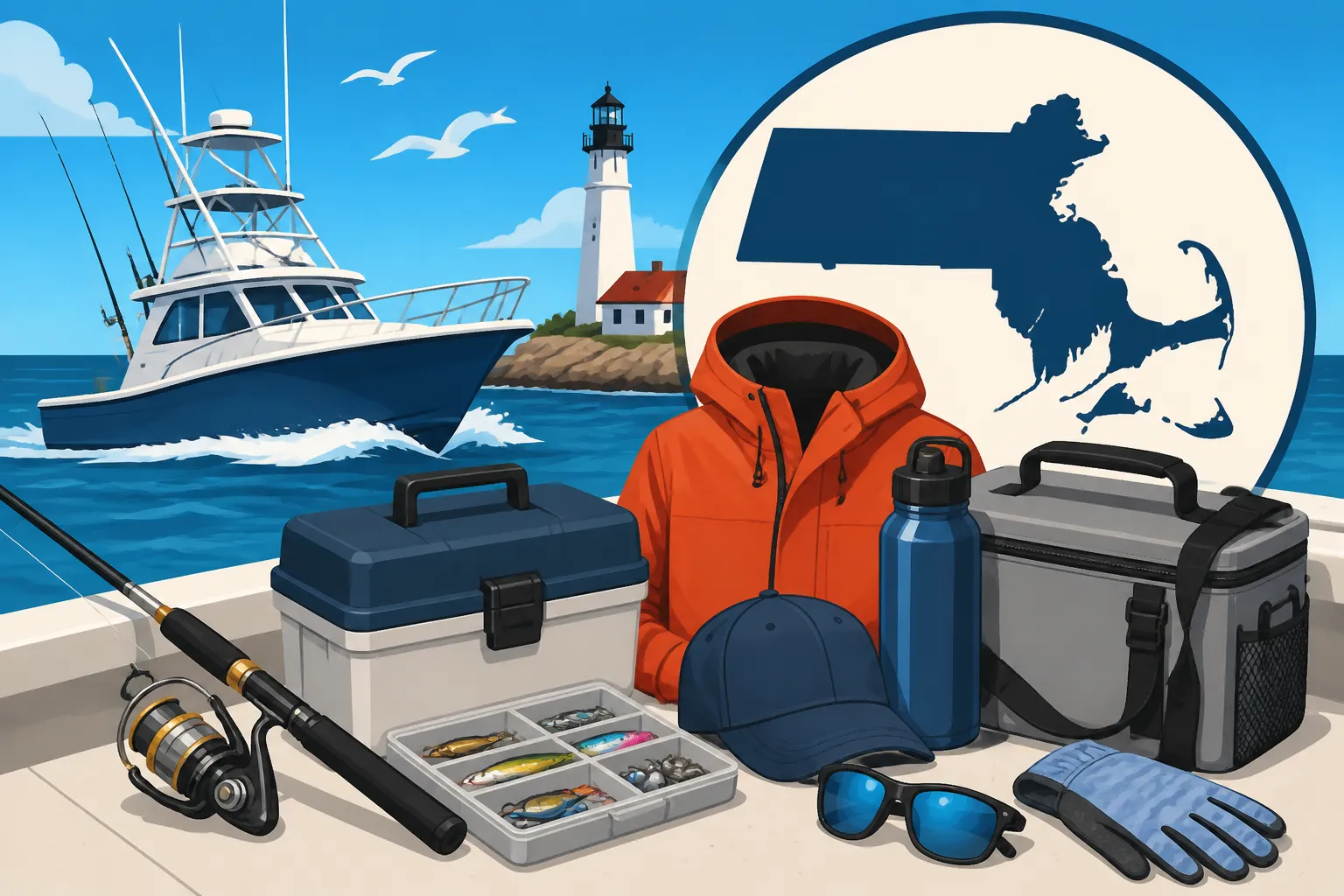
Start with a moisture-wicking base layer, even in summer, as it helps manage sweat and keep you comfortable. Over that, a long-sleeved shirt offers sun protection and a bit of warmth. For your middle layer, a fleece or lightweight jacket is perfect for combating cooler temperatures. Finally, a waterproof and windproof outer shell is absolutely crucial. Even if the forecast calls for clear skies, a rogue spray or unexpected drizzle can leave you soaked and miserable without proper rain gear. Think about lightweight, packable options that don't take up too much space. For example, a quality rain jacket and rain pants can easily be stowed away until needed, and you’ll be incredibly grateful for them when that unexpected squall rolls in. When checking for charters on platforms like FishingBooker, you can often see what amenities are provided, but clothing is always on you.
Footwear is another critical consideration. Forget flip-flops or open-toed sandals; you need closed-toe shoes with good grip. The deck of a boat can get wet and slippery, and hooks, tackle, or even fish spines can pose a hazard. Water-resistant boat shoes, sneakers, or even waterproof boots are ideal. They'll keep your feet dry and safe, ensuring you maintain your footing as you move around the boat or battle a feisty fish. Nobody wants to twist an ankle on their fishing trip!
Sun Protection is Non-Negotiable
The sun's intensity on the water is often underestimated. Between direct sunlight and reflection off the water's surface, you're exposed to UV rays from multiple angles, even on cloudy days. This means severe sunburn is a real risk, and it can quickly ruin your trip.
High-SPF, water-resistant sunscreen is your first line of defense. Apply it generously before you even leave the dock, and don't forget often-missed spots like the tops of your ears, neck, and the backs of your hands. Reapply it frequently, especially after handling fish, wiping sweat, or if you get wet. A wide-brimmed hat or a baseball cap with a neck gaiter offers crucial shade for your face, ears, and neck. Finally, polarized sunglasses are a game-changer. Not only do they protect your eyes from harmful UV rays, but they also reduce glare on the water, allowing you to see deeper and sometimes even spot fish or underwater structure. This can be a huge advantage, particularly if you're targeting species like striped bass in shallower areas or trying to spot baitfish.
Food, Drink, and Personal Comfort Items
While the primary goal of a fishing charter is, well, fishing, you'll be out on the water for several hours, and taking care of your basic needs will ensure a much more enjoyable experience. Don't underestimate the power of a well-packed lunch and a strategy for staying comfortable.
Staying Hydrated and Fueled
It's easy to get caught up in the excitement of fishing and forget to eat or drink, but dehydration and low blood sugar can lead to fatigue, headaches, and even seasickness. You need to pack enough water and snacks to last the duration of your trip, plus a little extra just in case.
Think about drinks beyond just water – sports drinks can help replenish electrolytes, and a soda or juice can be a nice treat. For food, pack things that are easy to eat with one hand and don't require much fuss. Sandwiches, granola bars, fruit (apples, oranges, bananas), and nuts are all excellent choices. Avoid anything too greasy or heavy, as it can sometimes contribute to an upset stomach on the boat. Some charters, particularly longer full-day trips, might provide some basic refreshments, but it's always best to assume they won't, or to bring your favorites. Before your trip, check with your captain about cooler space. Many boats have a cooler for drinks, but you might need to bring a small, personal soft-sided cooler for your snacks and drinks. Remember, the boat’s cooler is typically for the crew's supplies or for the fish you catch. You can often find details about whether food or drink is included on listings from sites like FishingBooker.
Dealing with Motion Sickness
Ah, seasickness. It's the bane of many an angler's existence, and it can turn a dream trip into a nightmare faster than you can say "chum line." If you're prone to motion sickness, or even if you're not sure, it's always wise to prepare.
There are various over-the-counter remedies available, such as non-drowsy motion sickness medications. It's often recommended to take these before you even board the boat, allowing them time to kick in. Natural remedies like ginger (ginger chews, ginger ale) can also help settle a queasy stomach for some people. Acupressure wristbands are another option that many swear by. The key is to find what works for you and to try it out on land first if possible. It’s also helpful to stay on deck in the fresh air, focus on the horizon, and avoid reading or looking at your phone excessively. Eating light, non-greasy foods, and staying hydrated can also play a big role in preventing seasickness. If you do start to feel unwell, don't suffer in silence! Let a crew member know; they often have tricks or a quiet spot on the boat where you can recover. While many guides on platforms like FishingBooker won't list motion sickness remedies as provided amenities, it's a common topic to discuss with your captain before departure.
Small Comforts that Make a Big Difference
Beyond the absolute necessities, a few small items can significantly enhance your comfort and enjoyment on the water.
A small towel, perhaps a quick-drying microfiber one, can be incredibly handy for wiping hands after handling bait or fish, or simply drying off unexpected splashes. Hand sanitizer or wet wipes are excellent for quick clean-ups, especially before eating your snacks. A small, waterproof dry bag or a Ziploc-style bag is perfect for keeping your phone, wallet, and keys dry and safe from the elements. You might also want a small bag to collect any trash you generate, ensuring you leave no trace behind. A camera, especially a waterproof one, is fantastic for capturing those memorable moments – a trophy fish, a stunning sunrise over the ocean, or just the camaraderie with your fellow anglers.
Fishing Gear: What Charters Provide (and What You Might Want to Bring)
This is where the convenience of a charter really shines. One of the biggest advantages of booking a fishing charter is that the vast majority of the expensive and specialized fishing gear is provided for you. However, there are times you might want to bring your own.
What Most Charters Supply
When you book a Massachusetts fishing charter, whether it's for striped bass, bluefish, or even offshore tuna, you can generally expect them to supply all the necessary fishing equipment. This typically includes rods, reels, lines, and a full assortment of bait and tackle. The captain and crew are experts in the local waters and know exactly what gear is needed to target specific species at different times of the year. They'll have everything from fresh bait to the right lures and rigs ready for you.
This is a huge benefit, especially for beginners or those visiting from out of state who don't want to transport a lot of gear. It also means you don't have to invest in expensive equipment that you might only use once or twice a year. The crew will set up your lines, show you how to use the equipment, and even help you when you hook into a fish. When you look at listings for Cape Cod Fishing Charters Guide for Massachusetts Anglers or Boston Fishing Charters Guide, Massachusetts on sites like FishingBooker, you'll usually see "all fishing equipment provided" explicitly stated. This means you just need to show up ready to fish! This often falls under What's included in a full-day charter price, covering everything from the vessel itself to the necessary implements for catching fish.
When to Bring Your Own Gear
While charters provide the essentials, there are situations where you might prefer to bring your own gear. If you're an experienced angler with a specific rod and reel setup that you're particularly comfortable with, or if you practice a specialized technique like fly fishing or a unique style of jigging, you might want to bring your own. However, it's absolutely crucial to ask the captain beforehand.
Space on a charter boat can be limited, and bringing extra gear might clutter the deck or interfere with the crew's operations. Some captains may have specific rules about outside equipment for safety or logistical reasons. For instance, if you're going on a Massachusetts Bluefin Tuna Charters trip and have a specific heavy-duty popping rod you prefer, check if it's okay to bring it. Always respect the captain's decision; they know their boat and their fishing grounds best. If you do bring your own gear, make sure it's in good working order and appropriately sized for the target species. Nobody wants a broken reel when a trophy striped bass hits!
Handling Your Catch
So, you've battled a feisty fish and successfully brought it aboard. Now what? Most Massachusetts fishing charters are well-equipped to handle your catch responsibly. The crew will typically assist with landing the fish, de-hooking it, and either releasing it (if it's undersized or you choose to let it go) or placing it in a cooler.
Before your trip, it's a good idea to confirm the charter's policy on keeping fish and cleaning them. Many charters will clean and fillet your legal catch for you right on the boat or at the dock, packaging it for you to take home. This service is often included in the charter price, but it never hurts to clarify. This is a common question, and details like Whether the charter cleans and fillets your fish are important to know. If you plan on taking your catch home, consider bringing a separate cooler specifically for your fillets, packed with ice. This ensures your fish stays fresh during the ride home. Always be mindful of Massachusetts Recreational Fishing Rules and Bag Limits for the species you're targeting; the crew will ensure you adhere to these regulations.
The "Nice to Have" Extras for a Smooth Trip
While the previous sections cover the essentials, there are always a few additional items and considerations that can make your Massachusetts fishing charter even more enjoyable and hassle-free. These might not be critical, but they often come in handy.
Documentation and Information
Beyond your fishing license and ID, having your charter booking confirmation easily accessible is a smart move. Whether it's a printed copy or on your phone, it helps with check-in and confirms all the details of your trip. Knowing the captain's contact information (phone number) is also wise, just in case of any last-minute changes or if you get delayed on your way to the dock.
It’s always a good idea to familiarize yourself with the charter's Massachusetts Fishing Charter Cancellation Policies before you book, especially regarding weather. New England weather can be fickle, and knowing what happens if the trip needs to be rescheduled due to unsafe conditions will save you stress. Websites like FishingBooker usually clearly outline these policies.
Technology and Photography
In today's world, our phones are practically extensions of ourselves. While you'll want to focus on the fishing, having your phone for photos is almost a given. Just remember to keep it protected in a waterproof bag or case. A portable power bank is also a lifesaver, especially on longer trips, ensuring your phone doesn't die mid-photo opportunity.
If you're really into capturing the action, a GoPro or another waterproof action camera can get some incredible shots of a fish being reeled in or the stunning coastal scenery. Just make sure it's securely tethered so it doesn't end up as fish food! Remember, while it's tempting to scroll through social media, staring at a screen can exacerbate motion sickness, so try to limit screen time.
Small Tools and Accessories
While the crew provides all the heavy-duty fishing tools, a few small personal items can be surprisingly useful. A small pair of pliers or a multi-tool can come in handy for cutting line, tightening something, or getting a tricky hook out if you're doing catch-and-release. Just make sure it's something you can clip to your belt or easily store.
If you like to keep a personal log of your catches, a small notebook and pencil (or a waterproof fishing journal) can be a fun addition. Some anglers like to carry their own small measuring tape, although the crew will typically handle all official measurements for legal compliance and to adhere to the Massachusetts Striped Bass Slot Limit Explained or other species-specific rules.
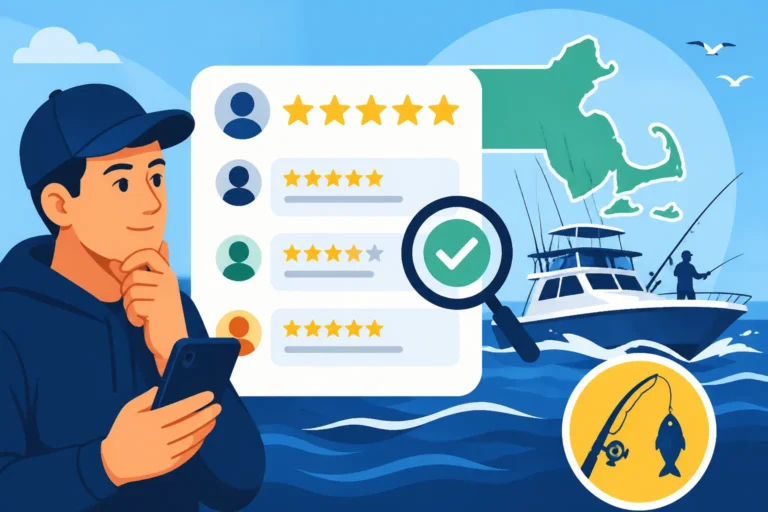
Ultimately, a Massachusetts fishing charter is about enjoying the natural beauty of our coastlines and the thrill of the chase. By being prepared with the right gear, you eliminate potential stressors and open yourself up to a truly memorable experience. Remember to dress in layers, protect yourself from the sun, stay hydrated, and don't be afraid to ask your captain any questions beforehand. They want you to have a great time just as much as you do! Also, don't forget the etiquette – Is Tipping Expected on a Massachusetts Fishing Charter? is a common question, and generally, the answer is yes, for a good crew. If you're wondering How many people can go on a Cape Cod charter boat or Can Beginners Go on a Massachusetts Fishing Charter?, those are excellent questions to ask when booking, which you can often research through How to read charter reviews before booking on platforms like FishingBooker. So, get your checklist ready, and get ready for some fantastic fishing!
| Category | Essential Items | Recommended Extras | What Charters Typically Provide |
|---|---|---|---|
| Documents | Fishing License, Photo ID | Booking Confirmation, Captain's Contact | (None, these are personal) |
| Clothing | Layers (base, mid, outer/rain gear) | Spare socks, Warm hat/gloves (cooler days) | (None, personal clothing) |
| Sun Protection | Sunscreen (high SPF), Hat, Polarized Sunglasses | Lip balm with SPF | (None, personal items) |
| Food & Drink | Water, Snacks, Non-alcoholic beverages | Small personal cooler, Sports drinks | Some might provide water/soda |
| Personal Comfort | Motion Sickness Meds (if needed), Small towel, Hand sanitizer | Waterproof bag/case for phone, Camera | (None, personal items) |
| Fishing Gear | (None, unless specialized) | Personal lucky lure, Own favorite pliers | Rods, Reels, Line, Bait, Tackle |
Disclaimer
This article is for general informational purposes only and does not constitute professional advice. Laws, prices and regulations vary by location and change over time. Consult a qualified professional for guidance on your specific situation.