Whether you can hire a guide for the Cape Cod Canal
Oh, the Cape Cod Canal! It's one of those legendary fishing spots in Massachusetts that calls to anglers from all over, but it can also be incredibly intimidating. Many folks dream of hooking into a monster striped bass there, but quickly realize just how complex and even treacherous its waters can be. If you've ever stood on its banks, watching the mighty current rip by, and thought, "There has to be a better way to figure this place out," you're not alone. This guide is here to shed light on whether you can indeed hire a guide for the Cape Cod Canal and, more importantly, why it might be one of the best investments you make for a successful and safe fishing experience on this iconic waterway.
The Unique Challenges of Fishing the Cape Cod Canal
Let's be real: the Cape Cod Canal isn't your average fishing hole. It’s a beast, a tidal highway carved through solid rock, connecting Buzzards Bay to Cape Cod Bay. Anglers who venture here often face a steep learning curve, and without proper understanding, it can be a frustrating and even dangerous place to cast a line.
Powerful Currents and Tides
The most defining characteristic of the Canal is its incredible currents. We're talking about tides that can flow at speeds of up to 4-5 knots, sometimes even more, especially during spring tides. This isn't just a gentle flow; it's a powerful river that changes direction four times a day. Trying to fish against or improperly with these currents can lead to snagged lines, lost lures, and a whole lot of wasted effort. You need specific tackle and techniques just to get your bait or lure to the fish, let alone fight a strong striped bass in that kind of flow.
The timing of these tides is absolutely paramount. Fishing the wrong part of the tide can mean a completely dead bite, while hitting it just right can lead to phenomenal action. Understanding the nuances of "slack tide," "moving tide," and the various stages in between is crucial. It’s not just about high tide or low tide; it's about the current's speed and direction relative to specific spots along the Canal. This kind of nuanced understanding often takes years of trial and error to truly grasp. For a deeper dive into this, check out our guide on the Best Tide for Fishing the Cape Cod Canal.
Navigating the Regulations and Access Points
Beyond the natural forces, there's also the human element: regulations and access. The Cape Cod Canal is managed by the Army Corps of Engineers, which means there are specific rules about where you can park, where you can walk, and even how you can fish. There are designated fishing areas, and trespassing in restricted zones can lead to fines. It’s not always obvious where these lines are drawn, especially for someone new to the area.
Then there are the Massachusetts fishing regulations themselves. While you don't need a specific Canal permit, you do need a Massachusetts saltwater recreational fishing permit. And let's not forget the ever-changing bag limits and slot sizes for species like striped bass. Knowing these rules ensures you're fishing legally and responsibly. Trying to figure all this out on the fly, while also contending with the currents and finding the fish, is a tall order. Our comprehensive Cape Cod Canal Fishing Guide for Massachusetts Anglers covers many of these details.
Species-Specific Techniques and Seasons
The Cape Cod Canal is famous for striped bass, but other species, like bluefish, also frequent its waters. Each species, and even different sizes of striped bass, might require different approaches. Are you throwing topwater plugs at dawn? Jigging heavy metals in the deep channels? Or live-lining eels under the cover of darkness? The "best" technique often depends on the time of day, the tide, the season, and what the fish are feeding on.
For instance, jigging is a highly effective method in the Canal, but it requires specific gear and a feel for the bottom that takes practice. Knowing which jigs to use, how to present them, and how to detect a bite in a strong current is an art form. Similarly, if you're targeting big stripers with live eels, the rigging and presentation are key. Understanding the Massachusetts Fishing Seasons Explained can also help you anticipate what species might be around and when.
Why a Guide Makes All the Difference on the Canal
Given the unique hurdles of fishing the Cape Cod Canal, it becomes clear why hiring a guide isn't just a luxury but a genuinely smart move for many anglers, especially those new to the area or looking to refine their skills. A good guide doesn't just put you on fish; they teach you how to fish the Canal.
Unlocking Local Knowledge and Expertise
Imagine having a seasoned veteran by your side, someone who has spent thousands of hours studying every eddy, every rock, and every tidal swing of the Canal. That's what a good guide brings to the table. They know the subtle clues – a change in water color, a specific bird activity, or how the wind affects the current in a particular spot – that can indicate where the fish are holding. They understand the patterns of the fish throughout the seasons and what they're likely to be feeding on.
This local knowledge extends beyond just where the fish are. They know the safe places to stand, the safest ways to navigate the pedestrian bridges, and how to avoid the notorious snags that can cost you precious tackle. They've seen it all, from novice mistakes to incredible catches, and they use that experience to ensure your day is productive and enjoyable. This kind of insight is invaluable and accelerates your learning exponentially.
Mastering Specialized Techniques
A guide is also an excellent instructor. They won't just hand you a rod; they'll show you how to use it effectively in the Canal's challenging environment. Whether it's the exact retrieve speed for a specific jig, the proper way to set the hook on a fast-moving fish, or how to drift a bait naturally in the current, they can break down complex techniques into manageable steps.
They'll often have a variety of rods, reels, and specialized lures tailored to the conditions. Ever tried Jigging Techniques for Cape Cod Canal Stripers? A guide can demonstrate the correct retrieve and feel, helping you develop that crucial connection to your lure. Or perhaps you're interested in Live-Lining Eels for Massachusetts Striped Bass; a guide will have the right rigging and show you how to present them effectively. This hands-on instruction in real-time is far more impactful than watching videos or reading articles alone.
Maximizing Your Catch and Safety
Ultimately, the goal for most anglers is to catch fish. A guide significantly increases your chances of success. By putting you in the right place at the right time with the right tackle and technique, they dramatically reduce the guesswork. You spend less time fumbling and more time fishing. This isn't just about catching a fish, but often about catching bigger, more desirable fish. They'll also ensure you understand the Massachusetts Striped Bass Slot Limit Explained and other regulations, so you're fishing legally.
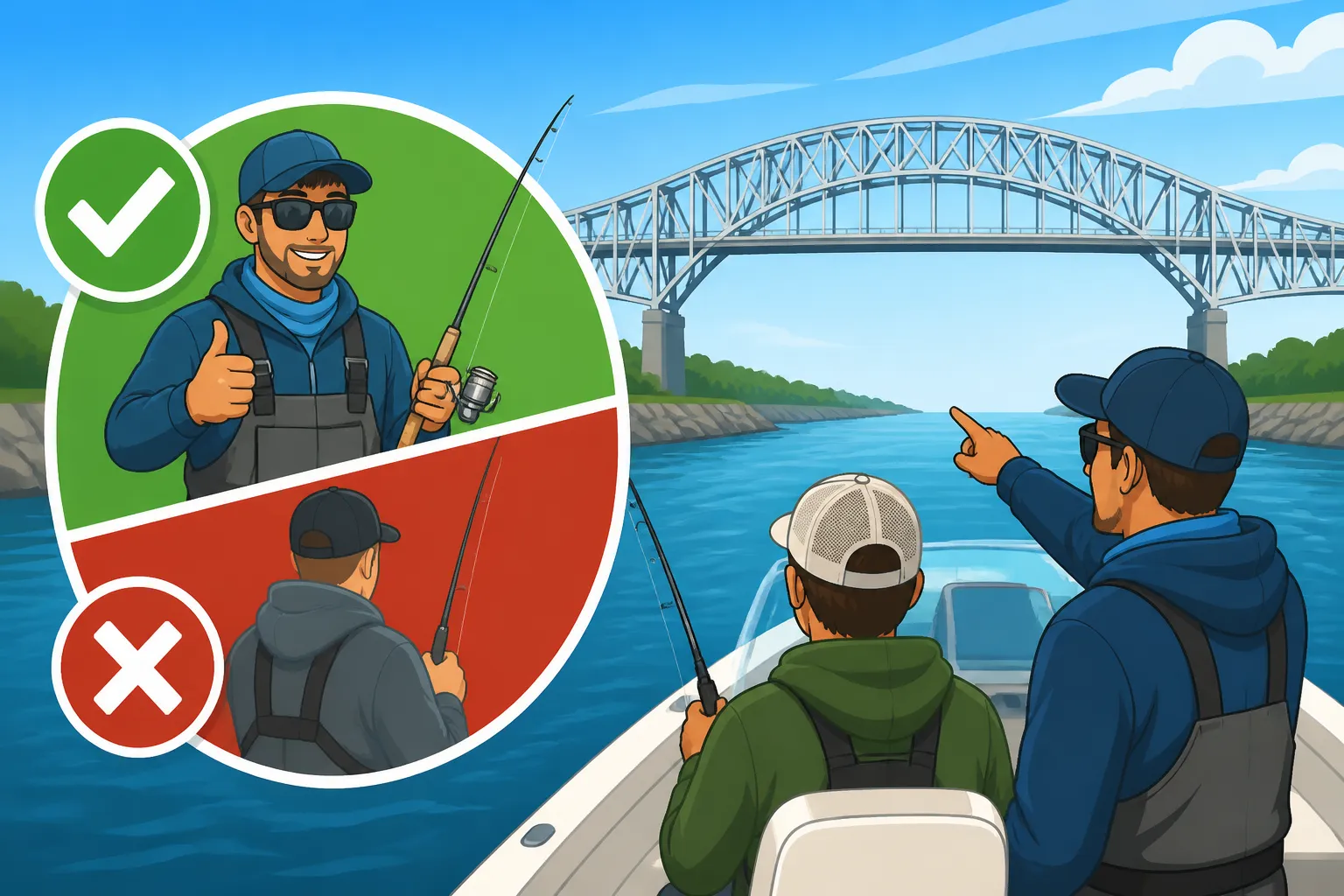
Beyond the catch, safety is paramount. The Canal, with its strong currents, slippery rocks, and fast-moving boat traffic, can be dangerous. A guide prioritizes your safety, pointing out hazards, ensuring you have appropriate footwear, and advising on safe casting practices. They are often CPR and first-aid certified and carry essential safety gear. This peace of mind allows you to focus on the fishing experience without constantly worrying about potential dangers.
How to Find and Book a Cape Cod Canal Fishing Guide
So, you're convinced a guide is the way to go for your Canal adventure. Great! Now, how do you go about finding the right one and ensuring you have a fantastic trip?
Where to Look for Reputable Guides
The first step is knowing where to find these knowledgeable Canal experts.
- Online Platforms: Websites like FishingBooker are excellent resources. They list numerous charter captains and guides operating in the Massachusetts area, including those specializing in the Cape Cod Canal. You can often see profiles, read reviews from other anglers, and compare services directly. It's a convenient way to get an overview of available options. FishingBooker also often has clear listings about what's included and pricing, which can be super helpful.
- Local Tackle Shops: Don't underestimate the power of local knowledge. Tackle shops around the Cape Cod Canal – places like Red Top Sporting Goods in Buzzards Bay or Maco's Bait & Tackle in Sagamore – are hubs for local fishing information. The staff often know the best local guides personally and can provide recommendations based on your specific interests (e.g., fly fishing, bait fishing, targeting big stripers).
- Fishing Forums and Social Media Groups: Online communities dedicated to Massachusetts fishing or Cape Cod Canal fishing are goldmines. Many guides are active in these groups, or you can ask for recommendations from experienced Canal anglers. Just be sure to do your due diligence on any recommendations.
- Word of Mouth: Sometimes the best way to find a guide is through another angler's glowing review. If you know someone who has had a successful trip to the Canal with a guide, ask them for their contact information.
When looking at options, especially on platforms like FishingBooker, pay attention to specialties. Some guides might focus on fly fishing, others on traditional spin gear. Some might specialize in specific tides or times of day (like night fishing for big bass).
What to Ask Before Booking Your Trip
Once you have a few potential guides in mind, it's time to ask some key questions to ensure they're a good fit for you and your group. Think of it as an interview to make sure your expectations align.
- Experience Level: How long have they been guiding the Cape Cod Canal specifically? Experience is crucial in a place like the Canal.
- Target Species and Techniques: What species do they primarily target, and what techniques do they specialize in? If you want to fly fish for stripers, make sure they offer that. If you're hoping for big migratory bass, confirm that's their focus.
- Inclusions: What does the trip price include? Does it cover tackle, bait, and lures? Do you need to bring your own Massachusetts saltwater permit? (Many guides expect you to have your own, but it's always good to confirm). Are snacks or drinks provided?
- Group Size and Type: Can they accommodate your group size? Are they accustomed to fishing with beginners or families with kids? Some guides specialize in teaching novices, which is a huge plus.
- Cancellation Policy: What happens if the weather is terrible, or if you need to cancel? Understanding their policy beforehand prevents headaches later. For more on this, check out Massachusetts Charter Fishing Cancellation Policies.
- Teaching Style: This is harder to gauge but important. Are they patient instructors, or do they prefer to just put you on fish? If you want to learn, look for a guide known for their teaching prowess.
- Safety Measures: Ask about their safety protocols and what safety equipment they carry. This is particularly important on the Canal.
Understanding Costs and Inclusions
The cost of hiring a Cape Cod Canal fishing guide can vary widely based on several factors: the guide's experience, the length of the trip (half-day versus full-day), the number of anglers, and what's included.
Generally, you can expect the cost to be a flat fee for the trip, not per person, though there might be a small additional charge for extra anglers beyond a certain number. This fee typically covers the guide's time, expertise, specialized tackle, and sometimes bait. It's always a good idea to clarify if high-end lures or specialty baits are extra. You can learn more about general costs in our article on the Cost of a Cape Cod Canal guided trip.
| Aspect | DIY Cape Cod Canal Fishing | Guided Cape Cod Canal Fishing |
|---|---|---|
| Cost | Lower upfront (license, gas, tackle, bait) but potentially higher long-term (lost tackle, wasted trips) | Higher upfront fee, but inclusive of expertise, gear, and increased success rate |
| Knowledge | Requires extensive personal research and trial-and-error over many trips | Instant access to decades of local knowledge, current patterns, and fish behavior |
| Success Rate | Highly variable, often low for beginners; can be frustrating | Significantly higher, as guide knows where and how to fish effectively |
| Learning Curve | Steep and slow, can take years to master nuances | Accelerated learning through hands-on instruction and immediate feedback |
| Safety | Angler responsible for all safety decisions and awareness of hazards | Guide prioritizes safety, provides expert advice, and carries essential safety equipment |
| Tackle | Must purchase or bring all specialized gear, often expensive | Guide provides appropriate, high-quality, and specialized tackle for Canal conditions |
| Flexibility | Complete freedom to fish whenever/wherever (within legal limits) | Schedule fixed with guide, but guide can adapt on the fly to changing conditions for best results |
Remember that tipping your guide is customary and appreciated if they've provided a great experience. While not a fixed rule, a common range is 15-20% of the trip cost, especially if they went above and beyond.
So, yes, you absolutely can hire a guide for the Cape Cod Canal, and for many anglers, it's the best way to experience this truly magnificent, yet challenging, fishing destination. Whether you're a seasoned angler looking to unlock the Canal's secrets or a complete beginner hoping to catch your first striped bass, a knowledgeable guide can make all the difference, transforming a potentially frustrating outing into a memorable and successful adventure. Don't hesitate to explore your options and book a trip that will set you on the path to becoming a true Canal angler!
Disclaimer
This article is for general informational purposes only and does not constitute professional advice. Laws, prices and regulations vary by location and change over time. Consult a qualified professional for guidance on your specific situation.