The Massachusetts Wildlands Conservation Stamp Explained
Navigating the world of fishing licenses and permits in Massachusetts can sometimes feel like trying to untangle a particularly stubborn knot in your fishing line. Beyond the basic freshwater or saltwater permits, you might have noticed an additional item pop up when you're purchasing your license: the Wildlands Conservation Stamp. This little stamp often sparks confusion, with many anglers wondering exactly what it is, if they really need it, and what their hard-earned money is actually going towards. This comprehensive guide will explain everything you need to know about the Massachusetts Wildlands Conservation Stamp, ensuring you're fully informed and compliant before your next trip.
What Exactly is the Massachusetts Wildlands Conservation Stamp?
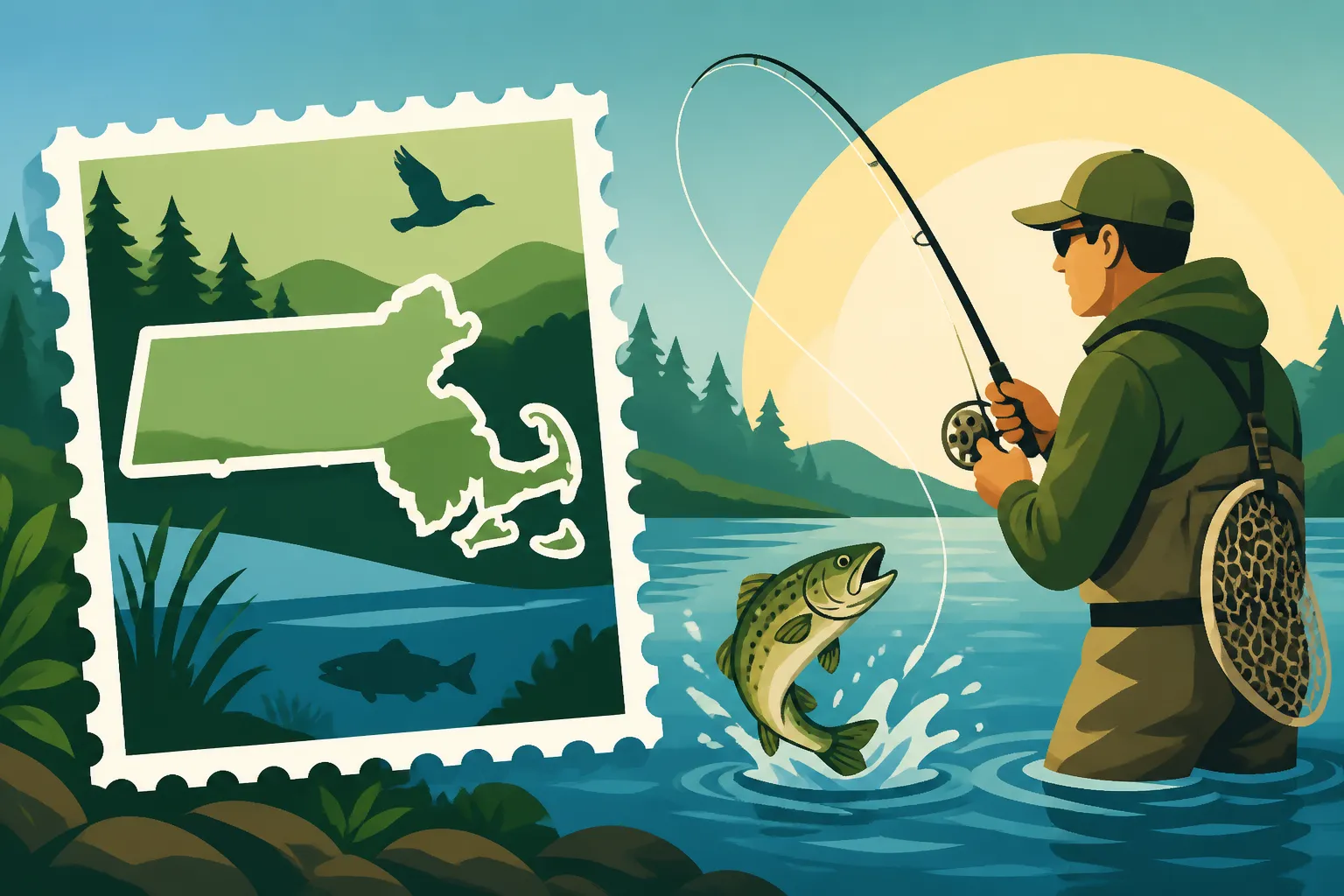
When you buy a fishing license in Massachusetts, you're not just paying for the privilege of casting a line; you're also contributing to the health of the state's natural resources. The Wildlands Conservation Stamp is a perfect example of this. It's an additional requirement for most fishing licenses and is specifically designed to generate funds for the conservation, acquisition, and protection of wildlife habitats and open spaces across Massachusetts. Think of it as your personal contribution to keeping Massachusetts wild and beautiful for generations to come.
More Than Just a "Fee" – It's an Investment
Unlike a standard license fee that primarily covers the administrative costs of licensing and some immediate stocking or enforcement, the Wildlands Conservation Stamp serves a much broader, long-term purpose. It's a dedicated funding mechanism for MassWildlife's critical conservation initiatives. The money from these stamps goes directly into programs that preserve crucial wildlife habitats, restore degraded ecosystems, and maintain the public lands and waters that we all enjoy for recreation. It's an investment in the future of fishing, hunting, and wildlife viewing in the Commonwealth, ensuring that the places we cherish remain vibrant and accessible.
This stamp is a testament to the idea that outdoor recreation and conservation are two sides of the same coin. Anglers and hunters, by purchasing this stamp, become direct stakeholders in the health of the very environments they seek to enjoy. It helps secure land for public access, making sure there are always new spots to explore and old favorites to return to. When you're out fishing a tranquil pond or a bustling river, knowing that your stamp helped protect that very spot adds an extra layer of meaning to your experience.
Who Needs to Purchase This Stamp?
Here's where some of the confusion often lies. The Wildlands Conservation Stamp isn't universally required for everyone who fishes or hunts in Massachusetts, but it's a pretty broad requirement for most adult anglers and hunters. Generally, if you're 18 years of age or older and require either a Massachusetts Freshwater Fishing License Costs and Rules or a Massachusetts Saltwater Recreational Fishing Permit Explained (or any hunting license), you'll likely need to purchase the Wildlands Conservation Stamp.
There are specific exemptions, of course. For instance, anglers under the age of 18 are typically exempt from needing the stamp, just as they are exempt from needing a full adult fishing license in many cases. This means that younger anglers can enjoy the waters without this extra step. However, for most adults, whether you're a Massachusetts resident or a non-resident visiting our beautiful state for a fishing trip, if you're buying a regular annual or short-term fishing license, expect to add the Wildlands Conservation Stamp to your cart. Understanding Massachusetts Fishing License Requirements by Age can help clarify who needs what at various stages of life.
It's crucial to confirm this requirement each year, as regulations can occasionally shift. The MassWildlife website and the MassFishHunt system, where you purchase your licenses, will automatically prompt you if the stamp is required for your specific license type. This ensures that you don't accidentally overlook it and potentially face compliance issues later on.
The Financial Side of the Wildlands Conservation Stamp
Nobody likes unexpected costs, especially when you're just trying to get out and enjoy a day on the water. Understanding the actual cost of the Wildlands Conservation Stamp and exactly where that money goes can make it feel less like an added expense and more like a valuable contribution. It's not just another line item on your receipt; it's a direct investment in the outdoors we all love.
Understanding the Current Cost
The cost of the Wildlands Conservation Stamp is a modest additional fee on top of your fishing or hunting license. As of my last check, the stamp costs a fixed amount, which is currently set at $5.00. This fee applies consistently to both residents and non-residents who are required to purchase it. It’s important to remember this is separate from the base cost of your Massachusetts Resident Fishing License Cost or your Massachusetts Nonresident Fishing License Cost. When you're calculating the total expense for your fishing season, make sure to factor in this stamp along with your chosen license type, whether it's for freshwater or saltwater fishing.
While the stamp itself is a flat fee, the total cost for getting licensed will vary based on whether you need a freshwater license, a saltwater permit, or a combination. For example, a Massachusetts resident purchasing an annual freshwater fishing license will pay the license fee plus the $5.00 for the Wildlands Conservation Stamp. A non-resident looking for a short-term license will also add the $5.00 stamp if they are over 18. This collective contribution, while small for each individual, adds up to a significant pool of funds dedicated to preserving Massachusetts' natural heritage.
How the Funds are Utilized
This is arguably the most important aspect of the Wildlands Conservation Stamp: its direct impact. Every dollar collected from the sale of these stamps goes into a dedicated fund managed by MassWildlife (the Massachusetts Division of Fisheries and Wildlife). These funds are strictly earmarked for specific conservation purposes, primarily focused on:
- Land Acquisition: A significant portion of the funds helps MassWildlife purchase and protect critical habitats and open spaces. This means securing vital breeding grounds, migration corridors, and feeding areas for a wide variety of wildlife, from deer and turkeys to rare amphibians and migratory birds. It also often means acquiring new parcels of land that can be opened up for public recreation, including fishing, hunting, hiking, and birdwatching. Imagine a beautiful, pristine stretch of riverbank or a quiet forest pond; your stamp helps ensure these places exist and remain accessible.
- Habitat Restoration and Management: Beyond just acquiring land, the stamp supports the active management and restoration of existing habitats. This can involve projects like improving water quality in streams, creating better nesting sites for waterfowl, controlling invasive species that threaten native plants and animals, or managing forest health to support diverse ecosystems. These efforts are crucial for sustaining healthy fish populations and the overall biodiversity of the Commonwealth.
- Public Access Development: These funds also contribute to improving and maintaining public access to natural areas. This could mean developing new boat ramps, enhancing fishing piers, creating parking areas, or maintaining trails that lead to prime fishing spots. When you're looking for Best Fishing Spots in Massachusetts, know that the accessibility and health of many of those spots are supported by these very conservation efforts.
The impact of the Wildlands Conservation Stamp is far-reaching, directly linking your passion for fishing to the preservation of the very landscapes and waters that make that passion possible. It's a transparent and effective way that MassWildlife ensures the long-term health of Massachusetts' natural resources.
Acquiring Your Wildlands Conservation Stamp
Getting your Wildlands Conservation Stamp is usually a straightforward part of the overall fishing license purchase process. Since it's linked directly to your fishing or hunting license, you won't typically be buying it as a standalone item. The good news is that MassWildlife has streamlined the process, making it quite convenient for anglers across the state.
Online Purchase Through MassFishHunt
For most anglers, the easiest and most common way to acquire your Wildlands Conservation Stamp is through the MassFishHunt online licensing system. This platform is the official portal for purchasing all your Massachusetts fishing and hunting licenses and permits. When you go to buy your annual or short-term fishing license (whether freshwater or saltwater), the system will automatically prompt you to add the Wildlands Conservation Stamp if it's required for your age and license type.
The process is intuitive:
- Log In or Create an Account: Head over to the MassFishHunt website. If you've purchased a license before, you'll have an account. If not, it's quick and easy to set up your MassFishHunt account setup guide.
- Select Your License: Choose the appropriate fishing license you need (e.g., "Freshwater Fishing," "Saltwater Recreational").
- Add the Stamp: As you proceed, the system will show the Wildlands Conservation Stamp as a required add-on for most adult licenses. You'll see the $5.00 fee clearly listed.
- Checkout: Complete your purchase, and your license, along with the stamp, will be issued digitally. You can then print it at home or carry proof on your phone.
The online system is available 24/7, making it incredibly convenient. This means you can purchase your license and stamp any time, day or night, right from the comfort of your home, before heading out to your favorite fishing spot.
In-Person Vendor Options
If you prefer a more traditional approach, or if you simply enjoy the interaction, you can also purchase your fishing license and the associated Wildlands Conservation Stamp in person at various vendor locations throughout Massachusetts. These vendors typically include sporting goods stores, bait and tackle shops, and some town clerks' offices that are authorized to sell MassWildlife licenses.
Visiting a local vendor can be a great way to support small businesses in your community, and you might even pick up some local fishing tips or the right bait while you're there! When you purchase in person, the vendor uses the same MassFishHunt system, so the process for adding the Wildlands Conservation Stamp remains consistent. Just let them know what type of fishing license you need, and they'll guide you through the purchase, including the stamp if applicable. You can find a list of these locations on the MassWildlife website or by searching for Where to buy a Massachusetts fishing license in person.
| Feature | Online (MassFishHunt) | In-Person (Vendors) |
|---|---|---|
| Availability | 224/7, from anywhere with internet access | During business hours of authorized vendors |
| Convenience | Highly convenient, no travel required | Requires travel to a physical location |
| Payment Options | Credit/debit card, often e-check | Cash, credit/debit card (varies by vendor) |
| Instant Issuance | Yes, printable immediately or viewable on phone | Yes, printed on site |
| Support Local Business | Indirectly, through MassWildlife funding | Directly, supports local bait shops, sporting goods |
| Additional Info/Tips | Self-service | Opportunity to ask staff for local advice |
| Wildlands Stamp Inclusion | Automatically prompted if required for your license | Vendor will include it if required for your license |
When to Get Your Stamp and How Long it Lasts
The Wildlands Conservation Stamp operates on the same validity period as the annual fishing or hunting license it's attached to. For Massachusetts, most annual fishing licenses are valid for a calendar year, typically from January 1st through December 31st. So, if you purchase your license and stamp in March, they will both expire on December 31st of that same year.
It's wise to purchase your license and stamp before your first fishing trip of the year to ensure you're always covered. While there isn't a "grace period," renewing early helps avoid any last-minute scramble or potential issues with being caught without the necessary permits. Keep an eye on the expiration date of your license, usually printed right on it, and plan to renew both your license and the stamp annually. This consistent renewal ensures the continuous flow of funds for the vital conservation work that the stamp supports.
Common Misconceptions and Clarifications
It's completely normal to have questions about fishing regulations, especially when there are multiple permits and stamps involved. Let's clear up some common misunderstandings surrounding the Massachusetts Wildlands Conservation Stamp to make sure you're fully informed and confident when you hit the water.
Is it Required for Both Fresh and Saltwater Fishing?
Yes, for most adult anglers, the Wildlands Conservation Stamp is required whether you're heading to a freshwater pond to catch largemouth bass or venturing out into the ocean for striped bass. The purpose of the stamp is habitat conservation across the state, and both freshwater and saltwater ecosystems are vital components of Massachusetts' natural heritage.
Therefore, if you purchase an annual Massachusetts Freshwater Fishing License or a Massachusetts Saltwater Recreational Fishing Permit Explained, and you are 18 years or older, you will need the Wildlands Conservation Stamp. This broad application ensures that funds are available for conservation efforts that benefit a wide array of species and habitats, from the rivers and lakes of Western Mass to the coastal estuaries and offshore waters. The requirement is not tied to the specific type of water body, but rather to the act of recreational fishing itself for adult participants. For a deeper dive into these distinctions, you might want to read about Massachusetts Freshwater vs Saltwater License Differences.
Exemptions and Special Circumstances
While the Wildlands Conservation Stamp is broadly required, there are indeed specific circumstances and demographics that are exempt from needing to purchase it. Knowing these can save you a few dollars or clarify your own status.
Generally, the following individuals are exempt:
- Youth Anglers: As mentioned earlier, anglers under the age of 18 typically do not need to purchase the Wildlands Conservation Stamp. This aligns with most youth fishing license exemptions in Massachusetts.
- Senior Anglers with Specific Licenses: While not all seniors are exempt, some specific senior license types might have this requirement waived or included. It's always best to check the current MassWildlife regulations for seniors, particularly if you qualify for a free or discounted senior license. You can find more specific details by looking into Massachusetts Senior Fishing License Discounts.
- Disabled Veterans and Military Members: Massachusetts offers certain benefits to disabled veterans and active military personnel, which may include exemptions from certain fees or the requirement for the Wildlands Conservation Stamp. This is a way of honoring their service. If you are a disabled veteran or active military, check the specific details regarding Massachusetts Fishing License for Disabled Veterans or Massachusetts Fishing License for Military Members on the MassWildlife website.
- Anglers on Free Fishing Days: During special Free Fishing Days in Massachusetts, when residents and non-residents can fish without a license, the Wildlands Conservation Stamp requirement is also waived. These days are designed to encourage participation and remove barriers for newcomers.
It's critical to verify your specific situation with MassWildlife's official regulations, as these rules can occasionally be updated. The MassFishHunt system will typically guide you correctly, but understanding the nuances can help avoid any confusion.
Penalties for Non-Compliance
Fishing without the proper licenses and permits, including the required Wildlands Conservation Stamp, can lead to unpleasant consequences. Nobody wants their peaceful day on the water interrupted by a run-in with environmental police due to a missing stamp. The Massachusetts Environmental Police (MEP) regularly patrol fishing areas, both freshwater and saltwater, to ensure compliance with all state fishing regulations.
If you are found fishing without a required Wildlands Conservation Stamp, alongside any other missing licenses, you could face penalties. These can range from warnings to fines. The exact fine amount can vary depending on the specific violation and whether it's a first offense. Generally, the penalties for fishing without a required license or permit in Massachusetts can be substantial. For instance, initial fines might be in the hundreds of dollars, significantly more than the modest $5.00 cost of the stamp itself. Beyond the financial aspect, repeated offenses could lead to more severe penalties, including the suspension of future licensing privileges. It's simply not worth the risk. Always ensure you have your valid fishing license and the Wildlands Conservation Stamp with you, either as a physical printout or accessible on your phone, to present if requested by an officer. Knowing the Penalties for Fishing Without a License in Massachusetts is essential for every angler.
The Greater Impact: Why Your Stamp Matters
It's easy to see the Wildlands Conservation Stamp as just another mandatory fee, another few dollars added to the total cost of getting out on the water. But for those of us who truly love fishing and appreciate the natural beauty of Massachusetts, understanding the profound impact of this small contribution can transform that perception. This stamp isn't just about covering costs; it's about actively building and sustaining the future of our outdoor legacy.
Supporting Massachusetts' Rich Biodiversity
Massachusetts is home to an incredible array of wildlife, from the migratory birds that pass through our coastal marshes to the deer and bears that roam our western forests, and of course, the diverse fish populations in our fresh and saltwater environments. The funds generated by the Wildlands Conservation Stamp are a cornerstone of MassWildlife's efforts to protect and enhance this biodiversity.
Your $5.00 goes towards projects that preserve critical habitats for endangered species, restore degraded wetlands that serve as nurseries for fish, and manage forests to ensure healthy ecosystems for all flora and fauna. These are not abstract initiatives; they are tangible, on-the-ground projects that directly benefit the state's natural resources. When MassWildlife acquires a new parcel of land with these funds, it's not just another piece of property; it's a sanctuary for wildlife and often a new or expanded area for public enjoyment. This ensures that future generations will have the opportunity to experience the same rich, vibrant natural world that we do today. It's a fundamental investment in the ecological health of the entire Commonwealth.
Ensuring Future Fishing Opportunities
For anglers, the connection between the Wildlands Conservation Stamp and future fishing opportunities is direct and undeniable. Healthy fish populations depend on healthy habitats. When the stamp's funds are used to improve water quality in a river, restore riparian buffers, or protect spawning grounds, these actions directly translate into more robust and sustainable fish stocks.
Consider the example of trout fishing in Massachusetts. The ability to enjoy vibrant Trout Fishing in Massachusetts in well-maintained rivers and stocked ponds relies heavily on conservation efforts. Similarly, the continued health of Striped Bass Fishing in Massachusetts and other marine species is intrinsically linked to the protection of coastal estuaries and marine environments. By contributing to land acquisition, the stamp also helps ensure that anglers will always have places to access these healthy waters. It means public land for shore fishing, access points for kayaks and boats, and protected wilderness areas where you can truly escape and connect with nature. This small fee plays a pivotal role in guaranteeing that the thrill of a bending rod and the beauty of Massachusetts' waters will be available for many years and many anglers to come.
Massachusetts Wildlands Conservation Stamp Overview
Here's a quick summary of the key details regarding the Wildlands Conservation Stamp:
| Feature | Details |
|---|---|
| Purpose | Dedicated funding for wildlife habitat conservation, land acquisition, and open space protection in Massachusetts. |
| Current Cost | $5.00 (as of current regulations) |
| Who Needs It | Most anglers and hunters aged 18 and older who require an annual or short-term fishing or hunting license (both freshwater and saltwater). |
| Exemptions | Anglers under 18, some senior license holders, disabled veterans, active military, and during official Free Fishing Days. |
| Where to Purchase | Primarily online via the MassFishHunt system, or in-person at authorized vendors (sporting goods stores, bait shops, some town clerks). |
| Validity | Lasts for the same calendar year (January 1 – December 31) as the fishing or hunting license it is purchased with. |
| Enforcement | Enforced by Massachusetts Environmental Police. Fishing without a required stamp can result in fines and other penalties. |
| Impact | Supports biodiversity, habitat restoration, public access development, and ensures sustainable fishing and wildlife opportunities for future generations. |
Disclaimer
The information provided in this guide is intended for general informational purposes only and is subject to change. While we strive to provide accurate and up-to-date content, fishing regulations, license costs, and conservation stamp requirements can be updated by the Massachusetts Division of Fisheries and Wildlife (MassWildlife) at any time. Always consult the official MassWildlife website or the MassFishHunt online licensing system for the most current and authoritative information before purchasing your licenses or heading out to fish. Compliance with all state and federal regulations is the responsibility of each individual angler.