What’s included in a full-day charter price
Anglers in Massachusetts often face that nagging uncertainty when booking a fishing charter: "What exactly am I paying for?" It's a common frustration to see a seemingly great "full-day" price, only to wonder what hidden costs might pop up once you're on the boat or back at the dock. This guide is here to unravel the mystery, breaking down what's typically included in a full-day fishing charter price in Massachusetts and what you should always be prepared to cover separately. Understanding these details upfront can save you stress and ensure your day on the water is as smooth and enjoyable as possible.
Understanding the Base Price: What It Usually Covers
When you're shelling out for a full-day fishing charter, you're not just renting a boat. You're buying into a whole experience that comes with a significant amount of preparation, expertise, and infrastructure. The advertised price for a full-day trip in Massachusetts typically covers the fundamental components that make the adventure possible and, most importantly, successful. Let's break down these core inclusions so you know what to expect when you step aboard.
The Boat and Crew
This might seem obvious, but it's the absolute cornerstone of your charter experience. When you book a full-day fishing charter in Massachusetts, a substantial portion of that cost goes directly towards the vessel itself and the highly skilled professionals who operate it. You're essentially hiring a floating, expertly run operation. This includes the captain's extensive experience navigating local waters—whether it's the challenging currents of the Cape Cod Canal Fishing Guide for Massachusetts Anglers, the vast expanse of Nantucket Sound, or the tricky shoals off the Outer Cape. Their knowledge of local tides, fish movements, intricate bottom structures, and ever-changing weather patterns is invaluable, accumulated over countless hours on the water, and it's a huge part of what makes your trip successful.
Beyond the captain, most full-day charters, especially those targeting larger species or involving more complex techniques, will have a dedicated mate or first mate. This person is your hands-on helper throughout the day. They're rigging baits with precision, untangling lines with surprising speed, explaining techniques, gaffing your catch, and generally making sure your fishing experience is smooth, safe, and enjoyable. Their hard work is physically demanding and absolutely essential, often starting before you even arrive at the dock and continuing long after you've departed, as they clean the boat, organize tackle, and prepare for the next trip. The wages and livelihoods of these experienced individuals are built into the charter's upfront cost, ensuring you have a knowledgeable, safe, and productive day on the water.
So, when you see that full-day price, remember you're not just getting a ride out to a fishing spot. You're securing the expertise, safety, and dedicated service of a professional team who are committed to putting you on fish and ensuring you have a memorable experience. This human element, combined with the significant investment in the vessel itself, forms the bedrock of your charter fee.
Fuel, Bait, and Tackle
Now, let's talk about the actual nuts and bolts of catching fish. One of the biggest advantages of booking a full-day charter is that you typically don't have to worry about the logistics and fluctuating costs of fuel, bait, and tackle—these crucial elements are almost always baked into the initial price. Imagine trying to calculate the amount of fuel needed for an offshore trip chasing Massachusetts Bluefin Tuna Charters or a full day of bottom fishing for scup; it's a headache most anglers don't want. Charter captains meticulously factor in the varying costs of diesel or gasoline, ensuring they can take you to the best fishing spots, even if they are many miles offshore or require multiple moves throughout the day.
Then there's the bait. Fresh, lively bait can truly make or break a fishing day, and sourcing it correctly for the target species is an art form that requires effort and expense. Whether it's live mackerel for striped bass, squid for fluke, crabs for tautog, or bunker for bluefish, the captain and crew usually handle purchasing, preparing, and maintaining the right bait for your specific target. This isn't cheap, especially for a full boat of anglers, and it requires significant effort to acquire and keep fresh. Many online platforms like FishingBooker explicitly state that bait is included, giving you peace of mind that you won't face an unexpected bill for your worms or clams.
Finally, tackle. Charter boats are outfitted with high-quality rods, reels, lines, and terminal tackle (hooks, weights, swivels, lures) that are specifically chosen and maintained for the type of fishing and the often powerful fish you'll be targeting in Massachusetts waters. This gear is incredibly expensive to buy, maintain, repair, and replace. You won't have to worry about bringing your own rod or if your reel is strong enough for that monster striped bass; the boat has you covered with commercial-grade equipment. This inclusion removes a major barrier for casual anglers or those visiting from out of state who don't want to transport specialized gear or invest in expensive equipment they might only use once.
Basic Gear and Safety Equipment
Beyond the fishing-specific gear, a full-day Massachusetts fishing charter's price includes all the necessary basic equipment and, critically, comprehensive safety gear. This often goes unmentioned but is a non-negotiable part of any reputable charter operation. Think about it: every commercial vessel is required by law to have a certain amount of safety equipment on board, from properly sized and readily accessible life jackets for every passenger to flares, emergency signaling devices, first-aid kits, and reliable communication devices like VHF radios. These aren't just niceties; they are legal requirements and absolutely vital for your well-being on the open water.
Furthermore, basic amenities designed for passenger comfort and convenience are also typically covered. This includes a cooler for your catch (though you might want to bring your own for personal drinks and snacks, as we'll discuss later), a clean restroom facility (a real lifesaver on an 8-hour trip!), and sometimes even a heated or air-conditioned cabin depending on the vessel and the season. While the expectation is that you come dressed appropriately for the weather, the core comfort features and facilities are part of the boat's overall offering. The captain is responsible for ensuring all this equipment is present, in good working order, regularly inspected, and fully compliant with Coast Guard regulations. It’s a significant operational cost that ensures your safety, comfort, and peace of mind throughout your fishing adventure. It’s comforting to know that when you step aboard, all these fundamental elements are already taken care of, allowing you to focus purely on the thrill of the fishing experience.
Common "Extras" That Aren't Always Included
Now for the part that can sometimes catch folks off guard: what's not always included in that seemingly all-encompassing full-day charter price. Understanding these potential additional costs upfront is crucial to avoiding any unwelcome surprises and ensuring you budget appropriately for your Massachusetts fishing trip. Being prepared for these "extras" will ensure a smoother, more enjoyable day for everyone involved.
Fishing Licenses and Permits
This is probably the most common oversight for many anglers, especially those new to fishing in Massachusetts or visiting from out of state. While your charter boat itself operates under specific commercial licenses and permits, you, as an individual angler, are almost always responsible for obtaining your own valid Massachusetts Saltwater Recreational Fishing Permit Explained or a Massachusetts Freshwater Fishing License Costs and Rules, depending on where and what you're fishing for. Many people mistakenly assume that because they're on a licensed charter, they are automatically covered by the boat's permits. That's a myth! Even if you're only planning to catch and release, you need the proper permit.
The costs for these individual permits are generally quite modest, but they are a separate expense that is not included in the charter fee. You can usually purchase them quickly and easily online through the MassFishHunt system, at most bait and tackle shops, or through other authorized sporting goods vendors across the state. The captain and crew cannot legally provide or sell these individual permits on board, so it's entirely up to you. Imagine getting all the way out to your favorite fishing grounds only to realize you don't have a valid permit; it's a sure-fire way to ruin an otherwise perfect day and could potentially lead to fines. Always double-check the current requirements for Massachusetts Fishing License Requirements by Age well in advance of your trip. When browsing options on reputable platforms like FishingBooker, pay close attention to the details; reputable charters will almost always remind you about individual license requirements in their booking information or pre-trip communications.
Fish Cleaning and Filleting Services
You've had an incredible day, battling some impressive fish, and now you have a cooler full of fresh catch. The question often arises at the end of the trip: "Will the crew clean my fish?" While some charters do include basic fish cleaning (like gutting and gilling) as part of their complimentary service, especially for smaller catches like scup or mackerel, many charter operations will charge an additional fee for more extensive filleting, skinning, and bagging. This is particularly true for larger species like striped bass, cod, or tuna, which require more time, specialized skill, and significant effort to process properly.
Think of it this way: the crew has been working hard all day to put you on fish, rig lines, ensure your safety, and assist with your catches. Filleting a boatload of fish after a full-day trip can take a substantial amount of extra time and effort—often an hour or more of skilled labor after the boat is tied up and guests typically want to depart. It's often viewed as a separate service that goes beyond the core fishing experience. This fee, if applicable, is usually discussed beforehand when you book, or it will be clearly posted on the boat or mentioned by the crew at the start of the trip. It's completely reasonable for them to charge for this extra labor, especially considering how much more convenient it is to take home neatly packaged fillets ready for cooking, rather than whole, uncleaned fish. Don't be shy to ask about their policy when you inquire about booking or even before you step on board. It helps manage expectations and allows you to budget accordingly for that delicious fresh seafood dinner you're anticipating!
Food, Drinks, and Personal Items
While some very high-end, multi-day, or specialized offshore charters might offer catered meals and beverages as part of their premium package, for most standard full-day fishing charters in Massachusetts, you are generally responsible for bringing your own food, snacks, and drinks. This is absolutely crucial for your comfort and energy levels throughout the day. A full-day trip typically means 6 to 8 hours (or even more) out on the water, and you will definitely get hungry and thirsty. Dehydration and low blood sugar can quickly sap your energy, lead to fatigue, and even make you feel unwell, especially with constant sun exposure and the refreshing sea air.
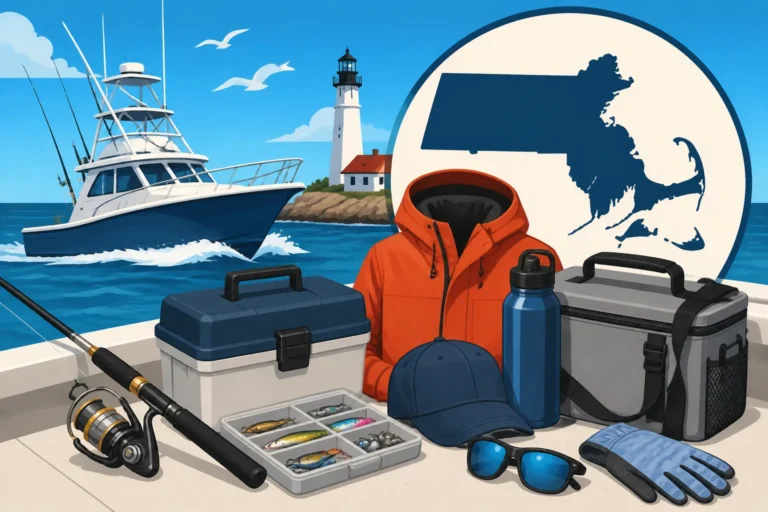
Pack a cooler with sandwiches, chips, fruit, plenty of bottled water, and maybe some sodas or sports drinks. Consider foods that are easy to eat with one hand and won't create a huge mess or require a lot of utensils. While most charters have a large cooler on board for your catch, do not assume they have extra space for your personal provisions, or that they will provide ice for your personal cooler beyond what's needed for the fish hold. In addition to food and drink, don't forget essential personal items like sunscreen (reapply frequently!), polarized sunglasses, a wide-brimmed hat, appropriate clothing layers (it can get surprisingly chilly even on a warm day, especially offshore or when the boat is moving), and any personal medications you might need. If you're prone to motion sickness, bring your preferred remedy and take it before the boat leaves the dock – there's nothing worse than feeling queasy hours from shore. Our guide What to Bring on a Massachusetts Fishing Charter offers more comprehensive packing tips.
The All-Important Tip for the Crew
This is perhaps the most significant "extra" that anglers often forget or underestimate, but it's incredibly important and deeply appreciated. Tipping the captain and crew is customary and highly encouraged in the charter fishing industry, much like it is in the restaurant or hospitality sector. The crew, especially the mate, works tirelessly and often behind the scenes to ensure you have a fantastic, safe, and productive experience. They prepare the boat, rig lines, bait hooks, tirelessly assist you in fighting fish, untangle frustrating snags, gaff your prized catch, and then handle all the extensive cleanup and preparation after you've left. Their income often heavily relies on these well-deserved gratuities.
A good rule of thumb for tipping is typically 15-20% of the total charter price for excellent service. If the mate went above and beyond, showed exceptional skill, or if you had an exceptionally productive day (which is often a direct result of their hard work), feel free to give more. It's a direct and meaningful way to show your appreciation for their professionalism, expertise, and dedicated effort. Even if the fishing was slow (which, let's be honest, can happen; it's fishing!), a good crew still works incredibly hard to make the most of the day, moving the boat, trying different baits, and keeping spirits high. A generous tip acknowledges their effort regardless of the fish count. Often, you'll hand the tip directly to the mate at the end of the trip, who will then typically split it with the captain. Our article Is Tipping Expected on a Massachusetts Fishing Charter? delves deeper into this topic and etiquette. When planning your budget for a full-day charter, always factor in this significant, but well-deserved, expense.
Factors Influencing a Full-Day Charter's Cost
It's not just about what's included; the price itself for a full-day charter can vary widely across Massachusetts. Understanding these underlying factors can help you make an informed decision when comparing options and budgeting for your fishing adventure. Different variables contribute to the overall operational costs of a charter, which are then reflected in the price you pay.
Target Species and Trip Type
One of the biggest drivers of a full-day charter's price is the specific fish you're targeting and the type of trip required to catch them. For example, a full-day inshore trip targeting Striped Bass Fishing in Massachusetts in nearshore waters or Massachusetts Fluke Size Limits Explained in Buzzards Bay might be considerably less expensive than a full-day offshore excursion chasing powerful Massachusetts Bluefin Tuna Charters far out in the Atlantic or venturing out for shark fishing on the canyons. The reason is simple: logistics and resources.
Offshore trips require significantly more fuel to travel longer distances, often into rougher, more unpredictable seas. They also typically demand more specialized, heavy-duty tackle that can withstand the immense power and prolonged battles with large pelagic fish. Furthermore, the expertise required to locate and successfully battle these apex predators in the vast expanse of the ocean is highly specialized and developed over many years, and you're paying for that seasoned knowledge and experience. Tuna charters, for instance, often involve more complex and expensive equipment like outriggers, specialized sonar, fighting chairs, and a higher consumption of premium bait, and the wear and tear on the boat from fighting giant fish is considerable. All of these factors—longer travel times, more expensive equipment, and a higher skill set from the crew—contribute directly to a higher price tag. Always clarify your target species and preferred trip type when booking; you'll find different pricing tiers on platforms like FishingBooker for different types of fishing adventures.
Boat Size and Amenities
The vessel itself plays a substantial role in the overall cost of a full-day charter. Generally speaking, larger, more luxurious, and better-equipped boats will command higher prices for several compelling reasons. First, they are inherently more expensive to purchase, maintain, and insure, especially with advanced electronics and powerful engines. Second, while a larger boat might be able to accommodate more passengers, the base price is usually for the entire trip (or for a set number of passengers with an extra charge for additional people), meaning a larger boat could offer a slightly better per-person value if you fill it with a larger group of friends or family. Third, and very significantly, larger boats often come equipped with more amenities that enhance comfort and the overall experience.
Consider the stark difference between a smaller, fast center console designed for inshore light tackle action and a large, comfortable sportfisher with an air-conditioned cabin, multiple bunks, a full galley, and state-of-the-art navigation and fish-finding electronics. The latter offers a much higher level of comfort and convenience, especially on long runs to distant fishing grounds or in less-than-ideal weather conditions. These amenities, while not directly related to simply catching fish, enhance the overall experience by providing shelter, a comfortable place to relax or escape the elements, and often a more stable platform for fighting powerful fish. These added comforts and capabilities come with a significantly higher operational cost for the charter business. When choosing a charter, think about your group size, your comfort preferences, and how long you'll realistically be out on the water. A basic "no-frills" boat will naturally have a lower price than a luxury option, even for the same duration.
Time of Year and Duration
The fishing season in Massachusetts is cyclical, and consequently, the demand for charters (and therefore the price) can fluctuate considerably based on the time of year and the specific duration of your trip. Peak fishing seasons for highly sought-after species like striped bass or bluefin tuna will almost always see higher charter rates due to increased demand. During these prime months, captains can easily fill their schedules, allowing them to charge a premium for their highly sought-after services. Booking a full-day Massachusetts Striped Bass Charters trip in the heart of summer, say July or August, for instance, might be more expensive than booking the exact same trip in late May or early October, even though the fishing can still be absolutely fantastic during the shoulder seasons.
Furthermore, while this guide focuses on "full-day" charters, it's important to understand that the exact definition of "full-day" can vary slightly between different charter operations, and longer trips will naturally cost more. A 6-hour "full-day" might be priced differently than an 8-hour or a 10-hour trip, especially when venturing offshore where travel time is a major factor. Early season or late season trips, when the weather can be more unpredictable or certain species aren't in their absolute prime, might occasionally come with slightly reduced rates as captains try to fill their calendars. Always carefully check the specific duration listed for the "full-day" option you're considering and understand that seasonal demand is a very real factor in pricing. Don't be afraid to ask about Are Charters Cheaper in Spring Than Summer? if you have flexibility with your travel dates and are looking for a potentially better value.
Making the Most of Your Charter Experience
Booking a full-day fishing charter in Massachusetts is an investment in an unforgettable adventure on the water. To ensure you get the absolute most value for your money, avoid any unpleasant surprises, and maximize your enjoyment, a little proactive planning and clear communication go an incredibly long way. Being prepared will allow you to relax and fully immerse yourself in the thrill of the chase.
Questions to Ask Before Booking
Before you commit to a specific full-day charter, don't hesitate to ask a few key questions. A reputable captain or booking agent will be more than happy to provide clear and honest answers, as transparency benefits everyone. First and foremost, always confirm what is specifically included in the quoted full-day price. Ask directly about essentials like bait, tackle, and fuel. Crucially, clarify whether fish cleaning and filleting services are part of the package or if there's an extra charge. Clarity here prevents any awkward moments or unexpected costs at the end of a long day. If you're looking for specialized trips like Massachusetts Bluefin Tuna Charters, verify if the price covers the more expensive, heavy-duty, and specialized gear often required for these powerful fish.
Next, inquire specifically about fishing licenses and permits. While we've extensively covered that you generally need your own, it's a good practice to ask if they have any specific guidance on where to purchase them or if there are any unique requirements for their particular type of trip (e.g., certain federal permits for highly migratory species). You'll also want to ask about the maximum number of passengers that can be comfortably accommodated on their vessel, especially if you have a larger group and want to ensure everyone has enough space to fish. It's also wise to clarify their cancellation policy, especially regarding inclement weather, as conditions can change rapidly on the Massachusetts coast and safety is paramount. Understanding What happens if a charter is canceled for weather is a crucial detail to know upfront. Finally, don't be shy to ask about tipping expectations; while we recommend 15-20%, a captain might offer additional context or confirm their usual practice. Using a platform like FishingBooker often allows you to see detailed inclusions and ask questions directly to the captain before finalizing your booking.
Preparing for Your Day on the Water
Once your full-day charter is booked, a little thoughtful preparation on your part will significantly enhance your experience and help you have a fantastic time. First, and perhaps most importantly, check the detailed weather forecast for your trip date, paying attention to temperature, wind, and precipitation. Even if it's predicted to be sunny, pack layers! It can be significantly cooler on the water, especially offshore, with the ocean breeze, or if clouds roll in. A waterproof jacket is almost always a good idea, even if rain isn't explicitly predicted, as sea spray can make you wet and chilly. Also, plan your food and drink carefully. Pack plenty of non-perishable snacks, sandwiches, and hydrating beverages like water or sports drinks. Avoid anything that might spoil easily or make a big, sticky mess on the boat.
Don't forget your sun protection: sunscreen (even on cloudy days!), a wide-brimmed hat, and polarized sunglasses are absolutely essential to protect you from glare and harmful UV rays, which are intensified when reflected off the water. If you're prone to motion sickness, take preventative measures before you even get on the boat. Over-the-counter remedies work best when taken an hour or two in advance, not once you're already feeling queasy out on the waves. Lastly, remember to bring cash for any potential fish cleaning fees, other extra services, or, most importantly, for your well-deserved tip to the hard-working captain and crew. Having everything you need readily available will allow you to relax, enjoy the stunning Massachusetts coastline, and focus entirely on the thrilling pursuit of fish.
| Item/Service | Typically Included in Base Price | Often an Extra Cost |
|---|---|---|
| Boat & Crew | Professional captain & mate, boat operation & navigation | |
| Fuel | All fuel for the full duration of the trip | |
| Bait & Tackle | Live/dead bait, rods, reels, line, hooks, weights | Lost lures (occasionally), specialized equipment not standard |
| Safety Gear | Life jackets, first-aid kit, flares, VHF radio | |
| Basic Amenities | Restroom, cooler for fish catch | |
| Fishing License | Required for individual anglers (freshwater or saltwater permit) | |
| Fish Cleaning | Basic gutting/gilling (sometimes, for smaller fish) | Filleting, skinning, bagging (especially for larger fish) |
| Food & Drinks | Your own snacks, meals, and beverages | |
| Personal Items | Sunscreen, hat, sunglasses, appropriate clothing, motion sickness meds | |
| Gratuity | Tip for captain and crew (15-20% customary) | |
| Other | Souvenirs, professional photos (if offered), transport to dock |
Disclaimer
This article is for general informational purposes only and does not constitute professional advice. Laws, prices and regulations vary by location and change over time. Consult a qualified professional for guidance on your specific situation.