How rough the water gets on tuna charters
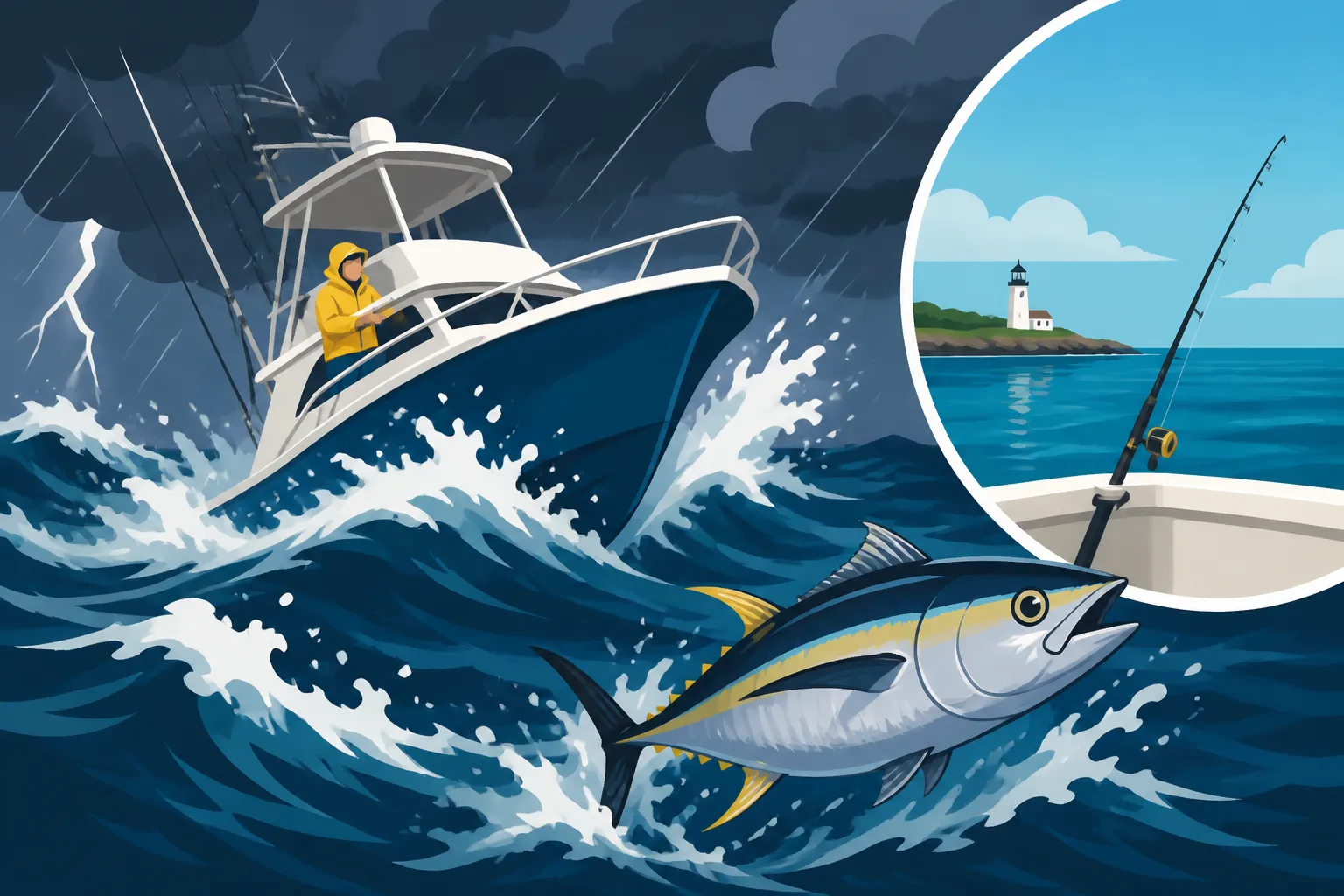
One of the most common worries I hear from folks considering a Massachusetts tuna charter, especially if they're new to offshore fishing, is about the sea conditions. You're out there, miles from shore, chasing those giants of the deep, and the thought of getting tossed around can be a real deterrent. This guide is all about helping you understand what makes the ocean "rough" on a tuna charter, what to expect in Massachusetts waters, and how experienced captains navigate these challenging conditions.
Factors Influencing Sea Conditions on Tuna Charters
When you head out on a tuna charter off the Massachusetts coast, you're entering a dynamic environment where conditions can change quickly. It's not like fishing in a placid pond, and understanding the core factors that contribute to rough seas is key to setting realistic expectations and mentally preparing for your trip.
Wind Strength and Direction
Without a doubt, wind is the biggest player in how choppy or rough the ocean gets. Imagine a strong breeze blowing consistently across a vast expanse of water – it picks up the surface, creating waves. The longer that wind has to travel over open water (what we call "fetch"), the larger those waves can become. If the wind is blowing against the current, especially in areas like the rips and shoals off Cape Cod or Nantucket, it can create a particularly nasty, steep chop that feels a lot worse than larger, rolling swells. A north or northeast wind can be notoriously uncomfortable for many Massachusetts fishing grounds, especially those east of Cape Cod, as it has a long fetch over the open Atlantic. Conversely, a gentle southwesterly breeze often means a much smoother ride.
Swell Height and Period
Beyond the wind-driven chop, there's the underlying "swell." Swell is essentially energy moving through the water, often generated by distant storms or weather systems far out in the ocean. Even on a perfectly calm, windless day, you can have a significant swell. Think of it as the ocean breathing – long, rolling hills of water. The "height" is obvious, but the "period" (the time between one wave crest and the next) is crucial. A 6-foot swell with a 10-second period will feel much more comfortable than a 3-foot swell with a 4-second period. Longer periods mean more gentle, gradual ups and downs, while shorter periods mean steeper, more jarring movements. Offshore tuna grounds, being further out, are more exposed to these larger, ocean-generated swells, which can sometimes come from multiple directions, creating a confused sea state.
Tidal Currents and Bottom Topography
Massachusetts waters, particularly around Cape Cod, the Islands, and even offshore banks, are profoundly influenced by strong tidal currents. When these powerful currents encounter shallow areas, underwater structures, or conflicting currents, they can create significant rips and standing waves. This is especially true on many of the prime tuna fishing grounds, which are often located on banks, ledges, or canyons where depth changes dramatically. The combination of strong tidal flow with wind can make certain areas incredibly turbulent. A good captain intimately knows these local nuances and will factor them into their decision-making for Best Time of Day to Fish the Cape Cod Canal and other prime spots, sometimes opting for a different route or fishing area to avoid the worst of the conditions.
Understanding Massachusetts Coastal Weather Patterns
Fishing for bluefin tuna in Massachusetts means constantly keeping an eye on the forecast, often looking far beyond the immediate coastline. Our weather here is notoriously changeable, and what starts as a beautiful sunrise can quickly evolve into something much more challenging offshore.
The Dynamics of Offshore Weather
Unlike inshore fishing, where you might only be concerned with local winds and showers, offshore tuna fishing requires a much broader view of weather systems. Tuna charters often travel How far offshore tuna charters travel, sometimes 20, 50, or even 100 miles offshore to the canyons. At these distances, local land effects on weather diminish, and you're more exposed to large-scale atmospheric patterns. A high-pressure system usually brings stable, calmer conditions, while low-pressure systems are often associated with stronger winds, precipitation, and rougher seas. Fronts – especially cold fronts – can bring dramatic shifts in wind direction and intensity, sometimes kicking up significant waves in a matter of hours. This is why captains are constantly monitoring marine forecasts, satellite imagery, and buoy data, not just what the local news is saying for Boston or Provincetown.
Seasonal Variations in Sea State
The time of year you book your Massachusetts Bluefin Tuna Charters can have a huge impact on the likelihood of encountering rough water. Summer (June-August) generally offers the most stable and calm conditions, with lighter winds and warmer temperatures, although afternoon sea breezes can still create a decent chop. As we move into late summer and fall (September-October), especially during the Best Month for Bluefin Tuna Charters off Massachusetts, the fishing can be incredible, but the weather becomes much more unpredictable. This is hurricane season, and while direct hits are rare, distant tropical storms can send massive swells our way, even if the local weather is sunny. Cold fronts become more frequent and stronger, bringing with them potent northerly winds that can make for very uncomfortable, if not unfishable, conditions offshore. Even winter and early spring, though not prime tuna times, can see prolonged periods of rough, cold seas from powerful winter storms.
Localized Microclimates and Forecast Reliability
While we're all pretty used to checking our phones for the weather, offshore marine forecasts are a different beast entirely. They use specialized models to predict wave height, wind speed, and direction far out at sea. However, these forecasts aren't always perfect, and localized phenomena can still occur. Fog, for instance, is a common occurrence in our waters, especially in spring and early summer, and can drastically reduce visibility, adding another layer of challenge to a trip. Also, specific geographic features like the notorious Chatham rips or the deep canyons far offshore can experience conditions that are more extreme than a general area forecast might suggest. A good captain uses forecasts as a guide but ultimately relies on their experience and keen eye to assess the real-time conditions. This is why when you're looking at Booking a Fishing Charter on Cape Cod, you want to ensure the captain has a solid track record and reviews that speak to their professionalism in handling varied conditions.
How Captains Assess and Mitigate Rough Water Risks
Choosing a tuna charter isn't just about finding someone with a boat; it's about finding a seasoned professional who prioritizes your safety and comfort. When dealing with the unpredictable nature of offshore Massachusetts waters, a good captain's judgment is paramount.
Pre-Trip Planning and Constant Monitoring
Long before you even step foot on the dock, a reputable captain is deep into weather analysis. They're not just looking at one weather app; they're cross-referencing multiple marine forecasts, buoy data, wind models, and satellite imagery days in advance. They're watching for any indication of strong winds, conflicting swells, or significant changes in atmospheric pressure that could signal a deterioration of conditions. If the forecast looks truly nasty, they won't hesitate to call off or reschedule the trip. This might be disappointing, but it's always the right call. It's far better to be safe on land than sorry at sea. Sometimes, a captain might suggest an alternative date or even offer to switch to an inshore trip if conditions are only marginal offshore, giving you options. They might also check platforms like FishingBooker for reports on recent trips and general sentiments about sea conditions in specific areas, though real-time assessment is always king.
Vessel Capability and Seaworthiness
The Type of boat used for tuna charters plays a massive role in how a vessel handles rough water. Larger, heavier sportfishing boats with deep-V hulls are designed to cut through waves and provide a more stable ride than smaller, lighter vessels. A boat that might be perfectly fine for inshore striper fishing could be utterly miserable, or even dangerous, 50 miles offshore in a significant swell. Captains choose their vessels based on the type of fishing they do and the waters they operate in. When you're researching charters, pay attention to the boat's size and design. A well-maintained vessel with modern navigation and safety equipment is a non-negotiable. Experienced captains also know their boat's limits – every vessel has a point beyond which it simply isn't safe or comfortable to operate, regardless of the captain's skill.
On-Water Decision Making and Course Adjustments
Even with the best pre-trip planning, the ocean can be full of surprises. Once out on the water, a good captain is constantly assessing the conditions. They'll adjust course to try and find the most comfortable ride, sometimes heading directly into waves (which can be bumpy but often safer), sometimes running with them (which can be faster but requires careful handling), or finding a more quartering angle. They might choose to fish on the lee side of a bank or island if conditions are too rough on the exposed side. They're watching for changes in wave patterns, wind direction, and checking in with other boats in the area. If conditions worsen unexpectedly, they'll make the call to head back to shore. This isn't a sign of failure; it's a sign of a responsible captain prioritizing your safety. Don't be afraid to voice your concerns if you're feeling unwell or genuinely uncomfortable; a good captain will always listen.
Preparing Yourself for Potentially Rough Seas
Even on a calm day, the ocean is rarely a millpond, and when you're heading far offshore for tuna, you should always be prepared for some level of motion. Taking proactive steps can make a huge difference in your comfort and enjoyment.
Managing Seasickness Before and During the Trip
Let's be honest, seasickness is a real concern for many, and there's no shame in it. But the good news is, there are many effective ways to mitigate it. First and foremost, consider prophylactic medication. Over-the-counter options like Dramamine or Bonine work best when taken before you even leave the dock – ideally the night before and then again in the morning. Prescription patches (Scopalamine) are also highly effective for many. Talk to your doctor if you're particularly prone to motion sickness.
Beyond medication, there are practical steps:
- Stay hydrated and eat light: Avoid heavy, greasy foods, alcohol, and caffeine before and during the trip. Opt for plain crackers, fruit, or ginger.
- Stay on deck, look at the horizon: Being in the fresh air and keeping your eyes fixed on a distant, stable point helps your brain reconcile the motion your body is feeling. Avoid reading or looking at your phone below deck.
- Avoid strong odors: The smell of diesel fumes or bait can exacerbate seasickness for some. Try to stay upwind if possible.
- Ginger: Ginger candies, chews, or ginger ale can help settle your stomach.
Many charters will have advice on How common seasickness is on Cape Cod tuna charters and suggestions for What to take for seasickness before a charter. Don't be shy about asking your captain or deckhand for advice if you start feeling queasy.
Dressing Appropriately and Staying Comfortable
Being cold, wet, or uncomfortable will only make any rough seas feel worse. Dressing in layers is absolutely crucial, even on a sunny summer day. Offshore winds can be much cooler than on land, and spray is always a possibility.
- Base layers: Moisture-wicking materials are great.
- Mid-layers: Fleece or wool for warmth.
- Outer layer: A waterproof and windproof jacket and pants are essential. Even if it's not raining, sea spray can soak you quickly.
- Footwear: Non-slip, waterproof boots are ideal.
- Headwear: A hat to protect from sun and wind, and possibly a beanie for warmth.
- Gloves: Can be helpful for warmth and grip.
Having dry clothes to change into for the ride home is also a godsend. Pack them in a dry bag! You'll often be on the water for many hours, so comfort is key to enjoying your time, regardless of the waves.
Trusting Your Captain's Expertise
Ultimately, when you book a tuna charter, you're putting your trust in the captain's hands. They are the experts in these waters and on their vessel. They have years, often decades, of experience reading the ocean, interpreting forecasts, and navigating safely. If a captain makes the call to cancel a trip due to rough conditions, or to head in early, respect that decision. It's made with your safety and comfort as the highest priority. If you're using a platform like FishingBooker, take the time to read reviews and look for captains who are praised for their professionalism, safety-consciousness, and ability to make good calls when the weather gets dicey. A great captain will communicate openly about the expected conditions and make sure everyone on board feels secure, even if the ride isn't perfectly smooth. They often have an amazing knack for finding fish even when the conditions aren't ideal, proving that experience often trumps perfect weather.
| Sea State Descriptor | Wave Height (Approx.) | Impact on Small Boat (25-40 ft) | Common Feeling for Anglers |
|---|---|---|---|
| Calm | 0-1 ft | Smooth, almost flat | Very comfortable |
| Light Chop | 1-2 ft | Gentle rocking | Mild motion, usually fine |
| Moderate Chop | 2-4 ft | Noticeable pitching & rolling | Some discomfort, potential seasickness |
| Rough | 4-6 ft | Significant pitching & rolling, spray | Definitely uncomfortable, seasickness likely |
| Very Rough | 6-8+ ft | Heavy pounding, difficult to stand | Extremely uncomfortable, safety concern for some |
This article is for general informational purposes only and does not constitute professional advice. Laws, prices and regulations vary by location and change over time. Consult a qualified professional for guidance on your specific situation.