When striped bass charter season ends in Massachusetts
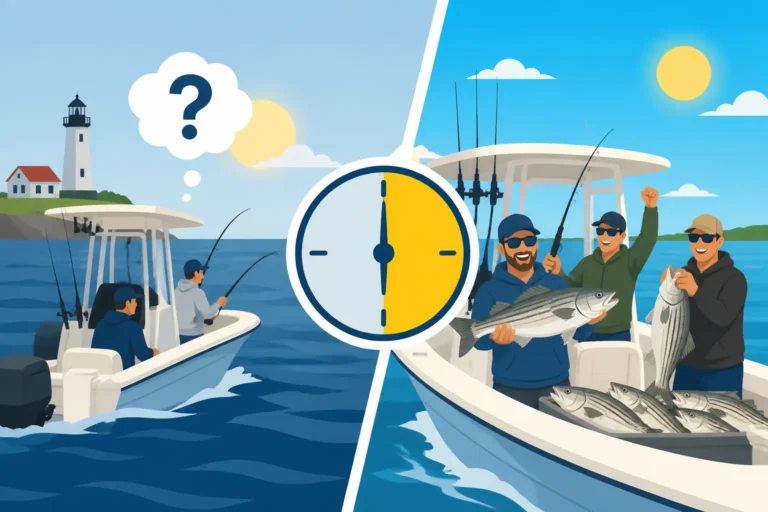
It’s a tale as old as time for Massachusetts anglers: you’ve had a fantastic spring and summer chasing striped bass, feeling the pull of those powerful fish, and suddenly the days start getting shorter. A chill creeps into the air, and you begin to wonder, "When do the striped bass charter boats finally call it quits for the year?" It’s a real frustration when you want to extend that joy for as long as possible, and the end date isn't always a hard line in the sand. This guide will take a deep dive into the factors that determine the end of the striped bass charter season in Massachusetts, helping you navigate the nuances and confidently plan your late-season trips.
Understanding the Striped Bass Annual Migration and Its Impact on Charters
To truly understand when the charter season winds down for striped bass in Massachusetts, we first need to understand the fish themselves. Striped bass are migratory creatures, and their annual journey is the primary driver behind when they’re available to anglers and, consequently, when charter captains hang up their hats for the winter. These incredible fish spend their summers feasting in the cooler, richer waters of New England, including our beloved Massachusetts coast, before making their grand exit.
The Fall Run: A Last Hurrah for Stripers
Ah, the fall run! For many, this is the absolute pinnacle of striped bass fishing, a period that brings both excitement and a touch of melancholy as we know it’s fleeting. As water temperatures begin to drop from their summer highs, often starting in late September and really kicking into gear through October, the stripers sense it’s time to move. They gather in large schools, often feeding aggressively on baitfish like menhaden, mackerel, and herring, bulking up for their long journey south. This is prime time for charters, as the fish are often concentrated and highly active, making for some truly epic days on the water. It’s not uncommon to hear tales of captains finding massive schools of actively feeding fish, sometimes just a stone's throw from shore, giving anglers a chance at some incredible catches before the migration really takes hold. You might want to check out When striped bass arrive in Massachusetts waters to understand the start of this amazing cycle.
However, the "fall run" isn't one singular event. It's a progression, with different schools of fish moving at different times. Some of the larger, mature fish might start their journey earlier, while younger fish might linger longer if bait is abundant. This extended period of activity means charters can often continue operating well into the fall, offering anglers fantastic opportunities to catch quality fish.
When Striped Bass Begin Their Southern Journey
Eventually, the water gets too cold, even for the most stubborn striper. Typically, by late October and certainly into November, the bulk of the striped bass population has begun its migration south, heading towards warmer wintering grounds, predominantly the mid-Atlantic estuaries like the Chesapeake Bay. This is when the concentration of fish in Massachusetts waters drastically diminishes. While you might still find a straggler or two, or a small pocket of fish that haven't quite left, the consistent action that charter captains rely on to provide a successful trip largely fades.
For charter captains, running a business means putting clients on fish. When the fish are no longer reliably present in good numbers, it simply doesn't make economic or practical sense to continue offering trips. The effort involved for a potentially fish-less day becomes too high, impacting customer satisfaction and the captain's reputation. This natural depletion of the fish population is the fundamental reason why the striped bass charter season must eventually come to an end in Massachusetts waters, regardless of other factors. The exact timing can vary a bit year to year based on water temperatures and bait presence, but the general window is quite consistent. You might be surprised at When striped bass leave Massachusetts in the fall if you haven't fished late in the season before.
Factors Influencing Charter Season Closure Dates
Beyond the fish themselves, several other practical elements play a significant role in determining exactly when a Massachusetts striped bass charter captain decides to call it a season. It’s not just about the last fish caught; it’s a confluence of environmental, logistical, and economic considerations that shape the schedule.
Weather Conditions and Sea State
New England weather, especially in the fall, can be famously unpredictable and, let's be honest, downright nasty. While September and early October often bless us with crisp, beautiful days, late October and November can bring strong nor'easters, heavy winds, and significant swells. These conditions aren't just uncomfortable for anglers; they can be downright dangerous.
No reputable charter captain will put their clients or crew at risk. If the seas are too rough, visibility is poor, or temperatures plummet, trips will be cancelled, regardless of whether there are still stripers in the area. Fishing in freezing rain or gale-force winds simply isn't an enjoyable experience for most recreational anglers, even the most hardcore ones. As the season progresses, the frequency of these unfavorable weather patterns increases, making it harder for captains to consistently schedule trips. This is a big reason why many captains draw a line in the sand, even if there might be a few good weather windows left. When planning your trip, it's always wise to understand What happens if a charter is canceled for weather and their specific policies.
Captain Availability and Boat Maintenance
Running a fishing charter is a demanding job, and captains and their crews often work tirelessly from spring through fall. By the time late October or early November rolls around, many captains are ready for a much-needed break. It's not just about fishing; there's also the crucial off-season boat maintenance that needs to happen. Engines need servicing, hulls need cleaning and repair, electronics need checking, and gear needs to be stored or replaced.
This extensive maintenance often requires dry-docking the vessel or pulling it from the water entirely, which is a significant undertaking that marks the definitive end of the fishing season for that particular boat. Some captains might also transition to other work, such as commercial fishing for different species, or simply take time off to recharge. This human element, the need for rest and boat care, is a very real factor in the timing of the season's end.
Demand and Angler Interest
Even if there are still some stripers around and the weather miraculously cooperates, charter captains also consider demand. As the days grow shorter and colder, the general public's interest in booking a fishing trip naturally wanes. Families with kids, who might have filled up the summer bookings, are often less inclined to brave the colder temperatures of late fall.
While dedicated anglers will still seek out those last opportunities, the overall volume of inquiries and bookings drops off significantly. For a business that relies on consistent bookings, a lack of demand can make it unsustainable to keep the boat running. There's a point of diminishing returns where the cost of fuel, bait, and crew wages outweighs the potential income from fewer, sporadic charters. Therefore, even if a captain could technically fish into December, if there aren't enough people wanting to go, the season effectively ends due to lack of interest.
Regional Variations Across Massachusetts
Massachusetts is a wonderfully diverse state, and its coastline offers a variety of fishing experiences. Just as the fishing varies, so too can the precise timing of the striped bass charter season's end, depending on where along the coast you're looking to cast a line.
Cape Cod and the Islands
Cape Cod, with its iconic Canal, expansive bays like Buzzards Bay, and the protected waters around Martha's Vineyard and Nantucket, is a major hub for striped bass fishing. The sheer volume of baitfish and the structure found here often hold stripers for longer. The Cape Cod Canal Fishing Guide for Massachusetts Anglers is a testament to the extended opportunities in this region.
On Cape Cod, particularly in areas near the Canal or the Outer Cape, the fall run can be incredibly strong and can persist quite late into the season. It's not uncommon for captains working out of Harwich, Falmouth, or even Provincetown to be running striped bass trips well into the third or fourth week of October, and sometimes even into early November if a warm spell or a strong push of bait occurs. The fishing here can be truly exceptional during this period, with large schools of fish staging before their migration south. The deeper, more protected waters can sometimes offer a slightly longer window of opportunity compared to more exposed areas. When planning a trip, consider checking out Cape Cod Fishing Charters Guide for Massachusetts Anglers for options.
North Shore and Boston Harbor
Further north, in areas like Boston Harbor, Cape Ann (Gloucester and Rockport), and the Merrimack River mouth, the striped bass often follow a slightly different, and sometimes earlier, migration pattern. While these areas can offer fantastic fall fishing, especially for monster bass that are often the last to leave, the peak of the fall run might shift a bit earlier than on the Cape.
Captains operating out of ports like Boston, Salem, or Gloucester might see their striped bass charter season wind down a bit sooner, perhaps solidifying by late October. The cooler waters of the Gulf of Maine can sometimes prompt an earlier southward movement of the stripers compared to the more sheltered and often slightly warmer waters further south. However, dedicated captains in these regions will still chase the last big fish well into the fall, sometimes focusing on large resident fish that linger or schools that are making their final push offshore. For those looking to fish this area, Boston Fishing Charters Guide, Massachusetts offers plenty of options. These regions also have distinct characteristics, like Ipswich Bay Fishing Spots in Massachusetts, that can influence how long the fish stick around.
Planning Your Late-Season Striped Bass Charter
So, you're determined to squeeze every last drop out of the striped bass season in Massachusetts? I totally get it! There's something magical about those crisp fall days on the water. Here's how you can go about planning that last-ditch, glorious striper trip.
How to Find Available Charters
Finding a charter that's still running striped bass trips late in the season requires a bit of proactive detective work, but it's totally doable. Don't assume all boats have docked just because the calendar says October.
First, your best bet is always to directly contact individual charter captains and ask about their late-season availability. Many captains update their websites or social media pages with their current fishing reports and remaining openings. Be direct: "Are you still running striped bass trips in late October/early November?" is a perfectly good question.
Secondly, online booking platforms can be a goldmine. Websites like FishingBooker are excellent resources. You can plug in your desired dates and location, and it will show you which charters are still active and accepting bookings. This saves you a ton of time calling around. Just be sure to double-check with the captain after booking to confirm they are indeed targeting stripers and not another species. You might also find local bait and tackle shops incredibly helpful; they often know which captains are still fishing and where the fish are biting. For a general overview, check out Massachusetts Striped Bass Charters.
When you're making inquiries, be flexible with your dates if possible. A captain might have limited openings due to weather or other commitments, so having a few options in mind can increase your chances. Remember, these are professional guides, and they'll be upfront about the likelihood of finding fish late in the season.
What to Expect on a Late-Season Trip
A late-season striped bass charter is often a different experience than a mid-summer trip, but it can be incredibly rewarding.
Weather & Gear: Expect cooler temperatures, especially in the mornings and evenings, and potentially choppier seas. Layers are your best friend! Think waterproof outer shells, warm hats, gloves, and sturdy non-slip boots. It's truly better to be overdressed than underdressed. Ask your captain for specific recommendations on What to wear on a Cape Cod fishing charter before you go.
Fishing Techniques: Often, captains will be focusing on larger, migrating fish. This might mean using bigger baits, live-lining eels or pogies, or jigging larger lures in deeper channels or around structure. The bite might not be as furious as a summer blitz, but the fish you encounter could be significantly larger. Patience is often key, and being prepared for fewer, but potentially more impactful, bites. The captains are incredibly skilled at adapting their techniques to the behavior of the fish as they prepare for migration. This is also the time you might want to review Massachusetts Striped Bass Size and Bag Limit to ensure you're compliant.
Crowds: A pleasant bonus of late-season fishing is often fewer crowds on the water. You might find more solitude and less competition for prime fishing spots, which can make for a more relaxed and enjoyable experience. This is one of the many reasons why Is Fall a Good Time to Book a Massachusetts Charter? often gets a resounding "yes!"
The Benefits of a Fall Striper Charter
Don't let the approaching winter gloom deter you! Fall stripers offer unique advantages that make the end of the season incredibly special.
Trophy Potential: As mentioned, the fall run is often characterized by larger, heavier fish feeding aggressively. If you're hoping to land that personal best or a true Massachusetts trophy striper, late fall can be an excellent time. These fish are packing on the pounds before their journey, making them strong fighters and impressive catches.
Beautiful Scenery: Massachusetts in the fall is breathtaking. The foliage, the crisp air, and the dramatic skies can create a stunning backdrop for your fishing adventure. It’s an opportunity to enjoy the natural beauty of our coast without the scorching summer sun or crowded beaches.
Exciting Fishing: While the numbers might not be as high as during peak summer, the quality of the fishing can be superb. There's an intensity to the fall run, a sense of urgency as the fish prepare to leave, which can translate into explosive bites and memorable battles. Targeting large schools of moving fish adds an element of thrill that’s hard to beat. If you're lucky enough to hit the Best time of year to catch striped bass at the Cape Cod Canal during the fall, you'll understand exactly what I mean.
Captain Focus: With fewer boats on the water and perhaps a slightly less hectic schedule for captains, you might find your guide even more focused and dedicated to finding those last remaining fish. They’re often just as passionate about extending the season as you are!
| Region | Typical Striper Charter Season End | Key Factors Influencing End Date | Target Fish Size Potential | Notes |
|---|---|---|---|---|
| Cape Cod & Islands | Late October – Early November | Water temp, major bait schools | High (trophy fish common) | Can extend if bait holds; strong fall runs |
| Boston Harbor | Mid – Late October | Cooler water, earlier migration | High (resident fish linger) | Big fish can be found; less consistent later |
| North Shore | Mid October | Earliest water temp drop | Good (smaller numbers) | Shorter window, but dedicated captains try |
Conclusion
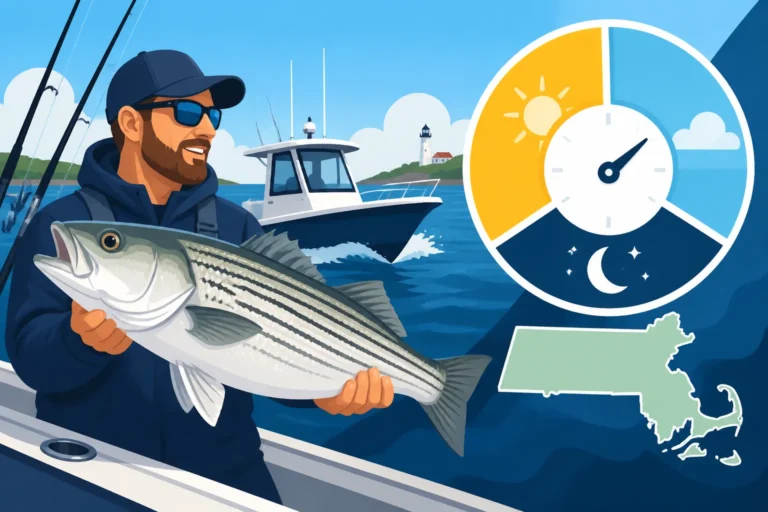
The striped bass charter season in Massachusetts typically winds down by late October to early November, though this can fluctuate slightly year to year based on weather, water temperatures, and the availability of baitfish. The primary driver is the natural southward migration of the striped bass as ocean temperatures cool, sending them to their wintering grounds. Factors like increasingly unpredictable fall weather, the need for captains to perform essential boat maintenance, and a decrease in angler demand also contribute to the cessation of charter operations.
However, for those willing to brave the cooler temperatures, the late fall run can offer some of the most exciting and rewarding striped bass fishing of the entire year, with excellent opportunities for landing larger, trophy-sized fish. By being proactive in contacting captains, staying flexible with your schedule, and being prepared for the conditions, you can often extend your striped bass season right up until the very last fish leave our waters. Don't let the end of summer fool you; some of the best fishing is yet to come! Just remember to dress warmly and enjoy the truly unique beauty of fall fishing in Massachusetts.
Disclaimer
This article is for general informational purposes only and does not constitute professional advice. Laws, prices and regulations vary by location and change over time. Consult a qualified professional for guidance on your specific situation.