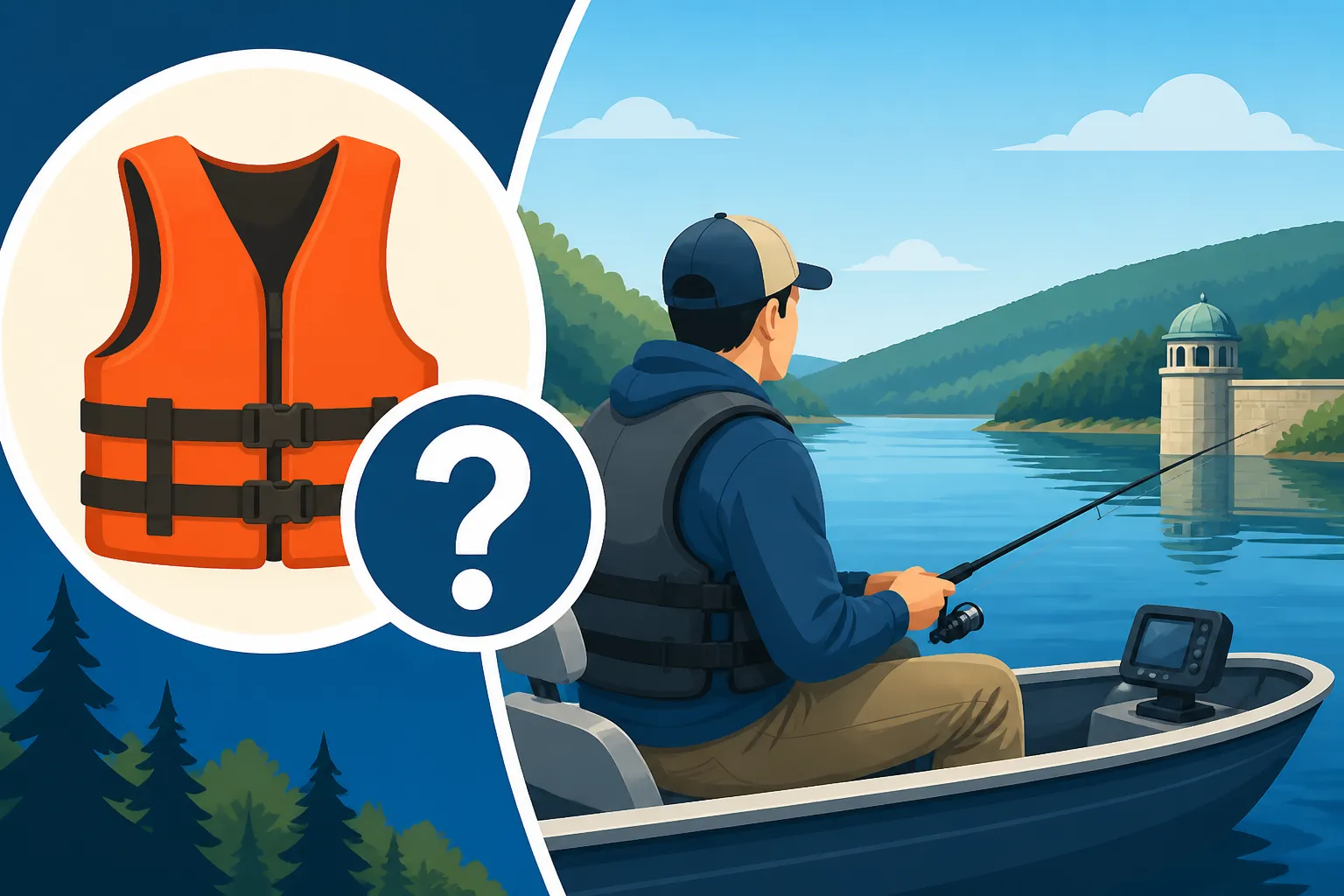
Is a Life Jacket Required to Boat at Quabbin Reservoir?
There's nothing quite like the serenity of a day spent boating or fishing on the vast, beautiful waters of Quabbin Reservoir. However, the excitement of planning your trip can quickly turn to uncertainty when you start thinking about all the rules and regulations, especially concerning safety equipment like life jackets. It's a common concern, and frankly, a very important one. This guide is here to clear up all the confusion, detailing exactly when and why life jackets are required, helping you ensure a safe and compliant adventure on Quabbin's magnificent waters.
The Non-Negotiable Truth: Life Jackets at Quabbin Reservoir
When you’re out on the water, whether you're paddling a kayak, motoring a small boat, or drifting in a canoe, safety should always be your top priority. And when it comes to personal safety equipment, nothing is more critical than a properly worn life jacket. The rules for life jackets (officially known as Personal Flotation Devices, or PFDs) at Quabbin Reservoir, like all Massachusetts inland waters, are pretty clear-cut, but they do have seasonal nuances that can sometimes trip people up.
Year-Round Requirements for All Vessels
First and foremost, let's get this straight: every single vessel on Quabbin Reservoir, from the smallest paddleboard to a larger fishing boat, must have a U.S. Coast Guard (USCG) approved life jacket readily available for every person on board, all year round. This isn't just a suggestion; it's a legal requirement. "Readily available" means it can be reached quickly in an emergency, not buried under a pile of gear or stowed away in a locked compartment. Think about it – if something unexpected happens, like capsizing or someone falling overboard, every second counts. You don't want to be fumbling for a PFD when you need it most.
This baseline rule applies regardless of the time of year or the age of the occupants. It’s the absolute minimum standard. So, before you even consider launching your boat, canoe, or kayak, take a moment to count heads and PFDs. Make sure you have one for each person, and that they are in good, serviceable condition – no rips, tears, or broken buckles. Beyond just the general fishing license requirements that apply to anglers, understanding specific safety gear is paramount. For instance, knowing the ins and outs of Quabbin Reservoir Fishing Permits and Rules in Massachusetts is crucial, and that includes boat safety rules.
Specifics for Children and Seasonal Mandates
Now, this is where the rules become a little more dynamic and often cause the most questions. While having a PFD for everyone is a year-round mandate, wearing it becomes mandatory for certain individuals or during specific times of the year on all Massachusetts inland waters, including Quabbin.
The most consistent rule is for our younger anglers and boaters: any child under 12 years of age must wear a USCG-approved PFD at all times while on board a vessel. This isn't just during certain seasons; it's every single day of the year. Whether they're fishing for trout with you, enjoying a leisurely paddle, or just along for the ride, that life jacket needs to be securely fastened on them. This is a common-sense rule designed to protect the most vulnerable passengers, who might not have the strength or swimming ability to fend for themselves if an accident occurs.
Beyond children, the requirement for wearing a life jacket extends to everyone on board during the colder months. Specifically, from September 15th through May 15th, all persons on board a canoe or kayak must wear a USCG-approved PFD. This is sometimes referred to as the "cold water rule." Why the emphasis on canoes and kayaks? These smaller, often less stable vessels are more prone to capsizing, and immersion in cold water can quickly lead to hypothermia, even on a seemingly mild day. The shock of cold water alone can incapacitate someone, making it impossible to put on a life jacket. For those fishing on Quabbin, understanding all the regulations, including those surrounding Quabbin Reservoir Boat Permit Requirements in Massachusetts and general state rules, is part of being a responsible boater.
It’s worth noting that while the September 15th to May 15th mandatory wear rule specifically mentions canoes and kayaks, it is always a wise idea for all boaters to wear their PFDs during these colder months, regardless of vessel type. Accidents can happen to anyone, and cold water is unforgiving. For anyone wondering How to get a Quabbin Reservoir boat permit, remember that part of the permit process often involves acknowledging these crucial safety regulations.
Here’s a quick summary table to help clarify:
| Period | Vessel Type | Requirement for Children Under 12 | Requirement for Adults (12+) |
|---|---|---|---|
| Sept 15 – May 15 | Canoe, Kayak, Paddleboard | Wear PFD at all times | Wear PFD at all times |
| Sept 15 – May 15 | Motorboat, Rowboat | Wear PFD at all times | Have PFD on board (Recommended Wear) |
| May 16 – Sept 14 | All Vessel Types | Wear PFD at all times | Have PFD on board for each person |
Understanding Life Jacket Types and Choosing Yours
Not all life jackets are created equal, and knowing the differences can make a significant impact on your safety and comfort while on Quabbin Reservoir. The U.S. Coast Guard classifies PFDs into different types, each designed for specific activities and conditions. Choosing the right one isn't just about meeting the legal requirement; it's about optimizing your safety for the kind of boating you'll be doing.
Decoding USCG-Approved PFDs
The USCG categorizes PFDs into five main types, although Type IV (throwable cushions) and Type V (special use devices) have specific limitations for what counts as "on-board" PFDs. For most recreational boaters, you'll be looking at Types I, II, or III.
- Type I: Offshore Life Jackets. These are the most buoyant and offer the most protection, especially in rough, open water where rescue might be delayed. They're designed to turn an unconscious person face-up in the water. While perhaps overkill for most calm days on Quabbin, they are certainly effective.
- Type II: Near-Shore Buoyancy Vests. These are good for calmer, inland waters and are generally less bulky than Type Is. They may or may not turn an unconscious person face-up, depending on the individual's body type. They are a solid choice for general recreational boating.
- Type III: Flotation Aids. These are the most common type for recreational activities like fishing, kayaking, and waterskiing. They are comfortable for continuous wear and allow for a good range of motion. Like Type IIs, they typically won't turn an unconscious person face-up, so they're best for situations where rescue is likely to be prompt.
- Type IV: Throwable Devices. These are flotation cushions or ring buoys designed to be thrown to someone in distress. While useful as supplemental flotation, they do not count as the required PFDs for each person on board. You still need a wearable PFD for everyone.
- Type V: Special Use Devices. These include inflatable PFDs (which can be very comfortable but have specific wear requirements) and other work vests. They are approved for specific activities and usually require being worn to be counted as a legal PFD. If you choose an inflatable PFD, make sure you understand its specific inflation mechanism and maintenance requirements.
When considering what license you need to fish at Quabbin Reservoir, it's a good reminder that regulations often overlap – the same authorities overseeing your fishing permits are keen on your safety on the water.
Finding the Perfect Fit and Where to Buy
The best life jacket in the world won't do you any good if it doesn't fit properly. A PFD should be snug but comfortable. It shouldn't ride up around your ears when you lift your arms, and it certainly shouldn't be so loose that it could slip off. For children, never buy a life jacket they can "grow into" – it must fit them now. There are specific sizes for infants, children, and youth, based on weight. A properly fitting PFD is crucial for buoyancy and ensuring it stays on in the water.
When it comes to purchasing, you have a lot of options. Local sporting goods stores like Dick's Sporting Goods or independent bait and tackle shops often carry a good selection of USCG-approved PFDs. They can be great resources because the staff can often help you try them on and ensure a proper fit. However, if you prefer the convenience of online shopping, major retailers like Amazon offer an incredibly wide array of choices, from basic Type III vests to more specialized inflatable PFDs. Just be sure to read reviews and confirm that any PFD purchased online is indeed USCG-approved and suitable for your intended use.
You can also find PFDs at big box stores like Walmart or Target, especially during the warmer months. When browsing on Amazon or any other retailer, pay close attention to the sizing charts, as they can vary between brands. Remember, investing in a good quality, well-fitting life jacket is investing in your life and the lives of your loved ones. While you're at it, also make sure you understand the differences between a Massachusetts Freshwater vs Saltwater License Differences if you ever plan to fish beyond Quabbin's shores. It's all part of being a well-informed angler.
Beyond the Jacket: Comprehensive Boating Safety at Quabbin
While wearing or having a life jacket on board is paramount, a truly safe boating experience at Quabbin Reservoir involves much more than just PFDs. Understanding the full scope of regulations, practicing good seamanship, and being prepared for unexpected events will ensure your trip is not only enjoyable but also safe.
Enforcement and Penalties for Non-Compliance
Massachusetts Environmental Police officers and DCR park rangers actively patrol Quabbin Reservoir. They are there to ensure everyone adheres to the rules, and that absolutely includes life jacket compliance. If you're caught violating PFD regulations – such as not having enough on board, a child not wearing one, or an adult in a kayak without one during the cold water period – you can face fines. These penalties are designed to be a deterrent, emphasizing the seriousness of safety on the water. Fines for PFD violations can range from tens to hundreds of dollars, depending on the specific infraction and whether it's a repeat offense.
Beyond the monetary cost, consider the invaluable cost of human life. The rules aren't arbitrary; they are based on years of accident data and aimed at preventing drownings. An officer checking your compliance isn't trying to ruin your day; they're trying to save a life, potentially yours or someone you care about. So, always assume you will be checked and be prepared. Having all your documentation in order, from your Massachusetts Fishing License Guide to your boat permit, along with proper safety gear, ensures a smooth interaction and a safer outing.
Additional Safety Measures for a Worry-Free Trip
Even with the right life jacket, there's always more you can do to ensure a safe and successful day on the water.
- Check the Weather: Quabbin Reservoir is vast, and weather conditions can change rapidly. Always check the forecast before heading out. High winds can quickly turn calm waters into dangerous chop, especially for smaller vessels.
- File a Float Plan: Let someone on shore know your itinerary – where you're going, when you expect to return, and who is with you. This simple step can be a lifesaver if you don't return as planned.
- Carry Essential Gear: Beyond PFDs, consider carrying a whistle or air horn (required on many boats), a first-aid kit, a bailing device (bucket or sponge), spare paddles, and navigation lights if you'll be out at dusk or night. A waterproof bag for your phone and other essentials is also a smart idea. You can find many of these items, like compact first-aid kits and emergency whistles, conveniently on Amazon.
- Know Your Limits: Don't overload your boat, and don't venture into conditions beyond your skill level or your boat's capabilities. If the water looks too rough, or you're unsure about your ability to handle it, it's always best to err on the side of caution and stay ashore or stick to calmer areas.
- Stay Sober: Alcohol and boating don't mix. Operating a vessel under the influence is illegal and extremely dangerous. It impairs judgment, reaction time, and coordination – all things you desperately need on the water.
- Understand Quabbin-Specific Rules: Quabbin Reservoir has its own set of rules regarding boating, fishing, and access, given its role as a public water supply. These include restrictions on motor types (electric motors only), hours of operation, and designated launch areas. Always check the latest DCR regulations before your visit. A full Quabbin Reservoir Fishing Guide for Massachusetts Anglers would cover these details extensively.
- Review Massachusetts Recreational Fishing Rules and Bag Limits: While this focuses on catch limits, it's a good habit to review all regulations that apply to your fishing trip, as they often go hand-in-hand with safety guidelines.
By following these guidelines and making safety a priority, you're not just complying with the law; you're ensuring that your time on Quabbin Reservoir is filled with enjoyable memories, not preventable emergencies.
Disclaimer
The information provided in this guide is for general informational purposes only and does not constitute legal advice. While we strive to provide accurate and up-to-date information, regulations can change. Always consult the official Massachusetts Department of Conservation and Recreation (DCR) and MassWildlife websites, or other relevant government resources, for the most current and authoritative rules and regulations regarding boating and fishing on Quabbin Reservoir and all Massachusetts waters. Your safety is your responsibility.