Do You Need a Separate License to Fish for Trout in Massachusetts?
There's often a lot of confusion when it comes to fishing licenses, especially when you're targeting a specific species like trout. Many anglers, particularly those new to Massachusetts or who have fished in other states, naturally wonder if a special permit or "trout stamp" is required on top of a general fishing license. It's a valid question, and one that can save you a headache (and a potential fine!) if you get it wrong. This guide will clear up exactly what you need to fish for trout here in the Commonwealth, so you can spend less time worrying about paperwork and more time on the water.
Understanding Massachusetts Fishing Licenses
Before we dive into the specifics of trout, it's helpful to understand the general framework of recreational fishing licenses in Massachusetts. Unlike some other states that might have a dizzying array of endorsements for different fish, Massachusetts keeps things relatively straightforward.
The Basics: Freshwater vs. Saltwater
In Massachusetts, the core distinction lies between freshwater and saltwater fishing. You'll need one of two primary recreational permits to legally cast a line:
For freshwater pursuits, whether you're chasing largemouth bass, feisty pickerel, panfish, or indeed, our beloved trout, you'll need a Massachusetts Freshwater Fishing License Costs and Rules This is your all-access pass to the state's lakes, ponds, rivers, and streams. It's not a species-specific license; rather, it covers all legal freshwater fishing activities. So, if you're planning a trip to a stocked pond for rainbows or a wild brook trout stream, this is the license you'll be after.
If your angling adventures take you to the ocean, estuaries, or tidal rivers, you'll need a Massachusetts Saltwater Recreational Fishing Permit. This covers everything from striped bass and bluefish to cod and flounder. It's important to understand the Massachusetts Freshwater vs Saltwater License Differences as you certainly don't want to get caught with the wrong permit when fishing tidal waters that hold both fresh and saltwater species, like some sections of the Taunton River or Merrimack River. Most folks stick to one type of fishing or the other, but if you're like me and enjoy both, you'll need both permits.
The Role of the Wildlands Conservation Stamp
Beyond the basic freshwater license, there's another important component for many freshwater anglers in Massachusetts: the Wildlands Conservation Stamp. This isn't a "trout stamp" in the traditional sense, but it is often required alongside your freshwater license and directly contributes to conservation efforts that benefit all wildlife, including trout.
The Wildlands Conservation Stamp helps fund critical programs for habitat protection, land acquisition, and wildlife management across the state. It’s essentially an investment in the natural resources that make Massachusetts such a fantastic place to fish and enjoy the outdoors. For most freshwater anglers aged 12 to 69, purchasing this stamp is a mandatory addition to their freshwater fishing license. There are exemptions, primarily for younger and older anglers, as well as those with certain disabilities. However, for the vast majority of adults heading out for a day of trout fishing, the stamp will be a necessary part of their purchase. Understanding The Massachusetts Wildlands Conservation Stamp Explained can help clarify who needs it and why it's so important.
Do You Need a Separate Trout License in Massachusetts?
Now, let's get to the heart of the matter and answer the question directly.
The Straight Answer: No Specific Trout License
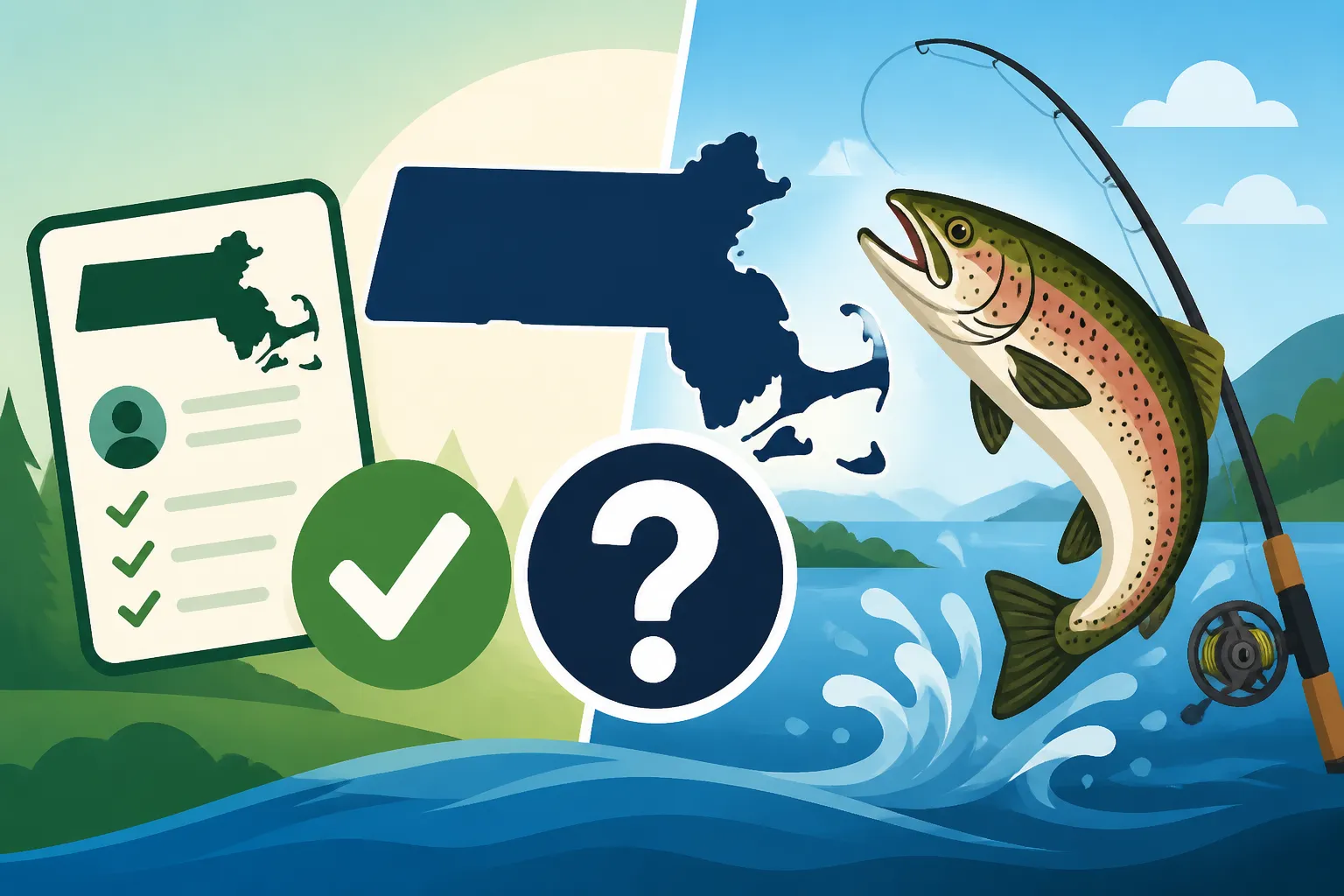
No, you do not need a separate, specific "trout license" or "trout stamp" to fish for trout in Massachusetts. Your standard Massachusetts freshwater fishing license covers all recreational freshwater fishing, including the pursuit of rainbow, brown, brook, and tiger trout.
This is often a huge relief for anglers coming from states where a trout stamp is a separate, additional purchase. Here in the Commonwealth, once you have your freshwater fishing license and, if applicable, your Wildlands Conservation Stamp, you're good to go for trout. You don't need to worry about any extra paperwork or fees just for targeting these beautiful cold-water species. It simplifies the process considerably, allowing anglers to focus more on their technique and less on navigating a complex licensing system.
Why the Confusion? Trout Stamps in Other States
The reason this question comes up so frequently is because many other states across the U.S. do require a separate trout or cold-water species endorsement. For example, in Pennsylvania, anglers need a separate trout permit to fish for trout, in addition to their general fishing license. New York and other popular fishing destinations have similar requirements.
This discrepancy can understandably lead to confusion for anglers who move to Massachusetts or visit from out of state. They might assume that a state with such a robust trout stocking program and incredible trout fisheries would naturally have a dedicated stamp. However, Massachusetts has opted for a more integrated approach, where the general freshwater license covers all species. It's a nice perk for us local anglers, and it means one less thing to worry about when planning your fishing trips. Just ensure you have that general freshwater license, and you're set for trout.
Age and Residency Requirements for Freshwater Licenses
Even though there's no separate trout license, you still need to adhere to the general age and residency requirements for a freshwater fishing license in Massachusetts.
Typically, anyone 15 years of age or older needs a freshwater fishing license to fish in the public waters of Massachusetts. This applies to both residents and nonresidents. Children under 15 years of age can fish without a license, which is a fantastic way to introduce youngsters to the sport without any bureaucratic hurdles. However, it's always a good idea to double-check the exact Massachusetts Fishing License Requirements by Age as rules can occasionally have nuances.
For adults, the cost of your freshwater license will depend on whether you qualify as a Massachusetts resident or are visiting from out of state. A Massachusetts Fishing License for Nonresidents typically costs more than a resident license, which is standard practice across most states. Defining what constitutes a "resident" for licensing purposes can sometimes be tricky, especially for college students or those with seasonal homes, so make sure you meet the criteria if you're claiming resident status.
Getting Your Massachusetts Freshwater Fishing License for Trout and More
Once you understand that a standard freshwater license is all you need for trout, the next step is to actually acquire it. The process is designed to be pretty user-friendly, with a few different options available depending on your preference.
How and Where to Purchase Your License
The most convenient and increasingly popular way to secure your Massachusetts freshwater fishing license is online, through the MassFishHunt portal. This online system is a one-stop shop for all your Massachusetts fishing and hunting licensing needs. You can create an account, purchase your license, add the Wildlands Conservation Stamp, and even print a copy or save it to your phone. It's accessible 24/7, meaning you can buy your license moments before heading out to your favorite trout stream, even if it's early in the morning or late at night. For a detailed walkthrough, check out our guide on How to Buy a Massachusetts Fishing License Online.
If you prefer a more traditional approach, you can also purchase your license in person at various authorized vendor locations across the state. These typically include sporting goods stores, bait and tackle shops, and some town clerk offices. Visiting a local vendor can be a great way to support small businesses and also get some immediate, local advice on fishing conditions or hot spots. Just be sure to bring a valid form of identification. You can find a list of official outlets on the MassWildlife website, or check out our article on Massachusetts Fishing License Vendor Locations to find a spot near you. While you’re at it, if you’re looking to stock up on new gear, like a versatile spinning combo or some trusty waders, I often find great deals and customer reviews for reputable brands on Amazon before I head to a local shop to see them in person.
Costs and Fees Associated with Freshwater Licenses
When purchasing your freshwater fishing license, you'll encounter a few costs. The primary fee is for the license itself, which varies for residents and non-residents. For example, a resident freshwater fishing license generally costs around $27.50, while a non-resident annual freshwater license is closer to $37.50. These prices are subject to change, so always verify the current rates before purchasing.
Additionally, as mentioned earlier, most adult freshwater anglers (ages 12-69) will also need to purchase the Wildlands Conservation Stamp, which typically adds an extra $5.00 to the total. There might also be small agent fees or processing fees if you buy online or through a vendor. For a complete breakdown of what to expect, especially regarding the stamp and various age categories, our article on Massachusetts Resident Fishing License Cost can provide further details. While these fees might seem like just another expense, remember that they directly contribute to the conservation and management of Massachusetts' natural resources, ensuring healthy fish populations and access for future generations. If you’re preparing for a full day out, don’t forget to consider essentials like sturdy tackle boxes or specialized trout lures, which you can easily browse and compare prices for on Amazon.
Always Check Current Regulations
While your freshwater license covers trout, it doesn't mean you can just catch as many as you want whenever you want. Massachusetts has specific regulations regarding fishing seasons, daily bag limits, and size restrictions for various species, including trout. These regulations are in place to ensure sustainable fishing practices and protect fish populations.
It's absolutely critical to always consult the current Massachusetts fishing regulations pamphlet before heading out. This pamphlet, published annually by MassWildlife, is your ultimate resource for up-to-date rules. It will detail things like the specific daily catch limits for different trout species, minimum length requirements, and any special regulations for particular bodies of water. For instance, specific rules might apply to trophy trout areas or certain reservoirs like the Quabbin. Our guide on the Massachusetts Fishing Regulations Pamphlet, Explained can help you understand how to navigate this important document. Even if you've been fishing in Massachusetts for years, regulations can change, so a quick check before each season is always a good idea. Knowing the rules for specific waters, and even checking the Massachusetts Trout Stocking Schedule can help you plan your most successful and compliant trout fishing trips.
Planning Your Massachusetts Trout Adventure
Now that you're licensed up and clear on the regulations, it's time for the fun part: planning your actual trout fishing trip! Massachusetts offers some fantastic opportunities for trout anglers, whether you prefer stocked ponds or wild streams.
Top Trout Species and Where to Find Them
Massachusetts is home to several popular trout species, each offering a unique angling experience. The most commonly stocked species by MassWildlife are Rainbow Trout and Brown Trout, which are distributed extensively throughout ponds, lakes, and rivers across the state. Rainbows are known for their spirited fights and are often found in open water, while browns can be a bit more elusive, favoring cover and often growing to larger sizes.
You'll also find Brook Trout, Massachusetts' only native trout species, particularly in colder, cleaner streams and smaller ponds, especially in the western and central parts of the state. These fish are often smaller but incredibly beautiful, with distinct red spots and vibrant colors. Occasionally, MassWildlife also stocks Tiger Trout, a sterile hybrid of brown and brook trout, which are known for their aggressive strikes and unique worm-like patterns. If you're looking for general information on what the state has to offer, our main guide on Trout Fishing in Massachusetts is a great starting point. For those interested in the wilder side, learning about Brook Trout in Massachusetts Streams can point you towards some pristine, secluded spots.
Some of the best places to target trout include the famous Deerfield River and Westfield River in Western Massachusetts, which are renowned for their wild and stocked brown and rainbow trout. Central Massachusetts boasts numerous stocked ponds like Comet Pond in Hubbardston or South Pond in Sturbridge, perfect for an afternoon of catching rainbows. The Berkshires also offer countless small streams and hidden gems where native brook trout thrive.
Essential Gear for Trout Fishing
Having the right gear can make all the difference in your trout fishing success. For most stocked trout situations, a light-action spinning rod (5-7 feet) paired with a small spinning reel spooled with 4-6 lb test monofilament or fluorocarbon line is ideal. This setup provides the sensitivity needed to detect subtle bites and the backbone to handle fighting fish.
When it comes to bait, classics like garden worms, PowerBait (in various colors and forms like dough or nuggets), and corn are highly effective, especially for freshly stocked trout. For lures, small inline spinners (like Panther Martin or Mepps), tiny spoons (such as Kastmasters or Little Cleos), and micro jigs are excellent choices. Fly fishing is another popular and highly rewarding method for trout, particularly in rivers. A 3-5 weight fly rod with a matching reel and floating line is a good all-around setup, and you'll want an assortment of nymphs, dry flies, and streamers to match the hatch. Before heading out, you might want to explore Amazon for fishing accessories like a new fishing vest with plenty of pockets for your tackle, or even a specialized trout net, ensuring you're fully equipped.
Understanding Catch Limits and Seasons
Even though you don't need a separate license, understanding the specific daily bag limits and seasons for trout is paramount. These regulations are designed to manage fish populations and ensure healthy fisheries for everyone.
The general statewide daily bag limit for trout in Massachusetts is typically three fish, with a minimum size of 9 inches. However, these regulations can vary significantly depending on the specific water body or designated management area. For instance, some waters might have different size limits, catch-and-release only sections, or different bag limits for specific times of the year, particularly during the early spring stocking season. It's crucial to always refer to the latest MassWildlife regulations pamphlet for the most accurate and up-to-date information, specifically checking the "Special Trout Waters" section for any area you plan to fish. You can also find a comprehensive overview in our Massachusetts Freshwater Daily Catch Limits article.
Trout fishing in Massachusetts is generally open year-round, but the most popular and productive seasons are spring, immediately following the When Massachusetts trout stocking starts in 2026 and fall, when water temperatures cool down. While winter ice fishing for trout is also an option on many ponds, summer can be challenging in warmer, shallower waters as trout prefer colder temperatures. Always prioritize fish welfare and release practices, especially during warmer months.
| License Type | Requirement for Trout Fishing | Key Details | Average Cost (2024, MA Resident) |
|---|---|---|---|
| Freshwater Fishing License | REQUIRED | Covers all freshwater species, including trout. No specific "trout stamp" needed. | ~$27.50 (Annual) |
| Wildlands Conservation Stamp | REQUIRED (most adults) | Funds conservation; generally mandatory for freshwater anglers aged 12-69. | ~$5.00 (Annual) |
| Saltwater Recreational Fishing Permit | NOT REQUIRED | Only for ocean/tidal waters; does not cover freshwater trout. | ~$10.00 (Annual) |
| Children Under 15 | NOT REQUIRED | Exempt from needing a license or stamp for freshwater fishing. | Free |
| Seniors 70+ | Some Exemptions/Discounts | Generally free or discounted freshwater license, stamp may still apply in some cases. | Free (Freshwater) |
Disclaimer:
The information provided in this guide is for general informational purposes only and is not a substitute for official legal or regulatory advice. Fishing regulations, license requirements, and fees in Massachusetts can change. Always consult the official Massachusetts Division of Fisheries and Wildlife (MassWildlife) website or the current year's Massachusetts fishing regulations pamphlet for the most accurate and up-to-date information before engaging in any fishing activities.