Massachusetts combination hunting and fishing license price
It's incredibly frustrating trying to navigate the maze of licenses and permits in Massachusetts, especially when you love both the tranquility of fishing and the thrill of the hunt. Many folks find themselves wondering if there's an easier way, a single solution that covers all their outdoor passions without buying a dozen different pieces of paper. This guide is here to untangle that confusion, specifically diving deep into the Massachusetts combination hunting and fishing license, explaining its price, what it covers, and if it's truly the right fit for your Bay State adventures.
Understanding the Massachusetts Combination Hunting and Fishing License
Massachusetts, with its diverse landscapes from the Atlantic coastline to the Berkshires, offers incredible opportunities for both anglers and hunters. But with such diverse offerings comes a layered system of regulations. A common question that pops up is whether there’s a single pass that lets you do it all. That’s where the combination hunting and fishing license comes into play, designed to simplify things for dedicated outdoor enthusiasts. It’s not a magic bullet for every single activity, but it’s a powerful foundational license.
What the Combination License Covers
The Massachusetts combination hunting and fishing license is essentially a bundle that includes your annual resident or nonresident freshwater fishing license and your annual hunting license. This means, generally speaking, with this one purchase, you're good to go for freshwater fishing across the state, from tranquil ponds to flowing rivers, and for hunting various game species during their respective seasons. Think of it as your primary credential for a broad spectrum of Massachusetts outdoor activities.
However, it’s really important to understand that while it's comprehensive, it doesn't cover everything. For instance, if you plan to hit the salt marshes or cast a line into the ocean, you'll still need to acquire a separate Massachusetts Saltwater Recreational Fishing Permit Explained in addition to your combination license. The combination license focuses on freshwater angling. Similarly, for hunting specific game, especially migratory birds like ducks and geese, or larger game like deer, bear, or turkey, you'll almost always need additional stamps or permits that are specific to those species or seasons. The combination license provides the privilege to hunt, but the specific tags and stamps are typically purchased separately. It's like buying a car; the combination license is the car, but you still need to buy gas and maybe a special permit to drive in certain areas. For a full picture of what you might need, our guide on the Massachusetts Fishing License Guide goes into more detail.
Eligibility for Massachusetts Residents vs. Nonresidents
The first big distinction in pricing and requirements for any Massachusetts license, including the combination, comes down to your residency status. If you consider Massachusetts your primary home and meet the state's residency criteria – which typically involves living here for at least six consecutive months and holding a Massachusetts driver's license or state ID – then you qualify for resident pricing. This is a significant advantage, as resident licenses are almost always considerably more affordable than their nonresident counterparts. Our article on What counts as a Massachusetts resident for licensing purposes delves deeper into these specific requirements.
Nonresidents, on the other hand, include visitors, vacationers, and anyone who doesn't meet the state's definition of a resident. While Massachusetts welcomes out-of-state anglers and hunters with open arms, the pricing structure for nonresidents reflects the state's reliance on license fees to fund conservation efforts that primarily benefit its residents. Nonresidents will find the combination license available, but at a higher price point. There are also specific age requirements that apply to both residents and nonresidents. For instance, younger children might not need a license at all, or older seniors might qualify for discounts or even free licenses, though these often apply more broadly to individual fishing or hunting licenses rather than the combination. It's worth checking the specifics based on age, as covered in topics like Do Kids Need a Fishing License in Massachusetts? and Massachusetts Senior Fishing License Discounts.
Massachusetts Combination License Price Breakdown
Let’s get down to the brass tacks: what’s this all going to cost you? The price of a Massachusetts combination hunting and fishing license isn't just a flat fee; there are several components to consider, especially the difference between resident and nonresident rates, and that often-overlooked but crucial companion, the Wildlands Conservation Stamp.
Current Resident Combination License Costs
For Massachusetts residents, the annual combination hunting and fishing license is typically the most economical choice if you plan to pursue both activities. As of early 2024, the Massachusetts Division of Fisheries and Wildlife (MassWildlife) sets the annual resident combination hunting and fishing license at $57.00.
Now, here’s where many people get tripped up: the Wildlands Conservation Stamp. This isn't optional for most adult hunting and fishing licenses in Massachusetts, including the combination license. It’s a mandatory $5.00 add-on, bringing the total for a resident combination license to $62.00. This stamp directly supports critical land acquisition and wildlife habitat restoration projects across the state, making it a small but mighty contribution to the very resources we enjoy. Our detailed guide, The Massachusetts Wildlands Conservation Stamp Explained, offers more insight into this vital program. Beyond the license and stamp, you might encounter a small online processing fee if you purchase through the MassFishHunt portal, usually around $1-$2, which covers administrative costs.
To illustrate the potential savings, let's look at the individual costs:
| License Type | Resident Annual Cost (Approx.) |
|---|---|
| Freshwater Fishing License | $20.00 |
| Hunting License | $33.00 |
| Total for Separate Licenses | $53.00 |
| Combination Hunting/Fishing | $57.00 |
| Wildlands Conservation Stamp | $5.00 |
| Total Combination License (with stamp) | $62.00 |
As you can see from the table, there's a slight difference here, indicating the combination license itself is a few dollars more than buying the two base licenses separately. However, when you factor in that the Wildlands Conservation Stamp is required for both separate hunting and fishing licenses (meaning you'd pay it twice if buying them individually), the combination route still offers a slight financial edge and, more importantly, a significant convenience factor.
Nonresident Combination License Options and Prices
If you're visiting Massachusetts from out of state and planning an extended trip that includes both hunting and freshwater fishing, a nonresident combination license is your primary option. The cost for nonresidents is, understandably, higher than for residents, reflecting the difference in how state resources are funded. As of early 2024, an annual nonresident combination hunting and fishing license in Massachusetts typically costs $105.50.
Just like with resident licenses, the mandatory $5.00 Wildlands Conservation Stamp is required, bringing the total for a nonresident combination license to $110.50. While this might seem like a jump compared to resident prices, it still offers the convenience of covering both activities with one purchase. Unlike some individual fishing licenses that offer Short-Term Massachusetts Fishing License Options (like 3-day permits), combination hunting and fishing licenses are generally annual. This means if you're a nonresident, you're typically looking at an annual purchase if you want the combo, rather than a shorter-duration option that bundles both activities. If your trip is very brief and only involves freshwater fishing, then a short-term fishing license might be a better fit, but it wouldn't cover any hunting. For a full picture of out-of-state costs, you might want to review the Massachusetts Nonresident Fishing License Cost.
Is a Combination License Worth It? Pros and Cons
Deciding whether to buy a combination license or separate individual licenses can feel like a small financial puzzle. It really comes down to your personal outdoor habits and how often you plan to indulge in both hunting and fishing within a calendar year. For some, it's a no-brainer, while for others, it might not be the most cost-effective choice.
Financial Savings and Convenience
The most obvious benefit of the combination license is the sheer convenience. Instead of managing two separate pieces of paper or digital permits, you have one document that covers both your freshwater fishing and hunting privileges. This simplifies record-keeping, reduces the chances of forgetting one license at home, and streamlines the renewal process. For those of us who juggle gear, rods, reels, bows, and firearms, having one less thing to worry about is a genuine blessing.
From a financial perspective, as illustrated in the table above, there's often a modest saving involved, especially when you factor in the mandatory Wildlands Conservation Stamp. While the base combination license might be slightly more than the sum of its individual parts, the stamp requirement usually means you'd pay an additional $5 for each individual license, totaling $10, if you bought them separately. With the combination, you only pay the $5 stamp fee once. This makes the combination license a slightly more cost-effective option for residents who truly plan to do both. For example, if you're planning a trip where you'll be fishing for trout in the Berkshires in the spring and then hunting deer in the fall, a combination license offers both the savings and the peace of mind.
This convenience extends to the purchasing process, too. With a single transaction, you're set for the year for two major outdoor pursuits. After you've secured your license, you might even hop onto a site like Amazon to check out new fishing lures or hunting accessories, knowing your core licenses are squared away.
Common Pitfalls and Additional Requirements
While the combination license is fantastic for its core coverage, it's absolutely crucial to remember that it's just the base. It doesn't instantly grant you access to every single hunting season or specific type of fishing without further action. This is a common misunderstanding that can lead to frustration or even legal issues if not properly addressed.
For instance, if you plan to hunt deer during archery, shotgun, or primitive firearms season, you'll still need to apply for and obtain specific deer permits for each zone and season you intend to hunt. The same goes for turkey hunting or bear hunting – each requires its own permit. Migratory bird hunting, such as for ducks or geese, will require a federal duck stamp and state migratory bird stamp, in addition to your combination license. These are not included in the combination package. It’s imperative to consult the official MassWildlife hunting regulations each year, as seasons, bag limits, and specific permit requirements can change. Similarly, while the combination covers freshwater fishing, remember that saltwater fishing requires its own specific permit.
Another aspect to consider is hunter education. If you're new to hunting, obtaining your combination license doesn't exempt you from the mandatory hunter education course required by the state. You'll need to complete this course, along with any necessary archery or primitive firearms training, before you can legally purchase certain hunting permits, even if you have your combination license in hand. It’s all about responsible participation, and these additional steps ensure everyone is prepared and safe. Don't forget that Massachusetts Fishing License Requirements by Age and Massachusetts Recreational Fishing Rules and Bag Limits are still very much in play, regardless of which license type you hold.
How and Where to Purchase Your Combination License
Getting your Massachusetts combination hunting and fishing license is usually a straightforward process, thanks to modern online systems and a network of local vendors. You have a couple of main avenues, each with its own advantages.
Online Purchase Through MassFishHunt
The easiest and most common way for most people to secure their license these days is through the official MassFishHunt online licensing system. This digital portal is a game-changer for convenience, allowing you to purchase your license from the comfort of your home, any time of day or night.
Here’s a general rundown of how it works:
- Visit the MassFishHunt Website: Head to the official MassFishHunt portal. You can usually find a direct link on the MassWildlife website.
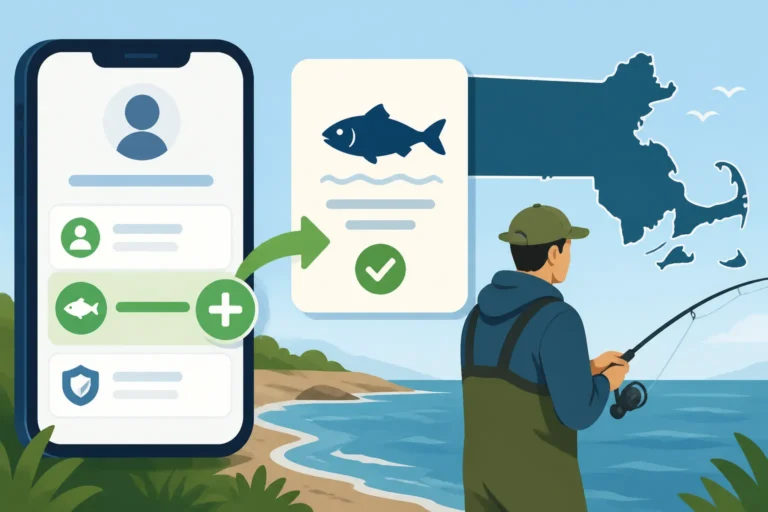
- Create an Account (if you don't have one): If it's your first time, you'll need to set up a profile. This usually involves entering personal details like your name, address, date of birth, and possibly a hunter/angler ID number if you've had licenses before. This process is very user-friendly, and if you need help, our How MassFishHunt Works for Buying a Massachusetts License guide offers a detailed walkthrough.
- Select Your License: Once logged in, you'll navigate through the options to select the "Combination Hunting and Fishing License." This is also where you'll see options to add the mandatory Wildlands Conservation Stamp and any other specific hunting permits (like deer or turkey tags) you might need.
- Pay and Print: After reviewing your selections, you'll proceed to a secure payment portal. Once the transaction is complete, you'll typically receive a confirmation email, and crucially, you'll be able to print your license right from your home computer. Having a physical copy is always a good idea, though showing your license on a phone app is increasingly accepted in Massachusetts, as covered in Showing a Massachusetts fishing license on a phone app. You might also notice a small online processing or convenience fee applied to your total, usually just a dollar or two.
The beauty of the online system is its accessibility. You can literally buy your license on your phone while sitting at your favorite fishing spot (assuming you have service, of course!), though it's always best to be prepared in advance.
In-Person Vendor Locations
For those who prefer a more traditional approach or want to speak with someone face-to-face, licenses can still be purchased at various in-person vendor locations across Massachusetts. These typically include:
- Sporting Goods Stores: Many larger and local sporting goods retailers, like your local independent shop or a larger chain, are authorized license vendors. They often have knowledgeable staff who can answer questions about local regulations, popular fishing spots, or even suggest the right bait or lure for the season.
- Bait and Tackle Shops: These specialized shops are often community hubs for anglers and hunters. Not only can you buy your license, but you can also stock up on gear, get local tips, and soak in the outdoor atmosphere.
- Town or City Clerk Offices: In some municipalities, the town or city clerk's office may also be an authorized agent for selling MassWildlife licenses. This can be a convenient option if it's close to home or work.
One of the big advantages of buying in person is the opportunity to ask questions and get real-time advice. A local bait shop owner, for example, might be able to tell you if the trout are biting at a particular pond or what the current conditions are like at a specific hunting area. When you're gathering your gear for your next adventure, whether it's a new fishing reel or a hunting vest, you can also check out a massive retailer like Amazon for competitive prices, but for the license itself, these local vendors offer a personal touch. If you're looking for specific locations near you, a quick online search for "Massachusetts fishing license vendor locations" will usually point you in the right direction. For those who still enjoy browsing physical catalogs or online listings for gear, sites like Amazon are great for seeing a wide array of products after you’ve got your official paperwork.
Disclaimer
Please remember that fishing and hunting regulations can change. While we strive to provide the most up-to-date information, it's always your responsibility to consult the official Massachusetts Division of Fisheries and Wildlife (MassWildlife) website or their current regulations pamphlet before heading out. This guide is for informational purposes only and should not be considered legal advice.