Massachusetts fishing license accommodations for anglers with disabilities
It can be incredibly frustrating to navigate bureaucratic processes, especially when all you want to do is enjoy the peace and thrill of fishing. For anglers with disabilities in Massachusetts, understanding the specific accommodations available for fishing licenses isn't always straightforward. This comprehensive guide aims to cut through the confusion, providing clear, empathetic information on how to obtain a Massachusetts fishing license with disability accommodations, ensuring everyone has the opportunity to cast a line.
Understanding Massachusetts Fishing License Requirements for Anglers with Disabilities
Massachusetts is dedicated to making outdoor recreation accessible to everyone, and that includes fishing. For residents living with disabilities, there are specific provisions designed to alleviate some of the barriers to enjoying the state's beautiful waterways. It’s not just about getting a piece of paper; it’s about ensuring the freedom to participate in a beloved pastime.
Who Qualifies for Accommodations
Eligibility for a disability accommodation fishing license in Massachusetts isn't a one-size-fits-all situation, and it's essential to understand the specific criteria. Generally, these accommodations are geared towards residents whose disabilities significantly impact their ability to perform daily tasks or engage in manual labor. This isn't about minor inconveniences; it’s about profound and permanent conditions. The primary categories that MassWildlife considers for these special licenses include:
- Permanently Disabled Massachusetts Residents: This applies to residents who are certified by a physician to be permanently disabled and unable to perform manual labor. The key here is "permanently" and "unable to perform manual labor," which signifies a significant and lasting impact on one's physical capabilities. This might include individuals with severe mobility impairments, significant cognitive disabilities, or other conditions that meet this definition.
- Disabled Veterans: Veterans who have a service-connected disability of any percentage are often eligible for special consideration. Massachusetts rightly recognizes the sacrifices made by its veterans, and this is one way to give back. The specific documentation required will relate to your veteran status and disability rating from the U.S. Department of Veterans Affairs.
It's crucial to note that these accommodations are primarily for Massachusetts residents. While non-residents can certainly fish in Massachusetts (and can learn more about a Massachusetts Fishing License for Nonresidents), the specific disability accommodations for licenses are typically reserved for those who call the Bay State home.
Types of Accommodations Available
The accommodations primarily center around the cost of your fishing license. For many qualified disabled residents and veterans, the most significant benefit is the provision of a free fishing license. This isn't a reduced fee; it's a complete waiver of the standard annual licensing cost. This covers both freshwater and saltwater recreational fishing. Imagine the relief of not having to factor in the annual expense, allowing you to focus purely on the joy of the sport.
For instance, if you qualify, you won't need to worry about the typical fees associated with a Massachusetts Freshwater Fishing License Costs and Rules or the annual Massachusetts Saltwater Recreational Fishing Permit Explained. This can represent a substantial saving, especially for those on fixed incomes or managing significant medical expenses related to their disability.
Beyond just the fee waiver, the intent behind these accommodations is to foster greater participation. While the license itself grants fishing privileges, the broader spirit encourages communities and facilities to also consider physical accessibility, ensuring that once you have your license, you can actually get out there and use it.
Required Documentation
Gathering the right paperwork is often the most daunting part of any application process, and getting a disability-accommodated fishing license is no different. You'll need to provide clear proof of your disability status to MassWildlife.
For permanently disabled residents, this usually means:
- A Physician's Statement: This is paramount. You'll need a signed statement from a licensed physician certifying that you are permanently disabled and unable to perform manual labor. This isn't just a casual note; it needs to be a formal document.
- Proof of Massachusetts Residency: Standard documents like a valid Massachusetts driver's license, state ID, or recent utility bills can serve this purpose. You might already have what you need for this.
- MassFishHunt Account: You'll likely need an active account with MassFishHunt, the state's official licensing system, which is where you'll manage your license. If you don't have one, setting up a MassFishHunt account setup guide can walk you through it.
For disabled veterans, the documentation is slightly different:
- VA Disability Letter: You'll need official documentation from the U.S. Department of Veterans Affairs confirming your service-connected disability and its percentage rating. This is your primary proof.
- Proof of Massachusetts Residency: As with other residents, proof of residency is essential.
- MassFishHunt Account: Again, an active MassFishHunt account will be necessary to process your license.
It’s always a good idea to contact the MassWildlife office directly or visit their official website for the most current and specific requirements. Regulations can occasionally change, and you want to make sure you have everything in order before you apply.
Applying for a Disability Accommodation Fishing License in Massachusetts
Navigating the application process can feel like a maze, but breaking it down into steps makes it much more manageable. The goal is to make it as simple as possible for you to get out on the water.
Step-by-Step Application Process
The journey to your disability-accommodated fishing license in Massachusetts typically involves a few key steps, primarily handled through the MassWildlife system.
- Determine Your Eligibility: Before anything else, review the criteria discussed above. Are you a permanently disabled Massachusetts resident unable to perform manual labor, or a Massachusetts disabled veteran with a service-connected disability? This self-assessment saves a lot of time and frustration.
- Gather Your Documentation: Collect all necessary medical statements, VA letters, and proof of residency. It’s wise to have both physical and digital copies if you plan to apply online. Having scanned PDFs ready can streamline the digital submission.
- Create or Access Your MassFishHunt Account: If you don't already have one, you'll need to create an account on the official MassFishHunt portal. This is the central hub for all Massachusetts fishing and hunting licenses. If you have an existing account, simply log in.
- Initiate the Application: Once logged in, you'll navigate to the licensing section. While the exact wording might vary, look for options related to "Special Licenses," "Free Licenses," or "Disability Accommodations." This is where you'll typically select the appropriate disability type.
- Upload or Submit Documentation: The system will prompt you to upload your physician's statement or VA disability letter. Be sure the files are clear, legible, and correctly formatted (usually PDF or JPG). If applying in person or by mail, you'll submit copies of these documents.
- Review and Submit: Double-check all the information you've entered and ensure your documents are attached correctly. Once confident, submit your application. There will be no fee at this stage if you qualify for a free license.
Remember, the goal is to make this process less intimidating. If you encounter any technical difficulties or have questions, don't hesitate to reach out to MassWildlife's licensing department.
Where to Submit Your Application
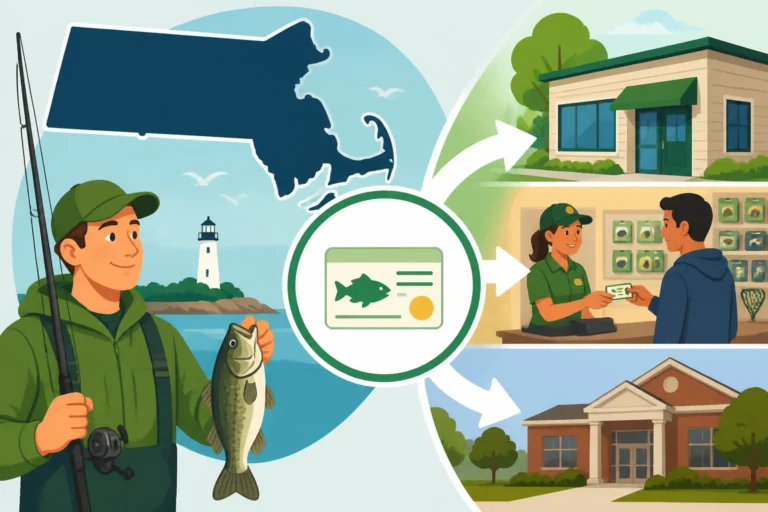
MassWildlife has modernized its licensing system, making it much more accessible. The primary and most convenient method for applying for a fishing license, including those with disability accommodations, is online through the MassFishHunt portal.
- Online (Recommended): This is by far the easiest way for most people. The MassFishHunt website is designed for submitting applications and uploading documents from the comfort of your home. This avoids travel and waiting in lines. You can learn more about How to Buy a Massachusetts Fishing License Online and apply for your accommodated license there.
- By Mail: If online submission isn't feasible, you can typically print out the necessary forms from the MassWildlife website, fill them out, and mail them along with copies of your supporting documentation to the MassWildlife Licensing Division. Be sure to use certified mail for important documents to ensure they arrive safely.
- In Person: While not as common for disability accommodations due to the specific documentation requirements, some MassWildlife offices or authorized vendor locations might be able to assist. However, it's highly recommended to call ahead to confirm they handle disability license applications and what documentation they require on-site. For general licensing, you can find Massachusetts Fishing License Vendor Locations throughout the state.
What to Expect After Applying
Once you've submitted your application, the waiting game begins. MassWildlife will need to review your documentation to verify your eligibility.
- Processing Time: The processing time can vary, but generally, expect a few business days to a couple of weeks. It’s not an instant approval, as a human needs to review the submitted proof of disability. Applying during peak fishing season or right before a holiday might extend this period, so it’s always best to apply well in advance of when you plan to fish.
- Notification of Approval/Denial: You will typically receive an email notification regarding the status of your application. If approved, your license will be updated in your MassFishHunt account. If denied, the notification should explain why, giving you an opportunity to correct any issues or provide additional information.
- Receiving Your License: Once approved, your license will be accessible digitally through your MassFishHunt account. You can often print a physical copy at home, or keep a digital version on your phone. It's crucial to always have Carrying Proof of Your Massachusetts Fishing License with you when fishing, whether it’s a printout or on your mobile device.
Specific Benefits and Exemptions for Disabled Anglers
The primary benefit of these accommodations is the financial relief, but it’s worth diving a little deeper into what that means and other related considerations.
Reduced Fees and Free Licenses
For qualified Massachusetts residents with disabilities and disabled veterans, the benefit is often a free annual fishing license, rather than a mere reduction. This applies to both the freshwater and saltwater components you might otherwise need. This isn't a small perk; it removes a financial barrier that could otherwise prevent someone from enjoying the sport.
Consider this: a typical adult resident might pay for a freshwater license and then an additional saltwater permit. For those on a fixed income or managing significant medical costs associated with a disability, these fees can add up. A free license means more funds available for tackle, bait, or even gas to get to your favorite fishing spot. This is a clear testament to Massachusetts' commitment to inclusive recreation.
It’s important to understand that this free license still means you have a license. You are not "exempt" from needing one; rather, you are exempt from the fee. This distinction is important for regulatory purposes – you must still adhere to all Massachusetts Recreational Fishing Rules and Bag Limits and be prepared to show proof of your license if requested by environmental police.
Special Access Permits and Considerations
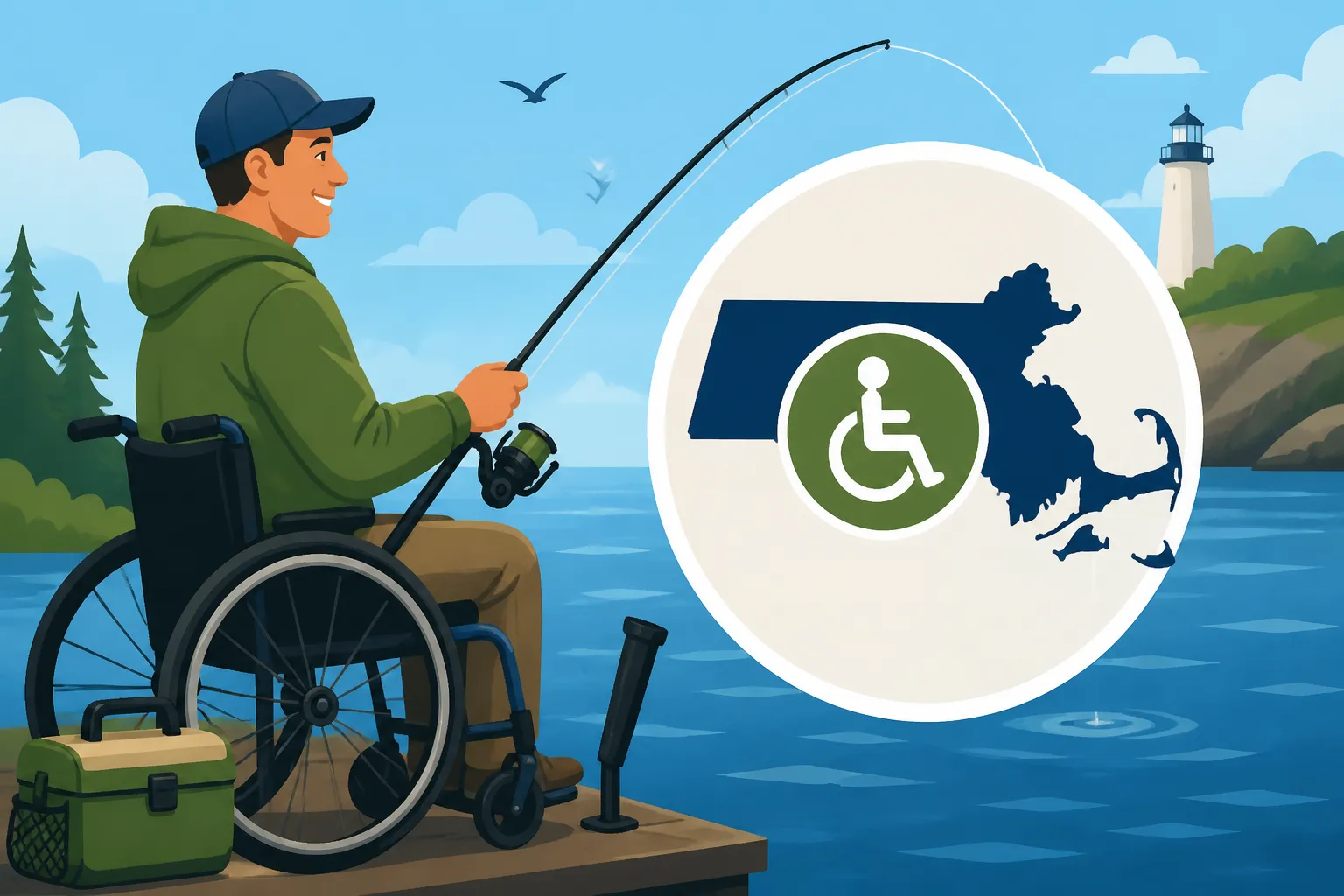
While the fishing license itself doesn't typically come with separate "access permits" for disabled anglers, the state and various organizations make significant efforts to provide accessible fishing locations. Massachusetts recognizes that a license is only useful if you can physically get to and fish a body of water.
Many state parks, wildlife management areas, and municipal access points feature accessible docks, piers, paved paths, and even adaptive facilities. For instance, some sections of the Cape Cod Canal Fishing Guide for Massachusetts Anglers have accessible areas perfect for those who rely on wheelchairs or have limited mobility. Similarly, some spots at places like the Quabbin Reservoir Fishing Guide for Massachusetts Anglers also offer improved access. While not directly tied to the license, these considerations are part of the broader effort to support disabled anglers.
It’s worth exploring resources like the Massachusetts Department of Conservation and Recreation (DCR) website, which often highlights parks and recreation areas with accessible features. Local fishing clubs and disability advocacy groups can also be fantastic resources for finding accessible spots and sharing tips.
Understanding Companion Angler Rules
Sometimes, an angler with a disability might require assistance to fish effectively. This is where the concept of a "companion angler" comes into play. Massachusetts regulations generally state that if an angler with a disability is physically unable to cast or retrieve, a companion may assist them.
However, it's crucial that the companion also holds their own valid fishing license, unless they themselves are exempt (e.g., due to age, as detailed in Do Kids Need a Fishing License in Massachusetts?). The person holding the rod and doing the actual fishing must be licensed, even if they are just assisting. The primary angler with the disability is still responsible for adhering to all bag limits and regulations for their catch. The companion should not be fishing simultaneously on their own accord if they are solely there to assist and are relying on the disabled angler's license for the catch.
This rule ensures that while assistance is allowed and encouraged, the integrity of the licensing system and resource management is maintained. It’s about enabling participation, not creating loopholes for unlicensed fishing.
Important Considerations and Resources for Disabled Anglers
Getting your license is a fantastic first step, but a truly fulfilling fishing experience often involves more than just the legal paperwork. Thinking about accessibility and appropriate gear can significantly enhance your time on the water.
Accessible Fishing Locations in Massachusetts
Finding a suitable spot where you can comfortably fish without worrying about physical barriers is paramount. Massachusetts boasts a wide array of beautiful fishing locations, and many have made admirable strides in accessibility. When planning your trip, consider places like:
- State Parks and DCR Properties: Many Massachusetts State Parks are equipped with accessible fishing piers, paved paths leading to fishing areas, and accessible restrooms. Websites for these parks often detail their specific accessibility features. For instance, some of the Best Fishing Spots in Massachusetts are specifically chosen for their ease of access.
- Municipal Ponds and Lakes: Smaller, community-run ponds often have well-maintained shorelines or dedicated accessible fishing platforms. A quick call to the local recreation department can yield valuable information.
- Designated Accessible Fishing Areas: MassWildlife and DCR sometimes highlight specific locations that are particularly well-suited for disabled anglers. Keep an eye on their official publications and websites. Areas near the Connecticut River Fishing in Massachusetts or even urban spots like the Charles River Fishing in Boston can offer accessible options, often with unique fish species to target.
Always do a little research or make a phone call before heading out to ensure the specific spot meets your accessibility needs. Conditions can change, and what was accessible yesterday might have temporary obstructions today.
Adaptive Fishing Gear and Equipment
The world of fishing has embraced innovation, and there's an increasing amount of adaptive gear designed to help anglers with various disabilities. This equipment can make a world of difference, transforming a challenging experience into an enjoyable one.
- Rod Holders and Mounts: For those with limited arm strength or mobility, specialized rod holders that attach to wheelchairs, boat railings, or even chest mounts can allow hands-free fishing. You can find a wide variety of these on platforms like Amazon, offering different mounting options and adjustability.
- Electric Reels: These reels can take the strain out of retrieving line, especially useful for deep-sea fishing or when fighting larger fish. While an investment, they can be game-changers for those with significant strength limitations. Many high-quality electric reels are available through specialized fishing tackle stores and often listed on Amazon.
- Casting Aids: Devices that assist with casting, from simple slings to more elaborate spring-loaded mechanisms, can help anglers achieve greater distance and accuracy. Look for these assistive devices on Amazon or specialized medical supply websites.
- Ergonomic Grips and Handles: Replacing standard rod handles with larger, more ergonomic grips can improve comfort and control for those with arthritis or hand limitations.
- Portable Seating: Lightweight, foldable chairs or fishing stools can provide comfort and stability for shore fishing, especially when standing for long periods is difficult. Many excellent, portable options can be found readily on Amazon.
- Accessible Fishing Carts: If you need to transport gear across a flat surface, an all-terrain fishing cart can make it much easier to move your rods, tackle box, and other essentials without excessive strain. You'll find a wide selection of these, often with robust wheels for various terrains, on Amazon.
Investing in adaptive gear is an investment in your comfort and independence, allowing you to focus on the fish, not the physical struggle.
Staying Informed About Regulations
Even with a disability-accommodated license, staying up-to-date on all fishing regulations is crucial. Rules for specific species, such as Massachusetts Striped Bass Slot Limit Explained or Massachusetts Saltwater Bag Limits by Species, can change season to season.
MassWildlife publishes an annual "Abstract of the Fishing Laws," which is your go-to guide. You can often download this directly from their website, or pick up a physical copy at many bait and tackle shops. Subscribing to MassWildlife's newsletters or following their social media channels can also keep you informed about sudden regulation changes, trout stocking schedules, or other important announcements. Knowledge is power, especially when it comes to avoiding penalties and ensuring the sustainability of Massachusetts' incredible fishing resources for everyone.
| Disability Type | Eligibility Criteria | License Benefit | Required Documentation (Examples) | Notes |
|---|---|---|---|---|
| Resident Permanently Disabled | Certified by physician as permanently disabled & unable to perform manual labor. | Free Fishing License | Physician's Statement, Proof of MA Residency | Covers both freshwater and saltwater recreational fishing. |
| Resident Disabled Veteran | Service-connected disability (any percentage) from U.S. VA. | Free Fishing License | VA Disability Letter, Proof of MA Residency | Honors service, provides same free access. |
| Companion Angler | Assisting a qualified disabled angler who needs physical aid. | Own valid fishing license (if not otherwise exempt) | N/A (requires primary angler to be qualified) | Must adhere to own license requirements; assists, does not fish independently. |
Disclaimer
The information provided in this guide is for general informational purposes only and is subject to change. While we strive to offer accurate and up-to-date details, fishing regulations, accessibility guidelines, and application processes in Massachusetts can be updated by official authorities. Always consult the official Massachusetts Division of Fisheries and Wildlife (MassWildlife) website or contact them directly for the most current and specific information regarding fishing licenses, disability accommodations, and regulations before planning your fishing trip.