Ipswich Bay Fishing Spots in Massachusetts
You pull into a North Shore parking lot at dawn, look out over miles of sand flats, marsh creeks and open water, and realize Ipswich Bay is far bigger and more confusing than it looked on the map. The tide is moving fast, and you have no idea where the stripers are. This guide breaks down the best Ipswich Bay fishing spots in Massachusetts and how to fish each one.
Getting to Know Ipswich Bay
Ipswich Bay is the broad body of water on Massachusetts’ North Shore that sweeps from the tip of Cape Ann near Rockport north to Plum Island and the mouth of the Merrimack River. Along its edges you will find some of the most productive and scenic fishing water in New England: long barrier beaches, winding salt marsh rivers, rocky points and tidal flats that empty and fill twice a day.
For anglers, the bay is all about tide and bait. When the water moves, it carries sand eels, silversides, river herring and menhaden through the inlets and along the beaches, and striped bass and bluefish follow. When the tide stalls, the action often stops. Learning how each spot fishes on different stages of the tide is the key to consistent success here.
The Major Pieces of the Bay
It helps to think of Ipswich Bay in sections. The southern shore is Cape Ann, with Wingaersheek Beach, the mouth of the Annisquam River, and the rocky edge of Rockport around Halibut Point. In the middle sit Essex Bay and the Essex River, with Crane Beach and Castle Neck guarding the mouth of the Ipswich River. To the north lies Plum Island Sound and Plum Island itself, ending at Sandy Point.
Each section fishes differently. Rocky Cape Ann shorelines hold fish around ledges and white water. The marsh rivers of Essex and Ipswich are classic tidal estuaries, best fished on falling water. Plum Island’s surf is a long sandy beach where reading the waves matters most. Our Gloucester and Cape Ann Fishing Spots guide goes deeper on the southern end, while the Plum Island Surf Fishing Guide covers the northern beach in detail.
What You Can Catch
Striped bass are the main event from late spring through fall. Bluefish arrive in summer, sometimes in huge numbers, and can tear through bait schools near the beaches. Atlantic mackerel show up in season and are fun on light tackle and useful as bait. Flounder and other bottom fish can be caught in some areas, though winter flounder populations are far below historic levels. Farther offshore, groundfish like pollock and haddock draw boat anglers, subject to federal rules and seasonal closures.
| Species | Main Season | Best Areas | Common Methods |
|---|---|---|---|
| Striped bass | Late May to October | River mouths, beaches, flats | Plugs, soft plastics, live bait |
| Bluefish | July to September | Beaches, open bay | Metal lures, topwater plugs |
| Mackerel | Late spring to fall | Rocky points, open water | Sabiki rigs, small jigs |
| Flounder | Spring and fall | Sandy bottoms, channels | Bait on the bottom |
| Groundfish | Varies by regulation | Offshore ledges | Jigs and bait from boats |
Licenses and Rules
Anyone fishing in saltwater in Massachusetts needs a recreational saltwater fishing permit, with some age-based exceptions. Read Massachusetts Saltwater Recreational Fishing Permit Explained for the details. Striped bass are managed under a slot limit, which means you can only keep fish within a specific length range, and the rules can change from year to year. See Massachusetts Striped Bass Slot Limit Explained before you keep any fish.
Best Shore Fishing Spots Around Ipswich Bay
Many of the best Ipswich Bay spots are reachable on foot, which makes the bay a favorite for surfcasters and kayak anglers alike.
Crane Beach and Castle Neck
Crane Beach in Ipswich, managed by a conservation organization, is one of the most beautiful beaches in New England and a strong striper spot. The northern end, near the mouth of the Ipswich River, sees strong currents on the tide changes, and stripers stage there to feed on bait washing out of the estuary. The long beach to the south toward Castle Neck offers sandbars, troughs and holes to explore.
There is a fee to park at Crane Beach, and the lot can fill in summer. Hours and access for anglers, including any early or late season options, are set by the property’s managers, so check their rules before you plan a dawn or night session. In July, greenhead flies can be fierce, so long sleeves and repellent help.
Plum Island and Sandy Point
Plum Island’s long beach runs the length of the northern part of the bay, and Sandy Point State Reservation sits at the southern tip, facing Ipswich Bay and the mouth of Plum Island Sound. The rips and currents near Sandy Point can be outstanding for stripers on moving water, but the currents are powerful and the drop-offs sudden, so never wade far.
Much of Plum Island is part of the Parker River National Wildlife Refuge, which has its own rules for access, parking and seasonal beach closures to protect nesting shorebirds. Respect those closures and check the refuge’s current rules before planning a trip. For more on the striper fishing here, read Where to catch striped bass at Plum Island.
Wingaersheek Beach and the Annisquam
On the Cape Ann side, Wingaersheek Beach and the mouth of the Annisquam River offer sandy flats, boulders and channels that hold stripers on the right tides. Early morning on a falling tide is a classic time to fish here before beachgoers arrive. Parking can be limited and restricted in summer, so plan ahead.
Halibut Point and Rockport Ledges
At the tip of Cape Ann, Halibut Point offers rocky ledges facing Ipswich Bay. This is classic North Shore rock fishing, with white water, deep holes and occasional big stripers. Rock fishing comes with real risks. Wet granite is slippery, and swells can surge unexpectedly. Wear cleated footwear, never turn your back on the ocean, and avoid fishing alone on the rocks.
Fishing the Marsh Rivers and Estuaries
The salt marsh rivers feeding into Ipswich Bay are among its most productive habitats, especially early and late in the season.
The Ipswich River Mouth
Where the Ipswich River meets the bay near Crane Beach, a strong outgoing tide carries baitfish out of the marsh, and stripers wait at the edges of the current. Fishing the last half of the outgoing tide is often best. Soft plastic baits, swimming plugs and live bait can all work. A kayak opens up more of the river, but watch the current, which can be stronger than it looks.
The Essex River and Essex Bay
The Essex River winds through marsh toward Essex Bay, creating miles of channel edges, creek mouths and flats. Early in the season, schoolie stripers often fill these waters, offering excellent light-tackle and fly fishing. As the season progresses, bigger fish come in on higher tides to feed in the marsh.
The Essex area is also popular with boaters and kayakers, so be aware of traffic in the channels. Launch locations and parking vary, and some require permits or fees. For more on paddling options, our guide to Where to fish with a canoe or kayak in Massachusetts is a helpful starting point.
Plum Island Sound
Plum Island Sound is a large estuary behind Plum Island, fed by the Parker River and other creeks. It is a prime area for stripers, particularly in spring and fall, and fishes well from small boats and kayaks. Shore access is more limited, but where available, the edges of channels and marsh banks can be productive on moving water.
Tactics, Timing and Tides
Ipswich Bay rewards anglers who pay attention to tides, bait and light.
Reading the Tides
Tide is everything here. As a general rule, river mouths and inlets fish best on the outgoing tide, when bait is pulled out of the marshes. Beaches often fish well on the incoming, especially around sandbars and troughs. Flats can be excellent at the start of the flood as stripers push onto them to feed. For a deeper look, read Best Tides for Striped Bass Fishing in Massachusetts.
A simple approach for planning a session:
- Check the tide chart for the nearest station and note high and low times.
- Pick a river mouth for the outgoing tide or a beach for the incoming.
- Arrive an hour before the best stage so you can scout and set up.
- Fish through the peak current, moving along the shore to find active fish.
- Leave before the tide floods behind you on a flat or sandbar.
Lures, Baits and Flies
Effective lures include soft plastic paddle tails and jerkbaits, swimming plugs, topwater pencils and poppers, and metal lures for bluefish. Live bait such as mackerel and eels can draw bigger stripers. For details on eel fishing, read Live-Lining Eels for Massachusetts Striped Bass. Fly anglers do well with sand eel and silverside patterns, especially on the flats and in the estuaries.
Using Boats and Charters
A boat opens up much more of Ipswich Bay, from offshore ledges to the edges of the marshes. Charter captains and guides operate from Newburyport, Ipswich, Essex and Gloucester. Online marketplaces like FishingBooker can help you compare North Shore charters, read reviews and check availability. Prices vary by trip length and boat size, so check each listing on FishingBooker for current pricing and what is included.
If you prefer inshore fishing, look for guides who specialize in light tackle or fly fishing in the estuaries. FishingBooker lists a range of options, from small skiffs to larger boats that head offshore. Ask about licenses, whether gear is provided, and how the captain handles poor weather before you book.
Safety on the Bay
Ipswich Bay’s beauty hides real hazards. Tidal currents in inlets can sweep a wading angler off their feet, and incoming tides can strand you on a sandbar. Fog rolls in quickly, particularly in late spring and early summer. Wear a life jacket on the water, carry a phone in a waterproof case, and let someone know your plans.
Planning Your Ipswich Bay Trip
With so many options, a little planning helps you make the most of your time.
Seasonal Patterns
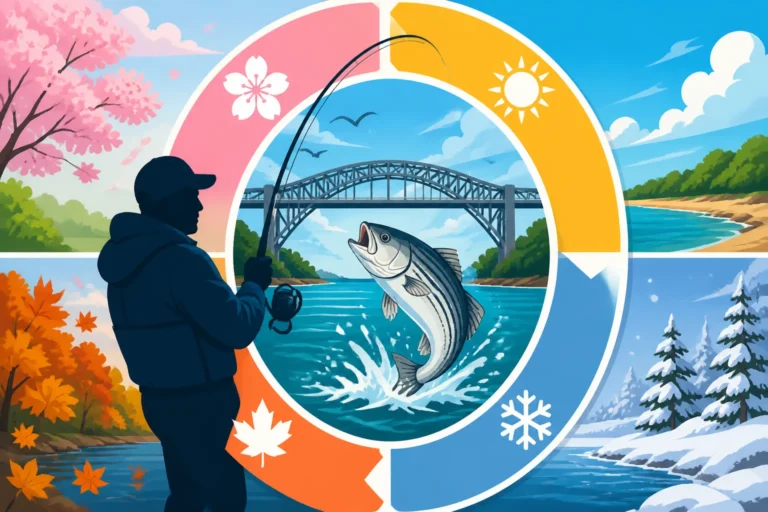
Stripers typically arrive in late spring, with schoolies filling the estuaries first. By June, larger fish are present along the beaches and in the rivers. Summer brings bluefish and mackerel, along with more boat traffic. Fall can be the best time of the year, as stripers feed heavily before migrating south. For more ideas beyond the bay, see Where to fish the North Shore for striped bass.
Choosing Where to Start
If you are new to the area, start with one section and learn it well. Crane Beach and the Ipswich River mouth are excellent for surfcasters. The Essex River is a great kayak destination. Plum Island and Sandy Point are ideal for anglers who like long beaches and rips. Halibut Point suits experienced rock anglers. Exploring the Best fishing spots near Newburyport can round out a trip if you want to try the Merrimack River mouth as well.
Respecting the Coast
Much of the land around Ipswich Bay is protected by wildlife refuges, conservation groups and the state. Follow posted rules, respect closures for nesting birds, and carry out all trash, including fishing line. Treat the marsh and beach as you would want them treated, and the bay will keep producing great fishing for years to come.
Disclaimer
This article is for general informational purposes only and does not constitute professional advice. Laws, prices and regulations vary by location and change over time. Consult a qualified professional for guidance on your specific situation.