New Bedford Harbor Fishing Guide
Fishing in a place like New Bedford Harbor can feel a bit intimidating at first. With its rich industrial history and bustling maritime activity, it's easy to wonder if there's any real angling magic left to discover. Many folks might even assume the waters are too complicated or, frankly, too polluted to bother. But let me tell you, that's not the full picture! This guide is here to cut through the confusion, validate your concerns, and show you exactly how to tap into the surprisingly vibrant fishing opportunities that New Bedford Harbor truly offers, transforming those doubts into successful fishing trips.
Navigating New Bedford Harbor's Unique Fishing Environment
New Bedford Harbor isn't your typical serene fishing retreat. It's a working harbor with a deep history, and understanding its unique characteristics is the first step to a successful outing. Forget about pristine wilderness; here, you're embracing an urban fishery that blends the grit of industry with the resilience of marine life.
Understanding the Harbor's History and Water Quality
For decades, New Bedford was a powerhouse of industry, particularly whaling and manufacturing. Unfortunately, this also meant significant pollution, leading to its designation as a Superfund site by the Environmental Protection Agency (EPA). I know, that sounds daunting, right? It's a completely valid concern for any angler wondering about the safety of fishing here. Nobody wants to catch a fish only to question if it's safe to eat or even touch.
However, a massive, ongoing cleanup effort has been underway for years, focusing on dredging contaminated sediments and improving water quality. While this doesn't erase the past overnight, it means the harbor is in a much better state than it once was, and conditions continue to improve. The Acushnet River, which flows into the harbor, also plays a role, bringing both freshwater influences and, historically, its own share of industrial runoff. What’s important to remember is that while the harbor still carries its legacy, many fish species have found a way to thrive, and the situation is carefully monitored. We’ll dive deeper into consumption advisories later, because that’s a crucial piece of the puzzle for responsible angling here.
Tidal Flows and Current Dynamics
The fishing in New Bedford Harbor is heavily influenced by the powerful tides of Buzzards Bay and the presence of the New Bedford Hurricane Barrier. This massive structure, built to protect the inner harbor from storm surges, also funnels water in and out, creating distinct current patterns.
When the tide is running strong, especially during a new or full moon, the currents can be incredibly powerful, making it challenging to hold bottom with lighter tackle. These moving waters, however, are often exactly what excites baitfish and, consequently, the predatory fish we're after. The change of tide, often referred to as the "slack tide," just before the current reverses, can sometimes offer a brief window of calmer water for easier fishing, but it's often the strong, moving water that triggers the best bites, especially for species like striped bass. Knowing the tide schedule for New Bedford is paramount; it can make or break your day.
Key Species to Target in New Bedford Harbor
Despite its urban setting and industrial past, New Bedford Harbor is surprisingly productive, offering a diverse array of fish for anglers. You might not catch every species found offshore, but there's plenty of action to be had, often just a stone's throw from the city's historic waterfront.
Dominant Saltwater Species
When you think about fishing in a Massachusetts harbor, a few key players always come to mind, and New Bedford is no exception. These are the species that call these waters home for significant parts of the year, offering consistent opportunities.
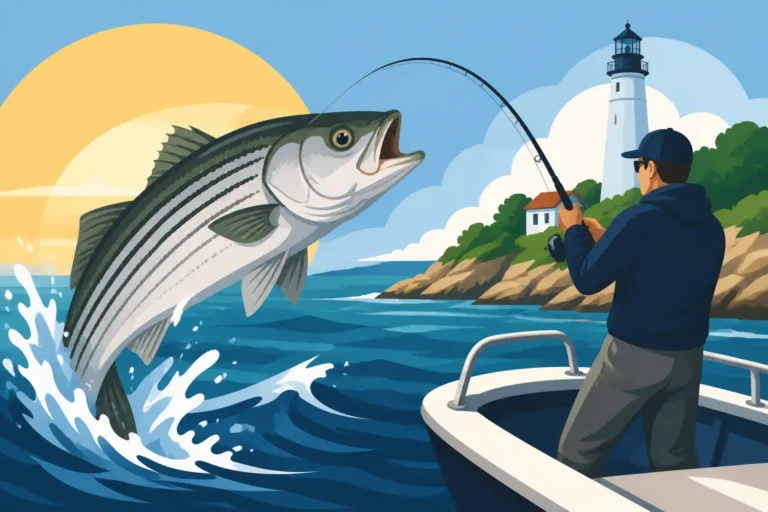
- Striped Bass: Ah, the venerable striped bass. They are, without a doubt, the main event for many anglers in New Bedford Harbor. Stripers love structure, current, and baitfish, all of which the harbor provides in spades. You'll find them cruising along jetties, around the hurricane barrier, and lurking near the many docks and pilings. They migrate into Massachusetts waters in the spring and stay through the fall, offering a long season of exciting fishing. Understanding their habits and the nuances of the Massachusetts Striped Bass Slot Limit Explained is crucial for any angler targeting these magnificent fish.
- Bluefish: If you're looking for an aggressive fight and a fish that will absolutely smash a topwater lure, bluefish are your answer. These toothy critters arrive in the warmer months, typically from June through September, and can provide some explosive action. While not as abundant as stripers, they're definitely present and can surprise you when you least expect it, often in the same areas where you find stripers.
- Tautog (Blackfish): For those who love a challenge and some serious bottom fishing, tautog are an excellent target. These hard-fighting fish are structure-oriented, meaning you'll find them around rocky bottom, bridge pilings, and the remnants of old docks. Their season is generally spring and fall, with specific bag limits and sizes, making them a more specialized target. If you enjoy puzzle-solving with your fishing, figuring out how to coax a tautog from its lair is incredibly rewarding. Learn more about Tautog Fishing in Massachusetts for specific tips.
- Fluke (Summer Flounder): When the summer waters warm up, fluke move into the harbor, especially in areas with sandy or muddy bottoms where they can ambush prey. They’re a fun fish to target with light tackle, offering a delicate bite followed by a surprisingly strong fight. Drifting baits or small bucktail jigs across the bottom near channels or drop-offs can be very effective. Fluke Fishing in Massachusetts provides an in-depth look at how to catch these popular flatfish.
- Scup (Porgy): If you're looking for consistent action, especially with kids or new anglers, scup are hard to beat. They are incredibly abundant, easy to catch, and willing biters, often found in schools over hard bottom or around structure. They may not be the biggest fish in the sea, but they offer continuous entertainment and are excellent table fare.
Occasional Visitors and Freshwater Influences
While the species listed above are your primary targets, New Bedford Harbor, with its connection to the ocean and the Acushnet River, sees a few other interesting fish pass through or take up residence.
You might occasionally encounter Winter Flounder, especially in the cooler months, though their populations have declined significantly from historical levels. Black Sea Bass can sometimes be found deeper in the harbor or closer to the mouth, preferring rocky reefs and wrecks. These are generally more common further out in Buzzards Bay, but don't count them out entirely.
The Acushnet River’s freshwater input also means you might stumble upon White Perch in the brackish zones. These feisty panfish offer a lot of fun on ultra-light tackle and are often overlooked. They're usually found closer to where the river meets the harbor, often in areas with less current. This mix of species makes the harbor a dynamic environment, always holding the potential for a surprise catch.
Prime Fishing Locations within New Bedford Harbor
Knowing what you can catch is one thing, but knowing where to cast your line is entirely another, especially in a bustling harbor like New Bedford. Thankfully, there are several accessible spots, both for shore-bound anglers and those with boats.
Shore-Based Access Points
For many anglers, particularly those new to the area or without boat access, finding reliable shore fishing spots is key. New Bedford Harbor offers a few distinct areas where you can set up shop.
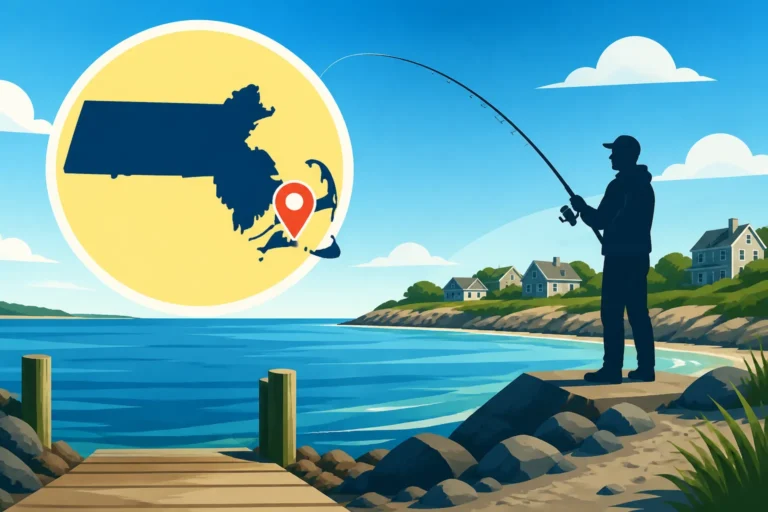
- Fort Phoenix State Reservation (Fairhaven Side): This is arguably one of the most popular and accessible shore fishing locations in the entire harbor area. Located on the Fairhaven side, just across from New Bedford, Fort Phoenix offers ample parking, a long beach, and a historic fort at the end of a jetty. Anglers here can cast into the main channel leading into Buzzards Bay, or into the more sheltered waters closer to the beach. You'll primarily target striped bass, bluefish, and scup here. Early mornings and evenings, especially on incoming or outgoing tides, are prime times. The structure of the fort and jetty provides excellent ambush points for predatory fish.
- Pope's Island: Connecting New Bedford to Fairhaven, Pope's Island is bisected by the causeway and bridges. While direct access to fish from the bridges themselves is usually restricted for safety, there are often spots along the island's edges or beneath the bridges where you can fish. This area is characterized by strong currents, making it excellent for striped bass and bluefish. The deep water and structure around the bridge pilings are magnets for baitfish, which in turn attract larger predators. Just be mindful of local signage regarding access and parking, as it can be tight.
- Downtown New Bedford Waterfront (State Pier area, historic district): Fishing directly from the main State Pier is generally not permitted due to commercial activity, but there are sometimes smaller, publicly accessible areas or parks along the downtown waterfront where you can cast a line. These spots are more about convenience and soaking in the atmosphere than serious fishing, but opportunities for scup and smaller striped bass can arise, especially around smaller docks and seawalls. It's less about remote tranquility and more about urban angling in plain sight.
- New Bedford Hurricane Barrier: The Hurricane Barrier itself is a colossal structure. While walking or fishing directly on the barrier is generally not allowed or safe due to its operational nature and restricted access, the waters around its openings are incredibly productive. On both the New Bedford and Fairhaven sides, where accessible by land or boat, these areas act as natural funnels for baitfish and game fish. Always observe safety warnings and respect any marked restricted areas around this critical infrastructure. For instance, the waters just outside the barrier, where the strong currents converge, can be fantastic for striped bass.
Boat and Kayak Fishing Opportunities
For those with access to a boat or kayak, New Bedford Harbor opens up a whole new world of fishing possibilities, allowing you to reach prime spots inaccessible from shore.
Several public boat ramps and marinas dot the harbor, making it easy to launch your vessel. On the New Bedford side, the Popes Island Marina offers launch facilities, and there are other municipal ramps. On the Fairhaven side, similar options exist, providing direct access to the inner harbor and the broader Buzzards Bay.
By boat, you can really explore the intricacies of the harbor. Focus your efforts on the main channel edges, where depths drop off and currents are strongest. Look for submerged structure, whether it's old pier pilings, navigational markers, or natural rock piles. The areas just inside and outside the Hurricane Barrier are also prime targets, offering deep water and strong current breaks that hold fish. Using a fish finder to locate schools of baitfish or larger marks near the bottom can dramatically improve your success.
Kayakers, in particular, can silently access shallower coves and the perimeters of docks and marinas, presenting lures or baits without spooking fish. However, safety is paramount in a busy commercial harbor. Always be aware of large vessel traffic, maintain proper lighting, and wear a personal flotation device (PFD). The wakes from larger boats can be significant, so choose calmer days or stick to more sheltered areas.
If you don't own a boat but still want to experience fishing the harbor and beyond, consider booking a local charter. Services like FishingBooker can help you find experienced captains who know the local waters intimately, providing all the gear and expertise needed for a fantastic trip. They can guide you to the hot spots for specific species, especially if you're targeting elusive tautog around particular submerged structures or chasing migratory striped bass out in Buzzards Bay.
Best Techniques and Tackle for New Bedford Harbor
Fishing in New Bedford Harbor often means adapting to varying conditions – from strong currents to depths that can change quickly. Having the right gear and a few versatile techniques in your arsenal will significantly boost your chances of success.
Essential Gear for Harbor Fishing
You don't need a tackle shop's worth of equipment, but some fundamental setups will cover most scenarios you'll encounter here.
For general harbor fishing, a medium to medium-heavy spinning rod (7-8 feet in length) paired with a 4000-5000 size spinning reel is a workhorse. This setup provides enough backbone to cast heavier lures or sinkers, handle strong currents, and fight larger fish like striped bass and bluefish, while still being sensitive enough for fluke or scup. Spool your reel with 20-30 lb braided line for its strength and sensitivity, and always use a fluorocarbon leader (20-40 lb test) to reduce visibility and resist abrasion against structure or the sharp teeth of bluefish.
If you're specifically targeting tautog around heavy structure, you might want to step up to a heavy conventional rod and reel setup with even stronger braid and a heavier fluorocarbon leader (40-60 lb). This allows you to really lean into a fish to pull it away from snags before it can break you off.
For shore anglers, a longer surf rod (9-11 feet) can be incredibly useful, especially at places like Fort Phoenix, allowing you to cast further out into the channel and cover more water. Remember to bring a tackle bag that's easy to carry, as you might walk a bit to find your ideal spot.
Popular Baits and Lures
Fish in the harbor are often opportunistic feeders, so a mix of natural baits and artificial lures can be highly effective.
- Live Bait: This is often the undisputed champion for many species. Live eels are legendary for large striped bass, especially fished at night or during strong tides around structure. Live mackerel or pogies (menhaden), if you can net or snag them, are also irresistible to stripers and bluefish. For tautog, green crabs are king; just break off a few legs or crack the shell to release their scent. Sandworms and clams are versatile baits that work wonders for scup, fluke, and even smaller striped bass. You can often find these at local bait shops in New Bedford or Fairhaven, making it easy to pick up fresh bait on your way to the harbor.
- Artificial Lures: Don't underestimate the power of a well-presented lure.
- Soft plastics like paddle tails (e.g., from Hog Island or Z-Man) or curly tails (like the old reliable Cocahoe minnow) on jig heads are incredibly versatile, catching everything from stripers and bluefish to fluke and even large scup. Vary your jig head weight to match the current – you need to get to the bottom!
- Bucktail jigs are another classic, especially when tipped with a strip of bait or a Gulp! trailer. They're excellent for fluke and bottom-dwelling species.
- For surface action, topwater plugs like poppers or walk-the-dog lures can be exhilarating when stripers or bluefish are aggressively feeding on baitfish near the surface.
- Swimming plugs (like those made by Daiwa or Bomber) or even larger metal lip swimmers are fantastic for imitating baitfish and drawing strikes from larger stripers, especially when cast into strong currents.
Effective Fishing Strategies
Success in New Bedford Harbor often boils down to understanding fish behavior in this unique environment.
Timing with the Tides: As mentioned, moving water is key. The incoming and outgoing tides are generally the most productive, as currents dislodge bait and create feeding opportunities for predatory fish. Pay close attention to the tide charts, and try to fish an hour or two on either side of the peak current. The exception might be for some bottom-dwellers like tautog, which can sometimes be more active during slack tide as they can venture out from structure more easily.
Targeting Structure: This cannot be stressed enough. Docks, pilings, rock piles, ledges, channel markers, and the hurricane barrier itself are all prime locations where fish ambush bait. Striped bass and tautog, in particular, will relate tightly to these features. Cast your lures or present your baits as close to the structure as possible, being mindful of potential snags. For bottom fishing, using a two-hook "hi-lo" rig with a heavy sinker is a common setup for scup and tautog.
Varying Your Retrieve: Don't just cast and reel in at a constant speed. For soft plastics and jigs, experiment with slow retrieves, bouncing off the bottom, or quick jerks and pauses. For topwater lures, vary your popping or walking cadence. Sometimes a subtle presentation is best, other times an aggressive, erratic retrieve is what triggers a strike. Remember, fish are often looking for something that looks injured or easy to catch.
Essential Regulations and Safety for New Bedford Harbor Anglers
Fishing responsibly and safely is paramount in any location, but especially in a working harbor with specific environmental considerations like New Bedford. Knowing the rules and staying vigilant ensures a positive experience for everyone.
Massachusetts Fishing License and Regulations
First things first: you absolutely need a license to fish in Massachusetts waters. Since New Bedford Harbor is primarily a saltwater fishery, you'll need a Massachusetts Saltwater Recreational Fishing Permit Explained. This permit covers you for most recreational saltwater fishing activities. If you plan to dabble in any freshwater tributaries of the Acushnet River, you would need a separate freshwater license. The easiest way to obtain your permit is online through the MassFishHunt system. You can also review the comprehensive Massachusetts Fishing License Guide for all the details on types, costs, and where to purchase.
Beyond just the license, it’s critical to be aware of the specific regulations for the species you’re targeting. These rules cover minimum sizes, daily bag limits, and sometimes even seasonal restrictions. For example, striped bass have a strict slot limit, meaning you can only keep fish within a certain length range, designed to protect both juvenile and large breeding fish. The Massachusetts Saltwater Bag Limits by Species provides a detailed rundown of these rules. Always consult the most current regulations published by MassWildlife or the Division of Marine Fisheries, as they can change annually. When in doubt, err on the side of caution and release the fish.
Navigating Water Quality and Consumption Advisories
This is perhaps the most sensitive and crucial aspect of fishing in New Bedford Harbor. Due to its industrial past, the Massachusetts Department of Public Health (DPH) has issued specific fish consumption advisories for certain species caught in the harbor due to contaminants like PCBs and heavy metals.
It's a tough pill to swallow for anglers who love to bring home a fresh meal, but ignoring these advisories is simply not worth the risk to your health. The DPH generally advises against or limits consumption of certain bottom-dwelling or fatty fish species caught directly in the inner harbor, as these fish tend to accumulate higher levels of contaminants over time. Migratory species like striped bass might also carry advisories if they spend significant time in the affected areas.
My strong recommendation is to always check the latest Massachusetts DPH fish consumption advisories for New Bedford Harbor before you go fishing, especially if you plan to keep any fish. These advisories are regularly updated and provide specific guidance on which species to limit or avoid, and for whom (e.g., pregnant women, children). For many anglers, the best approach for New Bedford Harbor is to embrace catch-and-release fishing, focusing on the sport and thrill of the catch rather than the harvest. This way, you can enjoy the fantastic fishing without any concerns about what you're bringing to the dinner table.
General Safety and Etiquette
Fishing in a busy commercial harbor presents unique safety challenges compared to a quiet pond or open ocean.
- Awareness of Commercial Traffic: New Bedford Harbor is a working port. This means large commercial fishing vessels, ferries, tugboats, and other industrial traffic are constantly moving. If you're fishing from a boat or kayak, maintain a safe distance from these vessels and their channels. Never assume they see you. Always use appropriate navigation lights if fishing before sunrise or after sunset.
- Personal Flotation Devices (PFDs): If you're on a boat, kayak, or even fishing from a pier, wearing a PFD is a smart move. Accidents can happen quickly, and a PFD can save your life.
- Proper Disposal of Trash and Fishing Line: This is crucial everywhere, but especially in an urban environment. Discarded fishing line (monofilament) is a major hazard to wildlife and boat propellers. Always pack out everything you pack in, and dispose of trash properly.
- Respect Private Property: While there are public access points, much of the harbor waterfront is private property or commercial dockage. Always be mindful of signage and avoid trespassing. When fishing from public piers or jetties, be respectful of other anglers and users of the space.
- Weather Watch: Weather can change rapidly in coastal Massachusetts. Keep an eye on forecasts for wind, waves, and potential storms. If you're in a smaller boat, heavy wakes or sudden winds can create hazardous conditions quickly.
By understanding and adhering to these regulations and safety guidelines, you can ensure your fishing experience in New Bedford Harbor is not only productive but also safe and responsible.
Beyond the Harbor: Nearby Fishing Opportunities
While New Bedford Harbor offers a fantastic array of fishing experiences, sometimes you might want to explore what lies just beyond its jetties. The harbor is, after all, a gateway to the rich fishing grounds of Buzzards Bay and the surrounding coastlines.
Exploring Buzzards Bay's Rich Waters
Just outside the hurricane barrier, Buzzards Bay opens up, offering a much broader and often even more productive fishing landscape. This large, protected bay is renowned for its diverse fishery, and many New Bedford-based anglers regularly venture here.
- Striped Bass and Bluefish Hotspots: The countless coves, rocky shorelines, and structure-rich areas of Buzzards Bay are absolutely teeming with striped bass and bluefish throughout the warmer months. Look for areas with strong current, like the Elizabeth Islands chain or the various rocky points and reefs that extend from the mainland. Trolling tubes, casting large topwater plugs, or livelining baitfish can be incredibly effective here. You’ll find that the average size of fish, especially striped bass, can be larger in the wider bay compared to what you might typically catch inside the harbor.
- Bottom Fishing Paradise: Buzzards Bay is a bottom fisherman's dream. Beyond tautog and scup, you'll find plenty of fluke (summer flounder) over sandy bottoms and black sea bass over rocky reefs and wrecks. Fishing with squid, clams, or gulp baits on traditional bottom rigs can yield impressive catches. These waters offer a more diverse bottom structure and typically cleaner waters, making bottom fishing a highly popular choice for many. If you're interested in really delving into specific species and their limits, our guide to Massachusetts Saltwater Bag Limits by Species will be incredibly helpful.
- Offshore Opportunities: For the more adventurous angler with a larger boat, Buzzards Bay also serves as a launching point for offshore adventures targeting species like tuna and sharks further out in the Atlantic, although these trips are significant undertakings and usually require a dedicated tuna charter. This is where booking a specialized trip with a captain found on platforms like FishingBooker truly shines, as they have the vessels, gear, and expertise for such demanding excursions.
Connecting to the Acushnet River's Freshwater Systems
While the main focus of fishing around New Bedford is saltwater, the Acushnet River, which feeds into the harbor, also offers some interesting, albeit smaller-scale, freshwater and brackish water fishing opportunities.
As you move further upriver from the harbor, the salinity gradually decreases, and the environment shifts towards a more freshwater ecosystem. In these upper reaches, you might find species typically associated with ponds and rivers, such as largemouth bass, chain pickerel, and panfish like sunfish and yellow perch.
These areas are generally less developed and can provide a quieter, more tranquil fishing experience, often accessible from smaller shore points or by kayak. While not the primary draw, these freshwater sections offer a nice change of pace for anglers looking to diversify their catches or enjoy a different type of fishing entirely. Just remember that a separate Massachusetts Freshwater Fishing License Costs and Rules would be required for these inland waters.
Exploring beyond the immediate confines of New Bedford Harbor broadens your angling horizons significantly, giving you a taste of the incredible diversity that Massachusetts fishing has to offer, from busy urban docks to expansive bay waters and quiet riverbanks.
Disclaimer
The information provided in this New Bedford Harbor fishing guide is for general informational purposes only and is subject to change. Anglers are responsible for consulting the latest Massachusetts fishing regulations from MassWildlife and the Division of Marine Fisheries, as well as current fish consumption advisories from the Massachusetts Department of Public Health, before any fishing trip. Safety precautions, including wearing PFDs and being aware of commercial traffic, should always be observed.