Where to park for Cape Cod Canal fishing
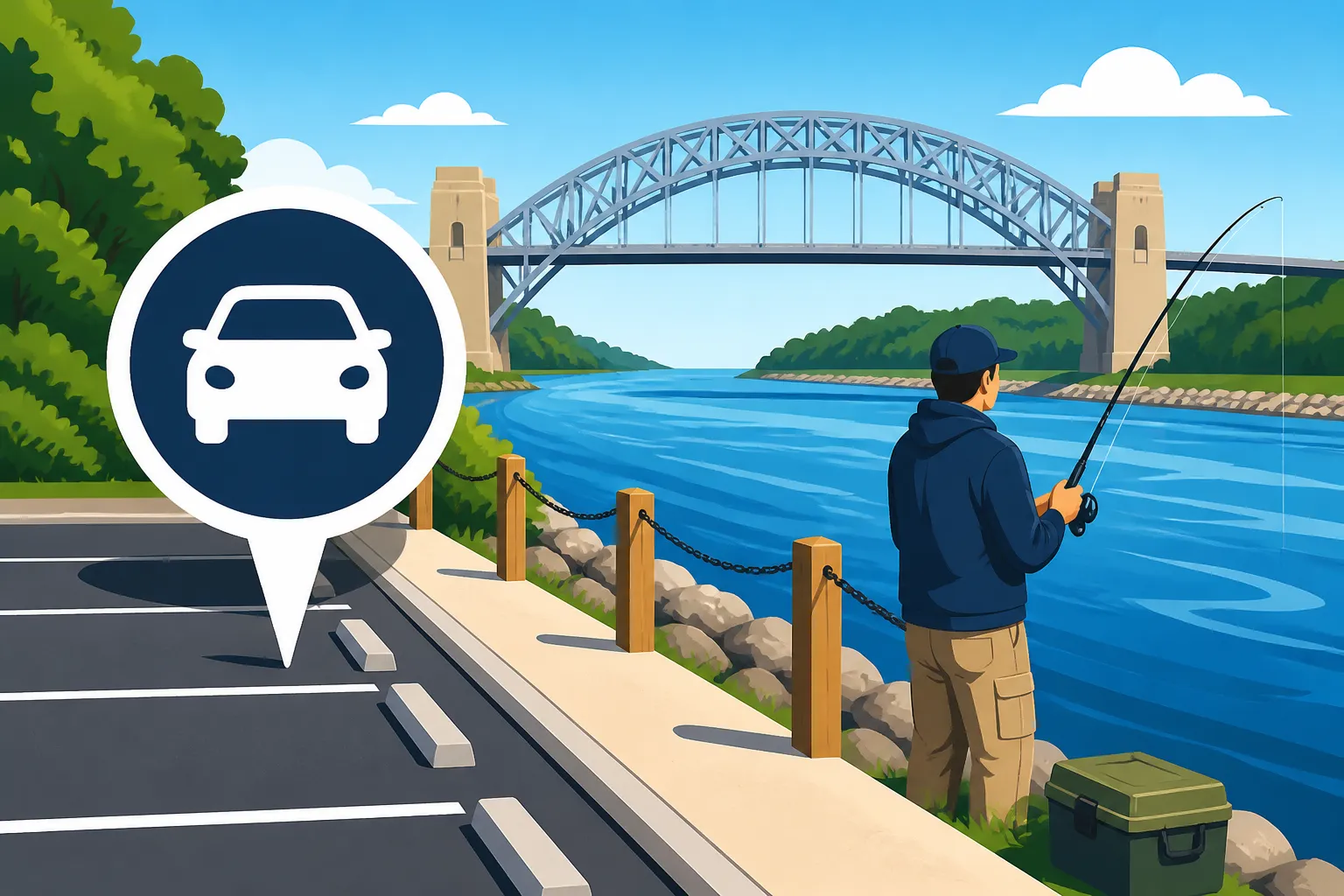
Oh, the Cape Cod Canal! It's an absolute magnet for anglers, a true gem in Massachusetts for anyone chasing big striped bass or just enjoying the unique current-driven fishing. But let's be real, finding a good parking spot at the Canal can sometimes feel like a bigger challenge than actually hooking a striper, especially during those prime fishing windows or on a gorgeous summer day. You circle, you hope, you probably get a little frustrated. This guide is here to cut through that headache, giving you the lowdown on exactly where to park, how to beat the crowds, and what to look out for so your Canal fishing trip starts and ends on a high note.
Understanding the Cape Cod Canal's Unique Parking Challenges
The Cape Cod Canal, a roughly 7-mile-long, man-made waterway connecting Buzzards Bay to Cape Cod Bay, is a true marvel – both for engineering and for fishing. But its popularity comes with a catch: limited parking. This isn't your average neighborhood pond where you can just pull over on the shoulder. This is a federal waterway, managed by the U.S. Army Corps of Engineers (USACE), and that means specific rules, designated areas, and a whole lot of competition for spots.
Popularity and Pressure Points
The sheer magnetic pull of the Cape Cod Canal for anglers is legendary. People come from all over to experience the rush of casting into the fast-moving currents, hoping to land a trophy striped bass. This popularity, while fantastic for the fishing community, creates significant pressure on parking infrastructure. On any given weekend, particularly during the striped bass run, you'll see cars lined up well before dawn, and every legal spot quickly fills up. It’s not just anglers either; cyclists, walkers, and sightseers also flock to the paved service roads on both sides of the canal, adding to the demand for parking.
What makes it even more challenging is that many of the prime fishing spots, like the infamous jetties at both ends or specific rips along the banks, don't necessarily have massive parking lots right next to them. Instead, you're often looking at smaller pull-offs, designated areas that can only accommodate a handful of vehicles, or shared lots that serve multiple purposes. If you roll up at 8 AM on a Saturday in July hoping for a spot near a hot bite, you're likely in for a rude awakening and a lot of driving around. It’s a classic case of supply and demand, and the demand for those coveted Canal parking spots often far outstrips the supply, leading to frustrations and sometimes illegal parking.
East End vs. West End Considerations
The Canal fundamentally divides itself into two main sections when it comes to access and parking: the East End (near Sandwich) and the West End (near Bourne). Each end presents its own set of characteristics and, consequently, its own parking logic.
The East End is generally known for its robust jetties extending into Cape Cod Bay, offering fantastic opportunities for surfcasting, especially when the baitfish are pouring into the Canal from the bay. This side also tends to have wider, more open stretches of the paved service road, making it popular for cyclists and walkers who want to take in the expansive views of the bay. Parking on the East End, particularly near the jetties, can be incredibly competitive. There are a few key lots, but they fill up fast, and if you're targeting specific tides or times, you really need to plan ahead. Access to the Sandwich side means navigating through the town of Sandwich itself, which can get congested.
Conversely, the West End offers access closer to Buzzards Bay and the swift currents under the Bourne Bridge and Sagamore Bridge. This side is often favored by anglers looking to target fish moving through the choke points or fishing specific "breaks" in the current. Parking here can also be tricky, as the topography is a bit more industrial, with less sprawling open space for large lots. There are some dedicated lots, but many are smaller pull-offs or areas that require careful navigation to find. The Bourne side can feel a little more spread out in terms of fishing access points, requiring a bit more driving along the service road to explore. Understanding the layout of each end and what kind of fishing you're planning to do will significantly influence your parking strategy.
Dedicated Parking Areas for Anglers and Visitors
Finding a legal and convenient spot to park is crucial for any successful Cape Cod Canal fishing trip. The good news is that the U.S. Army Corps of Engineers, in cooperation with local towns, has established several designated parking areas along both sides of the Canal. These spots are your best bet, but knowing their specifics can make all the difference.
East End Parking Options (Sandwich)
The East End of the Canal, primarily on the Sandwich side, offers some popular spots, but they get packed quickly. When you're heading towards Cape Cod Bay, these are your main targets:
-
Sandwich Recreation Area (East Boat Basin Parking): This is probably the most well-known and often the busiest parking area on the East End. Located right off Route 6A, it provides direct access to the eastern section of the Canal and the East End Jetty. The lot itself is quite large, but don't let that fool you; during peak season weekends, especially around sunrise or sunset tides, it fills up fast. Anglers flock here to fish the jetty for stripers and bluefish, or to access the paved service road. There are usually public restrooms available here, which is a big plus for those long fishing sessions. Just make sure to arrive early if you want to secure a spot during prime fishing times. Many people fishing for a specific Best tide for fishing the Cape Cod Canal here will aim to arrive hours before the tide turn.
-
Scusset Beach State Reservation: While not directly on the Canal, Scusset Beach offers a large parking lot and direct walking access to the East End Jetty. It's located just east of the Canal entrance on Cape Cod Bay, meaning you'll have a bit of a walk to get to the actual Canal fishing spots, but it's a fantastic option if the main Sandwich Recreation Area lot is full. The walk along the jetty itself is beautiful, but remember to factor in that extra time and distance, especially if you're lugging heavy gear. Scusset Beach also has its own entrance fee during the season, so factor that into your planning.
-
Various Pull-offs along the Service Road: As you drive along the East End service road (initially off Old Sandwich Road or Route 6A), you'll encounter smaller, unmarked gravel or paved pull-offs. These are typically smaller and only fit a few cars, but they can be lifesavers if you're looking to fish a specific section of the Canal that isn't near the main basin. Always check for "No Parking" signs, as regulations are strictly enforced. These spots are often best for those who know the Canal well and have a particular fishing hole in mind, or if you are fishing for specific periods or during off-peak times.
West End Parking Options (Bourne)
The West End, situated closer to Buzzards Bay and spanning the Bourne side, also has its share of dedicated parking, often slightly more spread out than the East End.
-
Bourne Recreation Area (West Boat Basin Parking): Similar to its eastern counterpart, this area is a central hub on the Bourne side, near the Bourne Bridge. It offers ample parking, though again, it can get crowded. This lot provides good access to the Canal, especially for fishing around the bridge pilings and the swift currents of the West End. You'll find restrooms here too, which is always a welcome amenity. This spot is excellent for those looking to fish Cape Cod Canal Striped Bass Fishing Spots near the western entrance, or those who want to bike or walk the paved paths. Many anglers choose this spot to target the strong currents where baitfish often get swept through.
-
Tidal Flats Recreation Area: Located a bit further west from the Bourne Bridge, the Tidal Flats area offers another sizable parking lot. This spot is particularly popular for shore-based fishing, as it provides access to the "Tidal Flats" themselves, a productive area during certain tides. It's a bit less congested than the main Bourne Recreation Area lot, but still attracts a good crowd, especially during warmer months. This is a great choice if you're looking for a slightly different fishing experience and perhaps a bit more space from other anglers.
-
Bourne Scenic Park (near Bourne Bridge): This campground and day-use area, located directly under the Bourne Bridge, also offers parking. While primarily for campers, day-use visitors can often find parking here, providing excellent access to the Canal's western reaches. This area is particularly useful if you're planning a longer stay or combining fishing with other recreational activities. It’s also convenient for accessing both sides of the bridge via walking paths.
Mid-Canal Parking and Access Points
Sometimes, the best fishing isn't right at the ends. The mid-sections of the Canal, between the Sagamore and Bourne bridges, can be incredibly productive, and thankfully, there are some parking options to get you there.
-
Sagamore Bridge Area: On both the north and south sides of the Canal, near the Sagamore Bridge, you’ll find some smaller, designated parking areas and pull-offs. These spots are crucial for accessing the fishing under and around the Sagamore Bridge, which is a well-known choke point for migrating fish. Finding a spot here often requires a bit of luck and early arrival, as these are smaller lots compared to the main recreation areas. The current here is intense, and the fishing can be fantastic, drawing a dedicated crowd.
-
D.W. Field Park (Bourne): This park on the south side of the Canal, further east from the Bourne Bridge, offers some parking and good access to the mid-canal sections. It's a nice, open area with trails and benches, and it provides a less crowded option for those looking to fish away from the immediate bridge areas or jetties. It's a bit more "off the beaten path" for some anglers, but can offer a peaceful and productive experience.
-
Various Small Pull-offs and Roadside Parking: Along both the north and south service roads that run parallel to the Canal, you'll find numerous small, often unmarked, gravel pull-offs. These are designed for quick stops, photography, or accessing specific fishing holes. They usually only accommodate one or two cars, making them highly sought after by those in the know. The key here is to be vigilant for "No Parking" signs, as the USACE is very strict about safety and maintaining clear access. Parking illegally can quickly lead to a ticket, which is definitely not the souvenir you want from your trip to the Best Fishing Spots in Massachusetts. When in doubt, don't park. Always ensure all four wheels are off the paved road if you're using a gravel shoulder. For specific spots and real-time updates on conditions, sometimes checking local forums or even a service like FishingBooker can give you insights into what areas might be active and where people are having luck finding a spot.
| Parking Area | Side of Canal | General Location | Features | Best Use Case |
|---|---|---|---|---|
| Sandwich Recreation Area | East End | Near East End Jetty, off Route 6A, Sandwich | Large lot, restrooms, direct jetty access | East End jetty fishing, general Canal access |
| Scusset Beach State Reservation | East End | East of Canal entrance, off Route 3A, Sagamore Beach | Very large lot, restrooms, beach access (walk to jetty) | Overflow for East End, combining fishing with beach |
| Bourne Recreation Area | West End | Near Bourne Bridge, off Scenic Hwy, Bourne | Large lot, restrooms, direct bridge area access | West End bridge fishing, general Canal access |
| Tidal Flats Recreation Area | West End | West of Bourne Bridge, off Scenic Hwy, Bourne | Medium lot, good shore access | Fishing the Tidal Flats, less crowded West End access |
| Sagamore Bridge Pull-offs | Mid-Canal | Near Sagamore Bridge (both sides) | Small, limited capacity | Accessing bridge pilings and intense currents |
| D.W. Field Park | Mid-Canal | South side, east of Bourne Bridge | Smaller lot, trails | Quieter mid-canal access, combining with walking |
Strategies for Securing a Spot and Avoiding Fines
Alright, now that you know where to look, let's talk about how to actually get a spot and avoid that dreaded parking ticket. It's not just about showing up; it's about strategy and being prepared.
Timing is Everything
This cannot be stressed enough: early bird gets the worm (or the parking spot, in this case!). The Cape Cod Canal's popularity means that prime parking spots, especially those near the East End or West End jetties, fill up fast. If you're planning to fish a particular tide – say, the outgoing tide that often produces excellent striped bass action – you need to be there well before the crowds.
- Sunrise and Sunset: These are often the most productive fishing times, meaning they are also the busiest parking times. Aim to arrive at least an hour, if not two, before sunrise or sunset if you want a guaranteed spot. This is especially true during the peak of the Best time of year to fish the Cape Cod Canal which runs through late spring, summer, and into the fall.
- Mid-Week vs. Weekend: Weekends are, predictably, far busier. If you have the flexibility, try to fish during the week. You'll not only find parking easier but also enjoy less crowded fishing spots.
- Off-Season and Inclement Weather: During the colder months or on days with less-than-perfect weather (light rain, overcast skies), parking becomes significantly easier. While you might not be dealing with comfortable summer temperatures, you'll have your pick of spots. However, be mindful of weather conditions when planning a trip; safety first.
Seriously, if you're going for a dawn patrol on a July Saturday, set your alarm extra early. Pack a thermos of coffee, a headlamp, and plan to be at your chosen parking lot before the sky even starts to lighten. It's a small price to pay for a stress-free start to your fishing adventure.
Understanding Parking Regulations and Signs
Ignorance is not bliss when it comes to parking fines at the Canal. The U.S. Army Corps of Engineers and local police strictly enforce parking regulations to ensure safety and access. A few key things to remember:
- "No Parking" Signs are Absolute: If you see a "No Parking" sign, do not park there, even "just for a minute." This includes shoulders, grassy areas, and private property. Fines can be hefty, and your vehicle could even be towed.
- Stay Within Designated Lines: In paved lots, make sure your vehicle is fully within the painted lines. Overhanging into another spot or blocking an aisle can still get you ticketed.
- Watch for Time Limits: Some areas might have posted time limits, especially smaller pull-offs designed for short-term access. Pay attention to these to avoid overstaying your welcome.
- Emergency Access: Roads and shoulders are often designated for emergency vehicle access. Parking illegally can obstruct these routes, which is a serious offense.
- Private Property: Respect private property signs. There are residential areas adjacent to the Canal, and parking on private land without permission is a no-go.
It's always a good idea to take a quick walk around your parked car, if possible, to double-check for any obscure signs or curbs painted red or yellow. A few minutes of vigilance can save you a hundred dollars or more in fines. Always err on the side of caution.
Alternative Parking and Shuttle Considerations
Sometimes, despite your best efforts, the primary lots are full. Don't panic! Here are a few alternative ideas:
- Nearby Town Lots: In towns like Sandwich or Bourne, there might be municipal lots a short drive away. You could park there and bike or use a ride-share service to get closer to your fishing spot. This isn't ideal for lugging heavy surfcasting gear, but for lighter tackle or a reconnaissance mission, it's an option.
- Consider a Bicycle: The paved service roads on both sides of the Canal are incredibly popular with cyclists. If you can park a bit further away (e.g., in a less-crowded overflow lot or a quieter residential street with legal parking) and bike to your spot, it opens up many more possibilities. This is especially practical for anglers who prefer to move around and try different areas along the Canal. Just be sure your bike can handle your fishing gear.
- Carpooling: If you're going with a buddy or a group, carpooling significantly reduces the number of vehicles vying for spots. Plus, it's always more fun to share the experience!
Using Technology to Your Advantage
In today's connected world, technology can be a huge asset in your Canal parking quest:
- Mapping Apps: Use Google Maps or Waze to scope out parking lots before you leave. You can often see satellite views of the lots and surrounding areas, giving you an idea of their size and typical fullness if you zoom in during peak hours. Some apps even show real-time parking availability for select lots, though this is less common for Canal-specific areas.
- Online Forums and Social Media Groups: Join Massachusetts fishing forums or local Facebook groups. Anglers often share real-time updates on parking conditions, especially during busy weekends or when a hot bite is on. A quick post asking "How's parking at the East End this morning?" might get you valuable intel.
- Weather Apps: Knowing the forecast is key. If a storm is rolling in, crowds will likely be lighter, and parking easier. If it's going to be a perfect 75-degree sunny day, assume every spot will be taken.
- FishingBooker and Charter Information: If you're considering hiring a guide for a specific Cape Cod Canal Guided Fishing Trips or a Massachusetts Striped Bass Charters, many services listed on platforms like FishingBooker often have specific meeting points with designated parking, or the guide will advise you on the best place to leave your vehicle. This can take the guesswork out of parking entirely. It's a great way to explore the Canal's fishing opportunities without the parking stress.
Planning Your Cape Cod Canal Fishing Trip Beyond Parking
Once you've got your parking strategy down, you're halfway there! But a great Canal fishing trip involves more than just a spot for your car. Let's touch on a few other essentials.
Essential Gear and Supplies
The Cape Cod Canal isn't a gentle pond. The currents are fierce, and the fish are strong. Having the right gear is paramount for both success and safety.
- Sturdy Rod and Reel: You'll want a heavy-duty surfcasting rod, typically 9-12 feet long, paired with a robust reel capable of handling strong currents and powerful fish like striped bass. These fish can put up an incredible fight in the Canal.
- Heavy Lures and Jigs: Forget your lightweight freshwater gear. You'll need lures and jigs that can sink quickly and hold bottom in fast-moving water. Popular choices include heavy bucktail jigs, Canal-specific poppers, and large swimming plugs. Don't be afraid to go with 2-4 oz. weights or even heavier if needed. You can learn more about specific options in our guide on Best Lures for Striped Bass in Massachusetts.
- Appropriate Line: Spool your reel with strong braided line (at least 30-50 lb test) and use a heavy fluorocarbon or monofilament leader.
- Waders and Boots: While much of the fishing is from shore or jetties, waders can be incredibly useful for getting to certain spots, especially during lower tides or when the water is cold. Studded boots are a must if you plan on walking the slippery, barnacle-covered rocks of the jetties.
- Headlamp or Lantern: If you're following the "timing is everything" rule, you'll be fishing in the dark a lot. A reliable headlamp is essential for tying knots, rigging baits, and navigating the shore.
- Cooler: If you're lucky enough to catch a keeper (remember to check the current Massachusetts Striped Bass Slot Limit Explained and Massachusetts Recreational Fishing Rules and Bag Limits), you'll want a cooler with ice to keep your catch fresh.
- Comfortable Clothing and Layers: The weather on the Canal can change quickly. Dress in layers, wear waterproof outerwear, and don't forget a hat and polarized sunglasses.
- Snacks and Water: Long fishing sessions, especially battling currents and fish, will make you hungry and thirsty. Pack plenty of provisions.
Fishing Regulations and Best Practices
Knowing where to park is great, but knowing the rules of the Canal is non-negotiable.
- Massachusetts Fishing License: You absolutely need a valid Massachusetts fishing license. For saltwater fishing in the Canal, a Massachusetts Saltwater Recreational Fishing Permit Explained is required for anglers age 16 and older. Make sure yours is current! You can learn all about it in our comprehensive Massachusetts Fishing License Guide.
- Bag Limits and Size Restrictions: The Canal is home to various species, each with its own regulations. Striped bass, bluefish, tautog, and flounder all have specific size and bag limits. Always check the latest regulations from MassWildlife or DMF before you go. Penalties for violations can be steep.
- Respect Other Anglers: The Canal can get crowded. Be mindful of casting space, avoid crossing lines, and generally be a good neighbor on the water.
- Leave No Trace: Pack out everything you pack in. This includes discarded fishing line, lure packaging, and any food waste. Let's keep this incredible resource clean for everyone.
- Safety First: The currents in the Canal are incredibly strong and dangerous. Never swim in the Canal. Be cautious near the water's edge and especially on the jetties, which can be slippery. Wear a life vest if you're boating or if you feel uneasy near the water.
Local Knowledge and Resources
Tapping into local expertise can elevate your Canal experience from good to legendary.
- Local Bait and Tackle Shops: Shops like Canal Bait & Tackle in Sagamore or Red Top Sporting Goods in Buzzards Bay are invaluable resources. The staff there live and breathe Canal fishing. They can tell you what's biting, what lures are working, and even offer tips on specific techniques for How to Catch Striped Bass in Massachusetts. They often have the most up-to-date information on conditions, including parking tips.
- Online Forums and Social Media: As mentioned for parking, these communities are goldmines for fishing reports, tide information, and general advice.
- Observation: Pay attention to what successful anglers are doing. What are they casting? Where are they positioning themselves? A little observation can go a long way in learning the nuances of Canal fishing. You can even glean information on spots that are good for How to fish the Cape Cod Canal at night for stripers by seeing where others are setting up.
The Cape Cod Canal is truly a world-class fishery, offering thrills and challenges that few other places can match. With a little planning, smart parking strategies, the right gear, and a healthy respect for the rules and the environment, you're well on your way to a memorable fishing adventure. Happy fishing!
Disclaimer
The information provided in this guide is for general informational purposes only and is subject to change. Fishing regulations, parking rules, and access points can be updated by relevant authorities at any time. Always consult the most current regulations from the Massachusetts Division of Fisheries and Wildlife (MassWildlife) and the U.S. Army Corps of Engineers before planning your trip. Fish responsibly and safely.