Where to catch trout on the Deerfield River
Few things are as frustrating as knowing a river holds trophy trout, but not quite knowing where to find them. The Deerfield River in Massachusetts is legendary among anglers, famed for its cold, clear waters and robust trout populations, yet its extensive length can make pinpointing those prime spots feel like searching for a needle in a haystack. This guide will take you on a journey through the Deerfield, revealing the most productive stretches for trout and equipping you with the knowledge to make your next fishing trip a resounding success.
Understanding the Deerfield River's Unique Trout Zones
The Deerfield River isn't just one type of fishery; it's a diverse waterway with distinct sections, each offering a different angling experience. Understanding these zones is crucial for targeting trout effectively and adhering to specific regulations. The river's character is heavily influenced by the various dams, particularly the Fife Brook Dam, which releases cold, consistent water that creates an ideal environment for trout.
The Catch-and-Release Only Fly Fishing Section
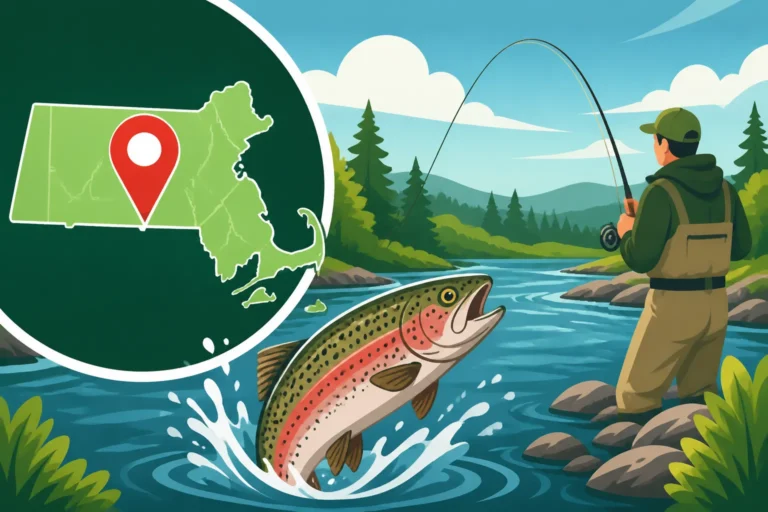
Perhaps the most famous stretch of the Deerfield River for trout enthusiasts is the designated "Fly Fishing Only, Catch and Release Only" section. This special regulation zone begins immediately below the Fife Brook Dam and extends approximately 3.3 miles downstream to the confluence with the East Branch Deerfield River. This is the heart of the Deerfield's reputation as a premier trout fishery.
What makes this area so special? For starters, the consistent release of cold, oxygenated water from the bottom of Fife Brook Dam maintains ideal trout temperatures year-round, even during the dog days of summer. This section is heavily stocked by MassWildlife with both rainbow and brown trout, many of them large broodstock fish, and also holds a healthy population of wild, naturally reproducing brook trout and brown trout that thrive in the rich ecosystem. It’s a true testament to conservation efforts and careful management.
Fishing here is an art form. You'll primarily see fly anglers gracefully casting various patterns. Nymphing is incredibly effective, especially when the fish are feeding on subsurface insects. Think heavy stonefly patterns, Caddis larvae, and various Mayfly nymphs like Pheasant Tails and Hare's Ears. Streamers, such as Woolly Buggers or Clouser Minnows, can also entice larger, more aggressive trout, especially during higher flows or overcast days. While it's called "Fly Fishing Only," it's more about the presentation and the joy of the pursuit in this pristine environment. Many anglers travel from afar for the opportunity to fish this productive water. If you're looking to truly immerse yourself in the world of fly fishing, this is a prime destination for Fly Fishing for Trout in Massachusetts Rivers.
Stocked Sections for General Angling
Beyond the special regulation zone, the Deerfield River continues its journey, transforming into a more accessible fishery for a wider range of angling preferences. As you move downstream from the East Branch confluence, particularly towards areas like Charlemont, Shelburne Falls, and further south towards Conway and Deerfield, the regulations shift to general angling rules. This means both fly fishing and spin fishing are permitted, and you can keep a certain number of fish within the Massachusetts Recreational Fishing Rules and Bag Limits.
These downstream sections benefit from frequent and substantial trout stockings by MassWildlife throughout the spring and fall. Here, you'll find a healthy mix of rainbow, brown, and brook trout, often in eager-to-bite sizes that make for exciting action. The river in these areas tends to be wider in places, with a mix of riffles, runs, and deeper pools, providing diverse habitat for trout.
For spin anglers, this is where your gear shines. Small spinners like Mepps Aglias or Rooster Tails in silver, gold, or black can be incredibly effective, especially when cast upstream and reeled in just fast enough to get the blade spinning. Small spoons, such as Kastmasters or Little Cleos, are also great for covering water and mimicking baitfish. And of course, traditional bait fishing with worms, PowerBait, or corn can yield excellent results, particularly for recently stocked fish. These stretches are often more family-friendly, offering easier access and a greater chance of a bend in the rod for beginner anglers or those looking for a relaxing day out.
Key Access Points and Productive Stretches on the Deerfield River
Knowing the regulations is one thing, but knowing where to wet a line is another. The Deerfield River offers numerous access points, from dedicated parking areas to subtle pull-offs along scenic roads. Let's break down some of the most productive and popular spots.
The Fife Brook Dam Area
The stretch directly below the Fife Brook Dam, along River Road (Route 2), is arguably the most renowned. This area is known for its incredibly cold water, robust flows, and diverse structure. As soon as the water churns out of the dam, it forms deep, turbulent pools and swift, oxygen-rich runs. This intense environment is exactly what large trout crave.
Anglers often refer to specific spots here, though local names can vary. The immediate outflow below the dam offers excellent nymphing opportunities, as trout stack up to feed on dislodged insects. Further downstream, the river develops more defined riffles, runs, and eddies. One particularly famous spot is often called the "Y Pool" or "Confluence Pool," where the East Branch Deerfield River meets the main stem. This area provides a natural holding spot for trout, especially as they move between the two water bodies.
Access is relatively straightforward along River Road, with several designated parking areas and pull-offs. However, wading in this section requires extreme caution due to the strong currents and slippery rocks. Always wear appropriate wading boots with good grip and consider a wading staff for stability. Water levels can fluctuate due to dam releases, so it's always wise to check flow rates before heading out. The fishing here can be truly exceptional, offering opportunities to catch truly impressive Brown Trout Fishing in Massachusetts.
Zoar Gap to Charlemont: Whitewater and Wild Trout
Moving downstream, the river passes through the Zoar Gap, an area famous for whitewater rafting. While the presence of rafters might seem like a deterrent, this section of the river, particularly as it winds through Charlemont, still offers fantastic trout fishing, especially during off-peak rafting hours or seasons. The river here can be quite dynamic, with powerful rapids interspersed with more tranquil pools and seams.
Access points around Zoar Bridge and through the town of Charlemont provide entry. The turbulent water in the gap and downstream creates excellent habitat for both wild and stocked trout. The broken water provides cover and dislodges a constant supply of food. This is a great area to try larger, more aggressive fly patterns like streamers, or for spin anglers, heavier spoons and spinners that can cut through the current. Look for eddies and slower seams adjacent to the faster water, where trout expend less energy while waiting for food to drift by.
Fishing alongside whitewater enthusiasts means you might share the river, but it also means there are well-maintained access points and often amenities nearby. Many local outfitters in Charlemont cater to both paddlers and anglers, and they can be a great source of current conditions and local tips. This stretch truly highlights the rugged beauty of the Deerfield.
Shelburne Falls and Downstream: Family-Friendly Angling
As the Deerfield River continues its journey, it broadens and often slows down slightly as it approaches and passes through the picturesque village of Shelburne Falls. This section, and those further downstream towards Conway and the town of Deerfield, are excellent for those looking for more relaxed angling or family outings, especially since they are regularly included in the Massachusetts Trout Stocking Schedule.
In Shelburne Falls itself, you can find access near the famous Bridge of Flowers or at various points along the riverbanks within the town. The river here offers a mix of easily accessible banks and deeper pools. Downstream, public access points become available near bridges and along state forest lands.
These sections are perfect for spin fishing with bait or lures, as well as fly fishing with streamers or indicator nymphing setups. The consistent stocking means a good chance of action, and the less intense currents make for safer wading in many spots. It's an ideal place to introduce kids to fishing or for a leisurely day trying to catch some plump Rainbow Trout Stocking in Massachusetts. Always consult the current Massachusetts Fishing License Guide to ensure you're compliant with all regulations before heading out.
| Deerfield River Section | Primary Fish Species | Recommended Techniques | Notable Characteristics | Access & Notes |
|---|---|---|---|---|
| Fife Brook Dam (C&R) | Rainbow, Brown, Brook | Fly Fishing (Nymphs, Streamers, Dries) | Cold, swift, highly productive. Catch & Release Only. | Along River Road (Route 2), dedicated parking. |
| Zoar Gap / Charlemont | Rainbow, Brown, Brook | Fly (Streamers, Nymphs), Spin (Spoons, Spinners) | Mixed whitewater and calmer pools. Shared with rafters. | Zoar Bridge, town of Charlemont access points. |
| Shelburne Falls & D/S | Rainbow, Brown, Brook | Fly (Nymphs, Streamers), Spin (Lures, Bait) | Wider, generally slower, heavily stocked. | Public access in Shelburne Falls, various bridges. |
Essential Gear and Tactics for Deerfield River Trout
Successfully fishing the Deerfield River, regardless of the section, requires the right gear and an understanding of trout behavior. The diverse nature of the river means adapting your approach can significantly improve your results.
Fly Fishing Essentials
For the dedicated fly angler, particularly in the Catch-and-Release Only section, your setup is crucial.
- Rod and Reel: A 5 or 6-weight fly rod, typically 9 to 10 feet long, is versatile enough for the Deerfield's varied conditions. The extra length helps with nymphing rigs and managing line on the often-wide river. Pair it with a reliable reel that has a smooth drag.
- Lines and Leaders: A weight-forward floating line is standard. For nymphing, you'll want to use long leaders (9-12 feet) tapered to a fine tippet (4x to 6x), often with an indicator. If you're throwing streamers, a sink-tip line or heavier leader can help get your fly down quickly.
- Flies:
- Nymphs: These are often the most productive. Carry a variety of stonefly patterns (e.g., Kaufmann's Stone, Prince Nymph), Caddis larvae imitations (e.g., LaFontaine's Caddis, Hare's Ear), and Mayfly nymphs (e.g., Pheasant Tail, Copper John). Don't forget smaller midge patterns for picky fish.
- Streamers: Woolly Buggers (black, olive, brown), Clouser Minnows, and other baitfish imitations are excellent for aggressive trout, especially larger browns. Vary sizes and colors.
- Dry Flies: While not always the primary method, matching the hatch can lead to explosive surface takes. Carry common Mayfly patterns (Parachute Adams, Hendrickson, Blue-winged Olive) and Caddis patterns (Elk Hair Caddis, X-Caddis) in various sizes.
- Wading Gear: High-quality waders and studded wading boots are non-negotiable for safety and comfort, especially in the swift, rocky upper sections. A wading staff provides vital stability.
Spin Fishing Setup
For those who prefer spin fishing, especially in the stocked sections, a lighter touch is often best.
- Rod and Reel: A light to medium-light action spinning rod, typically 6 to 7 feet long, paired with a small spinning reel (size 1000-2500) spooled with 4-8 pound test monofilament or fluorocarbon line. The lighter line improves casting distance and lure presentation.
- Lures:
- Spinners: Classic in-line spinners like Mepps, Rooster Tail, and Panther Martin are deadly. Carry a range of sizes and colors (silver, gold, copper blades; black, white, yellow, chartreuse dressings).
- Spoons: Small casting spoons like Kastmaster, Little Cleo, or Acme Phoebe can imitate baitfish and cast well.
- Small Crankbaits: Floating or suspending crankbaits that dive to a few feet can be very effective, especially those imitating small minnows or crayfish.
- Bait: For a more relaxed approach, live worms, mealworms, PowerBait (trout nuggets or dough), or even corn can be irresistible to stocked trout. Use small hooks (size 8-12) with a light sinker to allow the bait to drift naturally.
Reading the Water and Seasonal Considerations
Understanding where trout hold and how their behavior changes with the seasons is key to consistent success on the Deerfield.
- Reading the Water: Trout love structure. Look for:
- Seams: Where fast water meets slow water; trout often sit in the slower water, waiting for food to drift by in the faster current.
- Eddies: Swirling pockets of slower water behind large rocks or obstructions.
- Undercut Banks: Prime lies where trout can hide from predators and current, while also ambushing prey.
- Riffles and Runs: Shallow, oxygenated water where insects are dislodged.
- Deep Pools: Especially important during bright, warm days, providing cover and cooler water.
- Seasonal Changes: The Deerfield fishes well year-round, but tactics shift.
- Spring: High water, fresh stockings. Trout are often aggressive. Larger nymphs and streamers, or bait work well. Check the Massachusetts Freshwater Fishing Season Calendar for opening dates.
- Summer: Lower, warmer flows (though the C&R section stays cold!). Early mornings and late evenings are best. Focus on deep pools, shady spots, and terrestrial patterns (hoppers, ants, beetles) or small nymphs.
- Fall: Cooler temperatures, fall stocking. Trout become very active, feeding heavily before winter. Excellent dry fly fishing during hatches, strong streamer and nymph fishing. This is often considered the Best Time of Year to Fish in Massachusetts for trout.
Beyond the Catch: Deerfield River Etiquette and Conservation
Fishing the Deerfield River is more than just catching fish; it's about respecting the environment, the regulations, and fellow anglers. This incredible natural resource needs our collective care to thrive for generations to come.
Practicing Responsible Angling
The Deerfield River, especially its special regulation sections, embodies the spirit of conservation.
- Leave No Trace: Always pack out everything you pack in, and perhaps even a little more. This means no discarded fishing line, bait containers, or food wrappers. Keep the riverbanks pristine.
- Catch and Release: In the Fly Fishing Only, Catch and Release Only section, this is a strict rule. Even in other sections, practicing ethical catch and release for larger or wilder trout helps maintain healthy populations. Handle fish gently, keep them in the water as much as possible, and use barbless hooks to minimize harm.
- Respecting Property: While there are numerous public access points, much of the land bordering the river is private. Be mindful of property lines, avoid trespassing, and park only in designated areas.
Local Resources and Guides
Even the most seasoned angler can benefit from local knowledge.
- Local Fly Shops: Places like the Deerfield Fly Shop are invaluable resources. They can provide up-to-the-minute information on water conditions, recent hatches, effective fly patterns, and stocking reports. Supporting these local businesses helps sustain the angling community.
- Fishing Guides: If you're new to the Deerfield or want to significantly improve your skills, consider hiring a local guide. A good guide can teach you how to read the complex currents, identify prime holding spots, and refine your techniques. Platforms like FishingBooker can help you find experienced guides who specialize in Deerfield River trout fishing, offering tailored trips that maximize your chances of success and provide an educational experience.
- MassWildlife Regulations: Always have a current copy of the MassWildlife freshwater fishing regulations handy. These detail bag limits, size restrictions, and specific rules for different sections of the river. You can find information on topics like Do You Need a Separate License to Fish for Trout in Massachusetts? and other vital details.
The Deerfield River truly is a gem in the Massachusetts fishing landscape. By understanding its unique characteristics, preparing with the right gear, and practicing responsible angling, you'll be well on your way to experiencing the magic of trout fishing in this remarkable waterway.
Disclaimer
Please note that fishing regulations, conditions, and fish populations can change. Always consult the most current Massachusetts Division of Fisheries and Wildlife (MassWildlife) regulations before you head out. This guide is for informational purposes only and should not replace official sources. Always prioritize safety, especially when wading in moving water, and be aware of weather and water conditions.