Where to fish for striped bass on the South Shore
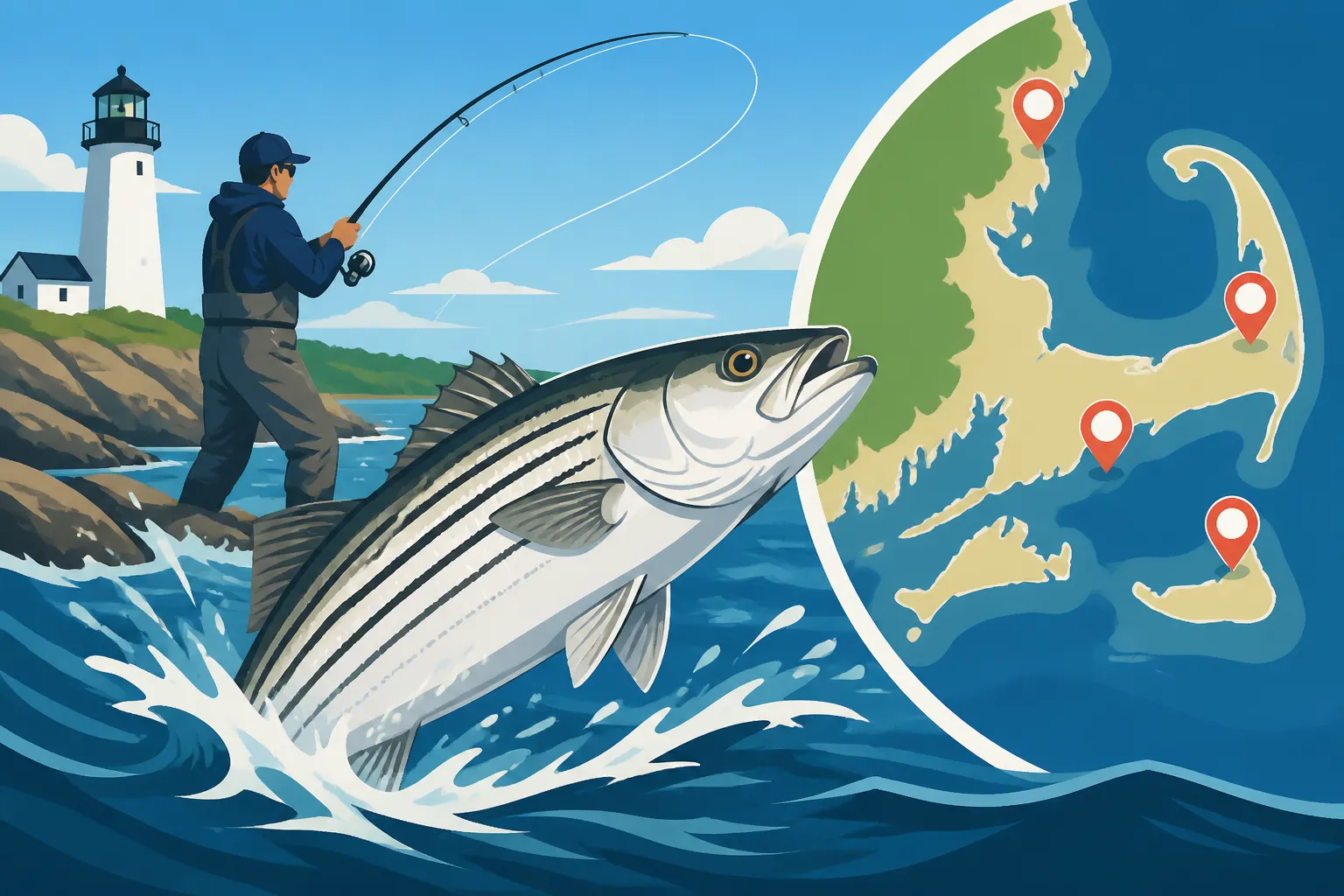
Fishing for striped bass on Massachusetts' South Shore is an experience many anglers dream about. The challenge, though, isn't just about reeling in one of these magnificent fish, but first, it's about knowing where to cast your line amidst the vast coastline. This guide aims to cut through the guesswork, helping you pinpoint the most productive spots on the South Shore, whether you're fishing from the beach, a jetty, or a small boat.
Understanding Striped Bass Habits on the South Shore
Before we dive into specific locations, it's incredibly helpful to understand why striped bass show up where they do on the South Shore. These fish are creatures of habit, largely driven by water temperature, bait availability, and structural features that offer ambush points or shelter. If you can grasp their patterns, you'll have a much better chance of success.
Stripers typically begin to arrive in Massachusetts waters, including the South Shore, in late April and May, as the water temperatures rise into the mid-50s Fahrenheit. These are often smaller "schoolie" stripers, migrating north from their overwintering grounds. As spring transitions into summer, larger migratory fish move in, following baitfish like mackerel, pogies (menhaden), herring, and sand eels. These bigger bass will hold in areas where food is abundant and current provides an easy meal. The fall run, from September through November, sees bass migrating south, often feeding aggressively before their long journey. This is a prime time for trophy fish on the South Shore.
Estuaries, river mouths, and bays are incredibly important on the South Shore. These areas provide warmer water early in the season, shelter from strong ocean currents, and a rich buffet of smaller baitfish and crustaceans. Striped bass will often stage in these areas, especially during changing tides, waiting for prey to be swept out or concentrated. The structure of the coastline itself—rocky points, jetties, sandy beaches with subtle cuts and holes—all play a role. Bass will use these features to ambush bait, hide from predators, or simply rest in calmer water. Understanding these basic principles will make you a more effective angler, no matter which spot you choose.
Prime Shore Fishing Hotspots for Stripers on the South Shore
For many anglers, chasing striped bass means keeping your feet firmly on solid ground. The South Shore boasts numerous fantastic spots where you can cast from shore, offering diverse environments from sandy beaches to rocky jetties. Accessibility and local knowledge are key here, and a little recon can go a long way.
Duxbury Beach and Powder Point Bridge
Duxbury Beach is a long, sandy barrier beach stretching for miles, connecting to Marshfield's Gurnet Point. Its sheer length means there's always a new stretch to explore. For striped bass, the surf can be incredibly productive, especially where rips and cuts form, concentrating baitfish. Many anglers target the surf zone at dawn or dusk, or during a high incoming tide. You'll need a town permit to drive on the beach in many sections, but there are walk-on access points.
The iconic Powder Point Bridge, connecting Duxbury mainland to Duxbury Beach, is a renowned spot. Fishing from the bridge itself is no longer permitted due to structural concerns, but the waters around it are still highly productive. Anglers often target the channels and flats surrounding the bridge by wading (at low tide) or from kayaks (more on that later). The strong currents here funnel bait, making it a natural ambush point for hungry stripers. Look for schools of bait, diving birds, or surface commotion, especially during outgoing tides when bait is pushed out of the bay.
Green Harbor, Marshfield
Green Harbor in Marshfield offers excellent shore fishing opportunities, particularly around its jetties and the harbor entrance. The long stone jetties that protect the harbor are classic striper haunts. Anglers can walk out on these structures and cast into the deeper water, targeting the edges of the channel or the turbulent water where the jetties meet the open ocean. These areas are magnets for baitfish, which are then preyed upon by striped bass. Live bait, like mackerel or eels, fished on a weighted rig can be very effective, especially at night.
Inside the harbor, especially near the outflow of the Green Harbor River, you can find active fish, particularly during the spring and fall runs. Small boat launches here provide easy access for kayakers and boaters looking to explore the inner harbor and the river. Whether you’re casting from the jetty or exploring the calmer inner waters, Green Harbor offers a diverse striper experience.
Scituate Harbor and North River
Scituate Harbor is a bustling fishing port that also provides excellent striper opportunities. The jetties at the harbor entrance are popular spots, similar to Green Harbor, offering access to deeper water and strong currents. Anglers here often use a variety of techniques, from casting plugs and soft plastics to live-lining baitfish.
The real gem in this area, however, is the North River. This expansive estuary, separating Scituate from Marshfield, is a nursery ground and a feeding haven for striped bass. While much of it is best accessed by boat, there are shore access points, particularly around the public landings and bridge crossings. The North River's tidal flow, rich marsh grass banks, and abundant bait make it a consistent producer. Fishing the mouths of smaller creeks that feed into the river, or around the numerous bends and oyster beds, can yield impressive results. Remember that during the spring, the river experiences strong herring runs, which are a major attractant for larger striped bass. To effectively target these areas, you'll want to understand the tidal movements, as the fish will adjust their feeding patterns accordingly.
Plymouth's Historic Coastline
Plymouth, with its iconic Rock and sprawling coastline, offers a fantastic array of striper fishing spots. Long Beach, a vast barrier beach, provides miles of surfcasting opportunities similar to Duxbury Beach. The shifting sands and deeper troughs can hold schools of bass, especially during migration periods. Access points along the beach allow for walk-on fishing, and some sections permit oversand vehicle access with a town permit.
Around Plymouth Harbor itself, anglers can find success fishing from public piers, rockpiles, and the historic waterfront. The breakwater near the entrance to the harbor is a popular spot, offering deep water and strong currents. Farther south, areas like White Horse Beach and Manomet Point offer rocky shoreline and ledges that can hold bigger fish. These rocky areas require careful navigation but provide excellent structure for bass to ambush bait. Fly fishermen often find success here in calmer conditions, targeting fish around the rocky outcrops. You might want to brush up on Massachusetts Recreational Fishing Rules and Bag Limits before heading out.
Kayaking and Small Boat Strategies for South Shore Stripers
For those with a kayak, canoe, or small skiff, the South Shore truly opens up. These smaller vessels allow you to access untouched marsh creeks, quiet bay flats, and nearshore structure that shore-bound anglers simply can't reach. This added mobility can significantly increase your chances of finding unpressured fish.
Navigating Estuaries and Rivers
The South Shore's numerous estuaries and tidal rivers are ideal for kayak and small boat fishing. Beyond the North River, mentioned above, the smaller South River (also in Marshfield) and the expansive Duxbury Bay system offer prime striped bass habitat. These waters are often shallower, warmer, and teeming with baitfish like spearing, silversides, and crabs. Kayak anglers can silently paddle into these backwaters, casting topwater lures or soft plastics into shallow flats and along marsh edges. This can be exhilarating, as strikes in shallow water are often explosive.
The key to success in these areas is understanding the tides. Fish will move in and out with the water, often congregating in deeper channels or around oyster beds during low tide, and spreading out onto the flats as the tide rises. Learning to read the water, identify current seams, and spot subtle signs of baitfish activity will significantly improve your catch rates. You can find many public boat launches along these river systems, making access relatively easy for smaller craft. If you're looking to explore different areas or book a guided trip, platforms like FishingBooker can offer a range of options for navigating these beautiful waterways.
Exploring Nearshore Structure and Islands
Beyond the rivers, kayaks and small boats can also access nearshore reefs, rockpiles, and small islands just off the South Shore coastline. Spots like the rocky ledges off Cohasset, the myriad small islands in Duxbury Bay, or the various nearshore humps and bumps between harbors can hold impressive numbers of striped bass. These structures create current breaks and ambush points in slightly deeper water.
Trolling tubes and worms, jigging soft plastics, or casting live mackerel (if you can catch them) around these submerged features can be incredibly effective. Always be mindful of weather conditions, especially wind and swell, as conditions can change rapidly when fishing the open ocean from a small craft. Safety should always be your top priority. Exploring the coastline this way offers a unique perspective and often leads to less crowded fishing grounds.
Gear, Baits, and Timing for South Shore Striped Bass Success
No matter where you choose to fish on the South Shore, having the right gear, the best baits, and understanding the perfect timing can make all the difference between a frustrating day and a memorable catch. Stripers are powerful fish, so being prepared is crucial.
Essential Rods, Reels, and Line
For shore fishing, a medium-heavy to heavy spinning rod, typically 9 to 11 feet long, is ideal. This length allows for long casts over the surf and provides the backbone needed to fight a strong fish in current. Pair it with a durable, corrosion-resistant spinning reel in the 5000-8000 series size, spooled with 30-50 lb braided line. Braid offers superior casting distance and sensitivity, but always tie a 30-50 lb fluorocarbon or monofilament leader of 3-5 feet to the end. This leader provides abrasion resistance against rocks and sharp-toothed fish like bluefish, which often share the same waters as stripers.
For kayak or small boat fishing, you can scale down slightly to 7-8 foot medium-heavy rods and 4000-6000 series reels. The shorter rod is easier to handle in tighter spaces and still provides ample power. Again, braided line with a fluorocarbon leader is the standard setup. Remember, a good drag system is your best friend when battling a big striper. If you're unsure about specific setups, local bait and tackle shops along the South Shore, like Belsan Bait & Tackle in Scituate or Green Harbor Bait & Tackle in Marshfield, are invaluable resources for advice. They can also tell you what's been biting and on what.
Top Baits and Lures for South Shore Stripers
Striped bass are opportunistic feeders, so a variety of baits and lures can work. For live bait, nothing beats fresh mackerel, eels, or pogies. Mackerel are especially effective in spring and early summer. Eels are a classic choice for larger bass, particularly at night. Pogies, or menhaden, are a favored meal for big stripers, especially when found in large schools.
When it comes to artificial lures, a diverse tackle box is essential:
- Plugs: Topwater plugs like pencil poppers and walk-the-dog lures are incredibly exciting to use, especially during low light conditions or when bass are feeding on the surface. Darters and bottle plugs work well for subsurface action. Need more ideas? Check out the Best Lures for Striped Bass in Massachusetts!
- Soft Plastics: Paddle tail shads (e.g., Al Gag's Whip-It Fish, Hogy Pro Tail Paddles) and soft plastic stickbaits rigged on jig heads are highly versatile and imitate a variety of baitfish. They can be retrieved in various ways, from steady retrieves to jigging.
- Bucktail Jigs: These classic lures are effective for bouncing along the bottom, especially in areas with current or structure. Tipping them with a strip of pork rind or a soft plastic can enhance their appeal.
- Metal Lures: Kastmasters or similar spoons can cast a mile and are great for reaching distant schools of baitfish or cutting through windy conditions.
Always match your lure size and color to the prevalent baitfish in the area. A simple web search or a quick chat with staff at a local tackle shop can tell you what bait is currently running. If you're a newcomer to the area, it's worth checking out the Massachusetts Fishing License Guide to ensure you're compliant with all regulations.
The Importance of Tides and Timing
Perhaps the most critical factor for consistent striper success on the South Shore is understanding tides. Striped bass are highly influenced by tidal movement. Generally, the last two hours of the incoming tide and the first two hours of the outgoing tide are considered prime feeding times. This is when currents are strongest, baitfish are disoriented, and bass can ambush them most effectively.
However, specific spots may fish better on different tides. River mouths and estuaries often shine on an outgoing tide, as bait is flushed out. Open beaches can be productive on incoming tides, as water pushes over sandbars and into deeper cuts. Night fishing, particularly around a new or full moon, can also be incredibly productive for larger stripers, as they become more confident hunters under the cover of darkness.
Always consult a local tide chart for your specific fishing location. Planning your trip around the tides will dramatically increase your chances of finding active fish. For those considering a guided trip, many captains listed on platforms like FishingBooker specialize in fishing specific tides and times of day, leveraging their deep local knowledge.
Table of South Shore Striped Bass Hotspots
To help you visualize and plan your South Shore striper adventure, here's a quick overview of some of the top spots discussed:
| Fishing Spot | Primary Access Method(s) | Best Conditions/Tides | Key Features to Target | Notes |
|---|---|---|---|---|
| Duxbury Beach (Surf) | Shore (walk-on, permit for OSV) | Incoming/High Tide, Dawn/Dusk | Rips, Cuts, Drop-offs | Long casts, moving with the fish. |
| Powder Point Bridge Area | Shore (wading), Kayak | Outgoing Tide, Night | Channels, Flats, Current Seams | Strong currents. |
| Green Harbor Jetties | Shore (walk-on) | Incoming/Outgoing Tide | Jetty edges, Channel | Good for live bait and plugs. |
| Scituate Harbor Jetties | Shore (walk-on) | Incoming/Outgoing Tide | Jetty edges, Channel | Can be crowded, good access. |
| North River Estuary | Kayak, Small Boat, Limited Shore | All Tides (read current) | Marsh banks, Creek mouths | Excellent for light tackle, fly fishing. |
| Plymouth Long Beach | Shore (walk-on, permit for OSV) | Incoming/High Tide, Dawn/Dusk | Surf, Sandbars, Deeper Troughs | Similar to Duxbury Beach, good for covering ground. |
| Plymouth Breakwater | Shore (walk-on) | Incoming/Outgoing Tide | Deep Water, Rocks, Current | Can hold larger fish. |
| Cohasset Rocky Shoreline | Shore (walk-on), Kayak | Varying by spot | Ledges, Rockpiles, Pockets | Technical fishing, often less crowded. |
This table provides a snapshot, but remember that local conditions, bait presence, and even recent weather can impact fishing success. Always adapt your approach based on what you observe and what the local intel suggests. You can also explore options for Cape Cod Canal Fishing Guide for Massachusetts Anglers if you want to broaden your horizons, as many striper patterns are similar across different regions.
Disclaimer
The information provided in this guide is for general informational purposes only. Fishing regulations, seasons, and access rules can change frequently. Always consult the latest official Massachusetts Division of Fisheries and Wildlife (MassWildlife) regulations before heading out to fish. Adherence to all local, state, and federal laws is the sole responsibility of the angler. Fishing carries inherent risks; always prioritize safety, especially when fishing near water or from a boat.