How to Catch Fluke in Massachusetts
There's nothing quite like the thrill of a good tug on your line, especially when you're targeting the elusive and delicious fluke in Massachusetts. Many anglers, myself included, have spent countless hours scratching their heads, wondering why these flatfish seem to vanish some days or how to coax them out of their sandy hiding spots. This guide is all about demystifying fluke fishing, offering you the practical tips, gear advice, and local insights you need to confidently reel in these prized bottom dwellers, making your next trip on the Massachusetts coast a true success.
Understanding Massachusetts Fluke
Before we even cast a line, it's really helpful to get acquainted with our target species. Knowing a little bit about what makes fluke tick, where they prefer to hang out, and what the rules are for keeping them can make all the difference between a frustrating day and a fantastic one. It's like knowing your neighbor before you invite them over for a BBQ – a little background goes a long way!
What Exactly is Fluke?
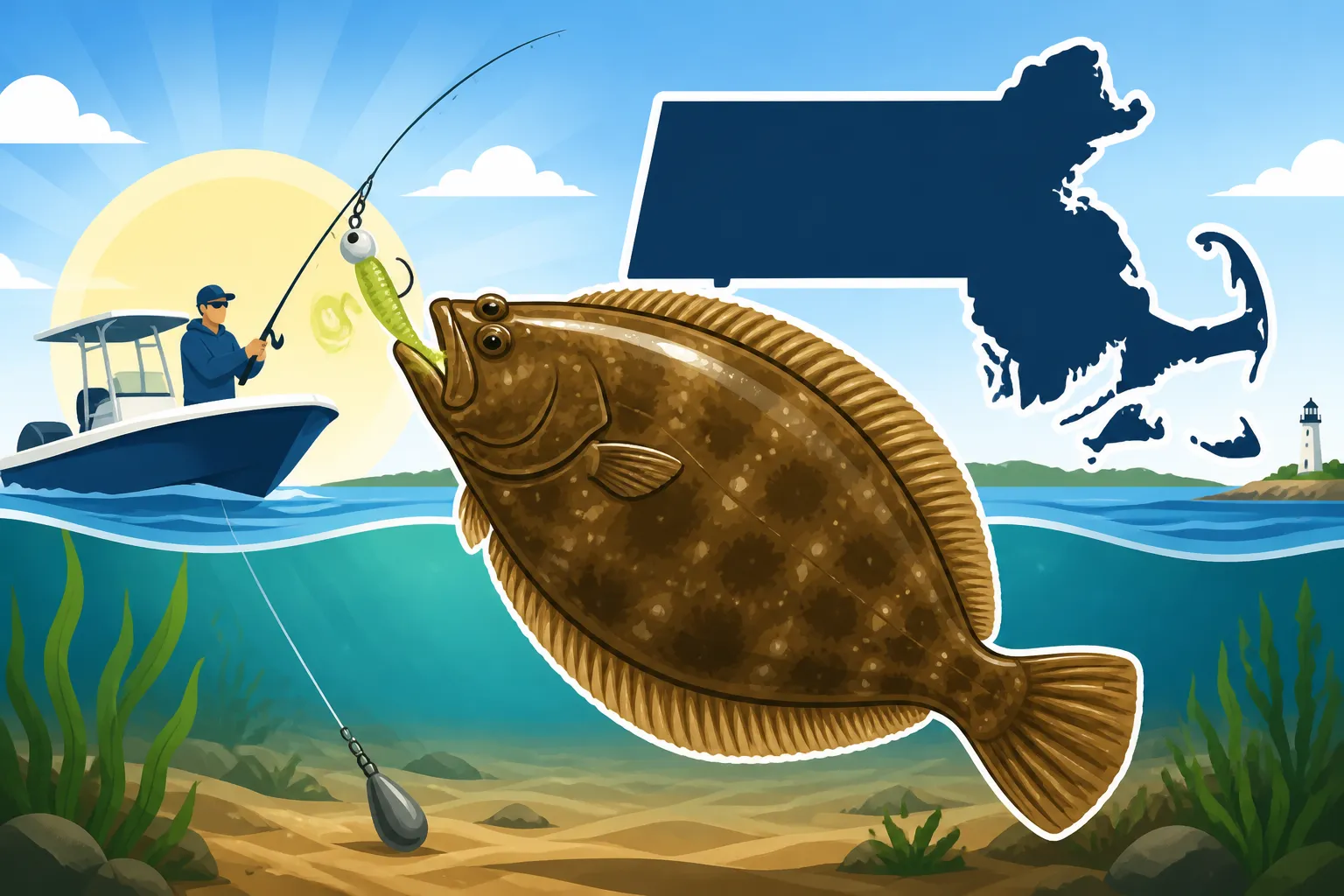
In Massachusetts, when we talk about "fluke," we're specifically referring to the Summer Flounder, Paralichthys dentatus. Now, don't let the "flounder" part confuse you; while they are indeed a type of flatfish, they're distinct from other flounders like winter flounder. One of the easiest ways to tell a fluke from other flatfish is that they are left-eyed when lying on their side. If you hold one up with its belly toward you, both eyes will be on the left side of its head. This little trick is super handy when you're trying to quickly identify your catch on the boat.
Fluke are incredible ambush predators. They're masters of camouflage, capable of changing their skin patterns and colors to perfectly match the sandy or muddy bottom where they lie in wait. They'll often bury themselves, with just their eyes protruding, waiting for an unsuspecting baitfish or crustacean to swim by. This predatory nature is key to how we approach catching them, as it informs our bait choices and retrieval techniques. They're also known for their aggressive strikes, especially when they're actively feeding.
Fluke Behavior and Habitat in Massachusetts
Fluke aren't just lounging anywhere; they have very specific preferences when it comes to their underwater real estate. In Massachusetts, you'll find them predominantly in sandy or muddy bottoms, often near structures, drop-offs, channels, or the edges of mussel beds. These areas provide both cover for ambush and easy access to baitfish that are carried by currents. Think about it: if you were a flat, camouflaged fish, where would you hide to best surprise your dinner? Exactly!
During the warmer months, fluke migrate from their offshore wintering grounds into our shallower coastal waters, bays, and estuaries. They love areas with good current flow, as these currents act like a conveyor belt, bringing food right to them. Buzzards Bay, Nantucket Sound, and the shallow sandy flats around the Cape Cod Islands are prime examples of their preferred haunts. You'll often find bigger fluke, sometimes called "doormats" by anglers, holding tight to deeper structure or channel edges, while smaller "keepers" might be more spread out over the flats. Understanding these movements and preferences is crucial for effective targeting.
Massachusetts Fluke Size Limits Explained
One of the most important things to know when fishing for fluke in Massachusetts isn't just how to catch them, but what you're allowed to keep. Regulations are put in place for a good reason – to ensure healthy fish populations for future generations of anglers. It’s super frustrating to catch a beautiful fish only to realize it’s too small, or worse, to get a fine because you weren’t aware of the rules. The Massachusetts Division of Marine Fisheries (DMF) regularly updates these rules, so it's always smart to check the latest regulations before you head out.
Generally, there's a minimum size limit, meaning any fluke you catch below that length must be immediately released. There's also usually a daily bag limit, which dictates how many fish you can keep per angler per day. These limits can sometimes vary slightly depending on whether you're fishing recreationally from shore or from a private boat, or if you're on a for-hire vessel like a charter. For example, in recent years, the recreational minimum size for summer flounder (fluke) has been 17 inches. Always double-check this before your trip, as these numbers can change. You can find detailed information on the official Mass.gov website or grab a copy of the annual Massachusetts Recreational Fishing Regulations pamphlet. Understanding these rules is not just about avoiding penalties; it's about being a responsible steward of our marine resources, ensuring that Massachusetts Fluke Size Limits Explained continue to support exciting fishing for years to come.
Essential Gear for Fluke Fishing in Massachusetts
Alright, let's talk tackle! Having the right equipment for fluke fishing isn't about being fancy or spending a fortune, it's about being effective. Fluke might be flat, but they can put up a surprisingly good fight, and having gear that can handle the job, detect their often-subtle bites, and get them to the boat or shore efficiently is key. Don't worry, we'll break it down so you know exactly what to look for without feeling overwhelmed.
Rod, Reel, and Line Selection
Choosing the right rod and reel combination for fluke fishing is critical for both detecting those subtle bites and having enough power to bring in a "doormat." You want a setup that's sensitive enough to feel a fluke peck at your bait, but stout enough to handle a larger fish in current or around structure.
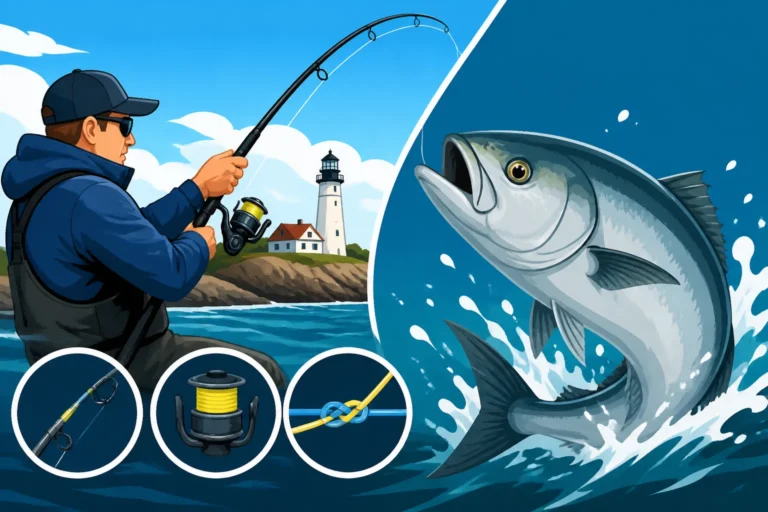
For rods, a medium-light to medium power spinning or conventional rod, typically in the 6.5 to 7.5-foot range, is ideal. Look for a rod with a fast action tip. This means the top third of the rod bends easily, which provides that crucial sensitivity for bite detection, while the backbone of the rod remains stiff enough for a solid hookset and fighting power. Brands like St. Croix or Ugly Stik offer great options that strike a good balance between sensitivity and durability, and you can often find competitive prices on platforms like Amazon. As for reels, a 2500-4000 series spinning reel or a small conventional reel (like a 15-20 size) that can hold at least 150-200 yards of line is perfect. Make sure the reel has a smooth drag system, as fluke can make powerful runs, especially when hooked in current.
When it comes to line, braided line is a game-changer for fluke. Its low stretch means incredible sensitivity, allowing you to feel every bump, twitch, and subtle bite on the bottom. I recommend 15 to 20-pound test braided line. While braid is fantastic for feel, it's nearly invisible to fish and doesn't hold up well to abrasion against sharp teeth or structure. That's why you'll want to add a fluorocarbon leader. A 20 to 30-pound test fluorocarbon leader, about 3 to 6 feet long, connected to your main line with a strong knot like a FG knot or an Albright knot, provides that essential stealth and abrasion resistance right where it counts.
Terminal Tackle: Rigs, Hooks, and Sinkers
Now we're getting into the nitty-gritty of what actually presents your bait to the fish. Fluke rigs can range from super simple to a bit more elaborate, but the goal is always the same: keep your bait near the bottom where the fluke are, and make it look as enticing as possible.
The most popular and effective rig for fluke in Massachusetts is undoubtedly the "fluke rig" or "hi-lo rig." This typically consists of a main line with two dropper loops or snelled leaders coming off it, ending with a snap swivel for your sinker at the very bottom. On each dropper loop or leader, you'll attach a hook. Some anglers prefer a single hook rig, especially in snaggy areas, where a bare bucktail jig with a teaser is common. Hook sizes usually range from 2/0 to 4/0, depending on the size of your bait. Kahle hooks, wide gap hooks, or even specific fluke hooks are excellent choices because they are designed to hook fish cleanly in the corner of the mouth, making for easier release if the fish is undersized.
Sinkers are crucial for getting your bait down to the bottom and keeping it there, especially when drifting in current. The weight you need will vary greatly depending on the depth, current speed, and how fast you're drifting. On calmer days in shallower water, you might get away with 1/2 to 1 ounce. But in strong currents or deeper channels, it's not uncommon to need 3, 4, or even 6 ounces to maintain bottom contact. Pyramid sinkers, bank sinkers, or torpedo sinkers are all good choices. The key is to use the lightest possible sinker that allows you to feel the bottom. Too heavy, and you lose feel; too light, and your bait won't get to the fish. Always carry a variety of weights with you, because conditions can change quickly.
Best Baits and Lures for Massachusetts Fluke
Fluke are opportunistic feeders, so they'll hit a wide variety of offerings, but some baits and lures consistently outperform others in Massachusetts waters. Having a good selection of both natural and artificial options will prepare you for whatever the fish are biting on that day.
When it comes to natural bait, nothing quite beats fresh squid strips. They're readily available, tough enough to stay on the hook, and fluke absolutely love them. A long, thin strip of squid (think 4-6 inches long, about 1/2 inch wide) fluttering in the current is incredibly enticing. Other excellent natural baits include spearing (silversides), sand eels, and even pieces of mackerel or sea robin. Some anglers swear by using a "fluke sandwich"—a piece of squid combined with a live spearing or a shiner—for an irresistible presentation. The combination of scent, flash, and natural movement is hard for a hungry fluke to resist.
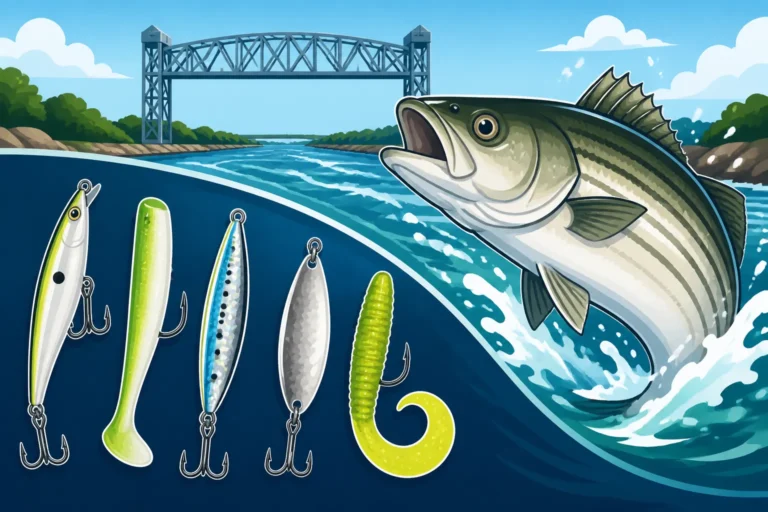
For artificials, bucktail jigs are king. A white, chartreuse, or pink bucktail jig, tipped with a squid strip or a soft plastic trailer (like a Gulp! Swimming Mullet or a Fishbites strip), is an incredibly effective presentation. The jig provides the weight to get down, and the bucktail or plastic provides the action and visual appeal. You can work these by lightly bouncing them along the bottom, mimicking a fleeing baitfish or a crustacean. Another popular and highly effective artificial is a teaser rig, which is essentially a small bucktail or soft plastic lure tied a foot or two above your main sinker or jig. This creates two distinct presentations, doubling your chances. Experiment with colors and sizes; sometimes a subtle difference can make all the difference in getting a bite!
Proven Techniques for Catching Fluke
Fluke fishing isn't just about dropping a line and hoping for the best. It's a strategic game, especially in Massachusetts' dynamic waters. Understanding the techniques that consistently put fluke in the cooler will significantly boost your success rate. Let's dive into the two main approaches: drifting from a boat and fishing from shore.
The Art of Drifting for Fluke
Drifting is arguably the most popular and effective method for catching fluke from a boat, and for good reason. It allows you to cover a lot of ground, presenting your bait to numerous fluke that are often scattered across the bottom. The core idea is to let the boat's movement, driven by wind and current, slowly drag your bait across productive areas.
To execute a successful drift, you first need to identify potential fluke grounds. Look for changes in depth, channel edges, sand bars, or the mouths of estuaries. Marine electronics, like a good fishfinder, are invaluable here, helping you identify structure and even individual fish lying on the bottom. Once you've picked your spot, position your boat upwind or upcurrent from where you want to fish. Drop your rig to the bottom, and then pay close attention to keeping your line as vertical as possible as the boat drifts. If your line is trailing far behind the boat, you're either drifting too fast or your sinker is too light.
The trick to a good drift is constant communication with the bottom. You want your sinker to "tick-tick-tick" along the bottom, occasionally lifting and dropping it a foot or two. This action stirs up sand and mimics a fleeing baitfish, attracting attention. If you stop feeling the bottom, let out more line until you reconnect. If you're constantly snagging, either reel up a bit to lift your bait slightly, or find a less structured area. Pay attention to your boat speed; if the wind is too strong, you might need to deploy a drift sock (also called a sea anchor) to slow your drift down to a manageable pace, typically around 0.5 to 1.5 knots. This controlled presentation is key to getting a solid bite from a waiting fluke.
Shore Fishing for Fluke: Strategies from Land
While drifting from a boat might be the classic fluke approach, don't underestimate the potential of shore fishing in Massachusetts! Many anglers, myself included, started their fluke journey casting from beaches, jetties, and piers. It requires a different set of tactics, but it can be incredibly rewarding. You just need to know where to look and how to present your bait effectively.
When targeting fluke from shore, focus on areas where current brings baitfish close to the bank or where there's natural structure that fluke use for ambush. This includes sandy beaches adjacent to inlets or channels, the calmer sides of jetties and rock walls, and any pier that extends into productive water. Look for rip currents, eddies, or areas where baitfish are congregating. The mouths of estuaries are particularly good, as fluke will stage there to ambush bait moving in and out with the tides.
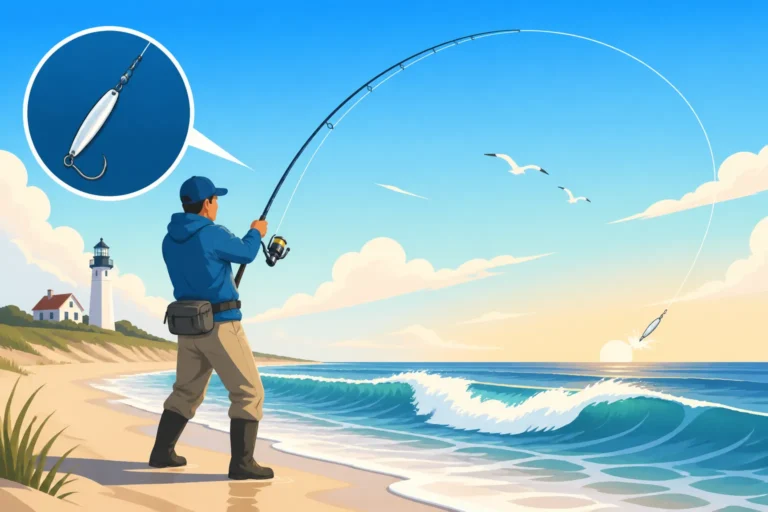
Casting techniques from shore involve weighted rigs that allow you to reach deeper water or current seams. A traditional hi-lo rig with a pyramid or bank sinker, combined with a strip of squid or a Gulp! bait, is a solid choice. Cast out, let your rig settle to the bottom, and then slowly reel it in, imparting a jigging or twitching motion. The goal is to mimic the drift of a boat, but you're doing it by retrieving. Another effective method is using a bucktail jig, often tipped with a soft plastic trailer. Cast it out, let it sink, and then retrieve it with a series of short hops and pauses, keeping it near the bottom. This method is excellent for covering ground and can be incredibly effective when fluke are actively feeding. Remember, even though you're on land, the principles of keeping your bait near the bottom and moving it slowly and enticingly still apply. For more ideas on where to fish from the bank, check out our guide on Best Shore Fishing Spots in Massachusetts.
Reading the Bottom and Structure
This is where the real "fishing sense" comes into play. Fluke are structure-oriented fish, and the anglers who consistently catch them are the ones who can "read" the bottom, whether through sophisticated electronics or simply by feel. If you're not paying attention to what's beneath the surface, you're essentially blind fishing.
From a boat, a good fishfinder is your best friend. It can show you changes in depth, humps, bumps, mussel beds, and even schools of baitfish. Learning to interpret these readings will help you identify potential ambush points where fluke are likely to be lurking. Look for "edges" – where a flat drops off into a channel, or where a sandy bottom meets a rocky patch. These are prime feeding zones. Mark these spots on your GPS if you find success there, as fluke often return to the same areas. Even if your fishfinder isn't high-tech, simply observing your drift and identifying areas where you get bites or snags can tell you a lot about the bottom contour.
For shore anglers or those without advanced electronics, reading the bottom becomes more about feel and observation. When your sinker hits the bottom, can you feel it dragging smoothly through sand, or is it bumping over rocks or shells? Does your line occasionally get snagged, indicating underwater structure? These tactile clues are invaluable. Also, look at the surface of the water – subtle current lines, rips, or areas where waves break differently can indicate changes in bottom depth or contour. Understanding how the Drift Fishing Techniques for Summer Flounder apply to these subsurface features will greatly enhance your success. Over time, you'll develop an intuitive sense for what a "fluke-y" bottom feels like, leading you to those doormats more consistently.
When and Where to Find Massachusetts Fluke
Timing and location are everything when it comes to fluke fishing. They're migratory fish, meaning their presence in our waters is seasonal, and even during the season, certain conditions will make them more active and catchable. Getting these elements right can turn a slow day into a memorable one.
Prime Fluke Season in Massachusetts
Fluke, or Summer Flounder, make their grand entrance into Massachusetts coastal waters as the water temperatures begin to rise in late spring, typically around May. This migration from their deeper, offshore wintering grounds signals the start of the recreational fluke fishing season. By June, they are usually well established in our bays and estuaries, and the fishing really starts to heat up.
The peak of the fluke season in Massachusetts generally runs through the warmer summer months, from June through August. During this time, water temperatures are ideal for their metabolism, and baitfish are abundant, making them actively feed. This is when you'll find them scattered over sandy flats, along channel edges, and around various structures. As fall approaches, usually in September and early October, you'll still find good fishing, but fluke will start their move towards deeper water as they prepare for their offshore migration for the winter. The season's end is usually marked by cooling water temperatures and the official closing of the recreational season, which typically occurs in late September or early October, though specific dates can shift year to year as part of Massachusetts Saltwater Fishing Seasons. Always check the current year's regulations to confirm the open dates.
Best Tide and Weather Conditions
Just being in season isn't enough; fluke are highly sensitive to tidal movements and weather patterns. Savvy anglers know that paying attention to these details can put them on the fish when others are struggling.
For fluke, moving water is almost always better than slack tide. Tidal currents act like a food delivery service, bringing baitfish past their ambush points. A strong incoming or outgoing tide is usually preferred, as this is when fluke are most actively feeding. Many experienced fluke fishermen swear by the "last two hours of the incoming and the first two hours of the outgoing" as prime time, especially in areas with significant tidal flow like Buzzards Bay or Nantucket Sound. This is when the baitfish are most active and disoriented by the changing currents, making them easy targets for waiting fluke.
Weather-wise, fluke fishing can be good in a variety of conditions, but calm to light winds are often preferred, particularly for drifting from a boat. Too much wind can make controlling your drift difficult, causing your line to scope out too far and hindering your ability to feel the bottom. Overcast days can sometimes extend the bite, as the reduced light may keep fluke feeding longer. However, bright, sunny days can also be productive, especially if you're targeting deeper areas. Generally, avoid fishing immediately after a major cold front or storm, as these can put the fish off their feed for a day or two. When you consider the Best Time of Year to Fish in Massachusetts, factoring in these micro-conditions is critical for fluke.
Top Fluke Hotspots in Massachusetts
Massachusetts offers a plethora of excellent spots for chasing fluke, from the bustling shores of Cape Cod to the quieter coves of the South Coast. Knowing the popular hotspots gives you a great starting point for your adventures.
One of the absolute top destinations for fluke in Massachusetts is Buzzards Bay. Its relatively shallow, sandy, and muddy bottom, combined with numerous channels, humps, and coves, provides ideal habitat. Areas around the Elizabeth Islands, the Kettle Holes, and the numerous harbors like New Bedford Harbor are perennial favorites. The Bay's strong tidal flow keeps the fluke actively feeding, and it’s a great spot for both boat and shore anglers. If you're looking for more details on this gem, check out the Buzzards Bay Fishing Guide, Massachusetts.
Further east, Nantucket Sound and Martha's Vineyard also offer phenomenal fluke fishing opportunities. The vast sandy flats and rips around these islands are prime real estate for doormats. Areas like the waters off Wasque Point on Chappaquiddick, the shoals of Nantucket, and the various rips throughout the Sound are legendary among fluke fishermen. This region benefits from consistent baitfish presence and varied bottom structure. Our guide to Nantucket Sound and Martha's Vineyard Fishing Areas in Massachusetts can provide even more localized insights.
Closer to Boston, Duxbury Bay, Plymouth Bay, and the waters off the North Shore (like around Salem Sound) also hold good numbers of fluke, especially early in the season. Any area with a mix of sandy bottom, good current, and baitfish presence is worth exploring. Don't be afraid to ask local tackle shops for the latest intel; they often have the freshest information on where the fish are biting!
| Hotspot Name | Primary Bottom Type | Key Features | Best Fishing Method | Typical Fluke Size |
|---|---|---|---|---|
| Buzzards Bay | Sand, Mud, Ledge | Numerous channels, humps, islands, strong currents, abundant baitfish | Drifting, Jigging | Mixed, "Doormats" |
| Nantucket Sound | Sand, Shoals | Extensive flats, rips, proximity to open ocean, excellent baitfish | Drifting | Large |
| Martha's Vineyard | Sand, Channels | Wasque Point, various rips, deep channels, good structure | Drifting, Jigging | Large |
| Plymouth Bay | Sand, Mud | Estuary mouths, harbor channels, protected waters, early season action | Drifting, Shore | Mixed |
| Salem Sound | Sand, Rock, Mud | Varied bottom, structure, good current, often good early/late season | Drifting, Jigging | Mixed |
Mastering the Strike, Hookset, and Landing
So, you've got your gear, you're in a prime spot, and the conditions are right. Now comes the exciting part: actually catching the fish! Detecting that subtle tap, setting the hook effectively, and carefully landing your fluke are crucial steps to success. This is where patience and practice truly pay off.
Recognizing a Fluke Bite
A fluke bite isn't always a dramatic yank on your line. Sometimes it is, especially when they're aggressive, but often it's much more subtle. Learning to distinguish a fluke bite from the bottom bouncing or a nuisance fish can save you a lot of wasted effort and missed opportunities.
The classic fluke bite is often described as a "thump" or a series of "taps." Imagine your sinker bouncing along the bottom, and then suddenly, you feel something different—a heavier thud, or a few rapid, softer taps. Sometimes it might just feel like your weight got hung up on something for a second, but then it moves again. That's often a fluke "mouthing" the bait or moving it around before fully committing. When you feel this, resist the urge to immediately set the hook. Fluke have large mouths but can be surprisingly gentle at first. They often grab the tail of the bait and turn it to swallow it headfirst.
The key is to give the fluke a second or two to really get the bait in its mouth. Often, after the initial tap, you'll feel a steady, increasing pressure, or a continuation of the taps that become more pronounced. That's your signal. If you set the hook too soon, you'll often just pull the bait out of its mouth. Pay close attention to your line as well; sometimes, a fluke bite will manifest as a slight twitch or a sudden slackening of the line, even if you don't feel it through the rod.
Proper Hookset and Fighting Techniques
Once you've felt that committed bite, it's time for the hookset! A good hookset is firm but not overly aggressive, especially with fluke's often softer mouths. You want to drive the hook home without tearing it out.
With braided line, which has very little stretch, a sharp, quick lift of the rod tip (about two to three feet) is usually all it takes. You don't need a massive, sweeping theatrical hookset. Just a firm, upward motion will typically suffice. Once you feel the weight of the fish, maintain steady pressure and begin reeling. Fluke tend to stay near the bottom, often making short, powerful runs or digging into the sand. Resist the urge to horse the fish in. Instead, use the flex of your rod and the smooth drag of your reel to tire it out. If the fish makes a run, let the drag do its job, but keep reeling whenever the fish pauses or swims towards you to maintain tension.
It’s crucial to keep constant pressure on the fish throughout the fight. A slack line is an invitation for the hook to fall out. If you're drifting, try to keep the fish on the side of the boat where your line has the clearest path, away from the engine or other lines. When the fish gets close to the boat, use a net. Fluke can be surprisingly strong right at the boat, and trying to hoist a large one by the line can result in a lost fish or a broken line. Slide the net under the fish head-first, and lift it smoothly into the boat. This careful approach ensures your hard-earned catch makes it into the cooler.
Handling and Releasing Fluke Responsibly
Whether you're keeping your fluke for dinner or releasing an undersized one, responsible handling is paramount. Our goal is to minimize stress and injury to the fish, especially those we send back to fight another day.
For any fish that isn't a legal keeper according to the Massachusetts Fluke Size Limits Explained, immediate release is key. Try to handle the fish as little as possible. If the hook is easily accessible in the corner of the mouth, use a de-hooking tool or pliers to quickly remove it while the fish is still in the water or held gently just above it. Avoid touching the fish's eyes or gills. If the hook is deeply swallowed, cut the line as close to the hook as possible; the hook will often rust out or be dissolved by the fish's digestive system. Gently place the fish back in the water, allowing it to swim away on its own power. Don't just toss it back; hold it in the water, facing into the current, until it regains its strength and swims off.
For legal-sized fluke, the process is similar but with the intention of bringing it aboard. Use a net to land the fish smoothly. Once in the boat, measure it carefully to ensure it meets the current minimum size. A measuring board or a tape measure affixed to your boat's gunwale is perfect for this. If it's a keeper, dispatch it quickly and humanely. Fluke are delicious, and proper care after landing will ensure the best possible table fare. Place it on ice immediately in a cooler to preserve its freshness. Knowing Massachusetts Saltwater Recreational Fishing Permit Explained rules and practicing responsible handling ensures that fishing remains sustainable and enjoyable for all.
Troubleshooting Common Fluke Fishing Challenges
Even the most seasoned anglers face challenges when chasing fluke. Conditions change, fish get finicky, and sometimes it just feels like nothing is biting. Don't get discouraged! Learning to adapt and troubleshoot common problems is a hallmark of a truly skilled angler.
Dealing with Finicky Bites and Tough Conditions
We've all been there: you're in a prime spot, you know the fluke are around, but they just aren't committing. They're "nipping" or "taping" but not really taking the bait. Finicky bites are incredibly frustrating, but there are definitely strategies you can employ to turn the tide.
First, slow down your retrieve or drift. If you're moving too fast, the fluke might not have enough time to inspect and commit to your bait. If drifting, try deploying a drift sock to reduce your speed. If jigging from shore, take longer pauses between hops. Second, downsize your bait and tackle. If they're being shy, a smaller, more natural-looking squid strip or a smaller soft plastic might be less intimidating. Dropping your fluorocarbon leader size from 30 lb to 20 lb, for instance, can also make a difference in presentation. Sometimes, even reducing your sinker weight slightly can help, allowing the bait to drift more naturally.
Consider changing colors or bait type. If white bucktails aren't working, try chartreuse or pink. If squid isn't getting attention, try a piece of fresh spearing or a Gulp! bait, which offers a powerful scent trail. Lastly, experiment with your presentation. Instead of just dragging the bait, try more aggressive jigs, or conversely, try letting the bait sit for longer periods. Sometimes a subtle change, like adding a small spinner blade to your rig for extra flash and vibration, can be the unexpected trigger that turns a finicky bite into a full-on strike.
Avoiding Bycatch and Snags
One of the less glamorous aspects of fluke fishing is dealing with bycatch (unwanted species) and frustrating snags on the bottom. While you can't eliminate them entirely, you can certainly minimize their occurrence with smart rigging and technique.
When it comes to bycatch, species like sea robins, dogfish, and small scup are common in fluke grounds. While some anglers view them as a nuisance, sea robins and scup can actually be good eating! If you're consistently catching a specific unwanted species, consider slightly altering your bait size or presentation. For instance, smaller hooks might catch more scup, while larger, tougher baits might deter smaller nuisance fish. Sometimes, simply moving to a slightly different spot, even a hundred yards away, can get you away from concentrations of bycatch.
Snags are a different beast, and they can cost you valuable rigs and fishing time. The best defense against snags is to know the bottom you're fishing. If you're constantly snagging, you're likely fishing over very rocky or heavily structured bottom. While fluke do relate to structure, too much can be problematic. Try moving to areas with a sandier bottom, or fish just alongside the heavy structure rather than directly over it. If you're using a single bucktail jig, consider using one with a weedless hook guard or simply being more vigilant about lifting your jig over obstructions. Using a "fish finder" slider rig (where the sinker slides freely on the main line) can sometimes reduce snags compared to a traditional hi-lo rig in certain bottom types. Always carry plenty of spare terminal tackle, because even with the best strategies, snags are an inevitable part of bottom fishing.
When to Change Your Strategy
Persistence is a virtue in fishing, but stubbornness is not. Knowing when to pivot and change your strategy is a mark of a truly adaptable and successful angler. If you've been working a spot or using a specific technique for an extended period without success, it's time for a change.
Consider the time of day and tide cycle. If the bite was hot on the incoming tide but has completely shut off at slack, it might be time to move to an area with stronger current, or simply wait for the tide to turn. Similarly, if the mid-day sun has put the fish down, perhaps a move to deeper water or shaded areas is in order. Our guide to Massachusetts Fishing Seasons Explained can help you understand these larger patterns.
Evaluate your presentation. Are you feeling the bottom? Is your bait looking natural? If you're not getting any bumps or bites, try adjusting your retrieve speed, varying your jigging motion, or swapping out bait and lure combinations. Sometimes, just changing the color of your bucktail jig or the type of plastic trailer can make a huge difference. Don't be afraid to try something completely different from what you started with.
Finally, don't be afraid to move. If you've tried several different tactics in a particular area for an hour or two with no luck, it's often best to pick up and move to a completely new spot. Fluke are migratory and can be found in concentrations, so finding one productive area can lead to a string of catches. Trust your instincts, consult your charts, or ask other anglers (if you're feeling sociable!). The ability to recognize when a strategy isn't working and bravely adapt is what separates the consistently successful anglers from those who go home empty-handed.
Disclaimer
Fishing regulations, including size and bag limits, seasons, and licensing requirements, are subject to change by state and federal authorities. Always consult the latest official Massachusetts Division of Marine Fisheries (DMF) regulations before heading out on the water. This guide is for informational purposes only and does not constitute legal advice.