Trout species Massachusetts stocks each year
One of the most exciting parts of the fishing season here in Massachusetts is anticipating those fresh trout stockings. It can be a real head-scratcher sometimes, trying to figure out exactly which species MassWildlife is putting into our favorite ponds and rivers. Anglers often wonder if it's going to be those feisty rainbows, the elusive browns, or maybe even a chance at a beautiful brook trout. This guide is here to clear up that mystery, detailing the specific trout species you can expect to encounter after a MassWildlife stocking and offering some insights into how to best target each one.
Understanding Massachusetts Trout Stocking Efforts
MassWildlife’s trout stocking program is a vital part of maintaining our vibrant freshwater fisheries, providing incredible opportunities for anglers across the Commonwealth. These efforts aren't just about throwing fish into the water; they're a carefully planned operation designed to enhance recreational fishing, especially in areas where wild trout populations might struggle to sustain heavy fishing pressure or warmer summer temperatures. The goal is to ensure that both seasoned anglers and newcomers, including families with kids, have a fantastic chance at a successful and enjoyable fishing experience.
Why MassWildlife Stocks Trout Annually
The decision to stock trout annually comes down to a few key factors. Firstly, many of our smaller ponds and even some rivers just don't have the natural conditions, like cold, oxygen-rich water year-round, to support robust, self-sustaining wild trout populations. These stocked fish provide a "put-and-take" fishery, meaning they are intended to be caught by anglers. Secondly, stocking helps distribute fishing pressure, drawing anglers to various locations and easing the burden on sensitive wild trout streams. This proactive approach ensures consistent opportunities, particularly during the spring and fall when trout are most active and waters are cooler. Thirdly, it's about accessibility. MassWildlife aims to make trout fishing available to as many residents and visitors as possible, from urban ponds to more remote streams, ensuring that everyone can partake in the joy of fishing.
How Stocking Differs from Wild Populations
It's important to understand that there's a distinction between the trout MassWildlife stocks and the truly wild, native trout populations that naturally reproduce in our colder, cleaner streams. Stocked trout are typically raised in hatcheries, primarily the McLaughlin Hatchery in East Sandwich and the Palmer Fish Hatchery, where they grow to a catchable size before being released. These fish are accustomed to a hatchery diet and environment, which can make their initial behavior in natural waters a bit different from their wild counterparts. Wild trout, particularly native brook trout, have spent their entire lives in a stream, adapting to its currents, finding natural food sources, and evading predators. They often exhibit different coloration and a more cautious demeanor. While MassWildlife does manage and protect wild trout populations, the vast majority of trout caught in many popular fishing spots are the result of these strategic stocking programs. For more information on fishing laws, check out the Massachusetts Freshwater Daily Catch Limits.
The Main Players: Which Trout MassWildlife Stocks
MassWildlife primarily focuses on stocking three popular trout species: Rainbow Trout, Brown Trout, and Brook Trout. In addition, they occasionally stock a unique hybrid known as the Tiger Trout, adding an extra layer of excitement for lucky anglers. Each of these species brings its own unique characteristics, fighting style, and preferred habitats, making for a diverse and engaging fishing experience. Knowing what to expect can help you tailor your approach and increase your chances of success.
Rainbow Trout
Rainbow trout are undoubtedly the most popular and widely stocked trout species in Massachusetts. They're recognized for their vibrant, iridescent pink or red stripe running horizontally along their sides, especially prominent in males during spawning season. Their bodies are typically silver-green with small black spots covering their back, sides, and fins.
When it comes to size, stocked rainbow trout in Massachusetts usually range from 10 to 18 inches, with some larger "brood stock" fish (retired hatchery breeders) occasionally exceeding 20 inches and weighing several pounds. These larger rainbows offer an incredible fight, often leaping out of the water, making them a favorite among many anglers.
Rainbows are known for being quite aggressive feeders, especially right after stocking. They adapt relatively well to various water conditions, though they still prefer cooler, well-oxygenated waters. You'll find them stocked in both ponds and rivers across the state. They respond well to a wide array of baits and lures, which makes them a great target for anglers of all skill levels. They're not particularly shy and will often strike at moving presentations.
Brown Trout
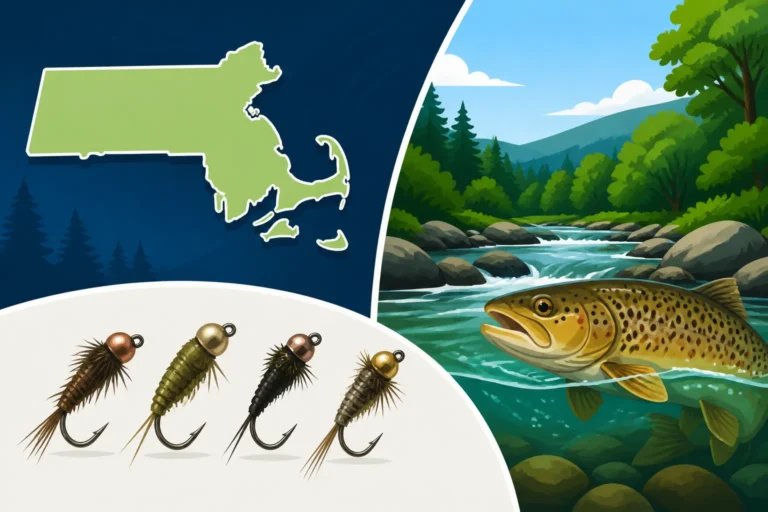
Brown trout, originally from Europe, are renowned for their hardiness and ability to tolerate slightly warmer water temperatures than other trout species, though they still prefer cool environments. They are distinguished by their golden-brown or olive-brown bodies, covered with dark spots, some of which are surrounded by light halos. They also often have red or orange spots along their sides.
Stocked brown trout in Massachusetts usually fall into the 12 to 20-inch range, but they have the potential to grow much larger in favorable conditions, becoming truly impressive fish. They are often considered more challenging to catch than rainbows because they tend to be warier and more nocturnal, especially the larger specimens.
Browns are often found in deeper pools, undercuts, and around submerged structures in rivers, and in deeper sections of ponds. Their diet is quite varied, including insects, smaller fish, and even crustaceans. Anglers targeting brown trout often need a more patient and subtle approach, using natural baits or realistic lures and flies. If you're planning a trip, be sure to check the Massachusetts Fishing License Guide to ensure you have all your necessary permits.
Brook Trout
The brook trout holds a special place in the hearts of Massachusetts anglers as our only native freshwater trout species. They are arguably the most beautiful of the stocked trout, with striking worm-like markings (vermiculations) on their backs, red spots with blue halos along their sides, and distinctive white leading edges on their lower fins (pectoral, pelvic, and anal fins). Their belly often takes on an orange or reddish hue, especially in spawning males.
Stocked brook trout are usually a bit smaller than rainbows or browns, typically ranging from 8 to 14 inches. While they don't reach the same trophy sizes as browns, their vibrant colors and spirited fight make them a joy to catch. They are highly sensitive to water quality and temperature, thriving in cold, clear, highly oxygenated streams and ponds.
Brook trout are often found in smaller streams and tributaries, as well as in cold spring-fed ponds. They are opportunistic feeders, readily taking small insects, worms, and various small aquatic organisms. Anglers pursuing brook trout often find success with traditional natural baits and smaller, more subtle lures or fly patterns. Knowing when the Massachusetts Spring Trout Stocking Towns List is updated can help you locate these beautiful fish.
Tiger Trout
Tiger trout are a fascinating and relatively rare hybrid, a cross between a brown trout and a brook trout. They are sterile, meaning they cannot reproduce, but they are highly prized by anglers for their striking appearance and aggressive nature. They get their name from their distinctive maze-like, worm-like patterns of dark spots on a lighter background, often described as having a tiger stripe appearance.
The size of stocked tiger trout varies, but they can grow quite large, often mirroring the growth potential of brown trout. MassWildlife stocks tiger trout in limited quantities, usually in specific waters, so catching one is often considered a special treat. They inherit characteristics from both parent species, often exhibiting the hardiness of a brown trout and the aggressive feeding tendencies of a brook trout.
Tiger trout can be found in a variety of water bodies where they are stocked, often in waters that might be a bit too warm for brook trout but suitable for brown trout. They are known for being aggressive predators and will readily strike at lures and flies that imitate baitfish. Their unique markings and powerful fight make them a truly memorable catch for any angler.
Why Different Trout Species Are Stocked
MassWildlife doesn't just randomly pick trout species; there's a thoughtful strategy behind which species go into which bodies of water. This approach is designed to maximize angler success, ensure the fish thrive (at least for a season), and manage the diverse aquatic environments across the state. It's a balancing act of biology, ecology, and recreational demand.
Matching Species to Water Conditions
One of the primary considerations is the specific water chemistry and temperature profile of a given pond or river. For instance, brook trout require the coldest, cleanest, and most oxygen-rich water. If a pond or stream experiences warmer summer temperatures or has lower oxygen levels, stocking brook trout there wouldn't be effective, as they wouldn't survive long enough to be caught. Brown trout are a bit more tolerant of slightly warmer water and can often thrive in conditions that might stress brook trout. Rainbow trout fall somewhere in the middle, adapting well to a wide range of popular fishing locations that might not be ideal for wild, self-sustaining populations.
This careful matching ensures that the stocked fish have the best chance of survival until they are caught, providing a healthy and active fishery for a longer period. It also informs decisions on when and how often waters are stocked, aligning with periods when water conditions are most favorable for a particular species.
Angler Preference and Management Goals
Beyond environmental suitability, angler preference plays a significant role. Rainbow trout are hugely popular due to their willingness to bite and their spirited fight, making them an excellent choice for family-friendly ponds and highly accessible fishing spots. Brown trout appeal to anglers looking for a more challenging quarry, as they can be more elusive and grow to impressive sizes. Brook trout, with their stunning colors and native status, offer a unique aesthetic appeal.
MassWildlife's management goals also dictate stocking decisions. In some waters, the aim is to create a "put-and-take" fishery where fish are stocked to be caught within a season. In others, particularly larger water bodies like the Quabbin Reservoir, the goal might be to establish a more self-sustaining population or to provide trophy opportunities. The use of sterile tiger trout, for example, is a way to introduce a hard-fighting, unique fish without concerns about them competing with or altering existing wild genetics. Ultimately, the program strives to offer a diverse and rewarding fishing experience for everyone who casts a line in Massachusetts. Before heading out, make sure you understand the Massachusetts Fishing License Requirements by Age.
Maximizing Your Catch: Gear and Tactics for Each Stocked Species
Once you know which trout species you're likely to encounter, you can fine-tune your gear and tactics for a more successful and enjoyable outing. While trout often bite indiscriminately, especially right after stocking, a little preparation can go a long way in increasing your hook-up ratio and landing that dream fish. You can find a vast selection of appropriate gear on platforms like Amazon.
Best Baits and Lures
For Rainbow Trout, versatility is key. They are aggressive and often respond well to brightly colored baits and lures.
- Baits: PowerBait (especially in bright colors like chartreuse, orange, or rainbow), small pieces of nightcrawler or garden worms, canned corn, and salmon eggs are all highly effective. Many anglers swear by a small marshmallow floated above a worm.
- Lures: Small inline spinners (like Mepps or Rooster Tail) in silver, gold, or bright colors, spoons (such as Kastmasters or Little Cleos), and small jerkbaits work wonders. For some top picks, check out our guide on the Best Lures for Stocked Trout in Massachusetts. You can find a wide range of these options available on Amazon.
- Techniques: Still fishing with bait on the bottom or suspended under a bobber works well. Casting and retrieving spinners or spoons can entice strikes from active fish.
Brown Trout often require a more subtle and natural presentation, especially as they get older and wiser.
- Baits: Live shiners, nightcrawlers, and small crayfish are excellent natural baits.
- Lures: Small Rapala or other minnow-imitating jerkbaits, small, natural-colored inline spinners, and spoons can be effective. Consider patterns that mimic local baitfish.
- Techniques: Drift fishing with bait in rivers or slow-trolling in ponds can be very productive. Casting lures to structure like submerged logs or rocky outcrops where browns often hide is also a good strategy.
Brook Trout are often caught on classic trout baits and smaller presentations.
- Baits: Small worms, grubs, and salmon eggs are traditional favorites.
- Lures: Tiny inline spinners (size 0 or 1) with subtle colors, very small spoons, and even micro jigs can be effective.
- Techniques: Focus on clear, cold water. Present baits naturally with minimal weight or drift small lures through pools and riffles. Fly fishing with small dry flies, nymphs, or streamers is also highly rewarding for brook trout. For more insight, read about Fly Fishing for Trout in Massachusetts Rivers.
For Tiger Trout, their aggressive, predatory nature means they often respond to lures and baits intended for brown trout.
- Baits: Live shiners and larger worms can be very effective.
- Lures: Minnow-imitating crankbaits, spoons, and larger inline spinners, often in natural or flashy patterns, are good choices.
- Techniques: Actively casting and retrieving lures, particularly near drop-offs or structure, is a great way to target these unique hybrids.
Essential Gear and Setup
Regardless of the species, a light to ultra-light spinning rod and reel combo spooled with 4-6 lb test monofilament or fluorocarbon line is ideal for trout fishing. A sensitive rod tip will help you detect subtle bites. For bait fishing, a small hook (size 8-12), split shots, and bobbers are essential. When lure fishing, a small swivel (barrel or snap swivel) can prevent line twist. Many anglers head to Amazon to stock up on their favorite powerbaits and lures for the season.
Seasonal Considerations for Stocked Trout
The best time to fish for stocked trout is generally right after they are released during the spring and fall stocking periods.
- Spring Stocking: This is often the most anticipated time, from late March through May. Waters are cool, and trout are active and eager to feed after their hatchery confinement. This is when you'll find the best action in many ponds and rivers.
- Fall Stocking: From September through October, temperatures cool down, and MassWildlife undertakes another significant stocking effort. This can provide excellent fishing, particularly for larger "brood stock" trout, offering a fantastic opportunity before winter sets in.
During the warmer summer months, many stocked trout may become lethargic or move to deeper, cooler sections of ponds or spring-fed areas of rivers. Targeting these fish requires a different approach, often fishing deeper with slower retrieves or focusing on early morning or late evening hours. Conversely, ice fishing throughout the winter months can provide unique opportunities for trout, especially in larger, deeper ponds. For more details on yearly trends, consult the Massachusetts Fishing Seasons Explained.
Here's a quick comparison of the main trout species stocked in Massachusetts:
| Trout Species | Appearance | Typical Stocked Size | Preferred Habitat | Common Angling Method | Key Characteristic |
|---|---|---|---|---|---|
| Rainbow Trout | Silver-green body, pink/red stripe, black spots | 10-18 inches | Ponds, rivers, wide temperature tolerance | Baits (PowerBait, worms), Spinners, Spoons | Aggressive, often jump when hooked |
| Brown Trout | Golden-brown/olive, dark spots with halos, red/orange spots | 12-20+ inches | Deeper pools, structures, slightly warmer tolerant | Natural baits (shiners, worms), Minnow-lures, Flies | Wary, nocturnal, can grow very large |
| Brook Trout | Worm-like markings, red spots with blue halos, white fin edges | 8-14 inches | Cold, clear, oxygen-rich streams & ponds | Small worms, grubs, small spinners, flies | Native, stunning colors, sensitive to water quality |
| Tiger Trout | Maze-like stripes (hybrid of Brown x Brook) | Varies, can reach large sizes | Similar to Brown Trout habitats | Live shiners, minnow-imitating lures | Aggressive, unique appearance, sterile |
Remember, local conditions can always vary, so it's a good idea to check MassWildlife's official stocking reports for the specific bodies of water you plan to visit. Their website is a great resource, often updated daily during peak stocking periods.
Disclaimer
Please be aware that fishing regulations, including stocking schedules and species availability, can change. Always consult the latest Massachusetts Division of Fisheries and Wildlife (MassWildlife) regulations before heading out on your fishing trip. This guide is for informational purposes only and should not be considered a substitute for official government resources.