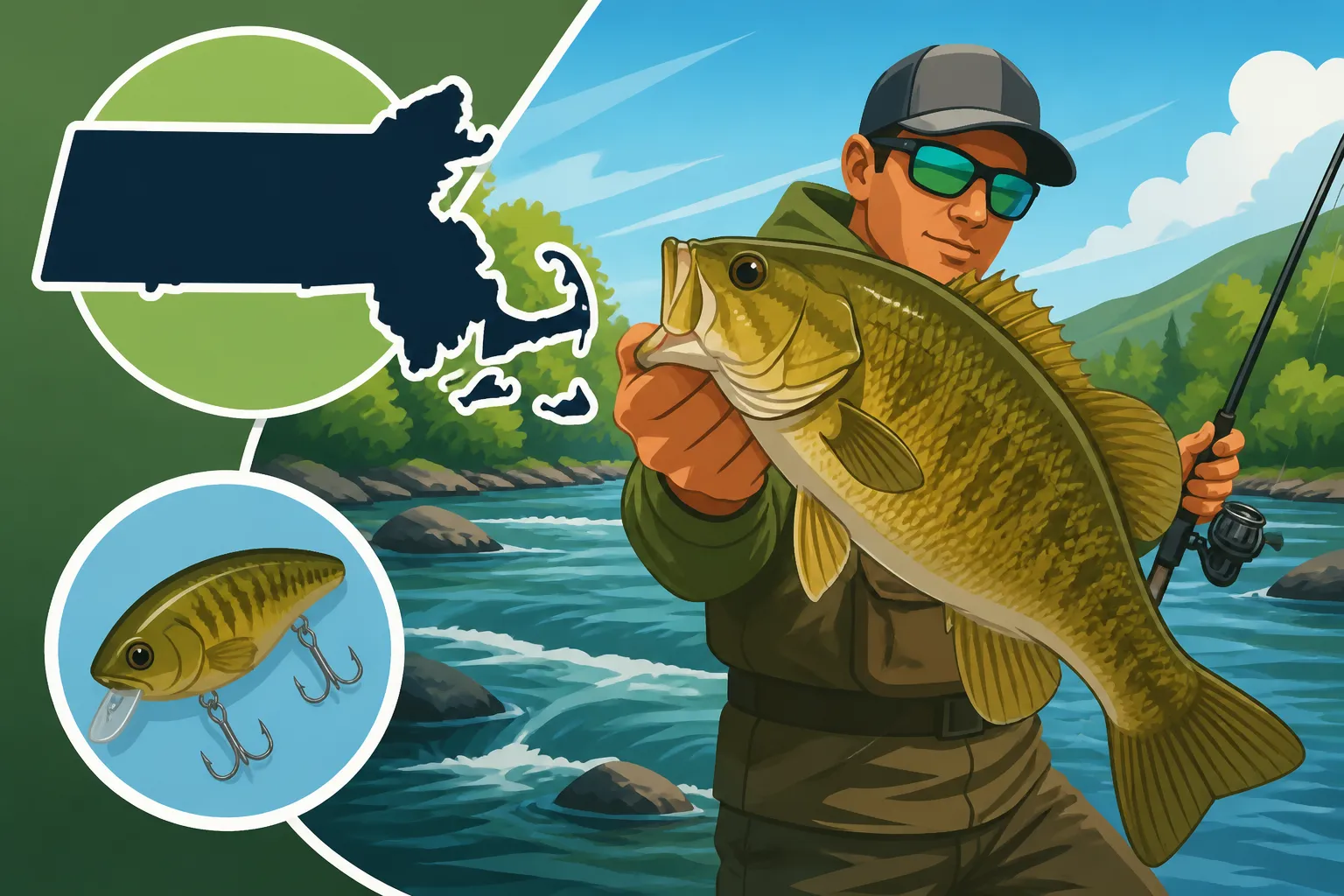
How to catch smallmouth bass in Massachusetts rivers
If you've ever tried chasing smallmouth bass in Massachusetts rivers, you know it's a completely different ballgame than stillwater fishing. These feisty, bronze-backed fighters are incredibly rewarding but can be notoriously tricky to pin down in flowing water, leading to frustration for many anglers who are more accustomed to lake and pond bass. This guide is all about demystifying the art of catching smallmouth bass in the Commonwealth's beautiful, dynamic rivers, providing you with the insights and tactics you need to consistently find and hook these acrobatic fish.
Understanding River Smallmouth Bass Behavior
Smallmouth bass are truly kings of the current, evolving to thrive in the dynamic environments of rivers and larger streams. Unlike their largemouth cousins, who prefer slower, weedier water, smallmouth are built for speed and power, using the current to their advantage when hunting and fighting. Understanding their behavior is the first step to unlocking consistent success on any Massachusetts river.
Riverine Habits and Structure Preference
Smallmouth bass in rivers are constantly seeking out areas where they can expend the least amount of energy while still having prime access to food. This means they'll often be found near current breaks – spots where the faster flow meets slower water, creating a 'seam' they can sit in. Think of it like a buffet line for them: food washes down, and they just have to subtly shift to grab it. These current breaks can be created by a variety of structures.
Large boulders and rock piles are absolute magnets. The upstream side creates a cushion of slack water, while the downstream side offers a calm eddy where smallmouth can rest and ambush prey. Undercut banks, fallen trees, and log jams also provide fantastic ambush points and shelter from strong currents. Deeper pools, especially those with rocky bottoms, are critical holding areas, particularly during colder water temperatures or periods of high sun. Even subtle changes in depth or bottom composition, like a transition from gravel to sand, can create a smallmouth hotspot. Understanding these nuances and learning to "read the water" for such structures is paramount. It’s not just about casting aimlessly; it’s about identifying where a smallmouth would naturally choose to be.
Diet and Foraging Patterns in Flowing Water
River smallmouth are opportunistic predators with a diverse diet, which varies slightly depending on the specific river and time of year. Their primary food sources generally include crayfish, various baitfish like shiners and darters, aquatic insects (especially during hatches), and even small frogs or salamanders that might fall into the water. This broad menu means you have a lot of options when it comes to lure selection, but also that you need to be observant of what's present in the water you're fishing.
Crayfish are a huge part of their diet, particularly in rocky rivers, so any lure or bait that imitates a crayfish is often highly effective. During summer, when insect hatches occur, smallmouth can become incredibly focused on eating bugs, making fly fishing an excellent strategy. They'll position themselves strategically to ambush prey, often facing upstream, ready to dart out and grab whatever morsel drifts by. This aggressive feeding behavior, combined with their powerful build, is what makes them such a thrill to catch. When you feel that distinctive thump and the line starts peeling off your reel, you know you've found a hungry river smallmouth.
Essential Gear for River Smallmouth Angling
Having the right equipment can make all the difference when you're tackling Massachusetts rivers for smallmouth bass. The demands of current, potential snags, and the hard-fighting nature of these fish mean your gear needs to be up to the task. Skimping on quality here can lead to frustrating break-offs and lost fish.
Rod, Reel, and Line Selection
For river smallmouth, I generally recommend a spinning setup, though baitcasting can certainly work for experienced anglers. A medium-light to medium power rod, typically between 6'6" and 7' long, offers the perfect balance of sensitivity for detecting subtle bites and backbone for fighting fish in current. A fast action tip is ideal, allowing for accurate casts and quick hooksets, which are crucial when smallmouth hit aggressively. You don't want a noodle rod that can't handle a surging fish, nor a broomstick that rips the hook out.
Pair this with a reliable spinning reel in the 2000 or 2500 size range. Look for a smooth drag system, as river smallmouth love to make powerful runs. When it comes to line, a good quality braided line in the 10-15 lb test range is a fantastic choice, offering incredible sensitivity and strength, which really helps feel those subtle taps in moving water. You'll want to add a fluorocarbon leader of about 6-10 lb test, typically 3-6 feet long, for its invisibility and abrasion resistance against rocks and logs. If you're wondering where to find a good selection of rods, reels, and quality lines, online retailers like Amazon offer a vast array of options, often with detailed reviews from fellow anglers.
Tackle Box Must-Haves
Your tackle box for river smallmouth should be geared towards versatility and durability. These fish aren't picky, but conditions can change quickly, so having a range of options is smart. Jigs are absolutely indispensable. Think 1/8 to 1/4 oz lead-head jigs paired with various soft plastics like tubes, grubs, or small creature baits. Colors like green pumpkin, watermelon, and brown are perennial favorites, mimicking crayfish and small baitfish. Small crankbaits and jerkbaits that dive to moderate depths (2-6 feet) are also excellent for covering water and triggering strikes, especially in deeper pools or along current seams.
Topwater lures like poppers, walking baits, and prop baits can provide explosive action during warmer months, particularly at dawn or dusk. Don't forget some inline spinners and small spinnerbaits, as their flash and vibration can be irresistible. Hooks, weights (small bullet weights or split shot for rigging soft plastics), and extra leaders are also essential. Having a variety of lure sizes and weights is key, allowing you to adapt to different river depths and current speeds. A small pair of pliers or forceps for hook removal, and a net, are also invaluable tools, especially when you're wading and need to quickly secure a lively fish. For those specific, hard-to-find lures that local shops might not carry, Amazon can be a treasure trove, delivering right to your door.
Effective Techniques and Lure Choices
Catching smallmouth bass in Massachusetts rivers requires a nuanced approach, blending casting precision with an understanding of how lures behave in current. It's not just about throwing a lure; it's about presenting it naturally and strategically.
Casting and Retrieve Strategies for River Currents
When fishing rivers for smallmouth, your casting strategy is critical. You'll often be casting upstream or quartering upstream, allowing your lure to drift naturally downstream with the current before beginning your retrieve. This "swing" technique mimics a dying baitfish or insect, presenting a tempting target. Pay close attention to current seams, eddies behind rocks, and any visible structure. Cast beyond your target and let the current carry your lure into the strike zone.
Your retrieve speed should vary, but often a slower, more deliberate retrieve works best, especially with jigs and soft plastics. You want the lure to bounce along the bottom, simulating a crayfish, or tumble naturally like a disoriented baitfish. For crankbaits and jerkbaits, a stop-and-go retrieve with pauses can be incredibly effective, triggering aggressive strikes as the lure hangs in the current. Always try to maintain contact with your lure; feeling the bottom and any subtle ticks is paramount. A sudden pause in the drift, or a slight increase in line tension, might just be a smallmouth inhaling your offering. This connection to your lure is where the sensitivity of your rod and braided line truly shines.
Bait and Lure Choices for River Smallmouth
The key to lure selection for river smallmouth is versatility and understanding what they're feeding on. As mentioned, crayfish imitations are gold. Soft plastic tubes (2.5-3.5 inches) fished on a jig head are arguably the most consistent producers. Texas-rigged creature baits or small jigs with plastic trailers also excel, especially when fished slowly along the bottom in rocky areas. For a deeper dive into effective lure choices, you might find this guide on the "Best Lures for Smallmouth Bass in the Connecticut River" quite helpful, as many of those principles apply broadly across Massachusetts.
Spinnerbaits and inline spinners (like Mepps or Rooster Tail) are excellent for covering water quickly and for aggressive fish, particularly in moderate current. Small crankbaits and jerkbaits are perfect for probing specific depths and triggering reaction strikes. When the fish are looking up, topwater lures like poppers or walk-the-dog baits can provide explosive, heart-stopping strikes, especially during low-light conditions. Don't be afraid to experiment with different colors and retrieve speeds until you find what the fish are reacting to on a given day. Sometimes, a subtle change in color or a slightly faster jigging motion can make all the difference. When stocking up on your arsenal, remember that Amazon often has multi-packs and a wider variety of specialized river smallmouth lures that you might not find in every local tackle shop.
Fly Fishing for River Smallmouth
For the fly angler, river smallmouth offer a fantastic challenge and immense satisfaction. These fish are aggressive enough to hit a variety of fly patterns, and the fight on lighter fly tackle is truly exhilarating. A 6 or 7-weight fly rod is generally ideal, providing enough power to cast larger streamers and fight strong fish in current, while still offering the sensitivity for delicate presentations.
Streamers are your bread and butter here, imitating baitfish and crayfish. Patterns like Clouser Minnows, Woolly Buggers (especially in olive, black, or brown), and small crawfish patterns are incredibly effective. You'll often want to cast these upstream or across the current, letting them sink and then stripping them back with varying retrieves to mimic a swimming or darting baitfish. During warmer months and insect hatches, terrestrial patterns like foam hoppers, crickets, or even large ants can draw explosive topwater strikes, particularly around overhanging banks. Nymphs can also be effective in deeper runs, especially patterns that mimic larger aquatic insects. The challenge and reward of matching the hatch or presenting a streamer perfectly in the current make fly fishing for river smallmouth a truly immersive experience.
Optimizing Your Trip: Seasons, Conditions, and Safety
Timing is everything when it comes to river smallmouth fishing. Understanding how seasons and river conditions influence their behavior will significantly increase your chances of a successful outing. Moreover, safety should always be your top priority when wading or fishing near moving water.
Spring and Pre-spawn Action
Spring is arguably one of the best times to target river smallmouth bass in Massachusetts. As water temperatures begin to rise from the cold grip of winter, usually reaching into the 50s Fahrenheit, smallmouth become increasingly active, moving out of their deeper wintering holes and into shallower areas to feed heavily in preparation for spawning. This pre-spawn period is characterized by aggressive feeding, as they need to build up energy.
Look for them in transitional areas: where deeper pools meet shallower flats, along current seams, and near prominent structures like large rocks or submerged logs. They'll often stage in these areas before moving onto actual spawning beds. Lures that mimic crayfish, like jigs with plastic trailers or tube baits, are particularly effective during this time, as crayfish are a readily available and calorie-rich food source. Small crankbaits that dive to moderate depths can also be excellent for covering water and locating active fish. The key is to find that rising water temperature sweet spot, which signals the smallmouth to turn on their feeding instincts. Remember to check the statewide "Massachusetts Freshwater Fishing Season Calendar" for general guidance on fishing periods.
Summer Strategies and Low Water Conditions
Summer brings a different set of challenges and opportunities for river smallmouth. As water temperatures climb into the 70s and beyond, smallmouth will often move into deeper, cooler pockets of water, or seek out areas with faster current where the water is more oxygenated. This often means targeting deeper pools, the downstream side of strong current breaks, and shaded areas provided by overhanging trees or undercut banks, especially during the brightest parts of the day.
During periods of low water, which can be common in late summer, smallmouth might become concentrated in the remaining deeper pools. This can make them easier to locate, but also more susceptible to pressure, so a stealthy approach is crucial. Topwater lures can be incredibly effective during low-light hours (early morning, late evening) when smallmouth are more comfortable venturing into shallower feeding areas. During the day, switch to jigs, small finesse worms, or subtle jerkbaits fished slowly in deeper water. Keeping an eye on river flow rates, often available through local water resource websites, can give you a crucial advantage in understanding how fish might be positioned.
Fall Feeding Frenzy
Just like in spring, fall can be an absolutely phenomenal time to chase river smallmouth in Massachusetts. As air and water temperatures begin to drop, smallmouth enter another intense feeding period, packing on weight in preparation for the upcoming winter. They become incredibly aggressive, often chasing down lures with reckless abandon.
During the fall, smallmouth will typically spread out more from their summer holding areas, roaming shallower flats and current seams, actively hunting baitfish and crayfish. You might find them in areas that were too warm or slow during the summer. This is a great time to use a variety of lures, including crankbaits, spinnerbaits, and larger jigs, as the fish are less finicky and more willing to chase. Topwater action can still be good during warmer fall days, especially during mid-day. The cooler water temperatures mean the fish are full of energy, and their fights are often even more spirited. This "last hurrah" of feeding offers some of the most exciting smallmouth action of the year, making it a favorite season for many river anglers.
Safety First: Wading and River Hazards
Fishing in rivers can be incredibly rewarding, but it also carries inherent risks, especially if you're wading. Your safety should always be your number one concern. Always wear appropriate footwear with good grip – felt-soled or rubber-soled wading boots are essential. A wading staff can provide crucial stability, helping you maintain balance in strong currents and probe for unseen drop-offs or slippery rocks. Always test the depth and current with your staff before taking a step.
Never wade alone, especially in unfamiliar rivers or during periods of high flow. Let someone know where you're going and when you expect to return. Be aware of changing weather conditions, which can rapidly affect river levels and clarity. Flash floods, while rare, can be extremely dangerous. Carry a small first-aid kit, a whistle, and a knife. If you do happen to take a spill, don't panic. Float on your back with your feet pointed downstream, protecting your head and body from obstacles, and work your way to calmer water or the bank. Being prepared and respectful of the river's power ensures you can enjoy your time on the water safely.
Massachusetts River Hotspots for Smallmouth Bass
While smallmouth bass can be found in many rivers across Massachusetts, certain waterways are particularly renowned for their healthy populations and productive fishing. Knowing where to start can save you a lot of time and effort.
Major Rivers and Their Smallmouth Potential
Massachusetts is blessed with several excellent rivers that consistently produce quality smallmouth bass. The Connecticut River, as it flows through Western Massachusetts, is a prime example. It's a large, powerful river with diverse habitat, from rocky sections to deeper pools and feeder creeks, offering endless opportunities for smallmouth. Anglers frequently praise its potential, and you can learn more about its specific features in our guide to Connecticut River Fishing in Massachusetts. Further west, the Housatonic River in the Berkshires, while often lauded for its trout, also holds a robust population of smallmouth, especially in its warmer, wider sections. Our article on Housatonic River Fishing in the Massachusetts Berkshires can provide more details.
The Merrimack River, especially near communities like Lowell and Haverhill, is another excellent choice. Its varied structure and healthy baitfish populations make it a consistent producer. Even smaller rivers and larger streams, like sections of the Deerfield River (though primarily known for trout, it has bass in lower, warmer sections), can offer fantastic smallmouth action. It's always a good idea to research local regulations, as these can vary slightly by waterway, though general Massachusetts Freshwater Fishing Daily Catch Limits apply.
Public Access and Wading Opportunities
One of the great joys of river fishing is the accessibility it often provides. Many Massachusetts rivers have numerous public access points, including state park lands, wildlife management areas, and municipal parks. These spots often feature parking areas, marked trails, and sometimes even designated fishing access. Wading is a common and highly effective method for fishing rivers, allowing you to cover water quietly and present lures to otherwise inaccessible spots.
However, always be mindful of private property boundaries and respect landowners. Use apps or online maps to identify public easements and access points. When wading, remember the safety tips discussed earlier: good footwear, a wading staff, and never exceeding your comfort level or the river's capabilities. Some rivers are too deep or swift to wade effectively in certain sections, requiring a kayak or canoe for access. Even in such cases, many sections offer excellent shore fishing opportunities, especially around bridges, culverts, or natural outcroppings. The thrill of exploring a new stretch of river, finding a hidden pool, and hooking into a feisty smallmouth is truly one of the best experiences Massachusetts fishing has to offer.
Important Regulations and Conservation
Before heading out, always ensure you have a valid fishing license. A general Massachusetts Fishing License Guide can walk you through the process, but typically, you'll need a freshwater fishing license for river smallmouth. Remember that licensing fees directly support conservation efforts that keep our rivers healthy and stocked. While smallmouth bass populations are generally robust, practicing catch and release, especially for larger breeding fish, helps ensure healthy fisheries for future generations.
Knowing your Massachusetts Freshwater Daily Catch Limits is crucial. These regulations are in place for a reason – to manage fish populations sustainably. Handle fish gently, minimize their time out of water, and use appropriate tools for hook removal. If you're using live bait, be aware of any restrictions on bringing bait from other water bodies to prevent the spread of invasive species. By being a responsible angler, you contribute to the overall health and enjoyment of Massachusetts' beautiful river systems, ensuring that future generations can experience the thrill of catching a hard-fighting smallmouth bass.
| Lure Type | Best Conditions / Retrieve | Target Depth | Notes |
|---|---|---|---|
| Tube Jigs | Bouncing on bottom, current seams, rocky areas | Bottom | Mimics crayfish; incredibly versatile. |
| Crankbaits | Covering water, bouncing off rocks, stop-and-go retrieve | Mid-depth (2-8 ft) | Great for active fish; different dive depths available. |
| Inline Spinners | Steady retrieve, cast upstream, retrieve through current | Shallow to Mid | Flash and vibration attract aggressive fish. |
| Soft Plastic Grubs | Slow retrieve, bouncing on bottom, shaky head rig | Bottom | Mimics baitfish or insects; very natural presentation. |
| Topwater Poppers | Popping retrieve, pauses, early morning/late evening | Surface | Exciting surface strikes; best in calm or light current. |
| Jerkbaits | Twitch-twitch-pause, especially in cooler water | Mid-depth (2-6 ft) | Excellent for suspended fish; great reaction bait. |
Disclaimer
This article is for general informational purposes only and does not constitute professional advice. Laws, prices and regulations vary by location and change over time. Consult a qualified professional for guidance on your specific situation.