Black Sea Bass Fishing in Massachusetts
For anglers in Massachusetts, there's a certain magic to targeting black sea bass. These feisty, delicious fish offer a fantastic challenge and a rewarding day on the water, but navigating their seasons, limits, and best fishing practices can sometimes feel like trying to untangle a stubborn knot in your fishing line. This guide is here to unravel those complexities, helping you understand everything you need to know to successfully catch black sea bass in the Bay State, from identifying their favorite haunts to mastering the right techniques and respecting the regulations that keep our fisheries healthy.
Understanding Black Sea Bass in Massachusetts
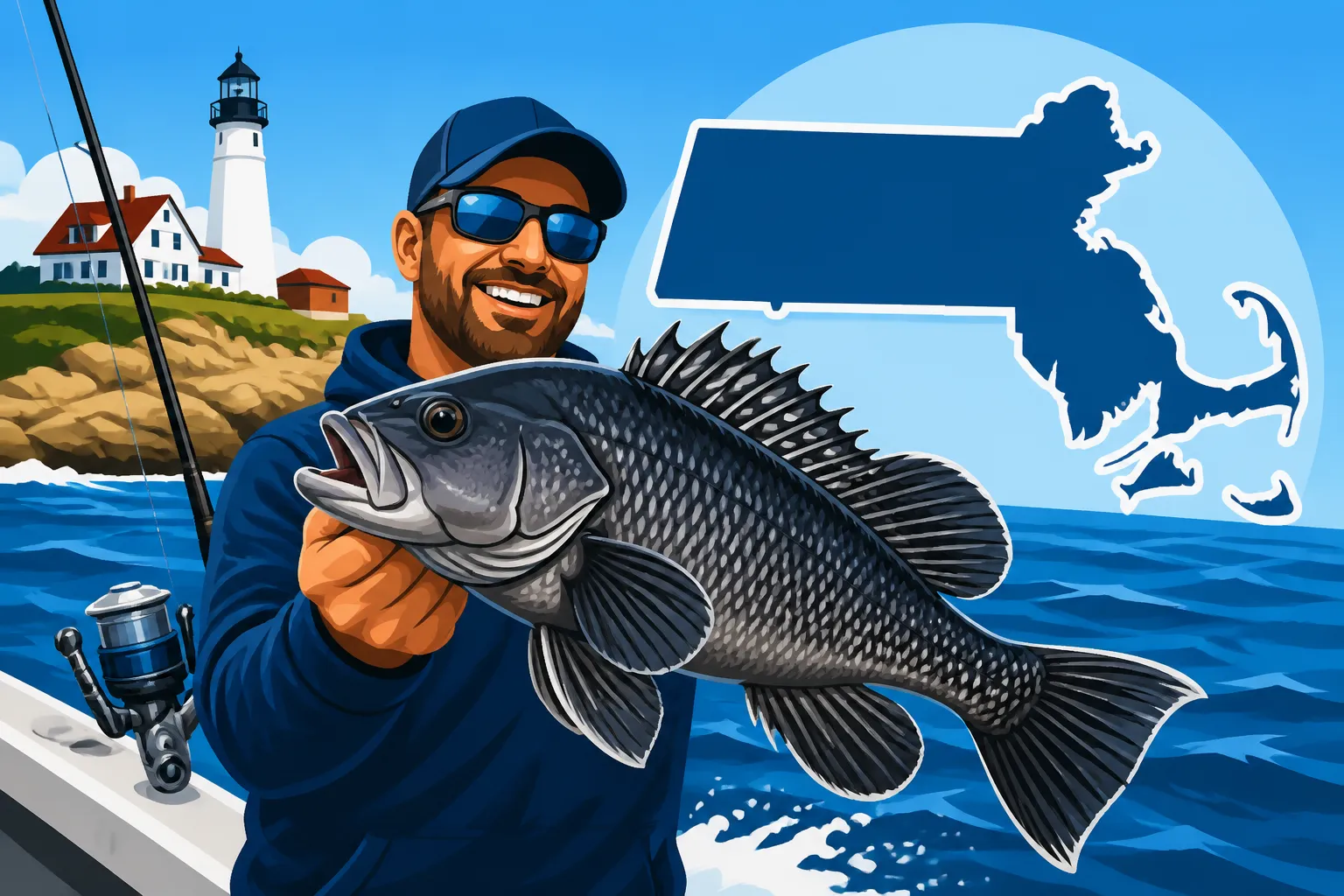
Black sea bass (Centropristis striata) are a highly sought-after species in Massachusetts waters, prized for their strong fight and excellent table fare. They're a favorite among both recreational and commercial anglers, creating a dynamic fishery that requires a good understanding of their biology and habits.
Their Natural Habitat and Behavior
These striking fish, with their deep bodies and often mottled, dark coloration, are primarily bottom dwellers. They absolutely love structure, which is why you'll often find them congregating around rocky reefs, wrecks, mussel beds, jetties, and even bridge pilings. Think of any place where they can hide from predators, ambush prey, and find shelter from strong currents – that's prime black sea bass territory. In Massachusetts, they typically move into shallower, inshore waters as the water warms up in the spring and early summer, making them accessible to many anglers. As fall approaches and temperatures drop, they'll migrate back to deeper, offshore areas.
They are an opportunistic feeder, munching on a wide variety of prey items. Their diet includes crabs, shrimp, squid, small fish like sand eels and juvenile scup, and even marine worms. This varied diet is great news for anglers, as it means they can be caught on a range of baits and artificial lures. When they're in a feeding mood, they can be quite aggressive, providing some truly exciting bites. They're also known to be quite curious, often approaching baits and lures with an inquisitive peck before committing to a full strike.
Lifecycle and Population Dynamics
Black sea bass have a fascinating lifecycle that contributes to their robust population dynamics. They are protogynous hermaphrodites, meaning they begin their lives as females and can later transition to males. This biological characteristic plays a significant role in their reproductive success and how fisheries managers monitor their stocks. Spawning typically occurs in spring and early summer, often in relatively shallow, structured areas. The eggs are pelagic, drifting in the water column before hatching into larvae.
The population health of black sea bass in Massachusetts and across the Atlantic coast is closely monitored by state and federal agencies. Factors like water temperature, food availability, and fishing pressure all influence their numbers. Anglers often appreciate the robust nature of the black sea bass fishery, but it’s crucial that we all do our part to ensure its sustainability. This means understanding and adhering to regulations, which are designed to protect spawning stock and allow younger fish to mature. Responsible fishing practices are key to keeping this fishery thriving for future generations.
Regulations and Seasons for Black Sea Bass
Fishing for black sea bass in Massachusetts requires a solid understanding of the rules. These regulations are set to ensure the long-term health of the stock, balancing recreational opportunity with conservation needs. It’s important to remember that these rules can change, so always check the latest official information before heading out.
Massachusetts Black Sea Bass Size and Bag Limits
Like many popular fish species in Massachusetts, black sea bass are subject to both minimum size limits and daily bag limits. The minimum size limit is in place to allow fish to reach maturity and spawn at least once before being harvested, which is critical for population growth. If you catch a black sea bass that doesn't meet the legal length, it must be immediately released back into the water with as little harm as possible. This is where a good measuring device comes in handy – have one readily accessible on your boat or in your tackle bag.
The daily bag limit dictates how many black sea bass you can keep per angler per day. This limit is designed to spread the catch among more anglers and prevent overharvesting. It’s crucial to count your catch carefully. Exceeding the bag limit can result in penalties, and more importantly, it undermines the conservation efforts vital for this fishery. Remember, these limits can vary not only by year but sometimes by season or even by fishing method (e.g., private boat vs. for-hire vessel), so always stay informed. You'll also need to ensure you have the appropriate Massachusetts Saltwater Recreational Fishing Permit Explained before you even cast a line.
| Regulation Type | Typical Framework (Always verify current rules!) |
|---|---|
| Minimum Size Limit | A specific minimum length is enforced. |
| Daily Bag Limit | A limit on the number of fish per person per day. |
| Open Season | Usually opens in late spring/early summer, closes late fall/early winter. |
| Gear Restrictions | May have limits on hooks or rigs. |
Understanding the Open and Closed Seasons
Massachusetts has specific open and closed seasons for black sea bass. The season typically opens in late spring or early summer, allowing anglers to target these fish when they are more prevalent in inshore waters. This timing often coincides with warmer water temperatures and the fish's migration patterns, making them more accessible. Conversely, a closed season usually occurs during the colder months, primarily to protect the fish during their offshore migration and wintering periods.
The duration of the open season can vary from year to year, depending on stock assessments and management decisions. Sometimes, the season might be split into multiple segments, with different regulations applying during each segment. It's not uncommon for adjustments to be made to these dates to respond to scientific data, ensuring that the fishery remains sustainable. Checking the official Massachusetts Division of Marine Fisheries (DMF) website is paramount for the most current information on Massachusetts Black Sea Bass Season Dates and any other relevant Massachusetts Recreational Fishing Rules and Bag Limits. Fishing outside the open season is a violation and can lead to fines and other penalties, so always be absolutely sure of the dates before planning your trip.
Top Spots for Black Sea Bass Fishing in Massachusetts
Massachusetts offers a diverse range of fishing environments, and black sea bass can be found in many of them, from rocky shores to offshore wrecks. Knowing where to go significantly increases your chances of a successful outing.
Best Shore Fishing Locations
While black sea bass are often associated with boat fishing, there are absolutely opportunities to catch them from shore, especially during their inshore migration periods. The key is to find shorelines with good structure. Rocky jetties, breakwaters, and piers with access to deeper water and nearby rocky bottoms are prime candidates. Areas around Cape Cod, especially parts of Buzzards Bay and Nantucket Sound, can be productive. Think about spots where you can cast out to ledges or rock piles. Even some larger tidal rivers and estuaries, particularly where they meet the open ocean and have rock-strewn bottoms, can hold surprising numbers of these fish.
When fishing from shore, you might not be able to reach the deepest wrecks, but you can certainly target the smaller schools that hug the coastline. Look for areas with a decent current flow, as this often brings food to the fish. Some popular jetties and rocky points that offer access to deeper water or submerged structure can be quite rewarding. Patience is key, as is moving around until you find where the fish are holding. Don't be afraid to ask local tackle shops for advice on specific shore access points; they often have the most up-to-date information on where the bite is hot.
Productive Boat Fishing Areas
Boat fishing really opens up the possibilities for black sea bass, allowing access to their preferred deepwater structures. The vast expanses of Nantucket Sound, Vineyard Sound, and Buzzards Bay are renowned for their excellent black sea bass grounds. These areas are dotted with countless rocky outcroppings, mussel beds, and underwater structures that hold large schools of fish. Moving further east, the waters off the Outer Cape and around the Elizabeth Islands can also be incredibly productive.
Beyond these well-known sounds, venturing to deeper wrecks and artificial reefs further offshore, even into federal waters (where different regulations might apply, so be warned!), can yield larger fish. When planning a boat trip, consult marine charts for navigation and to identify potential fishing spots indicated by depth changes, bottom contours, and symbols for wrecks or obstructions. Using a good fish finder is invaluable for locating these submerged structures and marking schools of fish. Many anglers find excellent success around Best Saltwater Fishing Spots on Cape Cod, Massachusetts, targeting ledges and rocky bottom. Even areas like the mouth of the Cape Cod Canal Fishing Guide for Massachusetts Anglers can produce good numbers of black sea bass, particularly if you can position your boat over structure near the deeper channels.
Effective Techniques and Gear for Black Sea Bass
Catching black sea bass is incredibly fun, and having the right techniques and gear makes all the difference. These fish aren't usually shy, but presenting your bait or lure effectively is key.
Best Baits and Lures
Black sea bass are not particularly picky eaters, which is good news for anglers. When it comes to natural bait, fresh squid is often considered king. Cut squid strips, especially if they're cut into long, fluttering ribbons, are incredibly effective. Other excellent bait options include clams, pieces of crab (green crabs or hermit crabs are great), sand eels, and even chunks of mackerel or menhaden. Presenting these baits on a simple high-low rig, also known as a dropper rig, is a popular and effective method.
For artificial lures, jigs are incredibly productive. Diamond jigs, bucktail jigs, and even soft plastic baits rigged on jig heads can entice strikes. The color often matters; chartreuse, pink, white, and natural baitfish patterns are frequently successful. Metal jigs can be dropped to the bottom and jigged sharply to imitate a fleeing baitfish, while bucktails can be tipped with a piece of squid for added attraction. Some anglers even have success with slow-pitch jigs, which flutter enticingly on the drop. You can find a wide variety of these jigs and soft plastics on Amazon, offering different weights and colors to match local conditions. Experimentation is key – sometimes what works one day won't work the next, so having a selection is always a good idea.
Rods, Reels, and Terminal Tackle
For black sea bass, you don't need super heavy-duty gear, but a setup with enough backbone to handle a strong pull and enough sensitivity to detect subtle bites is ideal. A medium to medium-heavy spinning rod, typically 6 to 7 feet in length, paired with a reliable spinning reel in the 3000-5000 size range, is a versatile choice. This setup will allow you to cast jigs and baits effectively and fight the fish without being overtired. If you prefer conventional gear, a medium action conventional rod with a small star-drag reel also works wonderfully, especially for vertical jigging.
For line, braided line in the 20-30 pound test range is highly recommended. Its thin diameter allows for easier drops to the bottom and its lack of stretch provides excellent sensitivity to feel those light taps. Always tie on a fluorocarbon leader of about 2-3 feet, in the 20-30 pound test, to the end of your braided main line. Fluorocarbon is nearly invisible underwater and is more abrasion-resistant, which is crucial when fishing around rocky structure. For terminal tackle, Kahle hooks or octopus hooks in sizes 1/0 to 3/0 are commonly used for bait, depending on the bait size. For jigs, ensure the hook is sharp and strong enough to handle a feisty sea bass. Having a few extra pre-tied high-low rigs on hand can save valuable fishing time when the bite is on. You'll want to ensure you're equipped with everything from swivels to sinkers, and many anglers stock up on these essentials through retailers like Amazon.
Best Practices and Conservation for Black Sea Bass
Responsible fishing isn't just about following the rules; it's about adopting practices that contribute to the long-term health of the fishery. When you're out targeting black sea bass in Massachusetts, keep conservation at the forefront of your mind.
Proper Handling and Release Techniques
Even if you're planning to keep your legal limit, you're bound to catch some undersized fish or decide to release a portion of your catch. Proper handling significantly increases the survival rate of released fish. When a black sea bass comes aboard, handle it as little as possible. Avoid touching its eyes or gills. If the fish is deeply hooked, especially in the gills or gut, it's often best to cut the line as close to the hook as possible rather than trying to remove the hook, which can cause more trauma. Using a dehooking tool can also make hook removal safer and quicker for the fish.
Support the fish horizontally if you need to hold it for a photo, and get it back into the water quickly. If it seems sluggish, gently revive it by holding it upright in the water, allowing water to flow over its gills until it swims away under its own power. Sometimes, fish brought up from deeper waters may suffer from barotrauma (swim bladder expansion). While not as common with black sea bass as some other species, if a fish shows signs of distress like a protruding stomach or eyes, using a descending device can help it return to depth safely. Always be mindful of your impact; every released fish is a potential future catch.
Respecting the Environment and Fellow Anglers
Fishing in Massachusetts is a shared privilege, and respecting the environment and other anglers is paramount. Always dispose of your trash properly – that means all fishing line, bait containers, and food wrappers go back with you. Monofilament line in particular can be a deadly hazard for wildlife. Consider using designated recycling bins for fishing line if available at your boat ramp or marina. Leaving a fishing spot cleaner than you found it is a golden rule.
When on the water, be considerate of other boaters and anglers. Maintain safe distances from other vessels and shore anglers, especially when anchoring or drifting. If you're on a popular spot, don't crowd other boats. Noise levels should also be kept reasonable. On shore, avoid trespassing on private property and be mindful of your casting arcs, especially if others are nearby. Being a courteous and respectful angler contributes to a positive experience for everyone and helps ensure continued access to our beautiful fishing grounds. Following regulations, like obtaining your Massachusetts Fishing License Guide and understanding local nuances, also demonstrates respect for the resource and the management efforts.
Massachusetts Black Sea Bass Resources and Tips
Staying informed and always being prepared are two of the best tips I can give any angler. The more you know, the better your chances of success, and the more enjoyable your time on the water will be.
Where to Find Current Regulations and Forecasts
The absolute best place to find the most current and accurate black sea bass regulations, including season dates, size limits, and bag limits, is the official Massachusetts Division of Marine Fisheries (DMF) website. They are the governing body for saltwater fishing in the state and will always have the latest updates. Do not rely solely on word-of-mouth or last year's regulations, as these can change quickly based on stock assessments and federal guidelines. It's smart to check their site right before any planned fishing trip.
Beyond regulations, staying up-to-date on fishing reports and forecasts can be incredibly helpful. Local tackle shops are a goldmine of information, offering insights into where the fish are biting, what baits are working, and current water conditions. Many online forums and fishing communities dedicated to Massachusetts fishing also provide real-time reports from fellow anglers. Websites from reputable weather services can give you crucial information on tides, currents, and wind conditions, which are all vital for planning a safe and productive day targeting black sea bass. Don't forget, having your Carrying Proof of Your Massachusetts Fishing License is also a regulation itself, so always have it with you.
Essential Gear Checklist for Black Sea Bass Fishing
Before you head out, having a thorough checklist ensures you don't forget anything crucial. This list isn't just about catching fish; it's about safety and comfort too.
- Fishing Rod & Reel: As discussed, a medium to medium-heavy setup.
- Fishing Line: Braided main line (20-30lb test) with fluorocarbon leader (20-30lb test).
- Terminal Tackle: A variety of hooks (Kahle, octopus 1/0-3/0), swivels, and sinkers. Have a few pre-tied high-low rigs.
- Baits: Fresh squid is highly recommended. Also consider clams, crabs, or cut fish bait.
- Lures: A selection of jigs (bucktail, diamond, soft plastic jigs) in various weights and colors.
- Measuring Device: Absolutely essential for checking size limits.
- Pliers/Dehooker: For easy and safe hook removal.
- Cutting Tool: To cut line if a fish is deeply hooked.
- Cooler & Ice: To keep your catch fresh (and your drinks cold!).
- Sun Protection: Sunscreen, hat, and polarized sunglasses are a must on the water.
- Rain Gear: Weather can change quickly in New England!
- First-Aid Kit: For minor cuts and scrapes.
- Water & Snacks: Stay hydrated and energized.
- Navigation & Safety Gear: If on a boat, ensure all required safety equipment is onboard, including life jackets, flares, and a reliable GPS/chartplotter.
- Fishing License/Permit: Your valid Massachusetts Saltwater Recreational Fishing Permit Explained must always be on your person.
Having these items readily available means you're prepared for whatever the day brings, allowing you to focus on the thrill of the chase. You can gather many of these essentials, from jigs to sun protection, on Amazon with just a few clicks, making preparation a breeze.
Disclaimer
This article is for general informational purposes only and does not constitute professional advice. Laws, prices and regulations vary by location and change over time. Consult a qualified professional for guidance on your specific situation.