Why the tautog bag limit changes by month
It can be incredibly frustrating to head out for a day of tautog fishing in Massachusetts, only to realize the rules have shifted since your last trip. The monthly adjustments to bag limits and seasons for tautog can feel like a moving target, leaving many anglers scratching their heads. This comprehensive guide is here to untangle the complexities behind these dynamic regulations, helping you understand why these changes occur and how you can confidently navigate them for a successful and compliant fishing experience.
The Ecological Rationale Behind Tautog Regulations
Let's be real, no one enjoys more rules when they're trying to relax and fish. But when it comes to tautog, these ever-changing bag limits aren't just arbitrary decisions; they're rooted deeply in the biology of the species and the ongoing efforts to ensure a healthy, sustainable fishery for years to come. Tautog, also known as blackfish, are a prized species in Massachusetts, known for their strong fight and delicious white meat. However, their unique life history makes them particularly vulnerable to overfishing if not managed carefully.
Tautog Biology and Vulnerability
Unlike some other faster-growing fish, tautog are quite slow to mature and reproduce. They don't typically reach sexual maturity until they're several years old, and even then, their reproductive output can be influenced by various environmental factors. This means that if too many older, larger breeding fish are removed from the population, it can take a long time for the stock to recover. Think of it like a savings account: if you keep withdrawing the principal faster than it earns interest, you'll eventually run out of money. The same goes for fish stocks.
Furthermore, tautog are quite site-specific, meaning they tend to stick around rocky structures, wrecks, and mussel beds in relatively localized areas. This makes them predictable targets for anglers, which, while convenient for fishing, also increases their vulnerability. They don't migrate extensively across vast open oceans like some pelagic species, making them easier to target repeatedly in the same spots. When you combine slow growth with predictable habits, you get a species that absolutely requires careful management to prevent depletion. Regulators are constantly trying to balance fishing enjoyment with long-term ecological health.
Conservation and Stock Assessment Efforts
Massachusetts, through its Division of Marine Fisheries (DMF), actively monitors tautog populations. They conduct surveys, collect catch data from commercial and recreational anglers, and analyze growth rates, age structures, and reproductive success. This is what's called "stock assessment," and it's a critical, ongoing process. The goal isn't just to count fish, but to understand the health of the entire population and predict how different levels of fishing pressure might impact it.
These assessments often reveal trends that necessitate changes in regulations. Perhaps a particular year saw lower-than-average spawning success, or maybe fishing pressure increased dramatically in certain areas. These findings directly inform decisions about bag limits, size limits, and open seasons. The Atlantic States Marine Fisheries Commission (ASMFC) also plays a significant role in coordinating management across state lines, as tautog populations extend beyond Massachusetts waters. It's a complex dance of science, data, and balancing the needs of all stakeholders – recreational anglers, commercial fishermen, and the fish themselves. The underlying purpose is always to ensure that future generations can enjoy Tautog Fishing in Massachusetts just as we do today.
The Seasonal Shifts in Tautog Bag Limits
Now that we understand why regulations are necessary, let's dive into the how and when these tautog bag limits typically change throughout the year in Massachusetts. It's not just random; these adjustments are strategically timed to coincide with critical periods in the tautog's life cycle.
Spawning Seasons and Reduced Pressure
One of the primary drivers for changes in bag limits is the tautog spawning season. Tautog typically spawn in late spring and early summer, usually from May through July, depending on water temperature. During this crucial period, adult tautog congregate in specific areas to reproduce. Allowing unlimited fishing pressure on these aggregations could severely impact the next generation of fish.
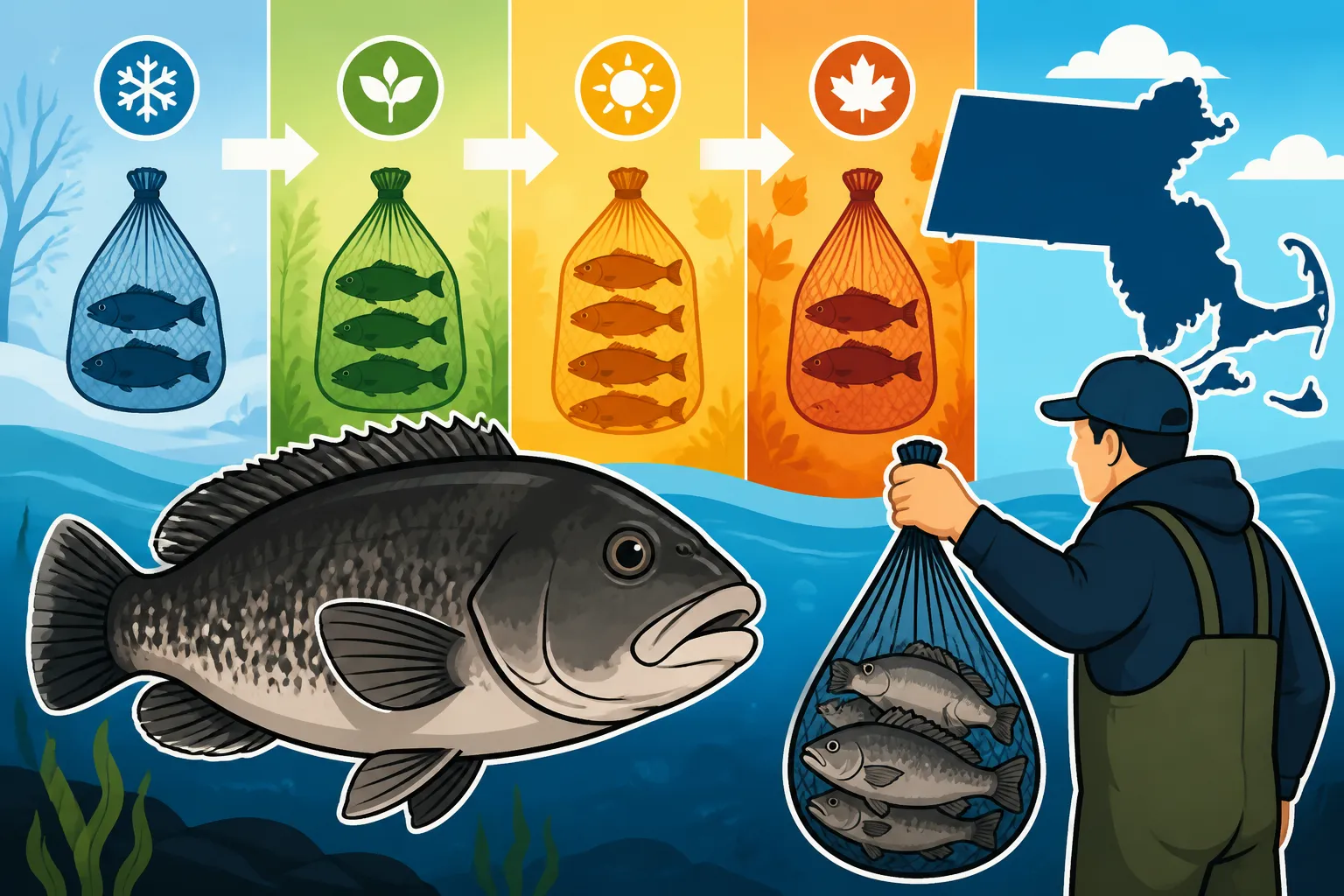
Therefore, you'll often see stricter bag limits, or even closed seasons, implemented during these months. The idea is to reduce the number of fish removed from the population when they are most vulnerable and vital for reproduction. Imagine if everyone harvested apples from an orchard just as the trees were flowering – there would be no fruit later! By limiting catch during spawning, regulators give the fish a better chance to complete their reproductive cycle successfully, ensuring more young fish hatch and survive. This helps protect the future of the fishery, even if it means fewer fish in your cooler for a few weeks. These seasonal adjustments are a key part of the Massachusetts Tautog Size and Bag Limit by Season.
Balancing Fishing Pressure and Angler Opportunity
Beyond spawning, other factors influence monthly changes. Fishing pressure isn't constant throughout the year. Certain times, like summer weekends or holiday periods, naturally see a huge influx of anglers on the water. If the tautog fishery is already under stress, or if the stock assessment suggests caution, regulators might tighten bag limits during these high-pressure times to prevent excessive harvest.
Conversely, during periods of lower fishing pressure, or if the stock is deemed robust enough to handle it, bag limits might be more liberal. This allows anglers greater opportunity when fishing isn't as intense or when the fish are dispersed and harder to target. It's a delicate balancing act designed to provide reasonable recreational opportunities without jeopardizing the long-term health of the stock. For example, some months might see a limit of a couple of fish per person, while others could allow for a slightly larger take. Always consult the latest regulations, as these numbers are subject to change and vary seasonally. Knowing the Massachusetts Fishing Seasons Explained is crucial for any angler.
Here's a simplified illustration of how bag limits might shift over the course of the year. Please remember, these are illustrative and exact numbers will vary annually and by specific regulations:
| Season | Typical Months | Hypothetical Bag Limit Status | Rationale |
|---|---|---|---|
| Spring | April – May | Moderate to Restricted | Pre-spawning aggregation, increasing pressure |
| Early Summer | June – July | Restricted / Tightest | Peak spawning period, critical for reproduction |
| Mid-Summer | August | Moderate | Post-spawning, fish dispersed |
| Fall | September – October | More Liberal / Open | Feeding aggressively, lower reproductive impact |
| Late Fall | November – December | Moderate / Restricted | Wintering aggregations, colder water |
| Winter | January – March | Closed / Very Restricted | Extreme vulnerability, low activity, conservation |
Note: This table uses illustrative examples. Always check the current year's official regulations for precise dates and limits.
How Anglers Can Stay Informed and Adapt
Navigating these shifting regulations can feel like a chore, but it's absolutely essential for responsible angling and avoiding potential fines. Thankfully, there are straightforward ways to stay on top of the latest tautog bag limits and ensure you're always fishing legally.
Official Sources for Massachusetts Regulations
The most reliable source for current fishing regulations in Massachusetts is the Massachusetts Division of Marine Fisheries (DMF). They publish updated rulebooks and notices regularly. You can often find a wealth of information directly on their website. It's truly your first and best stop for accurate, up-to-date information. They are the ones setting the rules, so going straight to the source eliminates any guesswork or outdated information you might find elsewhere.
Beyond the online resources, many anglers appreciate having a physical copy. The DMF typically publishes a comprehensive guide or pamphlet annually that outlines all the recreational fishing rules, including those for tautog. You can often pick these up at bait and tackle shops, sporting goods stores, or sometimes even town halls. Having one of these in your tackle box or boat bag is a smart move, as cell service isn't always reliable out on the water. I always recommend grabbing one at the start of the season. For details on accessing these crucial documents, check out Massachusetts Fishing Regulations Pamphlet, Explained.
Utilizing Digital Tools and Community Resources
In today's digital age, staying informed is easier than ever. The MassFishHunt online licensing system isn't just for buying your license; it's also a great portal to find current regulations. When you log in or browse the site, you'll often find links to the most recent rules. How MassFishHunt Works for Buying a Massachusetts License outlines this process in detail. Many local bait and tackle shops, like those you might find along the South Shore or Cape Cod, are also invaluable resources. The folks working there are often avid anglers themselves and are usually the first to know about regulation changes. Don't be shy about asking them for clarification.
Additionally, many online fishing forums and local fishing clubs can be excellent community resources. While you should always verify critical information with official sources, these communities can provide valuable insights, discussions about recent changes, and reminders about upcoming season shifts. Just remember to use them as a supplement, not a primary source for legal guidance.
Adapting Your Fishing Strategy
Understanding the changing bag limits also helps you adapt your fishing strategy. If the limits are tight, it encourages a "quality over quantity" mindset. This might mean focusing on larger, healthier fish, or even practicing more catch-and-release to conserve the stock. When limits are more generous, you might plan more frequent trips or target different spots.
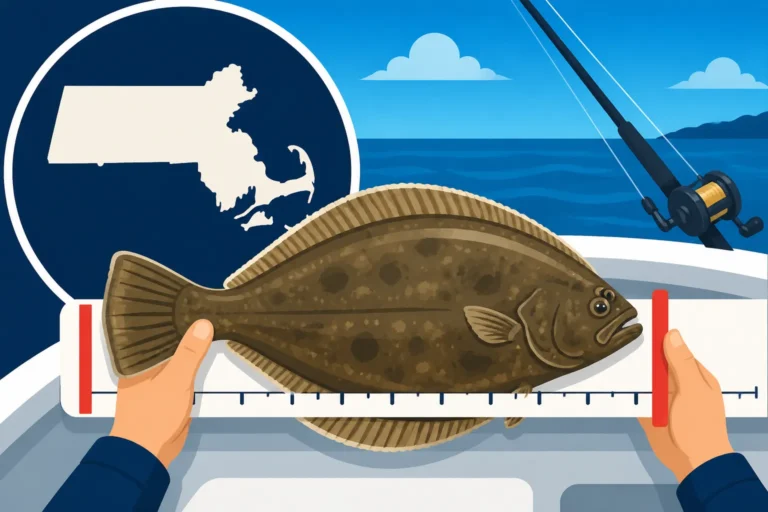
Considering gear, a good pair of pliers or a dehooker, easily found on Amazon, can make catch and release much smoother and reduce harm to fish you intend to let go, especially when working with sticky tautog jaws. Having a reliable measuring device, again, something readily available on Amazon, is non-negotiable. You need to quickly and accurately measure your catch to ensure it meets legal size requirements before deciding to keep it or release it. Being prepared with the right tools ensures you're ready for whatever the regulations of the month dictate, making your time on the water more enjoyable and responsible. Knowing the Massachusetts Recreational Fishing Rules and Bag Limits will certainly help you adapt your strategy.
The Broader Impact of Tautog Regulations
These constantly evolving regulations do more than just dictate how many fish you can keep. They have far-reaching impacts on the health of the marine ecosystem, the experience of recreational anglers, and the economic landscape of coastal communities in Massachusetts. It’s a ripple effect that touches everything from the bait shop owner to the future of the species itself.
Preserving the Fishery for Future Generations
Ultimately, the primary goal of all these regulations is long-term sustainability. Without careful management, even abundant fish stocks can dwindle rapidly. By adjusting bag limits monthly based on scientific data and seasonal vulnerabilities, Massachusetts is working to ensure that tautog populations remain healthy and productive. This isn't just about ensuring there are fish for us to catch next year, but for our children and grandchildren as well. It’s about being good stewards of our natural resources.
When these regulations are successful, they help maintain a balanced ecosystem. Tautog play a role in their habitat, feeding on various invertebrates and, in turn, providing food for larger predators. A healthy tautog population contributes to the overall health and biodiversity of our nearshore waters. It also means that anglers can continue to enjoy the thrill of targeting these feisty fish, year after year, without worrying about an empty ocean. Investing in robust conservation today safeguards the angling opportunities of tomorrow. For those passionate about this, looking into Massachusetts Fishing License Costs and Rules shows how license fees contribute to these efforts.
Economic and Recreational Implications
While conservation is paramount, the regulations also have significant economic and recreational implications. Stricter bag limits or closed seasons might mean fewer fish for anglers to take home, which can be frustrating. However, a thriving fishery ultimately supports local economies. When tautog fishing is good, it drives business for bait and tackle shops, charter boats, marinas, and even local restaurants and lodging. A healthy stock attracts more anglers, leading to sustained economic activity.
On the recreational side, these regulations shape the angling experience. They encourage more catch-and-release, which can be a deeply satisfying aspect of fishing for many. Anglers might also learn new techniques for targeting tautog efficiently and ethically, perhaps experimenting with different baits, like crabs and green crabs available at many shops or through Amazon suppliers, or trying specific Bottom Fishing for Tautog in Massachusetts rigs designed for quick release. While it requires adaptation, the regulations foster a more informed and conservation-minded angling community. It's a testament to the idea that responsible fishing isn't just about following rules, but about understanding and contributing to the bigger picture of marine health.
Disclaimer
This article is for general informational purposes only and does not constitute professional advice. Laws, prices and regulations vary by location and change over time. Consult a qualified professional for guidance on your specific situation.