How big yellow perch get in Massachusetts ponds
Oh, the yellow perch! There's something truly satisfying about feeling that distinctive tap-tap-tap on your line, especially when you know there might be a fat one on the other end. Many of us, myself included, have spent countless hours pondering the elusive "big one" in our favorite local spots. It’s natural to wonder, when you pull in a decent-sized perch from a Massachusetts pond, if that’s as good as it gets, or if there are true monsters lurking in the depths. This guide is all about demystifying the size of yellow perch you can expect to encounter in the Bay State, exploring what makes some grow bigger than others, and sharing tips on how to find those larger, more impressive specimens.
The Quest for the Big Yellow Perch in Massachusetts
When you're out on a Massachusetts pond, whether it's a sunny afternoon in July or a crisp winter morning, the yellow perch is a consistent, welcome visitor to many anglers' lines. But what constitutes a "big" yellow perch here in Massachusetts? It’s a question that sparks lively debate among fishing buddies and often fuels our ambition.
Average vs. Trophy Size
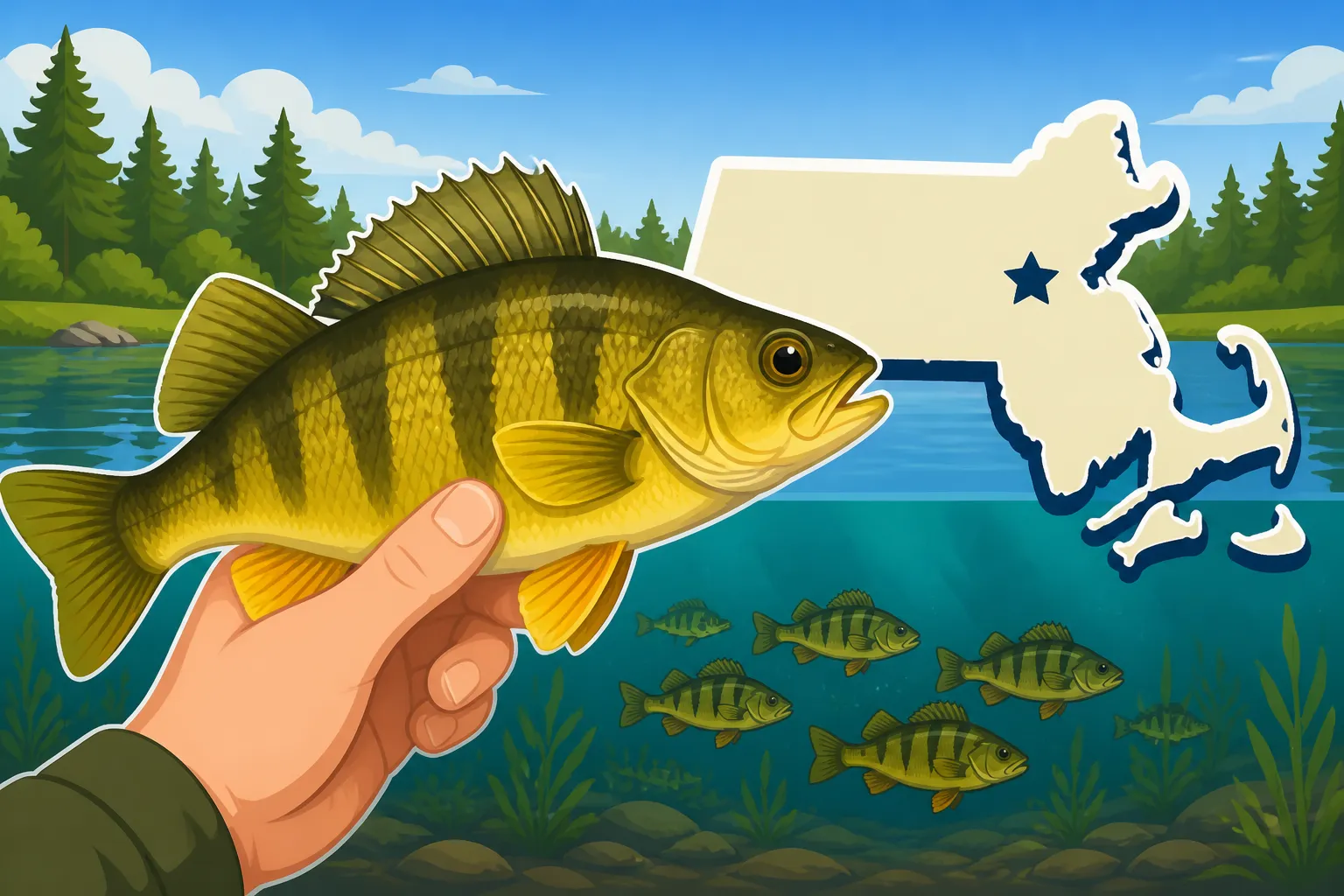
Let's talk numbers, or at least typical ranges. Most yellow perch you'll catch in Massachusetts ponds are going to fall into a very catchable size range. Think about a fish that's anywhere from 6 to 10 inches long. These are your bread-and-butter perch, perfect for a shore lunch and plentiful enough to make for an exciting day, especially for younger anglers. They're fun to catch, put up a respectable fight on light tackle, and are abundant in many of our freshwater systems. They are a staple of Yellow Perch Fishing in Massachusetts.
Now, when we start talking about "trophy" or "big" yellow perch, the conversation shifts. In Massachusetts, a yellow perch that hits the 12-inch mark is generally considered a really nice fish. If you manage to land one pushing 13, 14, or even 15 inches, you've got a true lunker on your hands, something worth bragging about! These larger fish are less common, often older, and much more elusive. They represent the top tier of yellow perch in our state's waters, providing a substantial fillet and a memorable experience. It’s this quest for the foot-long perch that keeps many of us heading back to the ponds.
Why Size Varies So Much
It's not just random luck that some ponds seem to produce bigger perch than others. There's a whole intricate ecosystem at play that dictates how big these fish can actually grow. Imagine a small, shallow pond that gets a lot of fishing pressure and is perhaps overpopulated with perch. You might find a ton of fish there, but most of them will be on the smaller side, competing intensely for limited resources.
Then, picture a larger, deeper lake with plenty of diverse forage, good water quality, and a balanced predator-prey relationship. This kind of environment often fosters the growth of larger, healthier perch. It really boils down to how much food is available, how many other fish are trying to eat that same food, and the overall health of their watery home. Understanding these dynamics is key to not only appreciating the fish you catch but also in making informed decisions about where and when to target bigger ones.
Factors That Shape a Perch's Growth in Bay State Waters
So, what exactly are those invisible forces that conspire to grow a perch from a tiny fry into a foot-long slab of deliciousness? It's a complex interplay of environmental conditions, food availability, and even genetics, much like how a garden grows the best vegetables when all the conditions are just right.
Food Sources and Habitat Health
One of the most critical factors influencing a yellow perch's size is, quite simply, food. Perch are opportunistic feeders, meaning they'll eat a wide variety of things depending on what's available. In their younger days, they feast on zooplankton and aquatic insects. As they grow, their diet expands to include larger insects, crayfish, and even small baitfish like shiners or juvenile panfish.
Ponds with a rich and diverse food web — abundant insect life, healthy populations of smaller forage fish, and plenty of invertebrates — are naturally going to support larger perch. Think about a pond with extensive weed beds, rocky bottoms, and varied depths. These habitats provide ample hiding spots for prey and perfect ambush points for hungry perch. Conversely, a pond with sparse vegetation, uniform depth, or limited baitfish might only be able to sustain smaller, slower-growing perch because the food simply isn't there to fuel significant growth. A healthy aquatic ecosystem is paramount for fostering those larger, robust fish.
Water Quality and Population Density
Clean, well-oxygenated water is absolutely essential for any fish to thrive, and yellow perch are no exception. Ponds that suffer from pollution, excessive algae blooms, or low oxygen levels (especially during hot summer months or under thick winter ice) will stress fish and impede their growth. When a fish has to constantly fight for oxygen or deal with contaminants, it expends energy that would otherwise go into growing bigger.
Another huge factor is population density. This is perhaps one of the most common reasons why anglers find stunted perch in some ponds. If a pond becomes overpopulated with yellow perch, there's simply too much competition for the available food. Every perch is vying for the same limited resources, resulting in a large number of small fish rather than a few large ones. It's a classic case of too many mouths to feed. In these situations, even if the food is plentiful, the sheer number of fish means no single fish can get enough to reach its full growth potential. This is often observed in lakes that don't have a healthy population of larger predatory fish to keep perch numbers in check.
| Factor | Impact on Perch Size | Example Scenario |
|---|---|---|
| Food Availability | High: Larger fish, faster growth. Low: Smaller, stunted fish. | Pond with abundant minnows and crayfish vs. pond with only scarce insect life. |
| Habitat Quality | Diverse structure (weeds, rocks): More food, better cover. | Deep lake with varied bottom vs. shallow, uniform pond. |
| Water Quality | Clean, oxygenated: Healthy fish, strong growth. Poor: Stressed fish, slow growth. | Spring-fed pond vs. stagnant, algae-filled pond. |
| Population Density | Low/Balanced: Less competition, bigger fish. High/Overpopulated: Stunted fish. | Lake with pike/bass preying on perch vs. pond with only perch. |
| Genetics | Some strains naturally grow larger. | Certain regional populations might have inherent growth potential. |
| Fishing Pressure | High C&R: More large fish potentially. High harvest: Fewer old, large fish. | Heavily fished pond with strict limits vs. remote, lightly fished pond. |
Fishing Pressure and Genetics
The angling community itself can play a role in the size of fish in a particular pond. In heavily fished ponds where anglers frequently keep every legal-sized perch they catch, the population of older, larger fish might be consistently culled. While responsible harvest is important for maintaining healthy fisheries, very high pressure without a strong catch-and-release ethic for the larger fish can limit the number of "trophies" present. Conversely, in less-fished or more remote ponds, perch might have a longer lifespan, allowing them more time to grow to exceptional sizes.
And finally, while it's harder to observe, genetics do play a part. Just like in any species, there can be natural variations within different populations of yellow perch. Some genetic strains might simply have the predisposition to grow larger and faster than others. While anglers can't directly influence the genetics of a fish population, it’s an interesting underlying factor that contributes to the variability we see. This can be one reason why certain regions or even specific bodies of water develop a reputation for consistently producing larger perch.
Strategies for Landing Larger Yellow Perch in Massachusetts Ponds
If your goal is to hook into those substantial, brag-worthy yellow perch, you can't just throw out a worm and hope for the best. While perch are generally cooperative, targeting the bigger ones requires a more deliberate approach, focusing on specific techniques, locations, and seasons.
Targeting Methods and Baits
Big perch didn't get big by being careless. They tend to be a bit warier and often hold in different areas than their smaller counterparts. When it comes to bait, live bait is almost always king for larger perch. Small to medium-sized shiners or fathead minnows are incredibly effective. You can rig them under a bobber, allowing them to swim freely, or slowly retrieve them near the bottom. Many anglers also find success with worms, especially larger nightcrawlers, either threaded on a hook or fished whole.
For artificials, think subtle and small but with enough presence to tempt a larger fish. Small jigs, like 1/16 to 1/8 ounce, tipped with a piece of worm, a minnow head, or a soft plastic grub can be deadly. Colors often vary by water clarity and preference, but chartreuse, white, and natural minnow patterns are good starting points. You can find a fantastic selection of these small jigs and soft plastics on Amazon, making it easy to stock up. Ice fishing is particularly renowned for producing large perch, with vertical jigging techniques using small spoons or tungsten jigs tipped with a grub or a wax worm being highly effective. Don't forget to check out Ice Fishing in Massachusetts for more detailed cold-weather tips.
Prime Locations and Seasons
Location, location, location! This is perhaps the most crucial element for finding larger perch. During open water season, big perch often gravitate towards deeper water, especially areas with structure. Look for drop-offs, sunken logs, brush piles, rock formations, and the edges of dense weed beds. These spots provide cover, ambush points for feeding, and cooler temperatures during the warmer months. Using a fish finder to identify these underwater features can dramatically increase your success. Lakes and ponds with varying depths are often more productive than uniformly shallow ones. For general guidance on where to cast your line, you might consult resources like Best Freshwater Ponds and Lakes in Massachusetts.
When it comes to season, many experienced perch anglers swear by the cooler months. Late fall, through the ice fishing season, and into early spring are often the most productive times for catching large yellow perch. During these periods, perch are often schooling more tightly and are actively feeding to build up energy reserves or after the spawn. They can also be found in more predictable patterns in deeper basins during winter. The Massachusetts Freshwater Fishing Season Calendar can help you plan your trips.
Identifying a True Monster Perch
When you hook into something substantial, how do you know if it's truly a "monster" perch or just a decent one? Beyond the length measurement, look for a few key characteristics. A truly large yellow perch will have a thick, deep body, often referred to as a "slab." The shoulders will be broad, and the belly might be round, indicating a fish that's been feeding well and has some age to it.
Their colors can also be richer and more vibrant, with pronounced stripes, especially in clear water. While exact measurements are needed for state records, the sheer girth and weight of the fish will give it away. When you hold a 14-inch perch, it feels significantly heavier and more imposing than a 10-inch fish, even if the length difference doesn't sound astronomical on paper. Every so often, you might even encounter a fish that reminds you of the potential for a Massachusetts State Record Fish by Species.
Beyond Size: The Joy of Yellow Perch Fishing in Massachusetts
While the thrill of catching a big yellow perch is undeniable, the overall experience of fishing for them in Massachusetts ponds offers so much more. They are a beloved species for a reason, providing consistent action and delicious meals, all while requiring minimal specialized gear.
Yellow Perch as a Culinary Delight
Let's be honest, a significant part of the appeal of yellow perch, especially the larger ones, is how fantastic they taste. Their firm, white, flaky meat is mild and sweet, making them one of the best eating freshwater fish available. There’s a reason why a plate of fried perch fillets is a classic shore lunch or a cherished family meal. Cleaning them can be a bit tedious due to their small size and bony structure, but a larger perch means more meat and less hassle.
Whether you're pan-frying them, baking them, or turning them into fish tacos, yellow perch consistently deliver on flavor. For many, the entire cycle of catching, cleaning, and cooking these fish is a deeply satisfying part of the Massachusetts fishing tradition, transforming a fun day on the water into a memorable culinary experience. Just be mindful of Massachusetts Freshwater Daily Catch Limits to ensure sustainable harvesting for everyone.
Conservation and Responsible Angling
As anglers, we all have a role to play in ensuring that future generations can enjoy the same opportunities to catch yellow perch, big and small. This means practicing responsible angling. Understanding and adhering to all local regulations, including possession limits, is crucial. You can always refer to the Massachusetts Fishing License Guide for an overview of the rules.
Consider selective harvest: if you're looking for those trophy fish, maybe release the largest ones, especially if they are breeders, and keep a few of the mid-sized perch for the dinner table. This helps maintain a healthy population balance, allowing smaller fish to grow and larger ones to continue contributing to the gene pool. Using proper catch-and-release techniques to minimize stress on the fish you intend to return to the water is also important. The joy of fishing yellow perch goes beyond just the individual catch; it extends to the health and vitality of the entire ecosystem we all share.
Disclaimer
This article is for general informational purposes only and does not constitute professional advice. Laws, prices and regulations vary by location and change over time. Consult a qualified professional for guidance on your specific situation.