What a river herring is
It's incredibly frustrating when you're out on the water, you catch a fish, and you're not even sure what it is! Massachusetts waters are teeming with so many different species, and sometimes, those silvery, schooling fish can really throw you for a loop. One group of fish that often causes confusion, but is absolutely vital to our ecosystem, is river herring. This guide is going to clear up all that mystery, diving deep into what a river herring is, why they're so important, how to identify them, and what we, as anglers, can do to help protect them.
What Exactly Are River Herring? Unraveling the Mystery of an Essential Species
River herring are more than just another small, silvery fish in the ocean or a local river. They represent a fundamental cornerstone of the marine and freshwater food web here in Massachusetts, undertaking incredible migrations that are truly a sight to behold each spring. Understanding them is key to appreciating the larger ecological picture of our beloved fishing grounds.
The Two Key Species: Alewife and Blueback Herring
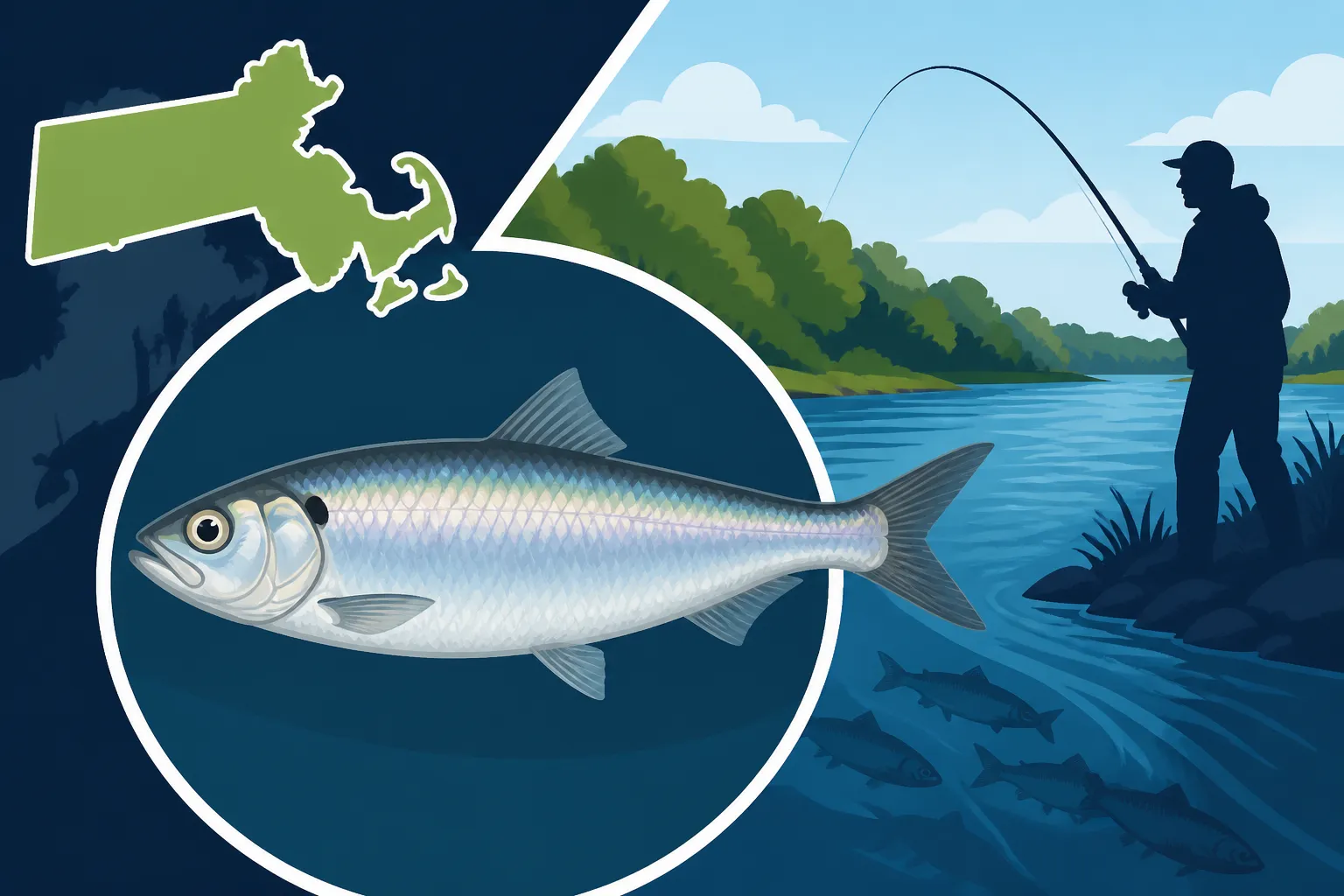
When we talk about "river herring," we're actually referring to two distinct but very similar species: the alewife (Alosa pseudoharengus) and the blueback herring (Alosa aestivalis). Both belong to the shad and herring family, Clupeidae, which is known for its schooling, filter-feeding fish. They are small to medium-sized fish, typically growing to about 10 to 15 inches in length, with a slender, somewhat compressed body. Their scales are silvery, often with a slightly darker, bluish-green back, giving them excellent camouflage in both fresh and saltwater.
The subtle differences between alewives and bluebacks are often best seen up close. Alewives tend to have a larger eye relative to their head and a deeper body than bluebacks. They also have a lighter, sometimes silvery, peritoneum (the lining of their abdominal cavity). Bluebacks, on the other hand, usually have a smaller eye, a more streamlined body, and a dark, almost black, peritoneum. While these distinctions might seem minor, they are important for scientific study and management, even if they often school together and share similar life histories.
Anadromous Travelers: Their Unique Life Cycle
The most defining characteristic of river herring is their "anadromous" nature. This fancy scientific term simply means they are born in freshwater, migrate out to the ocean to live and grow for most of their adult lives, and then return to freshwater to spawn. It's a journey that speaks to their resilience and incredible instinct.
Young river herring hatch from eggs laid in the shallow, often slow-moving waters of rivers, streams, and ponds. They spend their first few months growing in these freshwater nurseries before making their downstream journey to the Atlantic Ocean, typically in late summer or early fall. Out in the vast saltwater environment, they mature, feeding on plankton and small invertebrates, building up the energy reserves they'll need for their return trip. After several years at sea, usually between three to five years, the adults feel the irresistible pull of their natal waters, commencing their arduous upstream migration in the spring, ready to continue the cycle. This remarkable journey is why they are called "river" herring, a nod to their essential connection to our inland waterways.
Why River Herring Are So Crucial to Massachusetts' Ecosystems
River herring are not just another fish; they are truly a keystone species. This means their presence, or absence, profoundly impacts the health and stability of many other species and the ecosystem as a whole. Their annual migration brings a massive influx of biomass and energy from the ocean into our freshwater systems, creating a cascading effect throughout the food web.
The Spring Migration Spectacle and Its Importance
Each spring, typically from late March through May, Massachusetts rivers come alive with the incredible spectacle of the river herring migration. Driven by warming water temperatures and an ancient instinct, thousands, sometimes hundreds of thousands, of these fish leave the ocean and surge upstream. They navigate rivers, climb fish ladders around dams, and push into ponds and lakes, all with one goal: to reproduce. It's an epic journey, a testament to nature's enduring power, and if you've ever witnessed a strong herring run, you know it's something truly special. For a closer look at where these amazing migrations happen, check out River Herring Runs in Massachusetts.
This influx of herring is not just a pretty sight; it's a vital nutrient transfer. They bring a huge pulse of marine-derived energy into freshwater environments that have been relatively dormant over the winter. This fresh influx of protein and nutrients kickstarts the entire ecosystem, providing sustenance for countless creatures at a critical time of year. Without these runs, many freshwater and terrestrial predators would struggle to find food for themselves and their young. This ecological phenomenon is so significant that Why herring runs are protected in Massachusetts is a topic of great importance.
A Keystone Species: Feeding a Multitude of Predators
Imagine a buffet laid out every spring, overflowing with delicious, protein-rich food. That's what river herring are to a vast array of predators in both fresh and saltwater environments. In the ocean, they form immense schools that are a primary food source for highly sought-after game fish like striped bass, bluefish, cod, and even mighty bluefin tuna. Without abundant river herring, these larger fish would have significantly less to eat, impacting their growth, survival, and migratory patterns. Many anglers know that finding "the bait" – often schools of herring – is key to finding the game fish they pursue.
Their importance extends far beyond the aquatic realm. As river herring make their way upstream to spawn, they become a critical food source for a diverse group of terrestrial and avian predators. Ospreys, bald eagles, gulls, and cormorants gorge themselves on the silvery fish, using the energy to fuel their own breeding seasons. Otters, foxes, and even black bears living near coastal rivers will often line the banks, eager to snatch a herring making its upstream journey. They are a true keystone species, connecting entire ecosystems and ensuring the health and vibrancy of our natural world.
Identifying River Herring and Distinguishing Them from Look-Alikes
Proper fish identification is an essential skill for any angler, especially when dealing with species like river herring that are highly protected. Knowing what you've caught ensures you're following regulations and contributing to conservation efforts. River herring can sometimes be confused with other silvery fish that inhabit Massachusetts waters, so let's break down how to tell them apart.
Key Physical Characteristics to Look For
While alewives and blueback herring are distinct species, they share many similarities that generally allow us to identify them as "river herring." Both have a deeply forked tail, a single dorsal fin, and a relatively small mouth. They also possess a noticeable dark spot just behind the gill cover. However, to differentiate between the two specific types of river herring, you need to look a bit closer:
- Alewife (Alosa pseudoharengus): Generally has a deeper body, appearing somewhat stockier. Its eye is relatively large, extending beyond the rear margin of the mouth when viewed from the side. The peritoneum (abdominal lining) is typically pale or silvery.
- Blueback Herring (Alosa aestivalis): Tends to be more slender and torpedo-shaped. Its eye is smaller, usually not extending beyond the rear margin of the mouth. The peritoneum is dark, often black.
These distinctions, while subtle, are consistent. If you catch a silvery fish that fits the general description of a river herring, carefully examine these features. Remember, if in doubt, it’s always best to release the fish unharmed.
Spotting the Difference: Herring vs. Shad and Other Fish
River herring are often confused with other members of the Alosa genus, particularly American Shad (Alosa sapidissima). Both are anadromous and make spring migrations, and they share a similar silvery appearance. However, there are clear ways to tell them apart:
- Mouth and Jaw Structure: This is often the easiest differentiator. American Shad have a deeply notched upper jaw that fits into a corresponding notch in the lower jaw, creating a distinct "underbite" look. River herring, conversely, have a more typical mouth where the upper jaw does not have this deep notch.
- Size: American Shad grow significantly larger than river herring, often reaching 20-30 inches and weighing several pounds, whereas river herring rarely exceed 15 inches.
- Body Shape: While both are somewhat compressed, shad tend to have a more pronounced keel (a sharp ridge along the belly) and a deeper body overall compared to the generally more streamlined river herring. For more details on these larger, related species, you might find American Shad in the Connecticut River useful, and you can learn about their migrations by checking When the shad run happens on the Connecticut River.
You might also confuse small river herring with white perch or even juvenile striped bass, especially if you're not paying close attention. White perch have more distinct dorsal fins and lack the large scales and the dark spot behind the gill cover characteristic of river herring. Juvenile striped bass have prominent horizontal stripes running along their bodies, which river herring lack entirely.
Here's a quick comparison table to help:
| Feature | Alewife (River Herring) | Blueback Herring (River Herring) | American Shad | White Perch | Juvenile Striped Bass |
|---|---|---|---|---|---|
| Size (typical) | 10-15 inches | 10-15 inches | 20-30 inches | 6-12 inches | Varies, often under 18 inches |
| Body Shape | Deeper, stockier | More slender, streamlined | Deep, compressed, distinct keel | Oval, stocky, two dorsal fins | Elongated, silvery, distinct stripes |
| Eye Size | Large, extends past mouth | Smaller, does not extend past mouth | Moderate | Moderate | Moderate |
| Peritoneum | Pale/Silvery | Dark/Black | Pale/Silvery | N/A | N/A |
| Jaw Structure | Upper jaw without deep notch | Upper jaw without deep notch | Deeply notched upper jaw | Standard | Standard |
| Distinct Markings | Single dark spot behind gill | Single dark spot behind gill | None prominent | None prominent | 7-8 prominent dark stripes |
| Anadromous | Yes | Yes | Yes | Yes (brackish to fresh) | Yes |
Protecting River Herring: Regulations, Conservation, and Angler Responsibility
The populations of river herring have faced significant challenges over the past century, largely due to damming of rivers (blocking their migration routes), habitat degradation, pollution, and historical overfishing. While some populations have shown signs of recovery thanks to dedicated conservation efforts, they remain vulnerable. This is why strict regulations and angler awareness are absolutely paramount.
Massachusetts Regulations and the Need for Protection
In Massachusetts, the recreational harvest of river herring (both alewife and blueback herring) is prohibited in all inland and coastal waters. This means that if you catch a river herring, you must release it immediately and unharmed. There are also strict controls on commercial harvest, often with quotas, specific gear requirements, and designated seasons, though these are largely for monitoring and specific management purposes, not for widespread commercial fishing for direct human consumption. These measures are in place because river herring populations are still recovering and are vital for the health of other fisheries and the broader ecosystem.
It’s crucial for all anglers to understand and abide by these rules. Whether you can keep river herring in Massachusetts is a straightforward "no" for recreational anglers. Ignorance of the law is never an excuse, and violating these regulations can lead to significant penalties. Always consult the official MassWildlife and Massachusetts Division of Marine Fisheries guidelines for the most up-to-date information, which can often be found in the Massachusetts Recreational Fishing Rules and Bag Limits or the Massachusetts Fishing Regulations Pamphlet, Explained.
How Anglers Can Contribute to Conservation
As anglers, we have a direct connection to the health of our waterways and the fish within them. Our actions can make a real difference in the recovery and long-term sustainability of river herring. Here are some ways you can contribute:
- Practice Responsible Catch and Release: If you accidentally catch a river herring while targeting other species (which is common, especially if you're fishing near a herring run), handle it with extreme care. Minimize its time out of the water, use wet hands to hold it, and quickly release it. Consider using de-barbed hooks or circle hooks, especially if you know you're fishing in an area where herring might be present, as these can significantly reduce harm. A good pair of long-nosed pliers or a hook remover, like those available on Amazon, can be invaluable for safely unhooking fish without excessive handling.
- Report Sightings and Violations: If you witness illegal harvesting of river herring or see fish struggling due to blocked passages, report it to MassWildlife or the Division of Marine Fisheries. Your observations can provide critical data for conservation officers.
- Support Habitat Restoration: Advocate for projects that remove obsolete dams or install fish ladders, which open up historical spawning grounds for river herring. Many local conservation groups work tirelessly on these efforts, and supporting them through volunteering or donations helps immensely.
- Stay Informed: Keep yourself updated on fishing regulations and the conservation status of local fish populations. A valid Massachusetts Fishing License Guide is your entry point to responsible angling and includes resources to keep you informed. Understanding the broader context of the species you encounter makes you a more effective steward of our natural resources.
- Educate Others: Share your knowledge with fellow anglers and community members. The more people who understand the importance of river herring and their protected status, the better.
By taking these steps, anglers can play a vital role in ensuring that these incredible, silvery travelers continue their annual migrations, enriching our Massachusetts ecosystems for generations to come.
Disclaimer
This article is for general informational purposes only and does not constitute professional advice. Laws, prices and regulations vary by location and change over time. Consult a qualified professional for guidance on your specific situation.