Whether winter flounder fishing has declined in Massachusetts
It's a question many of us seasoned anglers, and even those just starting out, have been asking with a growing sense of worry: has winter flounder fishing truly declined in Massachusetts? For generations, these subtle, delicious flatfish were a staple of our spring and fall fishing outings, a reliable target that brought joy and dinner to countless families. But lately, it feels like finding a good patch of flounder has become a real challenge, leaving many of us wondering if the good old days are simply gone. This guide dives deep into the state of winter flounder in our waters, exploring what's happening and what it means for Massachusetts anglers like us.
Understanding Winter Flounder and Their Massachusetts Habitat
Winter flounder, Pseudopleuronectes americanus, are an iconic part of the Massachusetts coastal ecosystem. They’re often among the first fish we target in the chilly waters of early spring, signaling the start of another fantastic fishing season. But to understand their current situation, we first need to appreciate their history and their place in our local waters.
The Life Cycle and Preferred Environments of Winter Flounder
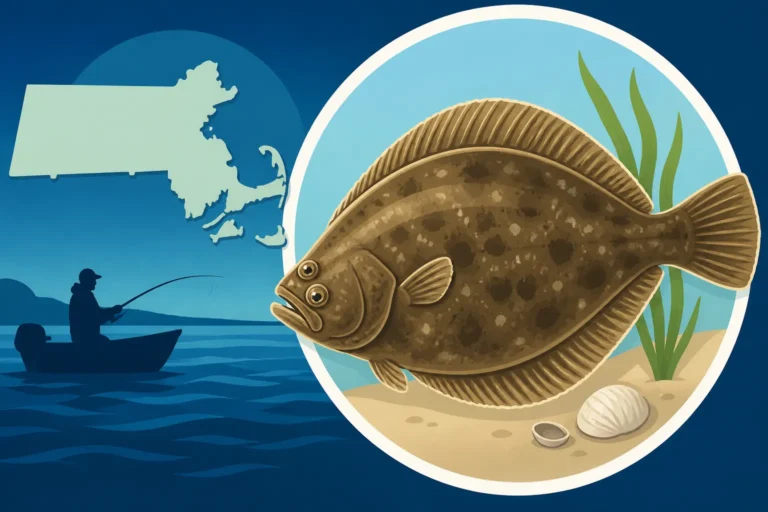
These bottom-dwelling fish have a fascinating life cycle. Unlike many of the more transient species we chase, winter flounder are relatively sedentary, preferring to stick close to home in shallow, inshore waters. They thrive in sandy or muddy bottoms, often around eelgrass beds, estuaries, and bays, where they can camouflage themselves perfectly against the seabed. As their name suggests, they’re cold-water fish, spawning in late winter and early spring when water temperatures are still quite low. This spawning behavior often brings them into very accessible areas, making them a popular target for shore anglers and boaters alike.
Their diet primarily consists of small invertebrates like marine worms, amphipods, and small crustaceans, which they patiently ambush from their camouflaged positions. If you've ever cleaned a flounder, you know how incredibly flat they are, allowing them to literally melt into the seabed. This unique adaptation, coupled with their preference for specific habitats, means they are particularly vulnerable to changes in those environments. Think about how a change in the bottom, or a loss of those crucial eelgrass beds, could directly impact where they live and feed.
Historical Significance of Winter Flounder to Massachusetts Anglers
For decades, winter flounder were synonymous with spring fishing in Massachusetts. I remember my grandfather telling me stories of heading out to Quincy Bay or the tidal flats of the North Shore, returning with coolers full of these delectable fish. It wasn’t just about the catch; it was the ritual, the anticipation of those first warm days, the simple pleasure of anchoring in a quiet cove and feeling the subtle tug of a flounder.
Recreational anglers often targeted them from docks, piers, small boats, and even the surf. My first taste of saltwater fishing was a simple high-low rig tipped with a chunk of clam, dropped from a small skiff in a protected bay, waiting for that unmistakable tap-tap-pull of a flounder. Commercially, they also played a significant role, contributing to our local seafood markets and providing a livelihood for many coastal communities. They were readily available, relatively easy to catch for beginners, and a true culinary delight, making them a cornerstone of Massachusetts' fishing heritage. The collective memory of these abundant fish makes their current scarcity even more poignant for many of us. If you're looking to understand more about this specific species, I encourage you to check out our deep dive: What winter flounder is.
The Reality of Declining Winter Flounder Stocks in Massachusetts
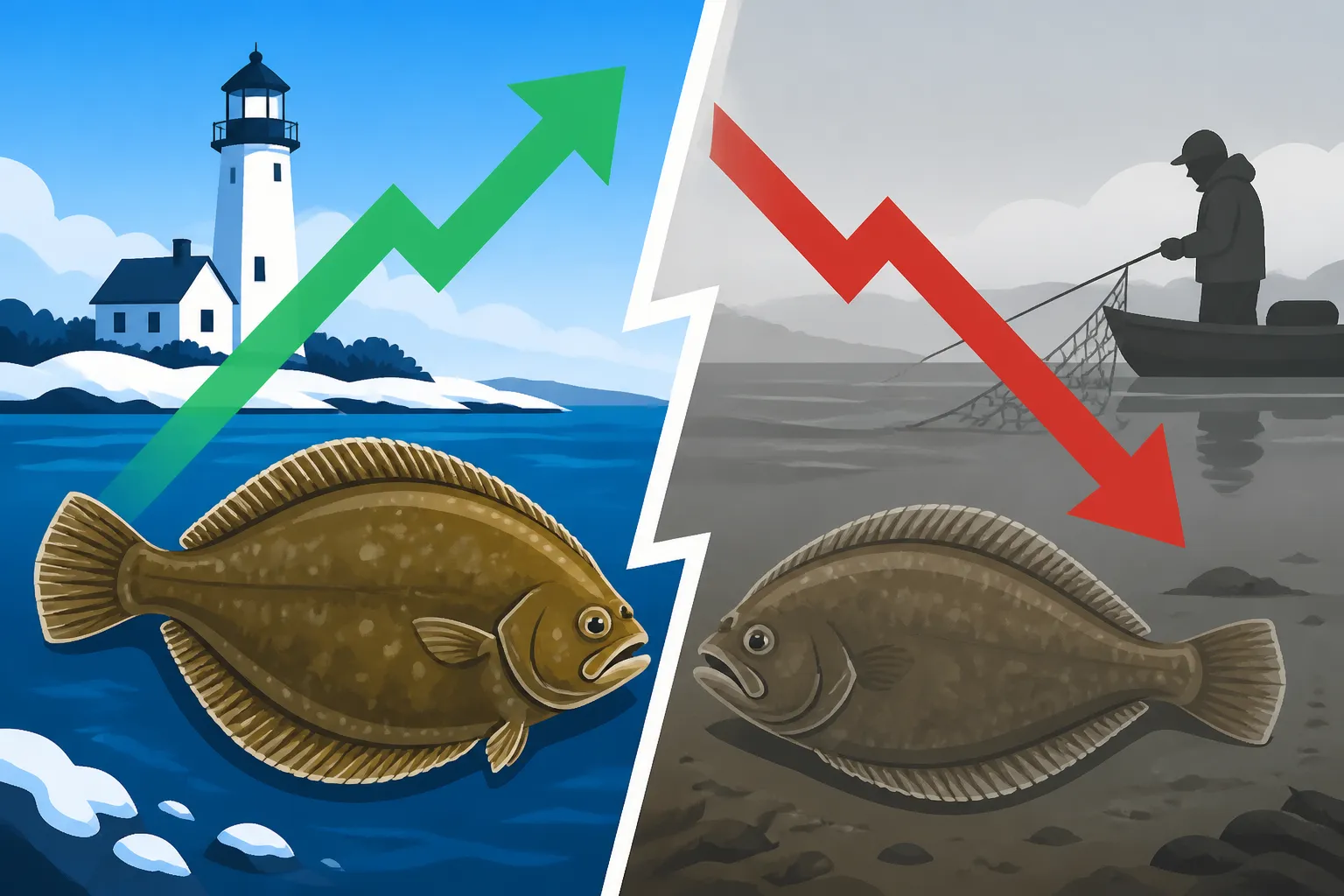
Now, let's address the elephant in the room: yes, the general consensus among both scientific researchers and the fishing community is that winter flounder populations in Massachusetts, and indeed across much of the southern New England and Mid-Atlantic regions, have seen a significant decline. It's not just a feeling; the numbers and observations paint a pretty clear picture.
What the Science and Angler Observations Tell Us
From a scientific standpoint, stock assessments conducted by agencies like the National Marine Fisheries Service (NMFS) and regional bodies like the Atlantic States Marine Fisheries Commission (ASMFC) have consistently indicated that winter flounder stocks are at historically low levels in many areas. These assessments use data from commercial landings, recreational catch surveys, and scientific trawl surveys to estimate population sizes. The results have led to stricter regulations and management plans in an effort to rebuild the species.
But you don't need a scientific report to tell you what your own eyes can see on the water. Talk to any angler who has been fishing Massachusetts for a few decades, and they'll likely lament the disappearance of flounder from their favorite spots. The once-bustling flounder derbies are fewer and further between, and the sheer number of fish being caught by individual anglers has plummeted. Where you once might have expected a dozen or more keeper flounder in a few hours, now you might be thrilled with one or two, if any at all. This anecdotal evidence, while not scientific in itself, aligns strikingly with the official data, underscoring a very real and disheartening trend.
Factors Contributing to the Decline
The reasons behind this decline are complex and multi-faceted, making a simple solution elusive. It's rarely one single culprit, but rather a combination of environmental pressures and human activities.
- Habitat Loss and Degradation: As mentioned, winter flounder rely heavily on specific inshore habitats. Coastal development, dredging, pollution from runoff, and changes to estuarine environments have all contributed to the loss or degradation of crucial spawning and nursery grounds, particularly eelgrass beds. These areas are vital for juvenile flounder to grow and survive.
- Climate Change and Warming Waters: This is a major factor often cited by scientists. Winter flounder are cold-water species. As ocean temperatures in our region continue to rise, these fish face increasing stress. Warmer waters can affect their metabolism, reproductive success, and the availability of their preferred food sources. It can also push them further north into cooler waters, away from their traditional Massachusetts grounds.
- Predation: Changes in the broader ecosystem can also play a role. For example, an increase in predator populations like striped bass or seals, combined with a diminished flounder population, could put even more pressure on the remaining fish.
- Historical Overfishing: While regulations are much stricter now, historical overfishing, particularly during periods of higher abundance and less stringent management, undeniably contributed to reducing the baseline population. It's harder for a stock to recover if it's already been significantly depleted.
- Bycatch: Even with targeted fishing, flounder can sometimes be caught as bycatch in other fisheries, especially those using bottom trawling gear, further impacting their numbers.
Understanding these interconnected factors highlights why rebuilding these populations is such a challenging endeavor.
Impact on Recreational and Commercial Fishing
The decline of winter flounder has had tangible consequences for both recreational anglers and commercial fishermen in Massachusetts.
For recreational anglers, it means fewer opportunities and often more challenging fishing. The joy of a productive flounder outing has, for many, been replaced with more specialized trips, or a complete shift to other species. It impacts bait shops, tackle suppliers, and local businesses that rely on the influx of anglers during flounder season. Many folks used to stock up on their favorite flounder rigs and clam bait at their local shop, or even grab some new line on Amazon. Now, that specific gear isn't as high on the shopping list. If you're wondering about the rules that govern keeping these fish, take a look at our guide on Massachusetts Saltwater Bag Limits by Species.
Commercially, the impact has been even more severe. With dwindling stocks, stricter quotas and shorter seasons have been implemented, making it increasingly difficult for commercial fishermen to target winter flounder profitably. Many have had to adapt, diversify their catches, or even leave the industry entirely. This loss affects not only their livelihoods but also the cultural fabric of our coastal communities, where flounder fishing was once a proud tradition.
Conservation Efforts and Management Strategies
Given the clear signs of decline, various efforts have been put in place to try and reverse the trend for winter flounder. It's a testament to the dedication of conservationists, scientists, and even concerned anglers that these measures are being taken.
How Massachusetts is Responding to the Decline
Massachusetts, in conjunction with federal and regional fisheries management bodies, has implemented a suite of regulations and conservation strategies. These often include:
- Size Limits: Minimum size limits are in place to ensure that fish have at least one opportunity to spawn before being harvested. This allows them to contribute to the next generation of flounder.
- Bag Limits: Recreational anglers face daily bag limits, restricting the number of fish they can keep. This directly reduces the overall harvest. Similarly, commercial fishermen are subject to strict quotas.
- Seasonal Closures: Specific seasons are often established when fishing for winter flounder is prohibited, particularly during critical spawning periods, to give the fish undisturbed time to reproduce. These regulations are updated regularly, so always check the latest Massachusetts Fishing Regulations Pamphlet, Explained before heading out.
- Habitat Restoration Projects: Efforts are underway to restore and protect crucial inshore habitats like eelgrass beds. These projects are vital for providing healthy nursery and feeding grounds for juvenile flounder.
- Research and Monitoring: Continuous scientific research and monitoring are essential to better understand flounder populations, their migration patterns, and the factors affecting their health. This data then informs future management decisions.
These measures aren't always popular, especially when they mean fewer fish in the cooler, but they are deemed necessary for the long-term survival and potential recovery of the species. For specific details on permits, you'll definitely want to read Massachusetts Saltwater Recreational Fishing Permit Explained.
The Role of Anglers in Conservation
As recreational anglers, we have a significant role to play in the conservation of winter flounder, even if it feels small sometimes. Every action we take on the water can contribute to the bigger picture.
- Know and Follow Regulations: This is paramount. Always be aware of the current size limits, bag limits, and seasons for winter flounder. These can change, so a quick check of the MassWildlife or Division of Marine Fisheries websites before your trip is always a good idea. Understanding when the Massachusetts Saltwater Fishing Seasons are open is crucial.
- Practice Catch and Release: When you're targeting flounder, consider releasing healthy fish, especially if you've already met your bag limit or if you're specifically targeting them for sport. Handle them gently, minimize their time out of the water, and use appropriate de-hooking tools.
- Use Appropriate Gear: Using lighter tackle when appropriate can reduce stress on the fish. Also, employing circle hooks can minimize gut-hooking, improving the survival rate of released fish. You can find a good selection of specialized flounder rigs and circle hooks on Amazon.
- Report Violations: If you witness illegal fishing activity, report it to environmental police. Protecting the resource is a shared responsibility.
- Support Conservation Organizations: Many local and regional organizations are working on habitat restoration and fisheries advocacy. Supporting them, either through membership or volunteering, can make a real difference.
- Educate Others: Share your knowledge about responsible fishing practices and the importance of conservation with fellow anglers, especially newer generations.
Our collective commitment to ethical fishing practices is a powerful tool in supporting the recovery of winter flounder.
Adapting Your Approach: Still Finding Flounder in Massachusetts
While the overall picture for winter flounder may seem bleak, it doesn't mean you can't still find them in Massachusetts waters. It simply means you need to adapt your approach, be more strategic, and understand that success might look different than it did a couple of decades ago.
Best Practices for Targeting Remaining Populations
If you're still determined to catch winter flounder, here are some strategies that can improve your chances:
- Focus on Prime Habitat: Look for areas with clean sandy or muddy bottoms, especially adjacent to eelgrass beds. Estuaries, harbors, and protected coves are key. Pay attention to charts and local knowledge. Some of the Best Saltwater Fishing Spots on Cape Cod, Massachusetts might still hold populations, but you'll need to do your homework.
- Time Your Trips: Early spring and late fall, when water temperatures are optimal for flounder, will generally offer the best opportunities. Target incoming tides, especially the first few hours, as these fish often move into shallower areas to feed. For a deeper dive into timing, check out How to fish for winter flounder in Massachusetts.
- Use Fresh, Natural Baits: Winter flounder are not picky, but they do prefer natural, fresh baits. Clams (shucked and cut into strips), sea worms, and small pieces of squid are all highly effective. Presentation matters: use small, sharp hooks (like a number 6 or 8 snell hook) on a light, traditional high-low rig to keep your bait close to the bottom.
- Fish Light: Don't overpower your tackle. A light to medium-light spinning rod paired with a reel spooled with 6-10 lb test monofilament or braided line will allow you to feel those subtle flounder bites. Plus, it makes the fight more enjoyable. You can find some great light tackle setups on Amazon that are perfect for this.
- Be Patient and Thorough: Flounder fishing is often a game of patience. Let your bait sit, but also try a slow, deliberate drift or a very slow retrieve to cover more ground. Anchor upcurrent or uptide from your target zone and let your bait drift back into it. If you're looking for specific timing for different areas, our guide on the Best season for winter flounder near Boston might be helpful.
Alternative Species to Target
Given the challenges with winter flounder, many anglers have pivoted to targeting other species that are more abundant or offer a different kind of challenge. Massachusetts waters are incredibly diverse, offering a wealth of options.
- Summer Flounder (Fluke): As the waters warm, summer flounder become a prime target. These larger, more aggressive flatfish offer excellent sport and are delicious table fare. They prefer sandy or gravelly bottoms and are often caught by drifting with bucktail jigs tipped with Gulp! or strips of squid. Understanding the Difference between fluke and flounder is helpful, as their behaviors and preferred habitats differ.
- Striped Bass: The king of our inshore waters, striped bass are widely available and offer incredible fights. They can be targeted from shore, boat, or kayak using a variety of techniques, from live bait to artificial lures.
- Bluefish: For sheer adrenaline, bluefish are hard to beat. They are aggressive, strong fighters and readily attack a wide range of lures and baits.
- Tautog: Another delicious bottom fish, tautog (or blackfish) are found around rocky structures, wrecks, and mussel beds. They require a specific approach, often involving green crabs or hermit crabs as bait, and a quick hookset.
- Scup (Porgy): These prolific panfish are abundant in many Massachusetts saltwater areas and offer fantastic action, especially for kids or those looking for consistent bites. They are often found in schools over rocky or shelly bottoms and respond well to clam or squid baits.
While the decline of winter flounder is undeniably sad, Massachusetts still offers a rich tapestry of fishing opportunities. Adapting your targets and techniques allows you to continue enjoying the incredible angling experiences our state provides. Sometimes, a general search for "Massachusetts fishing gear" on Amazon can reveal new tackle ideas for these other species, opening up new avenues for your fishing adventures.
The story of winter flounder in Massachusetts is one of change and challenge, but also of ongoing conservation efforts. While their numbers are certainly not what they once were, there's a collective will to see these fish recover. By understanding the issues, adapting our practices, and continuing to support conservation, we can all play a part in safeguarding the future of our precious marine resources.
Disclaimer
This article is for general informational purposes only and does not constitute professional advice. Laws, prices and regulations vary by location and change over time. Consult a qualified professional for guidance on your specific situation.