Where to find walleye in Massachusetts
Many anglers across Massachusetts find themselves scratching their heads when it comes to walleye. It's a common frustration to hear whispers of these toothy predators in certain waters, only to cast endlessly without a bite, leading many to believe walleye are simply a myth here. This guide is dedicated to demystifying walleye fishing in the Bay State, revealing where you might actually encounter these elusive fish and providing solid, actionable strategies to improve your chances of success.
The Elusive Walleye in Massachusetts: A Realistic Look
Let's be honest, Massachusetts isn't exactly renowned as a walleye fishing mecca. Unlike states further west in the Great Lakes region or the Midwest, where walleye are a dominant species, they are a much rarer catch in our neck of the woods. This reality can be disappointing for anglers eager to add walleye to their species list, but it also makes catching one here a truly special achievement. Understanding why they're so elusive is the first step toward finding them.
Why Walleye are a Challenge to Find Here
Walleye naturally thrive in large, cooler lakes and rivers, typically with rocky bottoms, ample forage, and good water clarity – conditions that aren't universally abundant or consistently ideal across Massachusetts. Our waters are often better suited for other popular game fish like largemouth bass, trout, and various panfish. While the state's wildlife agency, MassWildlife, has undertaken stocking efforts over the years to introduce and bolster walleye populations, these efforts have had varying degrees of success. Many stocked locations never developed into self-sustaining fisheries, and walleye are a challenging species to establish, especially when faced with competition from more dominant native or well-established introduced species. This means that while walleye might exist in some places, their numbers are often low, making them notoriously difficult to target consistently.
Furthermore, walleye are primarily nocturnal or crepuscular (active at dawn and dusk), which means they're often most active when many anglers are packing up for the day or haven't even arrived yet. Their light-sensitive eyes make them prefer low-light conditions, deep water, or stained water during the day, adding another layer of challenge to locating them. You won't find them schooling up visibly like mackerel or cruising the shallows like bass during midday. Patience and persistence, especially during non-peak daylight hours, become paramount when pursuing these fish in Massachusetts.
Debunking Myths About Walleye in Massachusetts
The biggest myth surrounding walleye in Massachusetts is that they don't exist at all. While they might not be widespread, it's simply not true. There are indeed waters where MassWildlife has successfully established, or at least maintained, a fishable population. The problem isn't their complete absence, but rather their limited distribution and relatively low density compared to other species. Many anglers spend years fishing their favorite spots without ever considering walleye because the conditions don't scream "walleye habitat," or they simply don't have the gear or knowledge to target them effectively.
Another common misconception is that if you happen to catch one, it must be a fluke, a lone fish that wandered in. While this could be true in some fringe areas, in the known walleye waters, there is an actual population, however small. These fish are typically sustained through ongoing stocking programs by MassWildlife, rather than entirely natural reproduction. It's important to differentiate between a truly incidental catch in an unstocked pond and actively targeting a known, albeit challenging, population. Knowing where the state puts its stocking efforts is key, which is why resources like the Massachusetts Fishing Regulations Pamphlet, Explained can be incredibly helpful.
Key Walleye Waters in Massachusetts: Where to Focus Your Search
When it comes to walleye in Massachusetts, there's one location that consistently rises to the top as the place to legitimately target them. Beyond that, other possibilities are often more speculative, relying on historical stockings or incidental catches.
Lake Chauncy: The Primary Hotspot
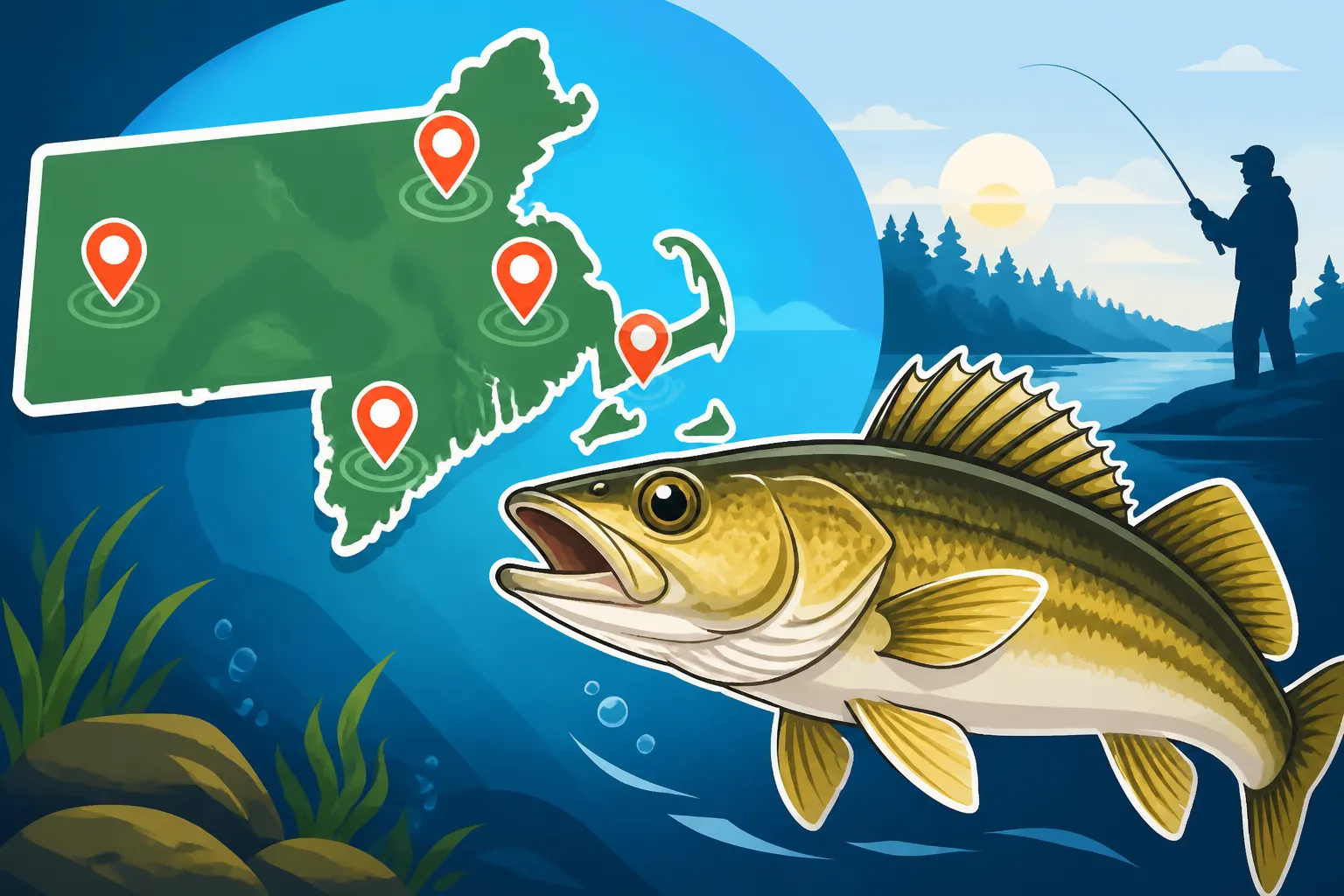
If you're serious about catching a walleye in Massachusetts, Lake Chauncy in Westborough is almost certainly where you should focus your efforts. MassWildlife has actively stocked walleye here for years, and it consistently produces catches for dedicated anglers. Lake Chauncy is a moderately sized, relatively deep lake for Massachusetts standards, with areas that provide the kind of structure and forage that walleye prefer. It has a good mix of deeper sections, submerged humps, rocky points, and weed lines that can hold fish.
Anglers targeting Lake Chauncy often report success trolling crankbaits or presenting live bait (like shiners or nightcrawlers) with a slip bobber or bottom rig, especially around dusk and into the night. It's a challenging lake to fish, as are most walleye fisheries with lower densities, but the rewards are there. Don't expect to limit out quickly, but persistent effort, particularly during prime walleye activity windows, significantly increases your odds. Access is available via a public boat ramp, making it accessible for boat anglers, which is often the most effective way to cover water and find fish here.
Other Potential (But Limited) Walleye Waters
While Lake Chauncy is the clear front-runner, historical stocking records and anecdotal evidence suggest a few other bodies of water might occasionally yield a walleye. However, these are often not considered reliable fisheries.
- Connecticut River: As a major waterway that connects to other states where walleye are more prevalent, it's not entirely out of the question for a walleye to be caught in the Massachusetts stretch of the Connecticut River. However, these would largely be transient fish or remnants of older, less successful stocking programs, rather than a robust, resident population. The vastness of the river makes targeting them even more difficult here, as you'd be looking for a needle in a haystack.
- Quabbin Reservoir: Historically, walleye were stocked in Quabbin, and some truly monstrous fish were caught many years ago. However, the current management focus and the success of other species like trout and salmon mean that walleye are rarely, if ever, reported with consistency anymore. While the reservoir's immense size and deep, cold waters could theoretically support them, it's not a practical target for walleye today. For Quabbin, most anglers will be focused on trout, salmon, and smallmouth bass, especially given the Quabbin Reservoir Fishing Permits and Rules in Massachusetts that must be followed.
It's crucial to manage expectations for these "other" locations. If you're out fishing the Connecticut River for smallmouth bass or the Quabbin for trout, and you happen to hook a walleye, consider it a rare bonus! But if walleye is your specific target, Lake Chauncy remains your best bet in the state. For information on general freshwater fishing rules, check out the Massachusetts Freshwater Fishing License Costs and Rules guide.
Understanding Stocking Programs and Their Impact
MassWildlife's stocking programs are the lifeblood of walleye fishing in Massachusetts. Unlike many species that reproduce naturally in our waters, the presence of walleye is almost entirely dependent on these efforts. Typically, MassWildlife will stock fingerlings (young fish) into designated waters, hoping they will grow to catchable size. The success of these programs depends on many factors: water quality, available forage, predation, and competition from other fish.
The agency continually evaluates its stocking strategies. When a particular stocking site doesn't show promising returns or when resources are limited, efforts might be shifted. This is why staying informed about MassWildlife's current stocking reports and management plans is important for any angler hoping to target walleye. While specific stocking dates or numbers are often focused on more common species like trout, any mention of walleye in official reports is a strong indicator of where to concentrate your efforts. Knowing your Massachusetts Fishing License Requirements by Age and possessing a valid license is always essential, regardless of what you're targeting.
Essential Tactics for Massachusetts Walleye
Since walleye are somewhat of a specialty fish here, adapting your tactics is crucial. You can't just throw out a worm and expect to hook into one like you might with a sunfish. Targeting these fish requires a more deliberate and often patient approach.
Best Times and Conditions for Walleye
As mentioned earlier, walleye are notoriously light-sensitive. This means your best opportunities will almost always be during low-light conditions.
- Dawn and Dusk: These are prime times when walleye move into shallower feeding areas from their deeper daytime haunts. The fading or emerging light offers them a tactical advantage over their prey and reduces their discomfort.
- Night Fishing: This is often when dedicated walleye anglers find their greatest success. Under the cover of darkness, walleye are at their most active, often patrolling flats and structure closer to the surface. If you're boat fishing on Lake Chauncy, consider starting your trip late in the afternoon and fishing well into the evening.
- Overcast Days: Heavily overcast or rainy days can mimic low-light conditions, extending the walleye's feeding window throughout the day.
- Water Temperature: Walleye are cool-water fish. They tend to be most active when water temperatures are in the 50-70 degree Fahrenheit range. This means spring and fall are often more productive seasons than the heat of mid-summer, though they can still be caught in summer by targeting deeper, cooler water. Check out Massachusetts Fishing Seasons Explained for more general seasonal insights.
Effective Lures and Live Bait Strategies
Walleye are opportunistic feeders, but they do have preferences. Matching the forage in a particular waterbody is always a good strategy.
- Live Bait: This is arguably the most consistent producer for walleye, especially when they're finicky.
- Shiners and Small Minnows: Rigged with a slip bobber or a bottom bouncing rig, these are incredibly effective. A slip bobber allows you to present the bait at a precise depth, which is critical when walleye are holding just off the bottom or suspended over structure.
- Nightcrawlers: Fished on a spinner rig (like a Crawler Harness) or just threaded onto a hook with a weight, nightcrawlers are a classic walleye bait, especially when trolled slowly.
- Lures:
- Jigs: Tipped with a minnow, a piece of nightcrawler, or a soft plastic grub, jigs are versatile and can be fished vertically or cast and retrieved. Colors like chartreuse, white, and dark patterns often work well. Many specialized walleye jigs can be found on online retailers like Amazon.
- Crankbaits and Stickbaits: These are excellent for trolling or casting, mimicking baitfish. Deep-diving models are great for reaching walleye in deeper water or when trolling. Look for natural baitfish patterns or bright, contrasting colors. Brands like Rapala, Berkley, and Rebel are popular choices and readily available.
- Blade Baits: These vibrating lures can be deadly for active walleye, especially when jigged vertically.
The key is often a slow, methodical presentation. Walleye aren't usually aggressive chasers like pike or smallmouth bass; they often prefer a meal that's easy to ambush.
Fishing from Shore vs. Boat
While shore fishing is always an option, a boat offers significant advantages when targeting walleye in Massachusetts.
- Boat Fishing:
- Access to Structure: Boats allow you to reach deeper water, submerged humps, channel edges, and offshore structure where walleye congregate during the day.
- Trolling: This is one of the most effective walleye techniques, allowing you to cover vast amounts of water to locate scattered fish. You can run multiple lines with different lures or baits at varying depths until you find what's working.
- Night Fishing Safety and Mobility: A boat provides a stable platform for night fishing, allowing you to safely navigate and fish after dark, which, as we discussed, is prime walleye time.
- Electronics: A fish finder is invaluable from a boat to locate depth changes, structure, and even schools of baitfish or individual walleye.
- Shore Fishing:
- Limited Access: Shore anglers are restricted to what's reachable from the bank, which often means shallower, less productive water during peak daylight hours.
- Best at Dawn/Dusk/Night: If fishing from shore, target areas with quick access to deeper water, points, or bottlenecks, and focus almost exclusively on low-light periods. Casting jigs or bottom rigs with live bait can be effective.
- Public Access: Ensure you're fishing from legal public access points. For general rules and locations for Best Freshwater Ponds and Lakes in Massachusetts, check out our related guides.
No matter your chosen method, remember that subtlety and patience are your best friends when walleye fishing in Massachusetts.
| Tactic/Condition | Description | Primary Benefit |
|---|---|---|
| Low-Light Hours | Target dawn, dusk, and night. Overcast/rainy days can extend feeding. Walleye's light-sensitive eyes make them more active in dim conditions. | Capitalizes on walleye's natural feeding patterns and visual advantage. |
| Live Bait | Shiners, minnows, or nightcrawlers fished on slip bobbers, bottom rigs, or spinner harnesses (e.g., Lindy Rigs). Present slowly and naturally. | Highly effective for finicky walleye; provides scent and lifelike action that artificial lures often lack. |
| Jigging | Use jigs tipped with live bait or soft plastics. Fish vertically over structure or cast and retrieve with a slow, hopping motion. Experiment with colors (chartreuse, white). | Versatile for various depths and conditions, allows precise bait presentation near structure. |
| Trolling | Best from a boat. Use crankbaits, stickbaits, or crawler harnesses. Cover large areas at slow speeds (1-2 mph) to locate scattered fish and entice strikes. | Efficiently covers water to find active walleye, especially in larger lakes like Chauncy. |
| Structure Focus | Concentrate efforts around drop-offs, humps, rocky points, deep weed edges, and submerged timber. Walleye ambush prey from these areas. | Locates high-probability ambush points where walleye hide and feed. |
| Patience | Walleye are elusive in Massachusetts. Be prepared for slow periods and persevere. A single bite can make the whole trip worthwhile. | Essential for success when targeting a low-density, challenging species. |
Gear Up for Walleye Success: What You'll Need
Having the right equipment can significantly improve your chances and make the experience more enjoyable. While you don't need highly specialized gear, certain items are definitely helpful.
Rod, Reel, and Line Selection
For walleye, a balanced setup that offers sensitivity and enough backbone to handle a good fish is key.
- Rods: A medium-light to medium power spinning rod, typically 6'6" to 7'6" in length, with a fast action tip, is ideal. The fast action allows for sensitive bite detection, which is crucial for subtle walleye bites, while the medium power provides enough strength for a solid hookset and fighting a fish. For trolling, a slightly heavier medium-action baitcasting rod might be preferred.
- Reels: A good quality spinning reel in the 2000-3000 series is a perfect match for a medium-light spinning rod. Look for smooth drag and reliable operation. Brands like Shimano, Daiwa, or Penn offer excellent options. You can often find a wide selection of quality spinning reels on Amazon to suit various budgets.
- Line:
- Monofilament: A good all-around choice for its stretch, which can be forgiving with sensitive walleye mouths, and its ease of handling. 6-10 lb test is usually sufficient.
- Fluorocarbon: Offers low visibility and good abrasion resistance, making it an excellent leader material if using braided main line. It sinks, which can be beneficial.
- Braided Line: Offers superior sensitivity and strength for its diameter, making it great for detecting light bites in deeper water. Many anglers will use 10-20 lb test braided main line with a 6-10 lb fluorocarbon leader to combine sensitivity with stealth.
Electronics and Accessories
Modern electronics can be game-changers for walleye fishing, especially from a boat.
- Fish Finder/Sonar: Absolutely invaluable for locating drop-offs, humps, weed lines, and even schools of baitfish or individual walleye. Modern units with down imaging and side imaging can paint a detailed picture of the underwater terrain, helping you pinpoint those crucial ambush spots. There's a vast array of fish finders available, and you can browse different models and features on Amazon to find one that fits your needs.
- GPS: Often integrated into fish finders, GPS allows you to mark productive spots, navigate safely, and return to specific areas with precision, which is especially important during night fishing.
- Headlamp/Navigational Lights: Essential for safety and visibility if you're fishing at dawn, dusk, or night. Always ensure your boat has proper navigational lights if fishing after dark.
- Tackle Box/Storage: A well-organized tackle box or bag helps keep your specialized walleye lures, jigs, and live bait rigs organized and easily accessible. You can find durable and functional tackle storage solutions from brands like Plano or Bass Pro Shops, many of which are conveniently sold on Amazon.
- Net: A good landing net with a rubberized mesh is critical. Walleye have sharp teeth and can be slippery, and a rubber net helps protect the fish (if you're releasing) and prevents hooks from tangling.
Safety and Comfort on the Water
Fishing, especially on larger lakes or after dark, always comes with safety considerations.
- Personal Flotation Device (PFD): Always wear a PFD, especially when boating or kayak fishing, and particularly during colder months or at night. It's not just a recommendation; it's often a legal requirement.
- Layered Clothing: Massachusetts weather can be unpredictable. Dress in layers, especially when fishing during the cooler seasons or into the evening. Waterproof outerwear is also a good idea.
- First Aid Kit: Always have a basic first aid kit on hand for minor cuts or scrapes, particularly when dealing with sharp hooks or fish teeth.
- Fishing License: Make sure your Massachusetts Freshwater Fishing License Costs and Rules is current and in your possession. You definitely don't want a great day of fishing interrupted by a run-in with the wildlife police. Always adhere to the Massachusetts Freshwater Daily Catch Limits for any species you're targeting, including walleye, as regulations are in place to protect these valuable, albeit scarce, populations.
With the right mindset, a bit of research into local stocking efforts, and the appropriate gear, catching a Massachusetts walleye is an achievable goal. It might not be as easy as pulling a trout from a stocked pond, but the satisfaction of landing one of these elusive fish from our local waters is truly immense.
Disclaimer
This article is for general informational purposes only and does not constitute professional advice. Laws, prices and regulations vary by location and change over time. Consult a qualified professional for guidance on your specific situation.