Massachusetts Fishing Charter Costs
It's no secret that a fishing charter in Massachusetts can be an incredible experience, offering access to some of the best angling on the East Coast. However, one of the first questions that pops into every angler's mind, whether you're a seasoned veteran or planning your very first outing, is always about the cost. It can feel like navigating a maze of different boats, trip lengths, and species, all with varying price tags, and it’s tough to know what’s reasonable or what you’re truly getting for your money. This guide is here to untangle those complexities, helping you understand the factors that shape Massachusetts fishing charter costs so you can plan your perfect trip without any unwelcome surprises.
Understanding the Factors Influencing Charter Costs in Massachusetts
When you start looking into booking a fishing charter, you quickly realize there isn't one flat fee. The price you'll pay is a dynamic figure, shaped by a multitude of variables. It's like comparing the cost of a quick takeout meal to a multi-course gourmet dinner – both get you fed, but the experience, ingredients, and effort behind them are vastly different. Understanding these underlying factors is key to setting your expectations and finding a charter that truly fits your budget and fishing aspirations in the Bay State.
Boat Size, Type, and Amenities
The vessel itself plays a huge role in the overall cost. Think about it: a larger, more sophisticated boat requires more to purchase, maintain, fuel, and dock. A sleek, modern sportfisher, for instance, with its powerful engines, advanced electronics, and comfortable cabin, will naturally come with a higher price tag than a smaller, more utilitarian center console or a traditional head boat. These larger, often faster boats can cover more ground, reach distant fishing grounds quicker, and typically offer a smoother ride in choppy waters, enhancing your comfort and fishing time.
Then there are the amenities. Some charters are bare-bones, focusing purely on getting you to the fish. Others offer creature comforts like a full galley, air-conditioned cabins, private restrooms, and even entertainment systems. While these might seem like luxuries, they contribute to the overall experience, especially on longer trips or for those who appreciate a bit more comfort. A captain who has invested in top-tier navigation systems, fish finders, and safety equipment is also implicitly passing on those costs, as these are critical for a successful and safe voyage. When you're browsing options, perhaps on a platform like FishingBooker, take a moment to really visualize the boat and what it offers beyond just the fishing itself.
Trip Duration and Target Species
This is perhaps one of the most straightforward factors. Logic dictates that the longer you're out on the water, the more it's going to cost. Charters are typically priced based on half-day (4-5 hours), full-day (8 hours), or extended trips (10+ hours, sometimes even overnight). The longer trips mean more fuel, more crew time, more bait, and more wear and tear on the vessel. They also offer a greater chance to explore different fishing grounds or spend more time targeting particular species.
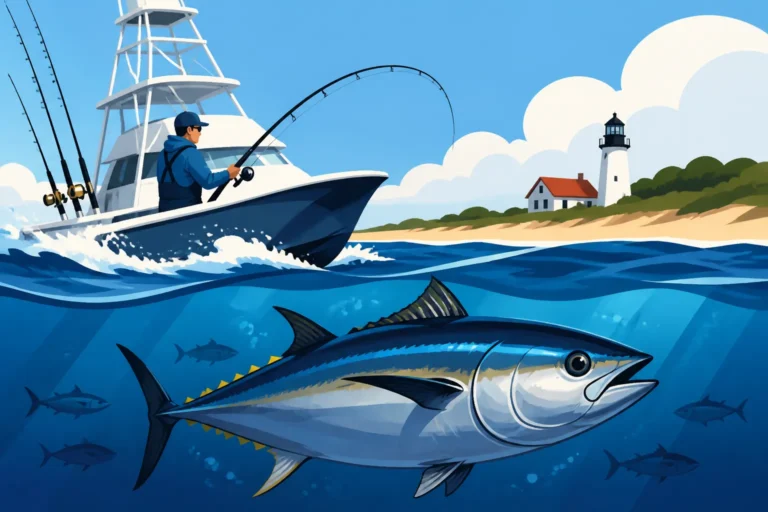
Speaking of species, what you want to catch dramatically impacts the price. Targeting highly migratory, offshore species like giant bluefin tuna or sharks requires significantly more specialized gear, heavier tackle, vastly more fuel to reach distant offshore banks, and a higher level of captain expertise. For example, a Massachusetts Bluefin Tuna Charters trip will almost always be more expensive than a half-day inshore trip for scup. On the other hand, a Massachusetts Striped Bass Charters trip might fall somewhere in the middle, depending on whether it's an inshore light tackle trip or an offshore hunt for trophy fish. The further you have to travel, the more sophisticated the equipment needs to be, and the more volatile the conditions can be, all of which contribute to a higher operational cost for the charter.
Crew Experience, Reputation, and Inclusions
A captain and crew aren't just boat operators; they are highly skilled professionals who understand local waters, fish behavior, and effective techniques. Their experience is invaluable, especially in Massachusetts' diverse and sometimes challenging fishing environments, from the rips of the Cape Cod Canal to the offshore canyons. Charters with a long-standing reputation for consistently putting clients on fish, offering excellent customer service, and ensuring a safe, enjoyable trip often command higher rates. You're not just paying for a boat ride; you're paying for their knowledge, their network of fishing contacts, and their ability to adapt to changing conditions.
The cost also reflects what's included in the base price. Most charters will provide rods, reels, basic tackle, and bait. However, some might offer higher-end gear, specialty lures, or even additional services like professional fish cleaning, which can be an added value. It's always crucial to clarify these details upfront. A charter that seems slightly more expensive might actually offer better value if it includes everything you need, saving you from unexpected additional costs on the day of your trip. Don't be shy about asking for a detailed list of what's provided when you're making your booking, to avoid any surprises.
Types of Fishing Charters and Their Price Ranges
Massachusetts offers a fantastic variety of fishing opportunities, and with that comes a diverse range of charter options, each catering to different preferences, group sizes, and budgets. Understanding the distinctions between these types of charters is crucial when you're trying to figure out what kind of investment you'll be making. It's not just about the fish; it's about the entire experience you're seeking.
Inshore vs. Offshore Charters
The line between inshore and offshore might seem blurry, but it generally refers to how far from the coast the boat ventures and the type of fishing involved.
-
Inshore Charters: These trips typically stay within sight of land, exploring bays, estuaries, shallow reefs, and coastal waters. Common target species include striped bass, bluefish, tautog, and flounder. Inshore charters are often more accessible, tend to be shorter in duration (half-day options are common), and are generally less expensive than their offshore counterparts. The boats are usually smaller, nimbler, and consume less fuel. This makes them a great option for families, beginners, or those prone to seasickness, as the waters are typically calmer. Many of these trips might focus on light tackle or even fly fishing, providing a more hands-on angling experience. You might spend time casting along rocky shorelines, drifting over mussel beds, or working the rips of major inlets. The focus here is often on high-action fishing without the long travel times.
-
Offshore Charters: Venturing further out to sea, offshore charters target pelagic species found in deeper waters, often many miles from shore. This means targeting fish like bluefin tuna, yellowfin tuna, mahi-mahi, shark, and sometimes cod and haddock on deeper banks. These trips require larger, more robust vessels capable of handling open ocean conditions, extensive safety equipment, and specialized heavy-duty tackle. They are almost always full-day or even multi-day excursions. Consequently, offshore charters are significantly more expensive due to higher fuel consumption, more specialized gear, longer travel times, and the increased expertise required to navigate and fish these challenging environments. The hunt for a trophy bluefin tuna, for instance, is an epic undertaking, and the price reflects that grand adventure. While the cost is higher, the potential for a truly memorable, once-in-a-lifetime catch can make it worth the investment for many serious anglers.
Private Charters vs. Party Boats (Head Boats)
The choice between a private charter and a party boat largely comes down to your group size, budget, and desired level of exclusivity.
-
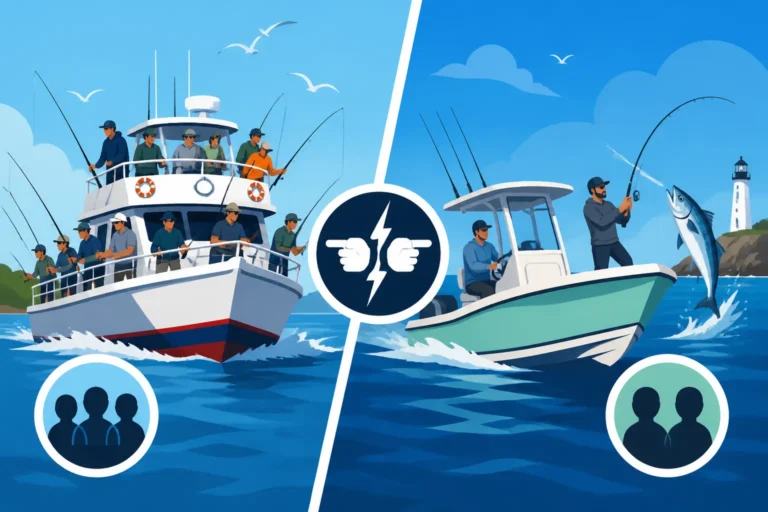
Private Charters: This is what most people envision when they think of a "fishing charter." You book the entire boat for your private group – usually 1 to 6 passengers, depending on the boat's capacity and Coast Guard regulations. You have the captain's full attention, get to decide on the target species (within reason and season), and the pace of the trip is tailored to your group's preferences. This personalized experience is ideal for families, groups of friends, or corporate outings. Of course, this exclusivity comes at a higher cost, as you are absorbing the entire operational expense of the boat yourself. The price is typically quoted for the boat, not per person, although the per-person cost will naturally decrease with more people sharing the fare. Many reputable captains offer private trips, and if you're looking for a dedicated experience, this is the way to go. You can find detailed options for Cape Cod Fishing Charters Guide for Massachusetts Anglers or Boston Fishing Charters Guide, Massachusetts that almost exclusively refer to private bookings.
-
Party Boats (Head Boats): Also known as head boats, these vessels are designed to accommodate a larger number of individual anglers (sometimes dozens) who pay a per-person fare. The trip is typically focused on bottom fishing for species like scup, flounder, or cod, or sometimes for mackerel or bluefish. Party boats are a much more economical option for solo anglers or small groups who want to get out on the water without the significant expense of a private charter. While you lose the personalized attention and flexibility of a private trip, party boats offer a lively social atmosphere and are an excellent way to introduce beginners to fishing. The crew is usually large enough to assist everyone, and basic gear and bait are almost always included. If you're looking for a budget-friendly way to enjoy a day of fishing, Massachusetts Party Boat and Head Boat Fishing options are definitely worth exploring.
Specialized Charters
Beyond the general categories, there are also highly specialized charters that cater to specific fishing styles or target particular, often harder-to-find, species.
- Fly Fishing Charters: These are often smaller boats or even skiffs designed for navigating shallow waters where sight casting to striped bass, false albacore, or bonito is possible. The captains are typically expert fly anglers themselves, providing instruction and guidance. The gear is specialized, and the experience is focused on the artistry of fly fishing, making these trips a unique and often pricier option.
- Kayak Fishing Guides: While not strictly "charters" in the traditional sense, guided kayak fishing trips are growing in popularity. A guide will provide all the necessary kayak fishing equipment, including the kayak itself, and lead you to productive inshore waters. This offers an incredibly intimate connection with the environment and the fish, usually at a more accessible price point than a motorboat charter, though it's still a guided service.
- Night Fishing Charters: Primarily focused on striped bass during certain times of the year, night fishing charters offer a completely different experience. Anglers might target stripers with eels or other live bait, taking advantage of their nocturnal feeding habits. These trips can have unique pricing structures due to the unusual hours and specialized techniques.
Each of these charter types offers a distinct experience, and their pricing reflects the varying operational costs, specialized equipment, and levels of expertise required. When comparing, always ensure you're comparing apples to apples in terms of trip length, inclusions, and the type of fishing adventure you're signing up for.
Breakdown of What's Included (and Excluded) in a Charter Price
One of the most common pitfalls when budgeting for a fishing trip is assuming everything is covered in the initial quoted price. While many reputable Massachusetts fishing charters aim for transparency, it's absolutely vital to clarify what's included and, more importantly, what isn't. Just like buying a car, the base model often has upgrades you'll want, and being aware of them beforehand prevents sticker shock.
Standard Inclusions You Can Expect
Most legitimate fishing charters in Massachusetts will provide the essential items you need for a day of angling. These typically cover the basics, ensuring you don't have to haul a truckload of gear to the dock.
- Rods, Reels, and Basic Tackle: You can generally count on the charter providing all the necessary fishing rods, reels, and basic terminal tackle (hooks, weights, swivels, leaders). The gear will be appropriate for the target species and the fishing style of the trip. For instance, if you're going for striped bass, they'll have the right medium-heavy spinning or conventional setups. If it's a deep-sea bottom fishing trip, expect heavier conventional gear. This saves you the expense and hassle of bringing your own, especially if you're traveling or new to the sport.
- Bait (Live or Artificial): Whether it's live eels for striped bass, squid for cod, or an assortment of artificial lures for tuna, bait is almost universally included in the charter price. This is a significant cost for the captain, and it's built into the fare. Don't worry about stopping at the bait shop unless you have a very specific, unusual preference you've pre-arranged with the captain.
- Safety Equipment: This is non-negotiable and federally mandated. Life jackets for all passengers, flares, first-aid kits, communication devices, and other safety gear will always be on board and accounted for. You might not actively use it, but knowing it's there is crucial.
- Fuel and Ice (for catch storage): The cost of fuel, especially for offshore trips, is a major operational expense for charter captains. This is factored into the price. Similarly, most charters will have ice on board to keep your catch fresh for the ride home. Some might even have a dedicated fish box or cooler.
Common Exclusions and Extra Costs
This is where many anglers get tripped up, so pay close attention. These are the items that can quickly add up if you haven't budgeted for them.
- Fishing Licenses and Permits: This is perhaps the most critical exclusion. In almost all cases, you are responsible for purchasing your own Massachusetts fishing license or permit prior to the trip. For freshwater fishing, you'll need a freshwater license. For saltwater, you'll need a Massachusetts Saltwater Recreational Fishing Permit, which is typically free for Massachusetts residents but required for everyone. Don't assume the boat covers this for you, as captains can't legally do so. You can learn more about this by checking out the Massachusetts Fishing License Guide or specifically Do Charter Passengers Need Their Own Massachusetts Saltwater Permit?. Always make sure you have the proper documentation well in advance of your trip.
- Food and Beverages: Unless specifically advertised as an all-inclusive luxury package, you'll need to bring your own snacks, sandwiches, and drinks. Staying hydrated and fueled is essential for an enjoyable day on the water. Pack a small cooler with your provisions.
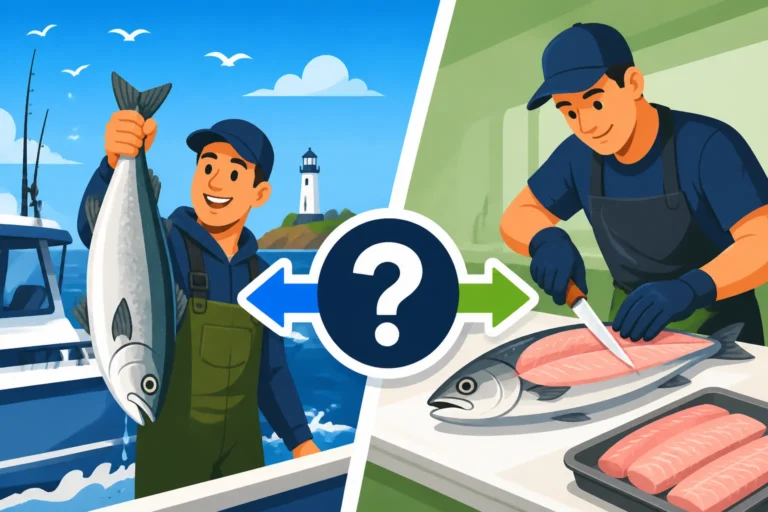
- Fish Cleaning and Filleting: While many captains and mates are happy to clean and fillet your catch, this is often an additional service that comes with an extra charge. It's customary to either pay a small fee per fish or factor it into the crew's tip. Clarify this with your captain if having your fish cleaned at the dock is important to you.
- Tipping the Crew: This is a huge one, and it's an industry standard. Just like in a restaurant, the mates, and sometimes the captain, rely on tips as a significant portion of their income. A typical tip ranges from 15-20% of the total charter cost, often paid directly to the mate at the end of a successful trip. Skipping this is a major faux pas. Don't forget to budget for this essential expense! For more details, see Is Tipping Expected on a Massachusetts Fishing Charter?.
- Specialty Lures or Gear: While basic tackle is included, if you have a specific, high-end lure you want to use, or if the captain suggests a particularly expensive jig that you end up losing, there might be an additional charge to replace it. This is rare for casual trips but can happen on specialized offshore outings.
- Transportation and Accommodation: If you're traveling to a popular departure point like Provincetown, Chatham, or Plymouth, you'll need to factor in your own travel costs to get there, as well as any overnight stays if you're coming from afar.
Being proactive and asking questions about inclusions and exclusions before you book is the best way to ensure a smooth, transparent, and enjoyable fishing trip without any financial surprises. A good charter operator will be happy to provide a clear breakdown.
| Inclusion Type | Typically Included | Often Excluded / Extra Cost |
|---|---|---|
| Fishing Gear | Rods, Reels, Basic Tackle | Specialty Lures, Lost High-End Tackle |
| Bait | Live & Artificial Bait | Personal Specialty Bait Requests |
| Safety Gear | Life Jackets, First Aid, Flares | (Always Included) |
| Fuel & Ice | Boat Fuel, Ice for Catch Storage | Personal Drinks Ice |
| Licenses/Permits | (None, Passenger Responsibility) | Fishing Licenses, Saltwater Permits |
| Food & Drinks | (None, Passenger Responsibility) | Snacks, Meals, Beverages |
| Crew Services | Guiding, Instruction | Fish Cleaning/Filleting (often extra) |
| Gratuity | (None, Passenger Responsibility) | Tipping the Captain & Mate |
Regional Differences in Massachusetts Charter Pricing
Massachusetts is a state with an incredibly diverse coastline, stretching from the sandy beaches of Cape Cod to the rocky shores of the North Shore and the islands of Martha's Vineyard and Nantucket. This geographic variety, coupled with varying fish populations and local demand, means that charter prices can differ significantly depending on where you decide to cast your line. It's not just the scenery that changes; the local economy, accessibility, and fishing traditions all play a part in shaping the cost.
Cape Cod and the Islands: High Demand, Diverse Fishing
Cape Cod, Martha's Vineyard, and Nantucket are iconic fishing destinations, drawing anglers from all over the world. This high demand, particularly during the peak summer months, naturally drives up prices.
- Cape Cod: From Provincetown down to Falmouth, the Cape offers an incredible range of fishing opportunities, from inshore striped bass and bluefish in the protected bays to offshore tuna and shark fishing in the deeper waters of Stellwagen Bank and beyond. Charters operating out of ports like Barnstable, Hyannis, or Chatham often command premium rates due to the sheer volume of visitors and the reputation of the fishing. You'll find a wide spectrum of boats, from smaller bay boats perfect for kids to large, fast offshore vessels. The cost here reflects the popularity, the expertise of many veteran captains who have fished these waters for decades, and the extended range some of these boats travel to find diverse species. For a deep dive, consult Cape Cod Fishing Charters Guide for Massachusetts Anglers.
- Martha's Vineyard and Nantucket: These islands are synonymous with exclusive getaways, and their fishing charters reflect that. While you can find great fishing for striped bass, bluefish, bonito, and false albacore closer to shore, accessing these islands often involves ferry travel, and the limited number of charter operators means prices can be at the higher end of the spectrum. The charm of fishing around these historic islands, combined with the often pristine waters and prolific fish, makes them a sought-after, albeit pricier, option. Expect similar pricing to the higher end of Cape Cod charters, sometimes even more, especially for private bookings.
Boston Harbor and the North Shore: Urban Access to Diverse Waters
Boston, with its bustling harbor, offers a surprisingly accessible gateway to excellent fishing, and the North Shore (think Gloucester, Salem, Rockport) is steeped in fishing history.
- Boston Harbor: Right in the heart of the city, Boston Harbor provides fantastic opportunities for striped bass and bluefish, often within sight of the skyline. The convenience of departing from a major metropolitan area means that charters here are popular with locals and tourists alike. Prices are competitive, reflecting the ease of access and the slightly shorter travel times to productive fishing grounds compared to deep offshore trips. You can find dedicated guides for Boston Fishing Charters Guide, Massachusetts which provide more specific information. Many charters here also offer bottom fishing for flounder or even trips out to the outer harbor islands for more robust action. The blend of urban convenience and quality fishing makes Boston a popular choice.
- North Shore (e.g., Gloucester, Rockport): Further north, towns like Gloucester and Rockport are legendary for their deep-sea fishing heritage. While still offering inshore options, many charters here specialize in offshore trips for cod, haddock, and groundfish on the banks north of Cape Ann, or even tuna further out. These operations often have large, seaworthy boats designed for heavy-duty fishing. The cost reflects the specialized nature of these trips, the distance traveled, and the robust gear required. You might find a good mix of private charters and party boats here, with the latter offering a more budget-friendly way to experience the prolific ground fishing.
Southern Coast and Buzzards Bay: Varied Options
Moving towards the southern coast of Massachusetts, including areas around New Bedford and Buzzards Bay, offers another distinct set of fishing opportunities and pricing.
- Buzzards Bay: Known for its protected waters and abundant striped bass, bluefish, and tautog, Buzzards Bay provides a different kind of fishing experience. Charters here often focus on light tackle and finesse techniques in the calmer waters. Prices can be quite reasonable, especially for inshore trips, as the run to the fishing grounds is typically shorter, and fuel costs are lower than offshore excursions. It's an excellent area for those seeking consistent action without the intense conditions of the open ocean.
- New Bedford Area: Historically a major whaling and fishing port, New Bedford still has a strong commercial and recreational fishing presence. Charters here can offer a mix of inshore bay fishing and trips targeting species further out in the Vineyard Sound or even offshore. Prices are generally competitive, potentially offering good value compared to the more tourist-heavy spots, though the offerings might be more focused on serious anglers than sightseeing.
In summary, where you choose to fish in Massachusetts directly impacts the cost. Researching charters in specific regions on platforms like FishingBooker can help you compare what's available and decide which area best suits your budget and angling ambitions.
Seasonal Impact on Massachusetts Fishing Charter Costs
Just like hotel prices or airfares fluctuate with demand, so too do the costs of fishing charters in Massachusetts. The seasonality of fishing in the Bay State plays a significant role in pricing, driven by factors like fish migrations, weather patterns, and tourist influx. Understanding these seasonal shifts can help you score a better deal or ensure you're booking at the optimal time for your target species.
Peak Season (Summer): Highest Demand, Highest Prices
Summer in Massachusetts, roughly from late June through early September, is undoubtedly the peak season for fishing charters. The reasons are clear:
- Prime Weather Conditions: Generally, the most stable and warmest weather of the year, making for comfortable days on the water for anglers of all experience levels. Less chance of trips being canceled due to adverse conditions.
- Abundant Species: Many popular game fish, including striped bass, bluefish, fluke, and black sea bass, are in full swing in Massachusetts waters. Offshore, the tuna bite can heat up, drawing serious anglers. This period is often considered the Best Time of Year to Fish in Massachusetts for overall variety and action.
- Tourist Season: This coincides directly with school holidays and vacations, bringing a massive influx of tourists to coastal areas, especially Cape Cod and the Islands. This dramatically increases demand for charters.
During peak season, expect charter prices to be at their highest. Availability will also be limited, so booking well in advance (months, not weeks) is absolutely crucial, particularly if you have specific dates or captains in mind. Last-minute bookings are rare and often come with fewer choices. This is when captains are making most of their annual income, and they price accordingly.
Shoulder Seasons (Spring and Fall): Value and Excellent Fishing
The shoulder seasons – late spring (May to mid-June) and early to mid-fall (September to October) – often present the sweet spot for many anglers. These periods offer a fantastic balance of good fishing, pleasant weather, and potentially lower prices or more availability.
- Spring (May – Mid-June): This is when many species start to arrive in Massachusetts waters after their winter migrations. Striped bass make their grand entrance, often providing incredible early-season action. Fluke, scup, and black sea bass also become more active. The weather can be a bit more unpredictable than summer, with cooler mornings and some breezy days, but it's generally quite pleasant. Charter prices might be slightly lower than peak summer, and you'll find more open dates. It's a great time for those looking to get out before the summer crowds fully descend.
- Fall (September – October): Many consider the fall run to be the absolute best time for striped bass and bluefish as they gorge themselves before migrating south. False albacore and bonito also make their appearance, providing exciting light tackle opportunities off Cape Cod. Offshore, the bluefin tuna bite can be red hot. The weather is often crisp and clear, with fewer humid days. While still popular, the sheer volume of tourists decreases significantly after Labor Day, leading to more availability and potentially more competitive pricing on charters. If you're flexible with your dates and want to target specific migratory species, fall can offer exceptional value and unforgettable fishing.
Off-Season (Winter): Limited Options, Specialized Trips
Winter in Massachusetts (November to April) is generally the off-season for recreational fishing charters. The cold weather, rough seas, and absence of many migratory species mean that most charter operations are either closed down for maintenance, or their captains are heading south themselves.
- Limited Availability: You'll find very few recreational charters running during these months.
- Specialized Fishing: Any charters that do run might be focused on specific, hardy species like cod or pollock on deep-sea grounds, which requires robust boats and gear, and often involves braving cold, potentially rough conditions. These trips are typically geared towards serious, experienced anglers.
- Pricing: While demand is low, the operational costs for running a boat in winter (heating, specialized gear, increased risk) mean that any available charters might still command a respectable price. It's certainly not a time for budget-friendly casual outings.
To maximize your chances of a great trip at a price that suits you, consider when the Massachusetts Fishing Seasons Explained align with your target species and be aware of the corresponding demand. Booking during the shoulder seasons can often provide an excellent balance of cost and quality fishing.
Additional Expenses to Budget for Your Massachusetts Fishing Trip
While the base charter fee covers the core fishing experience, savvy anglers know that a successful and comfortable trip involves a few more considerations for the wallet. These aren't hidden fees; rather, they're customary costs or personal choices that enhance your day on the water. Failing to budget for them can leave you scrambling at the dock or feeling a bit unprepared.
Tipping the Crew: An Industry Standard
This is perhaps the most significant "additional" expense, and it's absolutely crucial to factor it in. Tipping is not optional in the charter fishing industry; it's a long-standing tradition and a vital part of the crew's income. Mates, in particular, work incredibly hard, assisting anglers with everything from baiting hooks and netting fish to untangling lines and cleaning up. The captain also often shares in the tips.
- Typical Range: The customary tip for a fishing charter in Massachusetts is 15-20% of the total charter cost. For an exceptional experience, some anglers might give more.
- When to Tip: Tips are generally given directly to the mate at the end of the trip, or sometimes to the captain if there's no mate. It's best to have cash ready for this.
- Why It Matters: A good mate can make or break your trip, working tirelessly to ensure you have a great time and catch fish. Their dedication, knowledge, and service deserve proper recognition. Think of it as tipping your server in a restaurant; it's part of the overall service industry. For more detailed etiquette, read Is Tipping Expected on a Massachusetts Fishing Charter?.
Food, Drinks, and Personal Comfort Items
While the charter provides the fishing gear, your personal provisions are usually up to you. A day on the water, especially a full-day trip, can be long and require sustenance.
- Hydration: Bring plenty of water, sodas, or sports drinks. Dehydration can sneak up on you, even on cooler days.
- Snacks and Meals: Pack sandwiches, fruit, chips, or other snacks to keep your energy up. Some longer offshore trips might warrant a more substantial meal.
- Sun Protection: Sunscreen, a wide-brimmed hat, and polarized sunglasses are not just comfort items; they're essential for preventing sunburn and eye strain, especially with the sun reflecting off the water. Don't forget layers of clothing; it can be chilly in the morning and hot by midday.
- Medication: If you're prone to seasickness, bring your preferred remedy (e.g., motion sickness patches or pills) and take it before you even get on the boat. It's much less effective once you start feeling ill.
Fish Cleaning and Packaging
You've caught your prize fish, now what? While many captains or mates will offer to clean and fillet your catch, this service is not always free and can sometimes be factored into the tip.
- Service Charge: Some charters might have a small per-fish fee for filleting, especially if you have a large cooler full of fish.
- Cooler and Ice: Bring an empty cooler to transport your cleaned fish home. While the boat might have ice for the fish box, you'll need fresh ice for your personal cooler for the journey. It's always a good idea to bring extra Ziploc bags or freezer bags to keep your fillets separated and clean.
- Regulations: Be aware of Massachusetts Recreational Fishing Rules and Bag Limits regarding fish sizes and limits. You can only keep what's legal!
Transportation, Accommodation, and Incidentals
If your fishing spot isn't a short drive from home, you'll have to consider travel costs.
- Getting to the Dock: Factor in gas for your vehicle or the cost of a taxi/rideshare to the marina.
- Overnight Stays: If you're coming from out of town or planning a multi-day fishing adventure, hotel or rental accommodation costs will add up.
- Souvenirs/Bait Shop Runs: You might want to grab a t-shirt from the marina or pick up a specific lure at a local bait shop before or after your trip.
- Photography: While many guides take photos, if you want high-quality action shots or a dedicated photographer, that's another potential expense.
By mentally running through these additional expenses before you book, you'll have a much more accurate picture of the total cost of your Massachusetts fishing adventure, allowing you to relax and enjoy the experience without any financial stress.
Tips for Finding the Best Value Massachusetts Fishing Charter
Navigating the world of fishing charters can feel overwhelming, especially with varying prices and offerings. But with a bit of savvy, you can absolutely find a fantastic trip that aligns with your budget and expectations. It's all about doing your homework and asking the right questions. You don't have to break the bank to have an incredible day on the water in Massachusetts.
Research and Compare Options
This is your first and most important step. Don't just book the first charter you find.
- Online Platforms: Websites like FishingBooker are invaluable resources. They allow you to browse numerous charters in different Massachusetts regions, compare prices, read reviews from other anglers, and see what's included in each package. You can filter by target species, boat size, trip duration, and departure location. This gives you a broad overview of the market.
- Local Marinas and Bait Shops: Don't underestimate the power of local knowledge. Visit marinas in areas like Gloucester, Plymouth, or on Cape Cod. Talk to the dockhands, bait shop owners, and other local anglers. They often have firsthand experience or recommendations for reputable captains who might not have a huge online presence but offer fantastic trips.
- Captain's Websites/Social Media: Many captains have their own websites or active social media pages where they post recent catches, boat photos, and detailed trip information. This can give you a better feel for their personality and fishing style.
When comparing, look beyond just the base price. Consider the inclusions (bait, tackle, fish cleaning?), the reputation of the captain, the quality of the boat, and the overall experience described in reviews. Sometimes paying a little more upfront for a highly-rated charter can save you frustration (and potentially fishless trips) in the long run.
Book in Advance and Consider Shoulder Seasons
Timing is everything when it comes to charter costs and availability.
- Early Booking is Key: Especially for popular dates during peak summer season (July and August) or for prime species like tuna, you absolutely need to book months in advance. The best captains and boats get booked up quickly. If you wait until the last minute, you'll be left with limited (and potentially more expensive) options, or no availability at all. Platforms like FishingBooker make it easy to secure your dates far ahead of time.
- Embrace Shoulder Seasons: As discussed earlier, the late spring (May-June) and early fall (September-October) offer excellent fishing, often with fewer crowds and potentially more competitive pricing. You might find better deals or more flexibility with trip times. Plus, the weather can be incredibly pleasant, and the fishing action can be phenomenal, especially during the When striped bass season starts in Massachusetts or the When the striped bass fall run happens in Massachusetts. This is a fantastic way to get more bang for your buck.
Clarify All Inclusions and Exclusions Upfront
Don't be afraid to ask questions. A good charter captain or booking agent will appreciate your thoroughness.
- What's Included?: Get a clear list of what the base price covers. Does it include rods, reels, bait, tackle, and ice for your catch?
- What's Not Included?: Specifically ask about fishing licenses (which are almost always your responsibility, see Massachusetts Freshwater Fishing License Costs and Rules or Massachusetts Saltwater Recreational Fishing Permit Explained), fish cleaning, and, crucially, gratuity for the crew. Knowing these "hidden" costs beforehand prevents any awkward situations at the end of the trip.
- Cancellation Policy: Understand the charter's policy regarding weather cancellations or if you need to reschedule. This is vital, especially when dealing with unpredictable New England weather.
Consider Group Size and Trip Type
The number of people in your party and the type of trip you choose significantly impact the per-person cost.
- Private Charter Economics: If you book a private charter for yourself, you pay the entire boat fee. However, if you have a group of 4-6 friends, you can split that cost, making a private trip much more affordable per person. Before you book a private charter, know How Many People Can Join a Massachusetts Charter to accurately divide the cost.
- Party Boats for Individuals: If you're a solo angler or a small group on a tighter budget, a party boat (head boat) is an excellent, cost-effective alternative. You pay a per-person fare, and the overall cost is much lower than chartering an entire boat. While less personalized, it's a great way to experience fishing in Massachusetts.
By being diligent in your research, thoughtful about your timing, clear in your communication, and smart about your group dynamics, you can absolutely find an incredible Massachusetts fishing charter that delivers excellent value and an unforgettable experience.
Comparing Charters vs. Other Fishing Options in Massachusetts
While fishing charters offer a unique and often unparalleled experience, they aren't the only way to cast a line in Massachusetts. For many, the cost of a charter might seem prohibitive, prompting them to explore other avenues. Understanding the pros and cons, especially from a cost perspective, of various fishing options can help you decide what's truly best for your angling aspirations and budget.
Party Boats: A Budget-Friendly Social Experience
As we touched upon earlier, party boats (also known as head boats) are essentially a compromise between a full-blown private charter and fishing from shore.
- Cost-Effectiveness: This is their biggest draw. You pay a relatively low per-person fee, making them incredibly accessible for individuals, couples, or small groups who want to experience boat fishing without the high price tag of a private charter.
- Inclusions: Typically, party boat fares include basic tackle, bait, and the assistance of a large crew. You just show up, pay your fare, and fish.
- Target Species: Often focused on abundant bottom fish like scup, tautog, flounder, or cod, or sometimes mackerel and bluefish depending on the season and location. These are generally reliable catches.
- Pros: Great for beginners, social atmosphere, low individual cost, minimal gear required from you.
- Cons: Less personalized, fixed fishing locations and target species, can be crowded, potential for tangles with other lines.
- Verdict: If your primary goal is to simply get out on the water, catch some fish, and enjoy a social atmosphere without a huge financial commitment, a party boat is an excellent choice. Explore options under Massachusetts Party Boat and Head Boat Fishing.
Shore Fishing and Pier Fishing: Free (or Nearly Free) Access
For the absolute lowest cost, nothing beats fishing from land. Massachusetts offers miles of coastline, numerous public piers, and abundant freshwater access points.
- Cost: Aside from your personal gear and bait, shore fishing is essentially free. Public piers usually have no access fees, and many beaches allow surfcasting without charge (though parking might be an expense).
- Accessibility: Extremely easy to access, especially in metropolitan areas or popular coastal towns.
- Target Species: From shore, you can target striped bass, bluefish, flounder, and sometimes tautog in saltwater. Freshwater ponds and rivers offer largemouth and smallmouth bass, trout, pickerel, and panfish.
- Pros: Virtually no cost, complete flexibility, great for solitude or family outings, no seasickness worries.
- Cons: Limited range and access to prime fishing grounds, often crowded in popular spots, requires your own gear, success can be highly dependent on tides and time of day. You won't be able to reach offshore species.
- Verdict: Perfect for budget-conscious anglers, those who enjoy the simplicity of land-based fishing, or anyone looking for a casual outing. For more local info, check Massachusetts Rules for Fishing From a Pier or Bridge or Saltwater permit rules for surfcasting from a Massachusetts beach.
Private Boat Ownership: The Ultimate Freedom, but High Cost
For some passionate anglers, the idea of having their own boat is the ultimate dream – complete freedom to fish whenever and wherever they please.
- Cost: This is where the price comparison dramatically shifts. The initial purchase price of a boat, even a modest one, can be substantial. Beyond that, you're looking at ongoing costs: boat insurance, dockage/storage fees, maintenance (engine servicing, cleaning, repairs), fuel, trailer costs (if applicable), and outfitting with all your own gear (rods, reels, electronics, safety equipment). The expenses are significant and continuous.
- Flexibility: Unmatched. You decide where to go, when to go, and what to target.
- Target Species: Limited only by your boat's capabilities and safety limits.
- Pros: Ultimate freedom, personalized experience, potential for frequent trips, can be a great family hobby.
- Cons: Very high upfront and ongoing costs, significant time commitment for maintenance, requires boating knowledge and experience, still requires your own fishing licenses and adherence to all Massachusetts Recreational Fishing Rules and Bag Limits.
- Verdict: Ideal for dedicated anglers with disposable income and a passion for boating, who plan to fish very frequently. For most casual or semi-regular anglers, a charter or party boat remains a far more economical and hassle-free option.
In conclusion, while fishing charters might seem like a premium option, they offer a valuable package of expertise, equipment, and access that can be well worth the investment for a memorable day on the water, especially when you factor in all the hidden costs and hassles of other options. Carefully weighing your budget, desired experience, and frequency of fishing will guide you to the best choice for your Massachusetts angling adventures.
Disclaimer
This article is for general informational purposes only and does not constitute professional advice. Laws, prices and regulations vary by location and change over time. Consult a qualified professional for guidance on your specific situation.