Whether you can split the cost of a charter with friends
Embarking on a fishing charter in Massachusetts is an unforgettable experience, offering access to some of the best saltwater and freshwater fishing our state has to offer. However, let's be honest: the cost can feel like a significant hurdle for many of us, turning what should be an exciting outing into a financial stressor. This guide is here to walk you through how easily and effectively you can navigate the expenses of a charter by splitting the cost with friends or fellow anglers, making that dream trip a much more realistic and enjoyable adventure.
Why Sharing a Massachusetts Fishing Charter Just Makes Sense
The allure of a private fishing charter is undeniable. You get a dedicated captain, expert guidance, specialized gear, and the chance to target specific species without the crowds of a party boat. But for a single angler, or even a couple, the upfront cost can be daunting. This is where the magic of group charters comes in, not just as a financial relief, but as an enhancer of the entire experience.
The Financial Relief of Dividing Costs
Imagine wanting to chase giant bluefin tuna offshore, or spend a day jigging for striped bass at the legendary Cape Cod Canal Fishing Guide for Massachusetts Anglers. These trips on well-equipped boats come with a price tag that reflects the expertise, fuel, and gear involved. When you're looking at what it costs for a private charter, whether it's for a half-day inshore trip or a full-day offshore excursion, that number can feel like a solid block. But when you divide that block into smaller, more manageable pieces among several people, suddenly it transforms into something much more accessible.
Instead of one person bearing the full brunt, each individual pays a fraction. This reduction in personal financial commitment can be the difference between dreaming about a trip and actually making it happen. It also opens up possibilities for longer trips or more specialized charters that might have been out of budget for a solo venture. For instance, a bluefin tuna charter, which can be a substantial investment, becomes significantly more affordable when you have a full complement of six anglers sharing the expenses. It's truly a game-changer for accessing high-quality fishing experiences without breaking the bank.
The Benefits Beyond Your Wallet
Beyond the obvious financial advantages, sharing a fishing charter with friends amplifies the fun, camaraderie, and overall success of the trip. Fishing is often best enjoyed with company, and a charter offers a unique bonding experience.
Enhanced Camaraderie and Shared Memories
Think about it: who better to share the thrill of hooking into a trophy striped bass or the challenge of reeling in a feisty bluefish than your closest buddies or family? The laughter, the friendly banter, the shared excitement when a rod bends over – these are the moments that make fishing truly memorable. A charter creates an intimate setting for these experiences, free from the distractions of a crowded public pier or the solitary nature of solo shore fishing. You're all in it together, cheering each other on, and creating stories that will be retold for years to come. It’s more than just catching fish; it’s about making lasting memories.
More Rods in the Water and Better Success
From a purely practical standpoint, more anglers often mean more lines in the water. On many charters, the captain will guide you on how many lines can be fished effectively at once, and with a full group, you can maximize this. This increases the chances of hooking up, especially when trolling or drift fishing. A larger group also means more eyes on the water, spotting birds working or subtle signs of fish. Moreover, charter captains are experts in their craft, and with a full boat, they often have the flexibility to employ different techniques or cover more ground, tailoring the experience to the group's preferences. This collective effort often translates into a more productive day of fishing, adding to the satisfaction of the shared cost.
How to Organize a Group Fishing Charter in Massachusetts
Organizing a group fishing charter doesn't have to be complicated, but it does require a little coordination and clear communication. With a few thoughtful steps, you can ensure everyone is on the same page and the booking process goes smoothly.
Finding Your Crew and Setting Expectations
The first step is gathering your fellow anglers. This might be a group of fishing buddies, family members, or even colleagues looking for a unique team-building experience. Once you have a potential crew, it's crucial to set clear expectations upfront about everything from the target species to the budget.
Communicating About Species and Trip Length
Before you even start looking for a boat, talk to your group about what kind of fishing experience everyone is hoping for. Does everyone want to target striped bass, or is someone keen on trying for tuna? Are you all up for a full-day offshore adventure, or would a shorter, half-day inshore trip be more suitable? The Massachusetts Fishing Seasons Explained article can provide a good overview of what's biting when. These decisions directly impact the charter cost and the type of boat you'll need. Make sure there's a general consensus to avoid disappointment later. If some want to target flounder and others bluefish, you'll need a charter that can accommodate both, or you might need to prioritize.
Discussing the Budget and Cost Sharing Early On
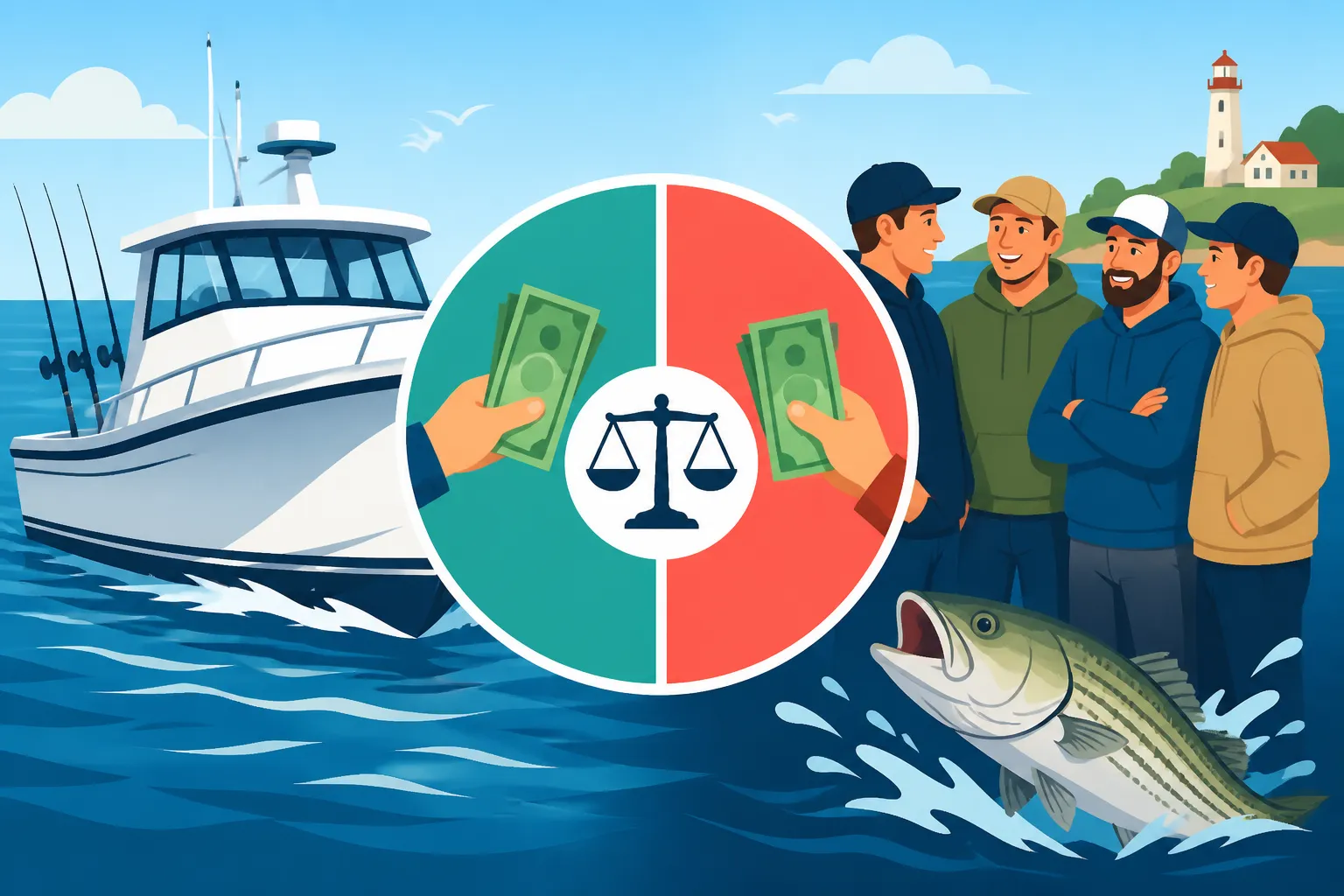
This is perhaps the most important conversation. Be transparent about the estimated cost of the charter, including potential extras like bait (if not included), ice, snacks, and most importantly, the captain's tip. Decide how the cost will be divided equally or if there will be any variations (e.g., if one person brings all the gear, do they get a slight discount?). Establishing this early prevents awkward conversations or disagreements on the day of the trip. It's often best to collect everyone's share of the charter fee before the deposit is paid, just to ensure commitment and avoid chasing money later. You can also refer to articles like Massachusetts Fishing Charter Costs for a general idea of what to expect, but remember that specific prices vary.
Choosing the Right Charter and Booking Process
Once your group and expectations are aligned, it's time to find the perfect Massachusetts charter. This involves a bit of research and understanding what makes a charter group-friendly.
Researching Group-Friendly Charters
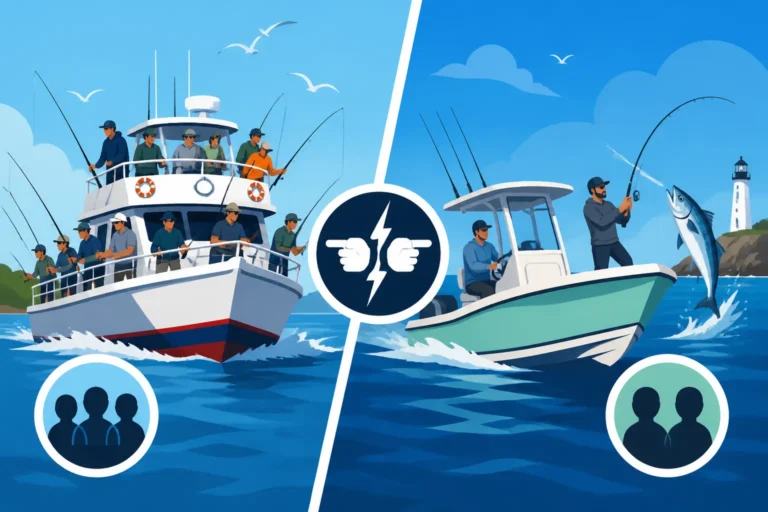
Not all charters are created equal when it comes to accommodating groups. Some smaller boats might be perfect for two or three anglers, but less comfortable for a full six-pack. Look for charters that explicitly state their capacity and what's included in the price. Consider the amenities on board – is there enough seating, a head (bathroom), and cooler space for everyone's provisions?
Platforms like FishingBooker are excellent resources for this research. You can filter by location, target species, and, crucially, by the number of passengers, allowing you to easily compare options that fit your group size. Reading reviews from other groups can also give you insights into how well a particular charter caters to multiple anglers. Don't be afraid to call captains directly to discuss your group's specific needs and preferences. They often have valuable advice on what kind of trip would be best for your crew.
Handling Deposits and Final Payments
Most charters require a deposit to secure your booking, with the remaining balance due on the day of the trip. Designate one person as the "group organizer" or "treasurer" to handle these payments. This streamlines communication with the captain and ensures that deadlines are met. As mentioned, it's a good practice for the organizer to collect the full charter share from each member of the group before the deposit is even put down. This way, if someone has to drop out unexpectedly, the financial burden isn't shifted to the remaining members at the last minute. When booking through a service like FishingBooker, they often facilitate the deposit and payment process, which can simplify things further for the group organizer. Be sure to understand the Massachusetts Charter Fishing Cancellation Policies in case plans change.
Fair Play and Financial Considerations for Group Charters
Even with the best intentions, managing the finances and expectations for a group charter requires some careful thought to ensure everyone feels things are fair and transparent.
Managing Shared Expenses Beyond the Base Rate
The charter fee itself is just one part of the financial picture. There are other shared expenses that, if not discussed beforehand, can lead to awkward moments or resentment.
Bait, Tackle, and Equipment Rentals
While many charters include basic bait and tackle, some specialized trips or certain types of fishing might require additional purchases. For example, if you're planning a full day of jigging, your captain might recommend bringing specific lures beyond what's on board. Or, if a friend wants to try a fly rod, they might need to rent or bring their own.
It's wise to clarify with the captain beforehand what is included and what might be an extra cost. If additional items are needed, pool funds from the group. One person can volunteer to pick up the bait or rent the specialized gear, and then the cost is divided among everyone. This way, no one person is stuck with an unexpected expense. Having a discussion about what to bring on a Massachusetts Fishing Charter can clarify these points.
Food, Drinks, and Refreshments
A day on the water can build up an appetite and thirst! Decide as a group who is responsible for bringing snacks, drinks, and lunch. Will everyone bring their own, or will it be a communal effort? If it's communal, again, designate one or two people to coordinate and purchase these items, and then split the cost. Don't forget a cooler full of ice for drinks and for keeping your catch fresh. Planning this ahead ensures no one goes hungry or thirsty, and everyone contributes fairly.
The All-Important Tip: How to Handle it as a Group
Tipping your captain and mate is a standard practice in the charter fishing industry, a way to show appreciation for their hard work, expertise, and dedication to ensuring you have a great trip. As a group, deciding how to handle this can sometimes feel tricky.
Standard Tipping Etiquette
Generally, a tip is a percentage of the total charter cost, and it's customary to tip the captain and mate (if applicable) somewhere in that range for good service. If you had an exceptional day, felt the crew went above and beyond, or they worked tirelessly to put you on fish, consider tipping at the higher end. The Massachusetts Charter Boat Tipping Etiquette article offers further guidance on customary practices.
Collecting and Presenting the Tip
The best way to handle this as a group is to collect the tip money from each person before the trip ends. The designated group organizer can collect everyone's share and then present a single, consolidated tip to the captain. This avoids individuals scrambling for cash at the dock or awkwardly trying to figure out their portion on the spot. It also ensures that the tip is presented gracefully and gratefully, as a collective thank you from the entire group. This small act of pre-planning makes a huge difference in ending your charter trip on a positive note for both your crew and the captain.
Maximizing Your Group Charter Experience
Beyond the financial aspect, ensuring everyone has a fantastic time on your Massachusetts fishing charter requires a bit of planning around logistics and understanding the unique dynamics of group fishing.
Preparing Your Group for a Successful Trip
A well-prepared group is a happy group, and a happy group often translates to a successful fishing trip. Think about everything from what to wear to what might be biting.
What to Bring and What to Expect
Before the trip, send out a clear communication to everyone in the group detailing what they should bring. This includes essentials like appropriate clothing (layers are key in Massachusetts, even in summer!), sunscreen, sunglasses, hats, and any personal medications (like motion sickness remedies). It's also important to manage expectations about the fishing itself. While charter captains are highly skilled, fishing is fishing, and there are no guarantees. Emphasize that the experience of being on the water with friends is often as valuable as the catch. You can also advise your group to review What to Bring on a Massachusetts Fishing Charter for a comprehensive list.
Understanding Rules and Regulations
Even on a charter, individual anglers are responsible for knowing and adhering to Massachusetts fishing regulations, including size and bag limits for various species. The captain will guide you, but a basic understanding prevents any accidental infractions. For example, knowing the Massachusetts Striped Bass Slot Limit Explained is crucial if you're targeting stripers. Ensure everyone understands the Massachusetts Recreational Fishing Rules and Bag Limits for the species you're targeting. The captain will ensure legal compliance, but it’s good for everyone to have a general awareness.
Communication with Your Captain and Crew
The success of your group charter hinges largely on good communication, especially with the experienced professionals leading your trip.
Expressing Preferences and Needs
As the group organizer, be the primary point of contact with the captain. Convey your group's collective preferences – what species you're most interested in, whether you prefer active fishing (like jigging) or more relaxed methods (like trolling), and if there are any specific needs or accommodations. For instance, if you have new anglers or kids on board, let the captain know so they can tailor their approach to ensure everyone has a good time. A good captain is flexible and aims to please, but they need to know what you're looking for. This helps them manage their time and resources effectively on the water.
Listening to Expert Advice
Once you're on the water, the captain and mate are your guides. They know the local waters, the currents, the fish behavior, and the most effective techniques. Encourage your group to listen attentively to their instructions, whether it's how to properly drop a line, set the hook, or handle a fish once it's on board. Their advice is invaluable and will significantly increase your chances of success. A cohesive group that follows direction works much better with the crew, leading to a smoother and more productive trip for everyone involved. For specific species, understanding how to apply techniques from resources like How to Catch Striped Bass in Massachusetts will align with the captain's instructions.
Exploring Massachusetts Fishing Charters for Groups
Massachusetts offers a diverse range of fishing opportunities, and knowing what's available can help your group pick the perfect adventure. From bustling Boston Harbor to the serene waters of Cape Cod, there's a charter experience waiting for every group.
Popular Group Charter Destinations
Different regions of Massachusetts offer distinct fishing experiences, each with its own charm and target species.
Cape Cod and the Islands Charters
Cape Cod is a renowned fishing mecca, offering everything from inshore striped bass and bluefish action to offshore tuna and shark fishing. A Cape Cod Fishing Charters Guide for Massachusetts Anglers can help your group explore the numerous options. Charters departing from towns like Falmouth, Chatham, or Provincetown can take your group to the fertile waters of Nantucket Sound, Vineyard Sound, or even offshore to the tuna grounds. Martha's Vineyard and Nantucket Fishing Charters in Massachusetts also offer unique experiences. The variety here is fantastic, allowing groups to tailor their trip to their fishing ambitions.
Boston Harbor and North Shore Charters
For groups closer to the city, Boston Fishing Charters Guide, Massachusetts provides excellent opportunities without a long drive. Boston Harbor and the surrounding North Shore waters are teeming with striped bass, bluefish, and even some cod and haddock on deeper trips. Charters out of Boston, Gloucester, or Salem can offer fantastic trips that combine urban convenience with exciting fishing action. These areas are particularly popular for half-day trips, making them ideal for groups looking for a shorter, more accessible outing.
Types of Fishing Experiences Best Suited for Groups
Consider the style of fishing your group prefers, as some techniques are inherently more communal and fun for multiple people.
Inshore vs. Offshore Adventures
Inshore charters typically involve fishing closer to shore, in bays, harbors, or along coastlines. These trips are often shorter, less expensive, and generally involve calmer waters, making them ideal for beginners, families, or groups prone to seasickness. Targeting striped bass, bluefish, or flounder are common. Massachusetts Striped Bass Charters are a very popular choice.
Offshore charters, on the other hand, venture further out into the open ocean, often targeting larger, more elusive species like bluefin tuna, sharks, or groundfish. These trips are typically longer, more physically demanding, and come with a higher price tag. They are best suited for experienced anglers or groups seeking a true big-game challenge. Massachusetts Bluefin Tuna Charters are a prime example of an offshore adventure.
Specialized Charters for Unique Experiences
Beyond the typical striper or tuna trips, Massachusetts offers some specialized charters that can be particularly memorable for groups. For instance, some charters focus on bottom fishing for tautog, black sea bass, or scup, which can be very productive and provide constant action for multiple anglers. Others might offer specific experiences like night fishing for striped bass, which can be an incredibly exciting and unique group outing. Discussing these options with your group and captain can lead to a truly bespoke and unforgettable fishing adventure.
| Feature / Consideration | Solo Angler Charter | Group Charter (e.g., 4-6 people) |
|---|---|---|
| Individual Cost | Full charter price | Fraction of total charter price |
| Boat Size Options | Limited to smaller vessels or paying for excess capacity | Wider range of boats available, from small to large |
| Social Aspect | Solitary or with crew | High camaraderie, shared experience |
| Fishing Success | Dependent on single angler's effort and skill | More rods in water, collective effort, increased chance of hook-ups |
| Booking Flexibility | Often easier to find last-minute spots on smaller boats | Requires more coordination and advance booking for larger groups |
| Additional Expenses | All personal, plus share of tip for crew | Shared cost for bait, food, drinks, larger pooled tip |
| Experience Level | Can be intimidating for beginners alone | Supportive environment for new anglers, shared learning |
Splitting the cost of a fishing charter with friends in Massachusetts is not just a clever financial move; it's a way to unlock richer experiences, deepen friendships, and create lasting memories on the water. By communicating openly, planning thoughtfully, and leveraging resources like FishingBooker to find the right boat, your group can embark on an incredible fishing adventure without the burden of individual cost. So gather your crew, make a plan, and get ready to cast some lines in the incredible waters of Massachusetts!
Disclaimer
This article is for general informational purposes only and does not constitute professional advice. Laws, prices and regulations vary by location and change over time. Consult a qualified professional for guidance on your specific situation.