Carrying Proof of Your Massachusetts Fishing License
There's nothing quite like the feeling of anticipation as you head out to your favorite fishing spot in Massachusetts, rods packed, bait ready, and a thermos of coffee steaming. But that serene feeling can quickly turn to a knot in your stomach if you suddenly wonder, "Do I have my fishing license with me? Is it even valid?" It's a common anxiety for many anglers, and for good reason. Massachusetts Environmental Police officers are out there, and they do check. This comprehensive guide will walk you through exactly what constitutes valid proof of your Massachusetts fishing license, how to carry it, and what to do if you find yourself in a bind.
The Essential Requirement: Why Proof Matters
Every angler who is required to have a fishing license in Massachusetts needs to be able to show proof of that license when requested by an authorized officer. It’s not just a suggestion; it’s a legal obligation. Ignoring this crucial step can lead to a lot more than just a ruined fishing trip.
Legal Mandate and Enforcement Realities
Massachusetts General Laws clearly state that anyone engaging in fishing activities, whether in freshwater or saltwater (for saltwater recreational fishing, it’s a permit), must possess a valid license or permit and present it upon demand to any Environmental Police Officer or other authorized law enforcement agent. This isn't just about catching fish; it applies even if you're just casting a line and planning to release everything you catch. The law doesn't differentiate between catch-and-release and keeping your bounty; the act of fishing itself triggers the requirement.
Imagine you're enjoying a peaceful morning by Lake Quinsigamond, your line in the water, when a Massachusetts Environmental Police patrol boat pulls up. An officer asks to see your license. If you fumble around and can't produce it, even if you know you bought one, you're immediately in violation. Officers aren't there to hear your excuses; they're there to enforce the regulations. This can be incredibly frustrating, especially for law-abiding anglers who simply forgot a piece of paper. You might think, "They can just look me up, right?" While officers can access databases, the primary responsibility to carry and present proof rests squarely on the angler. Understanding the Massachusetts Fishing License Guide is the first step, but carrying the proof is equally important.
Supporting Conservation Efforts
Beyond the immediate legal ramifications, the requirement to carry and present your fishing license proof serves a much larger purpose: supporting the vital conservation efforts here in Massachusetts. The revenue generated from license sales directly funds wildlife and fisheries management programs conducted by the Massachusetts Division of Fisheries and Wildlife (MassWildlife). These programs include everything from trout stocking in our freshwater ponds and rivers to habitat restoration, scientific research on fish populations, and educational outreach.
When you purchase a license, you're contributing to the health and sustainability of our aquatic ecosystems. By carrying proof, you're demonstrating your participation in this collective effort. If anglers weren't required to show proof, it would create a significant loophole, potentially allowing individuals to fish without contributing their fair share, thus undermining the funding model that protects our natural resources. So, while it might feel like a minor inconvenience at times, remember that carrying that little piece of paper or having it readily available on your phone is a direct link to ensuring that future generations can enjoy the same fantastic fishing opportunities we have today. It's a small act with a profound impact on the future of Freshwater Fish Species in Massachusetts and Saltwater Fish Species in Massachusetts.
Acceptable Forms of License Proof in Massachusetts
Gone are the days when a faded, crumpled paper license was your only option. MassWildlife has embraced modern technology, offering anglers several convenient ways to prove they're licensed. However, it's crucial to understand what is truly acceptable and what might still land you in hot water.
The Traditional Paper License
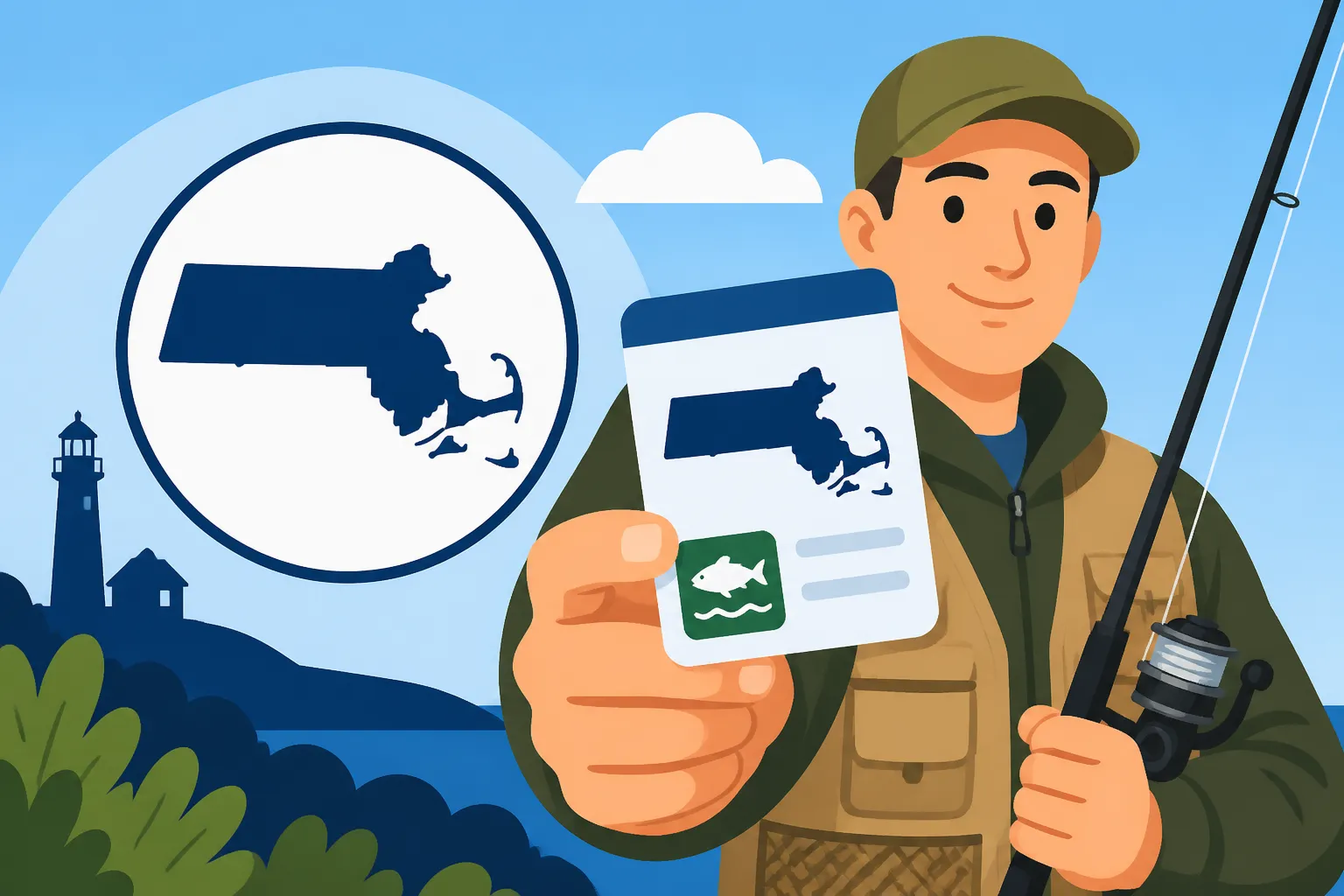
The most straightforward and universally accepted form of proof is the physical paper license or permit that you receive after purchasing it. This could be a printout from the MassFishHunt online system, which is how most people acquire their licenses these days, or a hard copy provided by an authorized vendor like a sporting goods store. When you complete the How to Buy a Massachusetts Fishing License Online process, printing it out is always a safe bet.
This traditional method has its clear advantages: it doesn't rely on battery life, internet connectivity, or screen visibility in bright sunlight. You can tuck it into your wallet, tackle box, or a dedicated fishing vest pocket. However, paper licenses are also susceptible to the elements. They can get wet, tear, fade, or simply get misplaced. Many an angler has discovered their license has disintegrated into a soggy mess after an unexpected downpour or a tumble into the water. To combat this, some anglers laminate their paper licenses or keep them in a small, waterproof pouch. While it's reliable, it requires a bit of foresight to keep it pristine and accessible.
Digital Proof on Your Smartphone
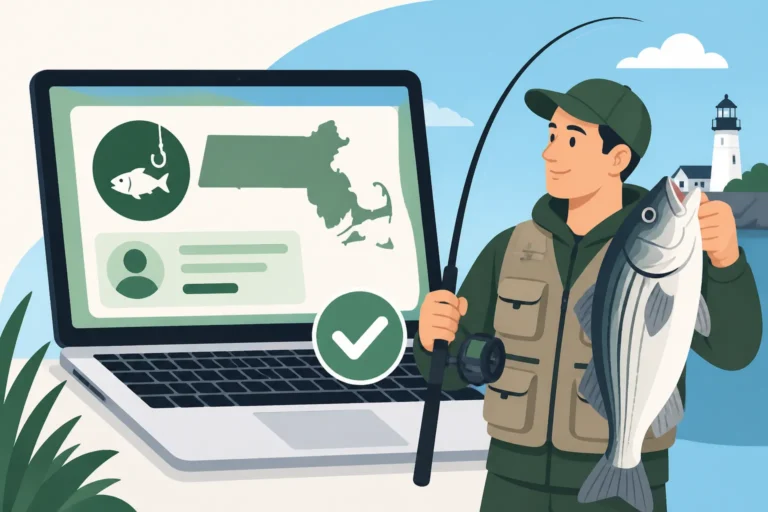
In an increasingly digital world, MassWildlife understands the convenience of having everything at your fingertips. Thankfully, Massachusetts officially accepts digital proof of your fishing license on a smartphone or other electronic device. This is fantastic news for many, as most of us already have our phones with us on the water. The easiest way to access your digital license is directly through the MassFishHunt system, which is the state's official licensing portal. When you log into your account, you can typically view or download a digital copy of your current license. Many anglers simply take a screenshot of their valid license and save it to their photo gallery for quick access. This digital approach often feels less cumbersome than worrying about a paper copy.
However, relying solely on your phone comes with its own set of potential headaches. What happens if your phone battery dies mid-trip, especially if you're out all day on Cape Cod fishing for striped bass? What if you drop it in the drink, or if the screen is cracked and unreadable? Furthermore, sometimes cell service can be spotty in remote fishing locations, making it impossible to log back into MassFishHunt if you need to. While a phone photo of your license is accepted in Massachusetts, it's always wise to ensure your device is charged and that you have a backup plan, whether that's a downloaded PDF, a screenshot, or a printed copy tucked away. Thinking about How MassFishHunt Works for Buying a Massachusetts License is crucial for both digital and physical options.
Other Valid Documents for Specific Situations
While the standard paper or digital license covers most scenarios, there are a few other documents that can serve as valid proof in specific situations:
- Combination Licenses: If you hold a Massachusetts combination hunting and fishing license, the single document serves as proof for both activities. It's an efficient way to cover all your bases if you enjoy both pursuits.
- Temporary Permits: Occasionally, there might be specific temporary permits issued for unique events or research, and these documents would serve as their own proof. Always read the specifics of such permits carefully.
- Proof of Exemption: Certain individuals are exempt from needing a fishing license in Massachusetts, such as young children under 15, or those fishing on Free Fishing Days in Massachusetts. While they don't need a license, they should be prepared to state their age or refer to the specific exemption rule if asked by an officer. It's crucial to know the Massachusetts Fishing License Requirements by Age to understand who needs one.
For saltwater recreational fishing, while it's often referred to as a "saltwater license," it's technically a recreational saltwater fishing permit issued through the Massachusetts Division of Marine Fisheries (DMF) and is also managed through MassFishHunt. The same rules for carrying proof apply whether you're fishing freshwater or saltwater. Understanding the Massachusetts Freshwater vs Saltwater License Differences helps clarify what permit you actually need and thus, what proof to carry.
Here's a quick reference table for acceptable proof:
| Type of Proof | Accepted? | Pros | Cons | Tips for Use |
|---|---|---|---|---|
| Printed License (MassFishHunt/Vendor) | Yes | No battery needed, no cell service required | Can get lost, damaged by water, or torn | Laminate, use a waterproof wallet/pouch. |
| Digital Copy on Smartphone (Screenshot/PDF) | Yes | Convenient, always with you if phone is charged | Relies on battery, screen damage, poor visibility in sun | Charge phone, take multiple screenshots, consider a durable, waterproof phone case (like those found on Amazon). |
| MassFishHunt Mobile App | Yes | Direct access, up-to-date info | Requires data/Wi-Fi, can be slow in remote areas | Download relevant sections offline if possible. |
| Combination Hunting/Fishing License | Yes | Covers both activities with one document | Still susceptible to loss/damage if physical | Treat as a primary license, keep it safe. |
Best Practices for Carrying Your License
Nobody wants to have their fishing trip interrupted by a citation, especially when it could be easily avoided. Being prepared with your license proof is key to a hassle-free experience. Let's talk about the best ways to ensure your license is always where you need it, when you need it.
Protecting Your Physical License
If you prefer the tangible security of a physical license, taking a few extra steps to protect it can make all the difference. Think about the environments you typically fish in: often wet, sometimes muddy, and frequently exposed to the elements.
One of the simplest and most effective methods is to laminate your printed license. Many local office supply stores or print shops offer lamination services for a small fee. Once laminated, your license becomes virtually waterproof and tear-proof, able to withstand splashes, humidity, and general wear and tear from being handled. If you're a DIY enthusiast, you can even find self-laminating pouches on Amazon that don't require a machine. Another excellent option is to invest in a small, clear, waterproof document holder or a dedicated fishing license wallet. Brands like Simms or Orvis offer specific wallets designed for anglers that often have waterproof compartments. You can also find generic waterproof pouches that are perfect for this purpose on Amazon or at any outdoor gear retailer. These pouches usually have a secure ziplock or roll-top closure, ensuring your license stays dry even if it takes an accidental dip. Make sure to keep this protected license in a consistent spot, whether it's a specific pocket in your fishing vest, a tackle box compartment, or a dedicated slot in your fishing backpack. This way, you won't have to scramble when an officer asks to see it.
Ensuring Your Digital Proof is Accessible
For those who rely on their smartphone for digital proof, accessibility is paramount. It’s not enough to just know you can access it; you need to make sure you can access it quickly and reliably. The best practice here is to not only take a screenshot of your valid license from the MassFishHunt website but also to save it to a dedicated album on your phone for easy retrieval. Consider taking multiple screenshots if your license information spans more than one screen. Also, downloading the PDF version of your license directly to your phone's local storage is a fantastic backup. This means you won't need an internet connection to open it, which is a lifesaver in areas with spotty cell service, common in many of Massachusetts' more remote fishing spots like the Quabbin Reservoir.
Battery life is another huge concern. A dead phone means no digital proof. Investing in a portable power bank can be a game-changer for long days on the water. Many reputable brands offer compact, waterproof power banks that can recharge your phone multiple times. You can easily find these on Amazon or at electronics stores. Also, consider a rugged, waterproof phone case that protects your device not just from water but also from drops and impacts, ensuring your screen remains readable. Finally, make it a habit to check your phone’s charge level before you head out, just as you'd check your tackle or bait.
What to Do if You Forget or Lose Your License
It happens to the best of us: you get to your favorite fishing hole, reach for your license, and realize it's not there, or worse, it's fallen out somewhere along the way. Don't panic, but don't just keep fishing either. The first and most critical step is to retrieve proof of your license immediately.
If you have a smartphone with you and decent cell service, the quickest solution is to log into your MassFishHunt account. You can instantly view or re-download your license. This is exactly what the Massachusetts Environmental Police expect you to do. If you can pull it up on your phone, you're usually good to go. If your phone is dead, or you don't have cell service, you need to stop fishing until you can resolve the situation. Continuing to fish without proof, even if you paid for a license, can lead to a citation for "failure to display."
If you truly cannot access a digital copy, your best bet is to head to a nearby tackle shop or authorized license vendor that sells Massachusetts fishing licenses. They can often look up your account on the MassFishHunt system and print you a duplicate license. Be prepared for a small fee for this service. If you've lost your physical license, it's a good idea to get a replacement, especially if you prefer carrying a paper copy. Remember that your Massachusetts Fishing License Renewal Guide will also give you options for reprinting if it’s lost during the year. Ignoring the issue and hoping you don't get checked is a gamble that's simply not worth the potential penalties for fishing without a license in Massachusetts.
Common Misconceptions and FAQs
The world of fishing licenses and permits can sometimes feel like a maze, leading to common misunderstandings that can trip up even experienced anglers. Let's clear up some of the most frequent misconceptions.
"Just My Driver's License is Enough"
This is perhaps one of the most widespread and dangerous misconceptions out there. Many people assume that if they have a state-issued driver's license or ID, and they've previously purchased a fishing license, an officer can simply look them up using that ID. While it's true that Environmental Police officers can access databases, your driver's license alone is absolutely not considered valid proof of your fishing license in Massachusetts.
The law requires you to possess and present your fishing license or permit. Your driver's license confirms your identity and residency, but it doesn't confirm you've paid for or currently hold a fishing privilege. Think of it this way: your driver's license doesn't prove you have car insurance, even though the Registry of Motor Vehicles could look that up. The burden of proof for the fishing license is on you, the angler. Expecting an officer to do the legwork of verifying your license in the field is a recipe for a citation. This is a common pitfall that leads to many avoidable fines.
Reciprocity with Other States
Another common question, especially for those who live near state borders or frequently travel for fishing, is whether a fishing license from a neighboring state like Rhode Island or Connecticut is valid in Massachusetts waters. The short answer for Massachusetts is generally no, there is no blanket reciprocity for state fishing licenses. If you are fishing in Massachusetts waters, whether fresh or salt, you need a valid Massachusetts fishing license or permit, regardless of what licenses you hold from other states.
There can be very specific, limited exceptions for certain border waters, but these are rare and always clearly defined by interstate agreements, which are not common for general fishing. For example, some states might have specific agreements for rivers that form a border. However, for the vast majority of lakes, ponds, rivers, and coastal waters within Massachusetts, you must have a Massachusetts license. This also applies to non-residents who wish to fish here; they must purchase a Massachusetts Fishing License for Nonresidents. Don't assume your New Hampshire or New York license covers you when you cross into the Bay State – it almost certainly doesn't.
Proof for Youth and Senior Anglers
Specific age groups often have different licensing requirements, which can lead to confusion about proof. In Massachusetts:
-
Youth Anglers: Children under the age of 15 are generally not required to have a fishing license to fish in freshwater in Massachusetts. This means they don't need to carry proof of a license because they don't need one to begin with. However, if they are fishing saltwater, they are typically covered under the recreational saltwater fishing permit of an adult (their parent or guardian) who holds one. If they plan to keep fish caught under an adult's permit, they must stay within the adult's bag limit. If they are 15 or older, they do need their own license. It's always a good idea to carry proof of their age (like a school ID or birth certificate, if readily available and safely stored) if they are close to the age cutoff. The rules around Do Kids Need a Fishing License in Massachusetts? are quite clear.
-
Senior Anglers: Massachusetts offers reduced-cost or free licenses for senior residents. For example, Massachusetts residents aged 65 to 69 are eligible for a reduced-fee freshwater license, and those 70 and older are eligible for a free freshwater license. For saltwater, Massachusetts residents 60 years of age and older can obtain a free recreational saltwater fishing permit. While these licenses may be free or discounted, they are still licenses or permits and must be obtained and carried as proof, just like any other license. A senior angler with a free license still needs to present that license upon request. Don't assume that because it's free, you don't need to "carry" it. Always check the specifics on Massachusetts Senior Fishing License Discounts.
Penalties for Non-Compliance and Avoiding Fines
Fishing without a valid license or failing to produce it when requested by an officer is a serious offense in Massachusetts. It’s not just a slap on the wrist; it can result in significant financial penalties and other legal consequences that no angler wants to face.
What Happens if You're Caught Without Proof
If a Massachusetts Environmental Police Officer requests to see your fishing license and you cannot produce valid proof—whether it’s a physical copy, a digital version on your phone, or an acceptable alternative—you are in violation of state law. The immediate consequence will almost certainly be a citation.
The typical fine for a first offense of fishing without a valid license in Massachusetts can be substantial, often in the range of $50 or more, plus court fees and surcharges. While it might seem minor, these costs can quickly add up and ruin your day, or even your month. The exact amount can vary depending on the officer's discretion, the specific circumstances (e.g., if you genuinely forgot it versus if you never purchased one), and whether other violations were observed (like exceeding Massachusetts Freshwater Daily Catch Limits or keeping undersized fish). In more egregious cases, or for repeat offenders, fines can escalate, and fishing privileges could even be suspended. Environmental Police are authorized to confiscate illegally caught fish, and in some situations, even fishing gear. It’s a situation that is easily avoidable by simply being prepared. Knowing the Penalties for Fishing Without a License in Massachusetts is crucial for all anglers.
Proactive Steps to Stay Compliant
Staying compliant with fishing license requirements in Massachusetts is straightforward once you establish a routine. The key is proactive preparation, not reactive scrambling.
First and foremost, always purchase your license or permit before you go fishing. The MassFishHunt online system makes this incredibly easy, accessible 24/7. When purchasing online, be aware that there might be Massachusetts fishing license online processing and convenience fees, but these are typically minor.
Secondly, know your license's expiration date. Most Massachusetts fishing licenses follow a calendar year, expiring on December 31st, regardless of when you purchased it during that year. However, some licenses or permits might have a 365-day validity from the purchase date. Always double-check. Mark your calendar, set a reminder on your phone, or simply make it a habit to renew your license at the start of each new year. The Massachusetts Fishing License Renewal Guide can help you keep track of this.
Third, implement the best practices for carrying your license proof discussed earlier. Whether it’s laminating your paper license and keeping it in a waterproof pouch or ensuring your phone is charged with multiple digital backups, consistency is key. Keep your license in the same spot every time, so it becomes second nature to grab it along with your rod and reel.
Finally, familiarize yourself with the general fishing regulations. While this guide focuses on license proof, being aware of Massachusetts Recreational Fishing Rules and Bag Limits for species like striped bass, trout, or flounder will make you a more responsible and compliant angler overall. MassWildlife publishes a comprehensive abstract of fishing regulations each year, which is readily available online. By taking these proactive steps, you can focus on the joy of fishing, knowing you're fully compliant with Massachusetts law.
Disclaimer
Please note that while this guide provides comprehensive and up-to-date information regarding carrying proof of your Massachusetts fishing license, regulations can change. It is always the angler's responsibility to consult the most current regulations published by the Massachusetts Division of Fisheries and Wildlife (MassWildlife) and the Division of Marine Fisheries (DMF) before engaging in any fishing activity. This article is for informational purposes only and should not be considered legal advice.