Best Fishing Spots in Massachusetts
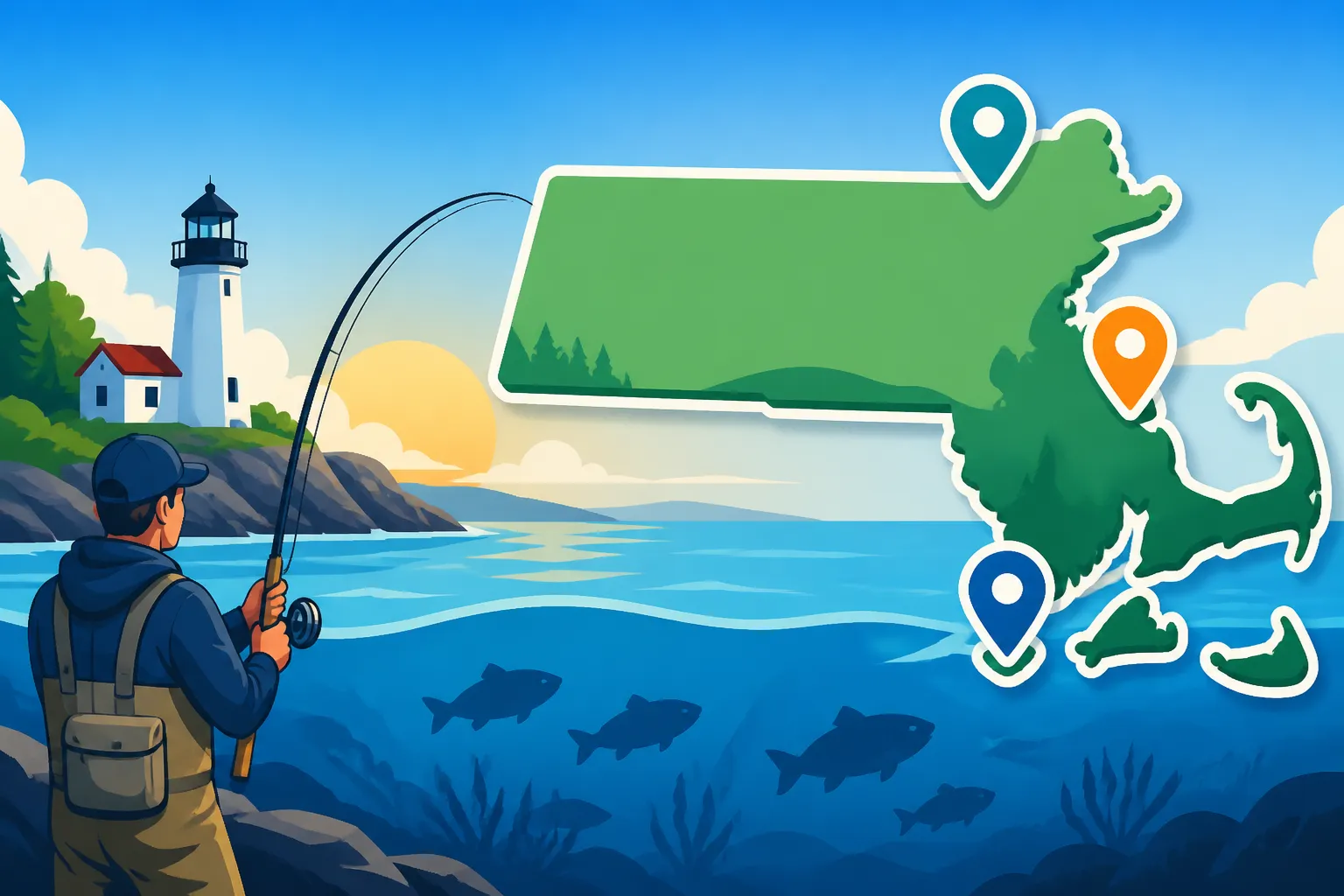
There’s nothing quite like the feeling of anticipation as you cast your line, but finding that perfect fishing spot in Massachusetts can sometimes feel like searching for a needle in a haystack. With so many diverse waters, from expansive reservoirs to bustling harbors and serene coastal beaches, it’s easy to feel overwhelmed. This guide is here to cut through the confusion, helping you pinpoint the best fishing spots across the Commonwealth, ensuring your next angling adventure is both rewarding and memorable.
Unlocking the Coastal Treasures: Massachusetts Saltwater Fishing Hotspots
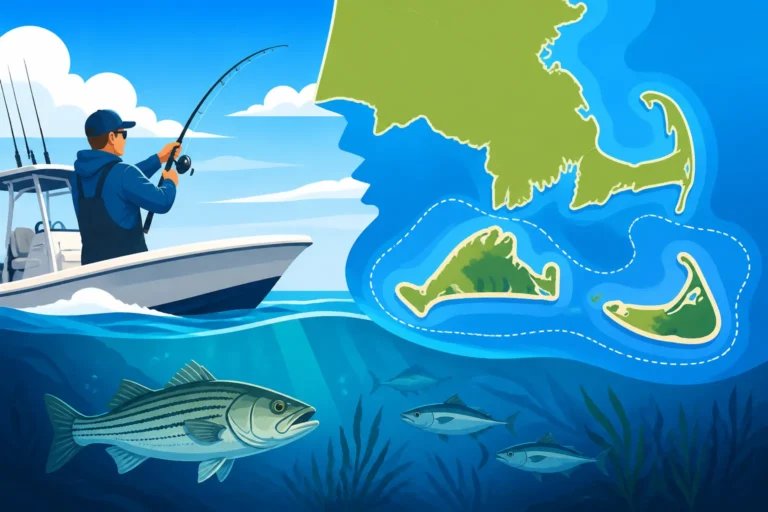
Massachusetts boasts some of the most iconic and productive saltwater fishing in the country, drawing anglers from all over for a chance at striped bass, bluefish, cod, and more. The coastline offers an incredible variety of environments, each presenting unique opportunities and challenges for every type of angler. Whether you prefer the thrill of surfcasting or the convenience of a boat, the Bay State's oceanfront has a spot for you.
The Legendary Cape Cod Canal and Outer Cape Beaches
Ah, the Cape Cod Canal – it's practically a religion for many Massachusetts anglers, and for good reason. This eight-mile man-made waterway connects Buzzards Bay to Cape Cod Bay, creating a powerful tidal flow that acts as a superhighway for baitfish and, consequently, hungry predators like striped bass. Fishing the canal means contending with fierce currents and often shoulder-to-shoulder crowds, especially during prime striper runs. You’ll need heavy tackle, strong lines, and a good understanding of the tides and moon phases to succeed here. Many veteran anglers swear by jigging techniques with artificial lures that can cut through the current, while others prefer live-lining eels from the riprap at night. Imagine the adrenaline rush of a massive striper inhaling your offering as the current rips past – it’s a truly exhilarating experience that makes the crowds and challenges worth it.
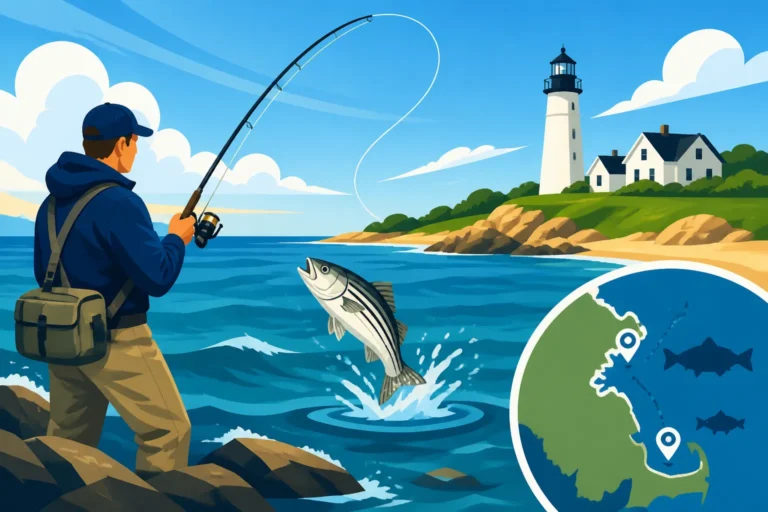
Beyond the Canal, the Outer Cape's vast, sandy beaches offer world-class surfcasting opportunities. Spots like Nauset Beach in Orleans or Race Point in Provincetown become prime battlegrounds during the fall run when huge schools of baitfish, followed by hungry striped bass and bluefish, migrate south. Here, you'll be casting into the open Atlantic, battling the waves and the wind. A sturdy surf rod, a reliable reel, and a variety of lures like poppers, pencils, and swimming plugs are your best friends. The feeling of standing on a deserted beach at dawn, watching the sun rise over the ocean, and then feeling the solid thump of a fish on your line is unparalleled. It’s a completely different experience than the Canal's intensity, offering a more solitary and reflective angling journey. You might even stumble upon some unexpected species, like bonito or false albacore, closer to shore during late summer and early fall, adding an extra layer of excitement to your day. For more on this renowned location, check out our Cape Cod Canal Fishing Guide for Massachusetts Anglers.
Boston Harbor and the North Shore's Abundant Waters
Boston Harbor isn't just for historic tours and ferry rides; it's a surprisingly productive fishing ground right in the heart of the city. The harbor's myriad islands, rocky outcrops, and urban structure create excellent habitat for striped bass, bluefish, and even some winter flounder. Many anglers find success fishing from shore at places like Castle Island or Nut Island, casting soft plastics or chunks of bait into the currents. Boat anglers, however, unlock a whole new world, allowing access to deeper channels, island structure, and expansive flats where stripers often cruise. Imagine launching your boat before sunrise, navigating past the city skyline, and finding yourself in a peaceful cove hooking into a feisty bluefish – it's an incredible juxtaposition of urban and wild.
Moving north, the North Shore, encompassing areas like Gloucester and Cape Ann, offers rugged coastline, deep-water fishing, and historic fishing towns. This region is famous for its rocky shorelines and offshore banks that hold a diverse array of species. From shore, anglers can target striped bass and bluefish from countless jetties and rocky points. But the real draw here, especially for boaters, is the chance at species like cod, haddock, and even formidable bluefin tuna further offshore. Gloucester, in particular, is a hub for deep-sea charters that venture out to Stellwagen Bank. If you're serious about battling a tuna, securing a spot on one of these specialized trips is essential. You can often find reputable charters through platforms like FishingBooker, which makes it easy to compare options and book your deep-sea adventure. Whether you're casting from a public pier or embarking on an offshore expedition, the North Shore offers a rich tapestry of saltwater fishing experiences.
Buzzards Bay, Vineyard Sound, and the Islands
Venturing south of Cape Cod, Buzzards Bay offers a completely different character of saltwater fishing. Protected from the direct onslaught of the open Atlantic, Buzzards Bay is known for its calmer, shallower waters and abundant structure, making it a haven for bottom fish and a nursery for various species. Fluke (summer flounder) are a prime target here, along with scup, tautog, and of course, striped bass and bluefish. Drift fishing with bait like squid or Gulp! is incredibly effective for fluke, allowing your offering to cover a wide area of the bay's sandy and grassy bottoms. The numerous coves, estuaries, and rocky shorelines also provide excellent spots for kayak anglers or those fishing from smaller boats. Think about a peaceful morning drift, feeling the subtle tap of a fluke, or finding a sheltered cove perfect for targeting schoolie stripers.
Further out, the allure of Martha's Vineyard and Nantucket for fishing is undeniable. These islands are surrounded by incredibly rich waters, including the productive Vineyard Sound and Nantucket Sound. Both offer fantastic opportunities for striped bass, bluefish, bonito, and false albacore, especially during the late summer and fall. Shore anglers on the islands can find pristine beaches and rocky points that often hold cruising fish. For many, however, the ultimate island fishing experience involves a charter boat. These charters can take you to offshore rips, shoals, and structure where larger game fish congregate. Imagine spending a day exploring the waters around Chappaquiddick or fishing the rips off Muskeget, chasing elusive false albacore. It’s an unforgettable experience, combining stunning scenery with world-class fishing. Exploring the fishing license requirements for these island excursions is crucial, so be sure to check out the Massachusetts Recreational Fishing Rules and Bag Limits before you go.
Discovering the Depths: Premier Freshwater Fishing Destinations
While the coastline often gets the spotlight, Massachusetts's freshwater fishing scene is equally impressive, offering serene lakes, expansive reservoirs, and pristine rivers. From trophy trout to hard-fighting bass and panfish perfect for family outings, the inland waters provide endless opportunities for anglers seeking a different kind of challenge.
The Mighty Quabbin and Wachusett Reservoirs
When it comes to freshwater fishing in Massachusetts, the Quabbin Reservoir stands as an absolute titan. This massive body of water, covering over 40 square miles, is the primary water supply for Boston and much of Eastern Massachusetts, and its strict regulations have helped create a truly incredible fishery. Anglers come from far and wide to target trophy lake trout, landlocked salmon, and smallmouth bass. Boat fishing is permitted under strict rules, including requiring special Quabbin Reservoir boat permits, ensuring the reservoir's pristine nature is maintained. Imagine the thrill of hooking into a massive lake trout in these deep, clear waters, or the challenge of enticing a landlocked salmon with specialized trolling techniques. The sheer size and depth of the Quabbin mean it often feels like you have the entire lake to yourself, a truly unique experience in our busy state. To fully prepare for an adventure on these legendary waters, consult our comprehensive Quabbin Reservoir Fishing Guide for Massachusetts Anglers.
Just west of Boston lies the Wachusett Reservoir, another significant water supply and a fantastic, albeit often overlooked, fishing destination. While boat fishing is generally not permitted (with very rare exceptions for specific permitted activities), shore fishing opportunities abound. Wachusett is renowned for its excellent populations of brown trout, rainbow trout, and smallmouth bass. Anglers often fish from designated shore access points, casting spoons, spinners, or bait. The deep, cold waters of Wachusett provide ideal conditions for these species, and many anglers report catching some truly impressive fish here. Picture yourself casting from a rocky shoreline, taking in the picturesque views, and feeling the powerful strike of a large brown trout. It’s a rewarding experience that requires patience and a good understanding of the reservoir's varied depths and structures. For detailed access information and rules, our Wachusett Reservoir Fishing Access Rules in Massachusetts guide is an invaluable resource.
Lakes and Ponds: From Metrowest to Southeastern MA
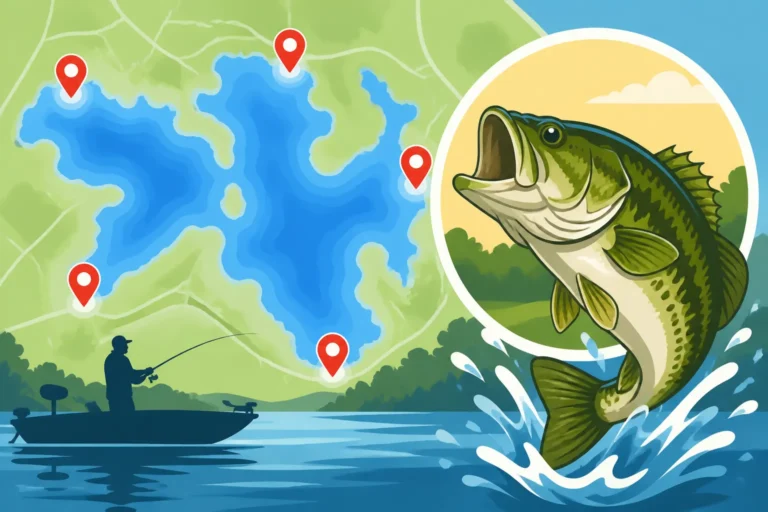
Beyond the behemoth reservoirs, Massachusetts is dotted with countless lakes and ponds, each offering its own unique angling charm. For largemouth bass enthusiasts, many of these ponds, especially in the Metrowest and Southeastern regions, are absolute goldmines. Lakes like Lake Quinsigamond in Worcester, Otis Reservoir in the Berkshires, or Long Pond in Lakeville offer fantastic bass fishing. These waters often have abundant cover like lily pads, submerged timber, and weed lines, providing perfect ambush points for largemouths. Imagine the excitement of a topwater blow-up as a chunky largemouth attacks your frog lure across a mat of lily pads! These are often easier access points for casual anglers and families, too, with plenty of public boat ramps and shore access.
These smaller water bodies also excel for panfish like bluegill, perch, and crappie, making them ideal for beginner anglers or those looking for a relaxed day on the water. A simple bobber, a worm, and a light rod can lead to hours of fun, providing consistent action for kids and adults alike. Places like Assawompset Pond are known for their healthy populations of these species. The key to success in these diverse ponds is often observation – looking for signs of baitfish, understanding the water temperature, and identifying structure. Whether you're hunting for a trophy bass or simply enjoying the tug of a bluegill, the sheer number and variety of ponds across Massachusetts ensure there’s always a new spot to explore. Remember to verify if you need a license to fish in Massachusetts ponds, as the rules can vary depending on whether it's public or private water.
Trout Streams and Coldwater Fisheries in Western Massachusetts
For the trout purists and fly-fishing aficionados, Western Massachusetts offers a different kind of freshwater paradise. The region's cold, clear rivers and streams, fed by mountain springs, are home to wild brook trout, brown trout, and frequently stocked rainbow trout. Rivers like the Deerfield River and parts of the Housatonic River are nationally recognized for their fly-fishing quality. The Deerfield, in particular, has stretches managed as "trophy trout" waters, offering a chance at truly large specimens. Fly fishing these rivers requires skill, stealth, and a keen understanding of entomology to match the hatch. Imagine the delicate dance of casting a dry fly into a riffle, watching it drift perfectly, and then witnessing a beautiful wild brook trout rise to the surface.
Beyond the major rivers, countless smaller brooks and streams crisscross the landscape of the Berkshires, often holding populations of native brook trout. These waters are often overgrown, requiring bushwhacking and careful wading, but the reward of catching a jewel-toned wild brook trout in its natural habitat is immense. It's an experience that connects you directly with nature and the ancestral roots of fly fishing. MassWildlife also regularly stocks many of these smaller streams and ponds throughout the state, making trout fishing accessible even for spin fishermen. Keeping an eye on the Massachusetts Trout Stocking Schedule is key if you want to be there shortly after the fresh stock arrives. The beauty of these coldwater fisheries lies not just in the fish, but in the serene, unspoiled environments they inhabit, offering a peaceful escape from the everyday.
Iconic Rivers and Their Bounty: Massachusetts River Fishing
Massachusetts is crisscrossed by several significant river systems, each providing unique angling opportunities that complement the state's coastal and lake fishing. These rivers act as vital arteries, connecting different ecosystems and hosting a diverse array of fish species throughout the year.
The Connecticut River: A Lifeline for Diverse Species
The Connecticut River, flowing through Western Massachusetts, is a powerhouse of freshwater fishing. It's the longest river in New England and offers an incredible variety of angling experiences. For many, the Connecticut River is synonymous with smallmouth bass fishing, with its rocky bottoms, swift currents, and abundant forage creating ideal conditions for these hard-fighting fish. Imagine drifting a jig or a tube bait along a rocky bank and feeling the aggressive strike of a bronzeback. The river also holds impressive populations of largemouth bass in its quieter oxbows and backwaters, providing opportunities for both species in the same system.
Beyond bass, the Connecticut River is famous for its migratory runs of American shad and river herring in the spring. These anadromous fish make their way upriver to spawn, drawing anglers armed with shad darts and small spoons. It's a truly unique seasonal fishery, offering fast action and a chance to catch fish that have traveled hundreds of miles. Catfish, particularly channel catfish, are also abundant in the deeper, slower sections of the river, especially during the warmer months, providing exciting night fishing opportunities for those targeting bigger game. Whether you're a seasoned fly angler or a bait fisherman, the Connecticut River's vastness and diversity ensure there's always something new to discover. Delve deeper into this river's potential with our Connecticut River Fishing in Massachusetts guide.
Merrimack and Charles Rivers: Urban and Suburban Fishing
Closer to the eastern side of the state, the Merrimack River offers excellent fishing, particularly in its lower reaches near Haverhill and Lowell. This river provides a unique blend of freshwater and tidal influences, attracting both freshwater species and, at times, even striped bass as they push upriver. The Merrimack is well-regarded for its smallmouth and largemouth bass fishing, with many access points from shore and boat ramps. Anglers here often find success targeting structure around bridges, docks, and submerged timber. Imagine launching your boat on a calm morning, navigating past historical mill buildings, and then settling into a productive bass fishing spot. The diversity of the Merrimack also means you can often find yellow perch, crappie, and even pike in certain sections, making it a great all-around fishing destination.
The Charles River, winding through Boston and its surrounding suburbs, is another example of an urban waterway offering surprising fishing opportunities. While perhaps not known for trophy fish, the Charles holds a healthy population of largemouth bass, various panfish, and carp. It’s incredibly accessible, with numerous parks and public docks where anglers can cast a line. This river is fantastic for a quick after-work session or a family outing, where the focus is less on landing a monster and more on simply enjoying the act of fishing. Kayak and canoe anglers particularly love the Charles for its peaceful stretches and hidden coves, allowing them to explore areas inaccessible from shore. Remember, even in urban environments, understanding local regulations and consumption advisories for fish is crucial.
Deerfield and Housatonic Rivers: Fly Fishing Paradise
For those seeking the quintessential New England trout stream experience, the Deerfield and Housatonic Rivers in Western Massachusetts are unparalleled. These rivers are renowned for their cold, clear waters and thriving trout populations, making them magnets for fly anglers. The Deerfield River, especially its "catch and release" sections, is a true gem, offering a chance at large brown trout and rainbow trout. It’s a challenging but incredibly rewarding river, where matching the hatch and presenting a delicate fly can lead to unforgettable catches. Imagine wading through crystal-clear water, meticulously casting your fly into a pocket of calm behind a boulder, and watching a beautiful trout rise to your offering.
The Housatonic River in the Berkshires is another excellent option, particularly for wild brook trout and brown trout. While sections can be smaller and more intimate than the Deerfield, they offer a wilder, more untamed experience. Anglers often explore the Housatonic's tributaries for native brook trout, which thrive in these unspoiled environments. These rivers demand patience, skill, and an appreciation for the subtle nuances of fly fishing. They are places where the experience of being in nature, surrounded by stunning scenery, is as important as the fish you catch. Before you go, be sure you understand the Massachusetts Fishing License Requirements by Age to ensure you're compliant.
Hidden Gems and Local Favorites: Lesser-Known Massachusetts Spots
While the big-name locations are fantastic, Massachusetts also harbors countless smaller, quieter fishing spots that often fly under the radar. These hidden gems can offer fantastic fishing without the crowds, providing a more intimate and often more peaceful angling experience.
Exploring Smaller Ponds and Brooks
Beyond the major lakes, Massachusetts is dotted with thousands of smaller ponds and brooks, many of which are regularly stocked with trout by MassWildlife, or hold healthy populations of native warmwater species. These spots might not be prominently featured on every "best of" list, but they can offer incredible fishing, especially if you're willing to do a little exploring. Imagine finding a small, secluded pond in a state forest, where the only sounds are the rustling leaves and the splash of a rising bass. These ponds are often perfect for targeting largemouth bass, pickerel, and panfish like bluegill and crappie. A small jon boat, a kayak, or even just shore access can open up a world of possibilities.
For trout anglers, exploring the state's smaller, unnamed brooks can lead to exciting discoveries of wild brook trout. These waters often require a lighter touch, smaller lures or flies, and a bit of bushwhacking, but the reward of catching a native fish in its untouched habitat is truly special. Sometimes the best spots are those you stumble upon yourself, through a tip from a local, or by simply looking at a detailed map and venturing out. These smaller waters are also fantastic for introducing children to fishing, as the action can often be more consistent and the environment less intimidating than larger, more popular destinations.
Pier and Jetty Fishing: Accessible Angling
Not everyone has a boat, and that's perfectly fine in Massachusetts, thanks to an abundance of public piers and jetties that offer excellent shore fishing access. These structures provide easy access to deeper water and often act as magnets for baitfish, which in turn attract larger predatory species. Along the coast, spots like the Salisbury Beach State Reservation pier, Rocky Neck Park in Gloucester, or various town piers on Cape Cod offer chances at striped bass, bluefish, flounder, and scup. Imagine setting up your rod on a warm summer evening, casting out a chunk of mackerel or a soft plastic, and enjoying the sea breeze while waiting for a bite.
In freshwater, many town ponds and lakes feature fishing piers, making them incredibly accessible for families, seniors, or those with limited mobility. These piers often put you right over prime habitat for panfish, bass, and even stocked trout. They provide a safe, convenient platform to enjoy fishing without needing specialized gear or extensive knowledge of the water. Just be mindful of fellow anglers and share the space. These spots are fantastic for a spontaneous fishing trip, requiring minimal planning but offering maximum enjoyment. Our guide on Massachusetts Rules for Fishing From a Pier or Bridge can provide additional clarity on regulations specific to these locations.
Kayak and Canoe Hotspots: Getting Off the Beaten Path
For those who crave solitude and access to untouched waters, kayaking and canoeing for fishing has become incredibly popular in Massachusetts. These nimble vessels allow anglers to explore narrow rivers, shallow coves, and hidden sections of ponds and estuaries that larger boats can't reach. Imagine paddling silently through a marshy creek on Cape Cod, stealthily approaching a productive flat where striped bass are feeding, or navigating a quiet freshwater pond to target bass hiding in dense cover. This approach offers a truly immersive and intimate fishing experience.
Many smaller ponds and lakes, especially those with limited motorized boat access, become prime kayak fishing destinations. The Charles River, parts of the Merrimack River, and numerous coastal estuaries are also perfect for paddle craft. Kayak fishing allows you to cover more water than shore fishing while providing a quieter, less intrusive presence on the water. It’s an ideal way to escape the crowds and discover your own secret fishing spots, truly getting off the beaten path. Finding specific launch points and understanding local regulations for paddle craft is key to a successful trip, but the effort is well worth the reward of quiet waters and unpressured fish.
Planning Your Trip: Essential Considerations for Massachusetts Fishing
Before you even think about casting a line, a little planning goes a long way in Massachusetts. Knowing the rules, having the right gear, and understanding when to go can make all the difference between a frustrating day and an unforgettable one.
Researching Regulations and Licenses
This is probably the most critical step, and honestly, it's where a lot of new anglers or visitors trip up. Massachusetts has a dual licensing system: one for freshwater and one for saltwater. If you plan to fish in both, you'll need both. And trust me, the penalties for fishing without a license or violating regulations can be steep, so it's not worth the risk. For freshwater, you'll need a Massachusetts Freshwater Fishing License. For saltwater, you generally need a Massachusetts Recreational Saltwater Fishing Permit, though there are some specific exemptions (like for those fishing on a licensed for-hire vessel where the captain's permit covers the passengers).
Regulations also vary significantly by species, season, and even specific water bodies. For instance, the Quabbin Reservoir has its own unique set of rules regarding permits, boat sizes, and species limits. Striped bass have a very specific slot limit, meaning you can only keep fish within a certain size range, not too small and not too large. Bluefish, tautog, fluke, and many freshwater species also have specific bag limits and size restrictions. It's truly a maze sometimes! The best place to get current information is directly from the MassWildlife website or by picking up a copy of the Massachusetts Fishing Regulations pamphlet. Understanding these rules is not just about avoiding fines; it's about responsible angling and helping to conserve our precious fish populations. Don't forget to check out our Massachusetts Fishing License Guide for a comprehensive overview of requirements.
Gear Up for Success: Essential Tackle and Apparel
Having the right gear isn't just about comfort; it's about effectiveness and safety. For saltwater fishing, especially in places like the Cape Cod Canal or offshore, you'll need robust rods and reels capable of handling strong currents and powerful fish. A 7-9 foot medium-heavy to heavy spinning rod paired with a durable reel spooled with 30-50 lb braided line is a good starting point for striped bass and bluefish. Offshore, you'll be looking at even heavier conventional setups for tuna or cod. Don't skimp on tackle; strong hooks, reliable swivels, and an assortment of lures (jigs, plugs, soft plastics) are essential. For those looking for local expertise, consider stopping by a reputable bait and tackle shop like Red Top Sporting Goods near the Cape Cod Canal or Kittery Trading Post (though technically in Maine, they have a massive selection relevant to MA fishing).
Freshwater fishing, particularly for panfish and smaller trout, can be much lighter. A 6-7 foot light to medium-light spinning rod with 4-8 lb test line is often perfect. For fly fishing, a 5-8 weight rod is versatile for most trout streams and even some bass ponds. Beyond rods and reels, think about your personal gear. Polarized sunglasses are non-negotiable for spotting fish and structure. Sunscreen, a wide-brimmed hat, and appropriate layers of clothing (even in summer, mornings can be chilly, and evenings damp) will make your trip far more enjoyable. Waterproof outerwear is a lifesaver if the weather turns. And always, always bring plenty of water and snacks.
Finding Guides and Charters for Specific Spots
Sometimes, the best way to tackle a new or challenging fishing spot in Massachusetts is to go with a pro. Fishing guides and charters offer invaluable local knowledge, expertise, and often, all the necessary gear. If you're targeting giant bluefin tuna offshore, a specialized tuna charter is virtually essential. These captains know where the fish are, what they're biting, and how to safely handle these powerful creatures. Likewise, for specific techniques like jigging the Cape Cod Canal or fly fishing the Deerfield River, a local guide can drastically improve your chances of success and shorten the learning curve.
There are many excellent charter captains operating out of Massachusetts ports like Gloucester, Boston, Plymouth, and various towns on Cape Cod and the Islands. For freshwater, especially on large, complex waters like the Quabbin Reservoir, a licensed guide can be invaluable for navigating and finding productive areas. You can often find reputable guides and charters through local bait shops, online reviews, or by using booking platforms. FishingBooker is a great resource here, allowing you to browse available charters, read reviews from other anglers, and compare prices and offerings easily. This can be particularly helpful if you're looking for something specific, like Massachusetts Bluefin Tuna Charters or a family-friendly trip. While it's an investment, a guided trip can provide an unforgettable experience and teach you skills that will last a lifetime.
Fishing Year-Round: Seasonal Strategies for Massachusetts Spots
Massachusetts fishing isn't just a summer affair. Each season brings its own set of opportunities, challenges, and target species. Understanding these seasonal shifts is key to maximizing your success and enjoying the diverse angling landscape the state offers.
Spring into Action: Awakening Waters and Spawning Runs
As the ice retreats and water temperatures slowly climb, spring awakens the fishing scene in Massachusetts. This is prime time for trout fishing, as MassWildlife begins its extensive stocking program across ponds and streams statewide. Anglers flock to these freshly stocked waters, using everything from worms and power bait to small spinners and flies. The early spring can also bring excellent opportunities for holdover trout in larger rivers and lakes. Imagine hitting a newly stocked pond, and within minutes, feeling the thrilling tug of a rainbow trout – it's a great way to kick off the season.
Spring is also critical for migratory fish. The anadromous runs of American shad and river herring begin in rivers like the Connecticut and Merrimack, offering fast-paced action. These fish are often targeted by casting small, brightly colored darts or spoons. For saltwater anglers, spring marks the eagerly anticipated arrival of striped bass. As water temperatures reach the mid-50s, smaller schoolie stripers appear in estuaries and along the coastline, followed by larger fish as the season progresses. Fishing with soft plastics or small plugs in tidal creeks and protected bays can be incredibly productive during this time. The air still has a chill, but the promise of a fresh season makes spring fishing incredibly invigorating. Our guide, When Does Massachusetts Start Stocking Trout in 2026? is a must-read for planning your spring trout trips.
Summer's Bounty: Warm Water and Offshore Adventures
Summer is when Massachusetts fishing truly hits its stride, offering the widest array of opportunities for both freshwater and saltwater anglers. In freshwater, warmwater species like largemouth bass, smallmouth bass, and panfish become incredibly active. Topwater lures at dawn and dusk can be explosive for bass in ponds and lakes, while crankbaits and jigs work well in deeper water during the heat of the day. Imagine the heart-stopping excitement of a largemouth bass exploding on your frog lure in a lily pad field.
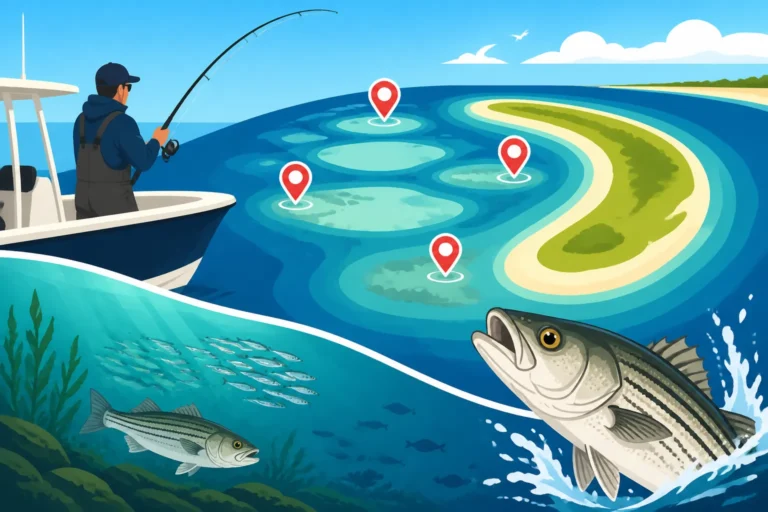
Saltwater fishing really heats up in summer. Striped bass are in full swing, with larger fish being caught from the Cape Cod Canal, outer beaches, and various inshore structures. Bluefish arrive in force, providing ferocious strikes and challenging fights. Offshore, the tuna bite often begins to ignite, with bluefin, yellowfin, and even bigeye tuna being targeted by specialized charters far offshore. Bottom fishing for fluke, scup, and black sea bass is also excellent during the summer months, providing consistent action for anglers of all skill levels. It's a time for long days on the water, whether you're drifting for fluke in Buzzards Bay or battling a powerful striper from the surf.
Fall Frenzy: Migratory Species and Cooling Waters
For many, fall is the undisputed king of Massachusetts fishing. As water temperatures begin to drop, a massive migration occurs along the coast. This is the "fall run," when huge schools of baitfish, followed by ravenous striped bass and bluefish, push south. Places like the Cape Cod Canal and the Outer Cape beaches become legendary for their potential to produce trophy-sized stripers. Anglers will often be casting large plugs, swimbaits, and even live eels to intercept these migrating giants. Imagine the chaos and excitement of a "blitz" where stripers are crashing bait on the surface right in front of you.
In freshwater, fall provides fantastic opportunities for brown trout and landlocked salmon in reservoirs like Quabbin and Wachusett, as these fish become more active in the cooler water. Many ponds and streams also receive a fall trout stocking, rejuvenating the trout fishing. Bass fishing can also be excellent, as fish feed aggressively in preparation for winter. The vibrant foliage, crisp air, and often fewer crowds make fall a truly magical time to be on the water in Massachusetts, offering some of the year's best fishing opportunities.
Winter Wonderland: Ice Fishing and Cold Weather Opportunities
Don't hang up your rod just yet when winter arrives! While many anglers hibernate, a dedicated contingent embraces the cold for ice fishing. Once safe ice forms (generally at least 4-6 inches thick), numerous ponds and lakes across the state transform into winter fishing villages. Anglers drill holes, set up tip-ups for pickerel and perch, or jig for crappie and bass. Imagine the serene beauty of a snow-covered pond, interrupted only by the flag of a tip-up signaling a bite! Places like Lake Quinsigamond, Otis Reservoir, and various smaller ponds are popular ice fishing destinations.
Even in saltwater, some opportunities exist. Hardcore anglers might target cod and haddock on offshore trips, though these are challenging and weather-dependent endeavors. Inshore, species like winter flounder can sometimes be found in deeper harbors and estuaries. While winter fishing requires specialized gear, warm clothing, and a keen eye on ice safety, it offers a unique and often peaceful angling experience. It's a testament to the fact that in Massachusetts, the fishing season truly never ends if you know where to look and what to target. For detailed safety measures, consult our Massachusetts Ice Fishing Safety and Ice Thickness guide.
Beyond the Cast: Experiencing Massachusetts' Fishing Culture
Fishing in Massachusetts is more than just catching fish; it's a vibrant culture, deeply intertwined with the state's maritime history and love for the outdoors. Engaging with this culture can enhance your fishing trips and connect you with a passionate community.
Local Bait Shops and Community Hubs
One of the best ways to tap into the local fishing scene is by visiting your local bait and tackle shop. These aren't just places to buy worms and lures; they're community hubs, filled with experienced anglers eager to share knowledge (sometimes!). The folks behind the counter often have the most up-to-date information on what's biting, where the fish are, and what tackle is working best. Imagine walking into a shop like Goose Hummock Shops on Cape Cod or Belsan Bait & Tackle on the South Shore, hearing the chatter, seeing the photos of recent catches, and getting that vital tip that makes your day.
Beyond the practical advice, these shops offer a sense of camaraderie. They're where stories are swapped, tall tales are told, and friendships are forged. You can learn about local nuances, discover new techniques, and get recommendations for lesser-known spots. Supporting these local businesses also helps keep the fishing community strong. So, before you head out, make it a point to pop into a local shop; you might leave with more than just bait – you might leave with a secret.
Fishing Derbies and Tournaments
Throughout the year, Massachusetts hosts a variety of fishing derbies and tournaments, catering to different species and skill levels. These events are fantastic ways to test your angling prowess, compete for prizes, and connect with fellow enthusiasts. From local pond derbies for kids to serious striped bass tournaments on the Cape, there's usually an event for everyone. Imagine the excitement of weighing in your prize catch alongside dozens of other passionate anglers, all sharing stories and high-fives.
These events often bring a heightened sense of excitement and can reveal new techniques or spots from top competitors. Many towns host annual spring trout derbies, making them perfect family-friendly events. For saltwater, major tournaments for striped bass and bluefish draw serious anglers, offering substantial prizes but also demanding a high level of skill and dedication. Participating in or even just observing these derbies can be a great way to deepen your appreciation for Massachusetts fishing and become more involved in the community. You can often find schedules for these events through MassWildlife or local fishing clubs.
| Fishing Spot | Primary Species Targeted | Best Season | Accessibility | Notes |
|---|---|---|---|---|
| Cape Cod Canal | Striped Bass, Bluefish | Spring, Summer, Fall | Shore, Boat | Strong currents, often crowded, specialized jigging techniques. |
| Quabbin Reservoir | Lake Trout, Landlocked Salmon, Smallmouth Bass | Spring, Fall | Boat (permit required) | Deep, clear water, trophy fish, strict regulations. |
| Deerfield River | Brown Trout, Rainbow Trout | Spring, Summer, Fall | Shore, Wade | Fly fishing paradise, wild and stocked trout, scenic. |
| Boston Harbor | Striped Bass, Bluefish, Flounder | Spring, Summer, Fall | Shore, Boat | Urban fishing, island structure, accessible. |
| Lake Quinsigamond | Largemouth Bass, Smallmouth Bass, Panfish | Spring, Summer, Fall | Shore, Boat | Great for bass, family-friendly, ice fishing in winter. |
| Buzzards Bay | Fluke, Tautog, Scup, Striped Bass | Summer, Fall | Boat, Kayak | Calmer waters, good for bottom fishing, diverse species. |
Protecting Our Waters: Responsible Angling in Massachusetts
As anglers, we have a responsibility to be good stewards of the environment. The health of Massachusetts's fisheries depends on all of us practicing responsible angling. This isn't just about following rules; it's about ethical behavior and a commitment to conservation.
Catch and Release Best Practices
While keeping a legal catch for the dinner table is a joy, practicing catch and release, especially for larger breeding fish or when limits are easily met, is crucial for sustainable fisheries. For striped bass, for example, many anglers advocate for releasing larger "cow" stripers to ensure they continue to spawn. When practicing catch and release, handle fish minimally and gently. Use wet hands to protect their slime coat, and avoid touching their gills. Remove hooks quickly using pliers or dehookers. If a fish is deeply hooked, cut the line as close to the hook as possible.
Consider using circle hooks when bait fishing, as they often result in a hook set in the corner of the mouth, reducing gut hooking. For freshwater trout, especially in catch-and-release only sections of rivers, barbless hooks make removal much easier and less traumatic for the fish. Releasing fish in good condition ensures they can survive to spawn another day, contributing to healthy populations for future generations of anglers. It's a small effort that makes a huge difference.
Minimizing Your Environmental Impact
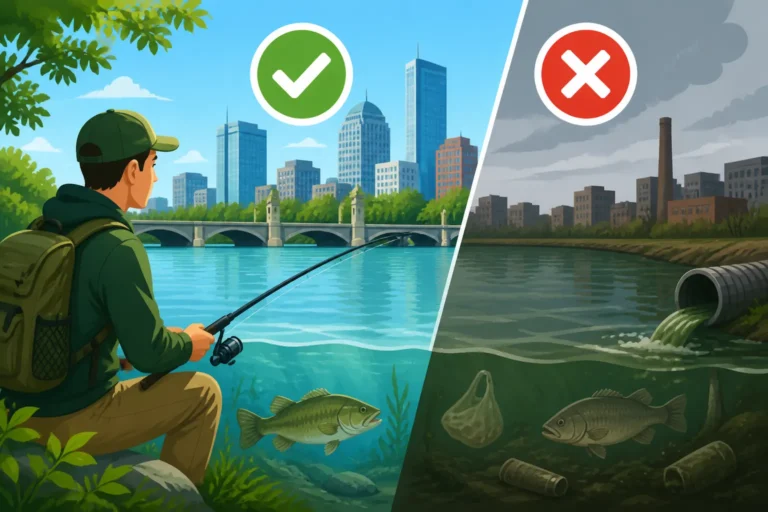
Beyond fish handling, minimizing your overall environmental impact is vital. Always pack out everything you pack in – and if you see litter, pick it up, even if it's not yours. Lost fishing line, lures, and plastic containers can be devastating to wildlife. Dispose of monofilament line in designated recycling bins, often found at bait shops or boat ramps.
Be mindful of sensitive habitats. Avoid walking through spawning beds, disturbing nesting birds, or trampling fragile vegetation. If you're using a boat, be aware of prop wash in shallow areas and operate at safe speeds. For those fishing on remote shorelines or islands, respect private property and leave no trace. Every angler has a role to play in preserving the beauty and productivity of Massachusetts's fishing spots. By being responsible and considerate, we ensure these incredible resources remain vibrant for years to come. Remember, the Massachusetts Wildlands Conservation Stamp funds many of these critical conservation efforts.
Disclaimer
Please note that fishing regulations in Massachusetts are subject to change. Always consult the official Massachusetts Division of Fisheries and Wildlife (MassWildlife) website or obtain their most current regulations guide before heading out. This guide is for informational purposes only and does not supersede state laws or regulations.