Where to fish Vineyard Sound for bluefish
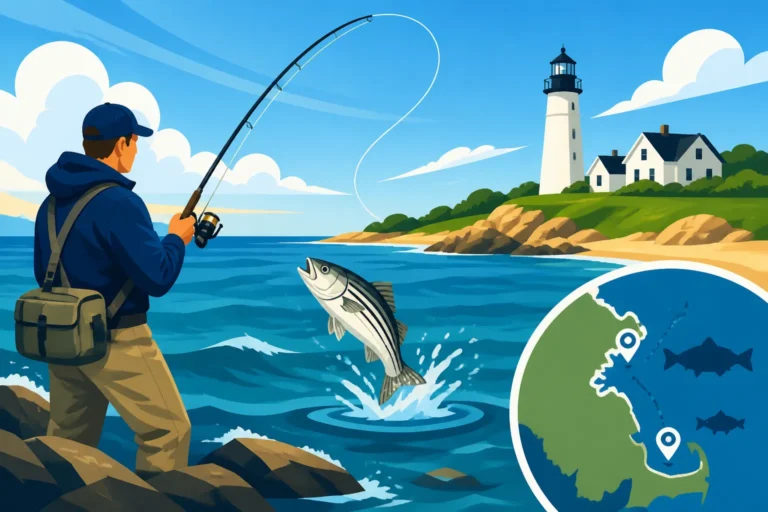
The thrill of a bluefish hitting your line is something truly special—that explosive strike, the drag screaming, and the sheer power these toothy predators possess can be addicting. But trying to pinpoint where exactly these aggressive fighters are lurking in a vast, dynamic area like Vineyard Sound can feel like searching for a needle in a haystack, often leaving anglers frustrated and empty-handed. This guide is designed to cut through the guesswork, giving you the insider knowledge on the prime locations within Vineyard Sound where bluefish congregate, along with the most effective methods and timings to ensure you're not just fishing, but catching.
Understanding Bluefish Behavior in Vineyard Sound
Bluefish are migratory, schooling predators, and their presence in Vineyard Sound is heavily influenced by water temperature and the availability of their preferred baitfish. Typically, these powerful fish arrive in Massachusetts waters as the temperatures rise, usually by late spring, and they stick around well into the fall, sometimes even early winter if the conditions remain favorable. Vineyard Sound, with its unique geography, offers a perfect environment for bluefish: a blend of strong currents, varying depths, and abundant baitfish like mackerel, squid, silversides, and menhaden (pogies). This makes it a consistent bluefish hotspot year after year.
Their aggressive nature means they're not shy about hitting lures or bait, often striking with a ferocity that can surprise even seasoned anglers. They travel in schools, so when you find one, you're often in for a sustained period of action. However, their movements can be unpredictable, sometimes favoring deeper channels, other times schooling closer to shore or around rips where baitfish are concentrated by currents. Knowing these general behaviors is the first step to successfully targeting them in the complex ecosystem of Vineyard Sound.
Prime Bluefish Hotspots Across Vineyard Sound
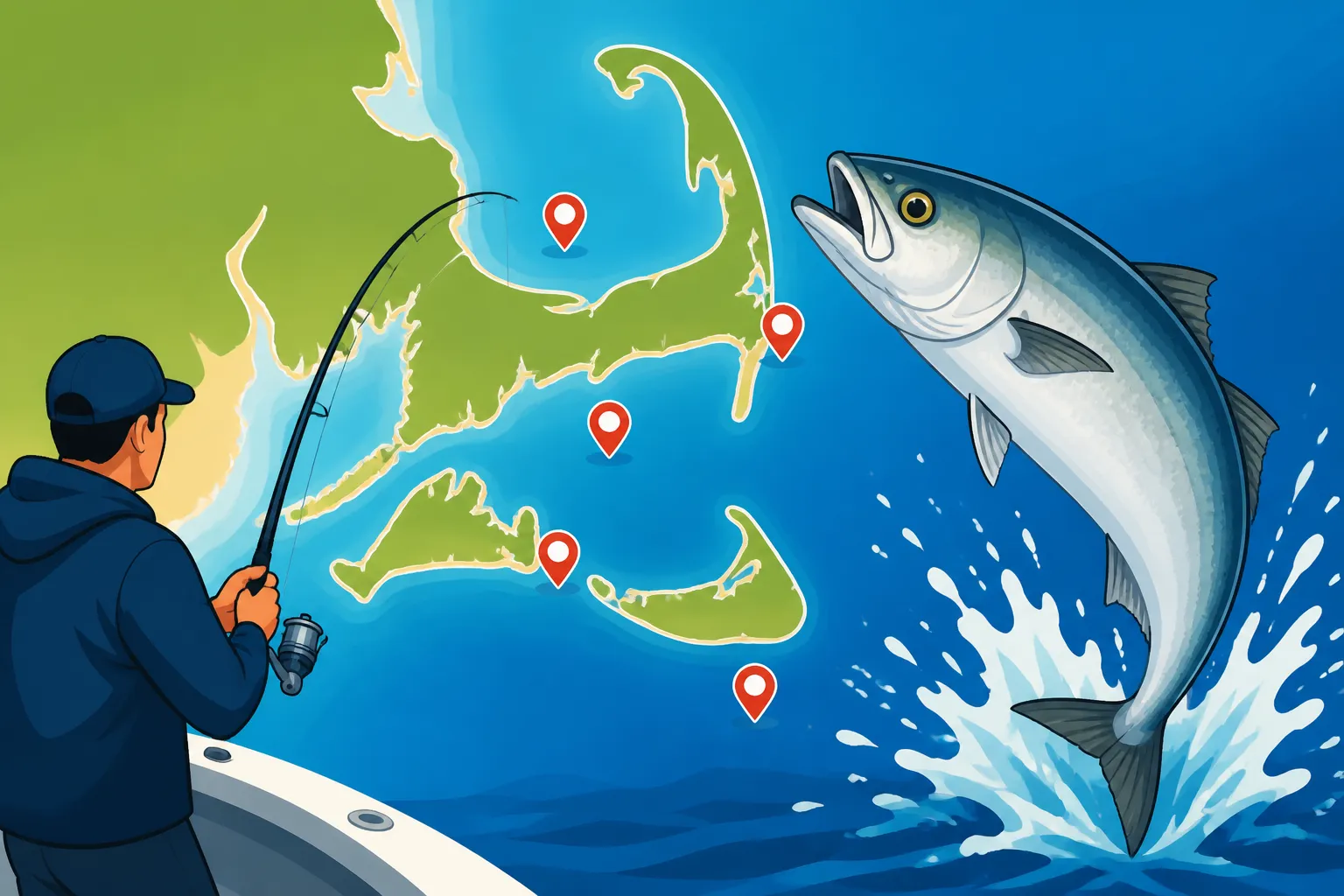
Vineyard Sound is a sprawling body of water, but certain areas consistently stand out as reliable bluefish grounds. These locations often share common characteristics: strong currents, proximity to deeper water, and bottlenecks or structures that concentrate baitfish. Whether you're fishing from a boat or trying your luck from shore, there are excellent opportunities to encounter these feisty fish. Before you even wet a line, make sure you understand the basics of the Massachusetts Saltwater Recreational Fishing Permit Explained.
Woods Hole and the Elizabeth Islands
The waters around Woods Hole, where Buzzards Bay meets Vineyard Sound, are legendary for their strong, churning currents. These rips and eddies create a perfect feeding ground, funneling baitfish right into the waiting jaws of bluefish. For boaters, drifting through the rips with live bait or casting heavy jigs and poppers can be incredibly effective. The currents here are no joke, so careful navigation and understanding the tides are crucial. Further west, along the southern shores of the Elizabeth Islands like Naushon, Pasque, and Nashawena, the ledges and rocky outcrops provide structure that holds bait and, consequently, bluefish. These areas are generally more accessible by boat, offering fantastic opportunities for trolling or casting to visible schools of bait.
Many local fishing charters launch from nearby Falmouth or other towns around the Upper Cape, often heading straight for these productive waters. If you're new to the area or want to maximize your chances, booking a local charter through a service like FishingBooker can be incredibly beneficial. Their captains know the nuances of these currents and where the bluefish are holding on any given day.
Martha's Vineyard Shoreline Hotspots
Martha's Vineyard itself boasts several excellent shore fishing locations where bluefish are a common catch. These spots offer fantastic access without needing a boat, making them popular with surfcasters.
- State Beach (Oak Bluffs/Edgartown): This long stretch of barrier beach, connecting Oak Bluffs and Edgartown, is easily accessible and a prime location for surfcasting. Bluefish often patrol these waters, especially during incoming and outgoing tides, pushing baitfish close to shore. Casting large poppers, swimming plugs, or metal jigs here can yield great results. It’s a very popular spot, so you might find yourself shoulder-to-shoulder with other anglers, but for good reason.
- Chopmist Hill and Wasque Point (Chappaquiddick): Located on Chappaquiddick Island (accessible by a short ferry from Edgartown, or by overland vehicle at certain low tides), these spots offer some of the most dramatic and productive surfcasting in Vineyard Sound. Wasque Point, in particular, is known for its powerful rips and deep channels where striped bass and bluefish feast. The currents here can be incredibly strong, so heavy tackle is a must. Chopmist Hill also provides excellent elevation for spotting schools of bait or diving birds, indicating active predators. Due to the remote nature and challenging conditions, these spots are best for experienced surfcasters.
- Menemsha Bight and Lobsterville Beach (Gay Head/Aquinnah): On the western end of Martha's Vineyard, Menemsha Bight and the adjacent Lobsterville Beach offer a different type of bluefish opportunity. The calm waters of the bight can hold baitfish, drawing in bluefish, particularly during the late season. Lobsterville Beach, with its calmer waters compared to the south side, is an excellent spot for casting lighter tackle, especially around dawn and dusk.
North Shore of Vineyard Sound (Falmouth to Mashpee)
The mainland side of Vineyard Sound, from Falmouth through Mashpee, also presents numerous opportunities. While much of this shoreline is privately owned, there are public access points, harbors, and jetties that can be fruitful.
- Falmouth Jetties and Harbors: The jetties at Falmouth Inner Harbor and Woods Hole can provide access to deeper water and current lines where bluefish often ambush bait. The mouths of these harbors are also worth exploring, particularly around tidal changes. Many fishing piers and public access areas in towns like Falmouth and Mashpee are great spots for anglers seeking a more relaxed fishing experience, with bluefish still a possibility, especially during peak season.
- The Gut (Muskeget Channel): For the adventurous boater, "The Gut" in Muskeget Channel, located between Muskeget Island and Nantucket, is a true big-fish factory. While not strictly in Vineyard Sound, it's a major migratory pathway and a feeding ground for large bluefish and striped bass. The currents here are extreme, requiring experienced boat handling, but the rewards can be substantial.
Here's a quick overview of some prime spots:
| Location | Access Type | Key Feature | Best Method | Notes |
|---|---|---|---|---|
| Woods Hole Rips | Boat | Strong currents, baitfish funnel | Drifting, Jigging | Challenging currents; know the tides. |
| Elizabeth Islands | Boat | Ledges, rocky outcrops, structure | Trolling, Casting | Good for finding schools. |
| State Beach | Shore/Surf | Long sandy beach, consistent bait runs | Surfcasting | Popular and easily accessible. |
| Wasque Point | Shore/Surf (4×4) | Powerful rips, deep channels | Heavy Surfcasting | Remote, challenging, but big fish potential. |
| Chopmist Hill | Shore/Surf | Elevated vantage, rips | Surfcasting, Spotting | Great for observing fish activity. |
| Falmouth Jetties | Shore/Pier | Access to deeper water, harbor mouths | Casting, Live Baiting | Good for convenient access. |
| The Gut (Muskeget) | Boat | Extreme currents, major migratory route | Trolling, Heavy Jigging | Advanced boaters only; potential for trophy fish. |
For a deeper dive into all the prime areas, our full guide to Vineyard Sound Fishing Spots offers even more insights into not just bluefish, but a variety of other species you might encounter.
Top Techniques and Tackle for Vineyard Sound Bluefish
Bluefish are not particularly picky eaters, but they are incredibly powerful and have mouths full of razor-sharp teeth. This means your tackle needs to be robust and designed to withstand their aggressive strikes and violent head shakes. Understanding How to Catch Bluefish in Massachusetts generally will give you a solid foundation.
Essential Gear Setup
- Rod and Reel: For surfcasting, a medium-heavy to heavy rod (9-11 feet) paired with a robust spinning reel (5000-8000 series) loaded with 30-50 lb braided line is ideal. From a boat, a medium-heavy rod (7-8 feet) with a 4000-6000 series spinning or conventional reel is usually sufficient. You need something that can handle a strong fight and cast heavy lures.
- Leaders: This is perhaps the most critical component. Bluefish will slice through monofilament or fluorocarbon leaders like butter. Always use a wire leader, at least 6-12 inches long, connected to your main line with a strong swivel. Many anglers use pre-made wire leaders, or you can make your own with single-strand wire and haywire twists.
- Line: Braided line is excellent for bluefish due to its sensitivity and strength-to-diameter ratio. A 30-50 lb test is a good starting point, with a shock leader of heavy monofilament (50-80 lb) tied to your wire leader for abrasion resistance, especially when surfcasting.
Lures That Drive Bluefish Wild
Bluefish respond well to fast-moving, flashy lures that mimic distressed baitfish. When selecting your gear, considering the Best Lures for Bluefish can make a huge difference.
- Poppers: Topwater poppers are incredibly exciting. When retrieved with aggressive jerks and pauses, they create a commotion on the surface that mimics a struggling baitfish, often leading to spectacular surface strikes. Big, loud poppers in white, chartreuse, or silver are usually the most effective.
- Metal Jigs: Heavy metal jigs, like Kastmasters or diamond jigs, are workhorses for bluefish. They can be cast a mile and retrieved quickly through the water column, imitating fleeing bait. They are also excellent for vertical jigging from a boat when schools of bluefish are holding deeper. Sizes from 1 to 4 ounces are common, depending on conditions and casting distance needed.
- Swimming Plugs: Minnow-imitation plugs, especially those designed for fast retrieves, can be deadly. Choose durable models with strong hooks, as bluefish can destroy lighter plastics. Colors like mackerel, bunker, or silver/blue are always good bets.
- Soft Plastics: Large soft plastics, like paddle tail shads or plastic eels, rigged on heavy jig heads can also entice strikes, especially if bluefish are being finicky. Ensure your jig head is heavy enough to get the lure down to where the fish are.
Effective Bait and Techniques
While lures are popular, bait fishing can be equally, if not more, effective, especially when bluefish are feeding on a specific forage. The best bait for bluefish often includes what they are naturally feeding on in the area.
- Live Bait: Live mackerel, pogies (menhaden), or even smaller bunker are irresistible to bluefish. Hook them through the nose or back and drift them in current-rich areas or troll them slowly from a boat. The frantic swimming of live bait often triggers an immediate strike.
- Chunk Bait: Chunks of fresh bunker, mackerel, or even squid can be very effective, especially when fished on the bottom or drifted in current. Use a fish-finder rig with a heavy sinker to keep the bait in the strike zone.
- Trolling: From a boat, trolling spoons, swimming plugs, or rigged baits at various depths is a common and effective way to cover a lot of water and locate schools of bluefish.
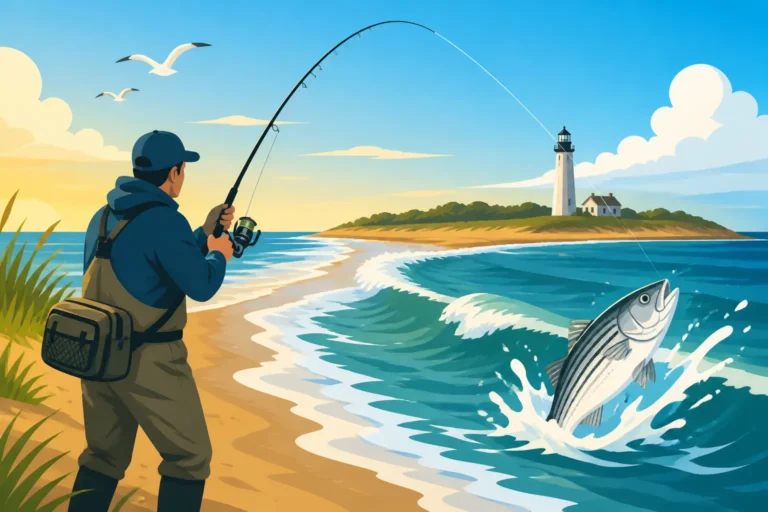
- Surfcasting: For shore anglers, casting heavy lures or chunk bait beyond the breakers into deeper channels or rips is the primary method. Always be mindful of your surroundings and other anglers, especially when casting heavy weights.
Many anglers find success by mastering How to fight a bluefish without losing your line, as these fish are notorious for their violent head shakes and attempts to cut lines.
Best Times to Target Bluefish in Vineyard Sound
Timing is everything when it comes to bluefish, and knowing when to fish can significantly increase your success rate. For those wondering Massachusetts Saltwater Fishing Seasons, bluefish are a classic summer and fall target, but their presence can extend beyond these core months.
Seasonal Presence
Bluefish generally arrive in Vineyard Sound when the water temperatures consistently hit the mid-60s Fahrenheit, which is typically in late May to early June. The fishing usually heats up through July and August, offering consistent action. As fall approaches in September and October, the fishing can be exceptional, as bluefish feed heavily in preparation for their southward migration. Some years, they may linger into early November if the baitfish supply holds up and the water doesn't cool too rapidly. Always check Massachusetts Saltwater Bag Limits by Species before heading out on any trip.
Tidal Influence
Tides play a crucial role in bluefish activity, especially in areas with strong currents like Woods Hole or the rips around Wasque Point. Bluefish often feed most actively during incoming and outgoing tides, particularly around the peak of the current flow. This is when baitfish are disoriented and concentrated, making them easy targets. Slack tide, when the water is still, often sees a lull in activity. Observing the tide charts for Vineyard Sound is essential for planning your trip.
Time of Day
While bluefish can be caught at any time of day when they are actively feeding, certain periods tend to be more productive:
- Dawn and Dusk: These low-light conditions are prime feeding times for many predatory fish, including bluefish. The reduced light gives them an advantage over baitfish.
- Overcast Days: Similarly, overcast or rainy days can extend the productive feeding periods throughout the day, as the lower light intensity mimics dawn/dusk conditions.
- Midday Action: Don't count out midday, especially if you spot birds diving or schools of baitfish being chased on the surface. Bluefish are opportunistic and will feed whenever the opportunity arises.
When combined, targeting these peak times in the right locations during the season can lead to some incredible bluefish action. Remember, while bluefish are plentiful during their season, regulations are in place to ensure sustainable fishing. It's also essential to stay current on the Massachusetts Bluefish Bag Limit and Season to ensure you're fishing legally and responsibly. If you're planning a multi-species trip, you might even encounter striped bass, so be sure to know the Massachusetts Striped Bass Slot Limit Explained as well.
Safety and Environmental Responsibility
Fishing in Vineyard Sound, whether from shore or boat, requires respect for the marine environment and adherence to safety guidelines. Always let someone know your float plan if boating, and carry all necessary safety gear like life jackets, flares, and a VHF radio. Pay close attention to weather forecasts, as conditions on the Sound can change rapidly. The currents in certain areas, particularly around Woods Hole and Muskeget Channel, can be extremely powerful and dangerous for inexperienced boaters.
Beyond personal safety, practicing responsible angling is paramount. This includes adhering to all Massachusetts fishing regulations, which you can find in the official Massachusetts Recreational Fishing Rules and Bag Limits pamphlet. This means respecting size and bag limits, and properly releasing any fish you don't intend to keep. Bluefish, while delicious when fresh, can spoil quickly, so bringing ice and properly bleeding your catch if you plan to eat it will ensure the best quality. Take care with their sharp teeth when handling them; a dehooker and a pair of sturdy pliers are invaluable tools for safe release.
If you're considering a guided trip, especially to offshore spots or challenging currents, many professional captains operating out of Falmouth, Martha's Vineyard, or other ports are listed on platforms like FishingBooker. They provide invaluable local knowledge, all the necessary gear, and ensure a safe and productive day on the water, often specifically targeting bluefish during their peak season. They can also provide insights into What to Bring on a Massachusetts Fishing Charter to make your trip comfortable and successful.
Disclaimer
Please note that fishing regulations, seasons, and fish behavior can change. Always consult the latest Massachusetts Division of Marine Fisheries (DMF) and MassWildlife regulations before heading out on any fishing trip. This guide is for informational purposes only and should not be considered a substitute for official regulatory information or professional safety advice.