Best fishing spots near Newburyport
Trying to find those prime fishing spots near Newburyport, Massachusetts, can feel a bit like searching for hidden treasure without a map. You hear whispers of incredible catches, but actually figuring out where to cast your line, when, and for what species, can be incredibly frustrating. This comprehensive guide is here to cut through the confusion, revealing the best coastal and freshwater fishing spots in and around Newburyport, complete with practical advice to help you land your next big catch.
Unlocking Newburyport's Coastal and Estuarine Fishing Gems
Newburyport sits at the mouth of the mighty Merrimack River, offering a unique blend of coastal beaches, rocky jetties, and expansive estuarine waters that are absolutely teeming with fish. This area is a true angler's paradise, but knowing where to focus your efforts can make all the difference.
Plum Island's Untamed Shores and Surfcasting Prowess
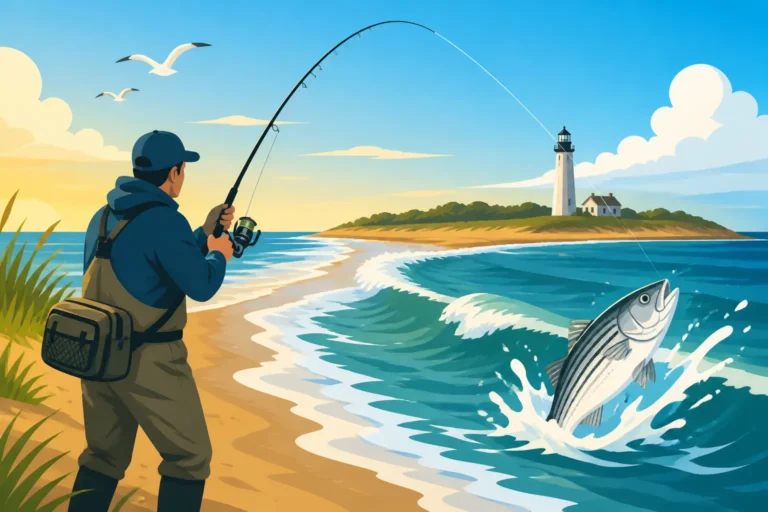
Plum Island is undoubtedly the crown jewel of surfcasting in this region, and honestly, it’s a spot every angler in Massachusetts should experience. Stretching for miles, its sandy beaches and dynamic surf offer incredible opportunities, particularly for striped bass and bluefish. The sheer length of the island means you can often find your own stretch of beach away from the crowds, especially if you're willing to walk a bit.
The northern end of Plum Island, near the mouth of the Merrimack, is famous for its strong currents and rips, which are magnets for baitfish and, consequently, hungry predators. Anglers here often cast large poppers, swimming plugs, or live eels during the low light hours of dawn and dusk, or through the night, to entice cruising stripers. As you move south, the beaches inside the Parker River National Wildlife Refuge offer slightly calmer, but equally productive waters. Just be aware that vehicle access within the refuge is limited to permit holders, especially during peak seasons, and there are strict rules about beach driving and parking. Check the refuge's website before you go to avoid any surprises. For those looking for a detailed breakdown, our guide on the Plum Island Surf Fishing Guide offers even more specifics.
You'll often find anglers using heavy surf rods, anywhere from 9 to 12 feet, paired with stout spinning reels spooled with braided line. This setup allows for long casts into the surf and the power to handle substantial fish in challenging conditions. Depending on the season, you might also pick up species like winter flounder or even a rogue bonito if the water temperatures are just right. Early morning on an incoming tide is often a magical time, as baitfish are pushed closer to shore, bringing the predators right along with them.
The Dynamic Waters of the Merrimack River Mouth
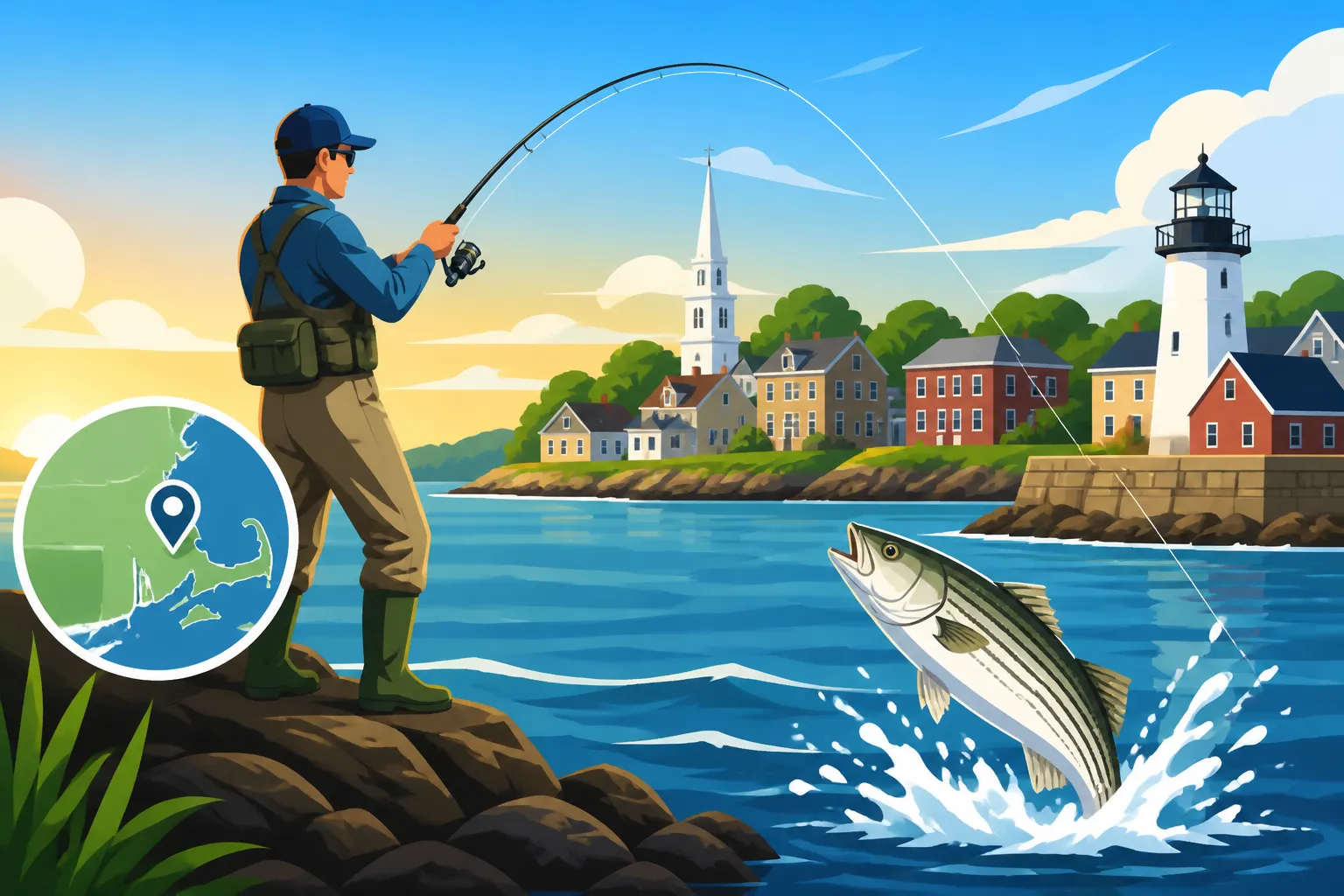
The Merrimack River estuary, particularly the area right at its confluence with the Atlantic Ocean, is a powerhouse for fishing. The jetties on both the Salisbury and Newburyport sides are renowned spots for anglers targeting striped bass, especially the bigger "cow" stripers, and hard-fighting bluefish. These structures create eddies and current breaks where fish ambush bait, and the rocky bottom holds crabs and other forage that attract bottom feeders like tautog in the cooler months.
Fishing these jetties requires sturdy gear and a bit of caution due to the slippery rocks and strong currents. Wading boots with felt or studded soles are a must. Many anglers will use bait such as chunks of mackerel, pogies (menhaden), or live eels fished on the bottom or under a float. Artificial lures like bucktail jigs, soft plastics rigged on jig heads, and large swimming plugs are also highly effective, mimicking the various baitfish species that migrate in and out of the river. The Merrimack River offers a fantastic opportunity to catch significant fish right from shore, or from a kayak or small boat if you’re comfortable with strong tidal flows. If you're planning to explore further upriver, our article on Merrimack River Fishing Spots Near Haverhill and Lowell, Massachusetts might be helpful.
Beyond the jetties, the tidal flats and channels within the lower Merrimack River estuary provide excellent fishing for smaller striped bass, particularly schoolies, and a variety of other species. Fly anglers often find success wading these flats during calmer periods, sight-casting to actively feeding fish. The constant influx of freshwater mixing with the saltwater creates a nutrient-rich environment that supports a robust ecosystem, making it a reliable spot for a diverse catch.
Freshwater Retreats Around Newburyport
While Newburyport is famous for its saltwater opportunities, don't overlook the serene and often overlooked freshwater fishing spots just a short drive away. These areas provide a peaceful alternative, perfect for family outings or when the ocean conditions are less favorable.
Artichoke River and Reservoir: A Quiet Angler's Haven
Just a stone's throw from the bustling coast, the Artichoke River and its associated reservoirs (Upper and Lower) offer a fantastic freshwater escape. These waters are managed by the City of Newburyport for drinking water, but they also provide excellent fishing opportunities for common freshwater species. You'll find healthy populations of largemouth bass, chain pickerel, yellow perch, and various panfish like sunfish and crappie.
Access to the Artichoke Reservoir is primarily shore-based, with several designated parking areas and trails that allow anglers to reach different sections of the shoreline. Small car-top boats, canoes, and kayaks are generally permitted, offering access to deeper coves and structure that shore anglers might miss. For bass and pickerel, fishing with soft plastic worms, spinnerbaits, or topwater lures around submerged logs, lily pads, and weed lines can be incredibly productive. For panfish, a simple bobber and a worm or a small jig often do the trick, making it a great spot to introduce kids to fishing.
The Artichoke River itself, particularly the stretches below the reservoirs, can also hold some surprises, especially when connected to the Merrimack River. During certain times of the year, anadromous fish like alewives and blueback herring migrate up the river, drawing in larger predatory fish from the Merrimack. These are waters that require a valid Massachusetts freshwater fishing license, and knowing your Massachusetts Freshwater Fishing License Costs and Rules is essential before you head out.
Serene Ponds and Streams in the Greater Newburyport Area
Beyond the Artichoke, the broader region around Newburyport boasts several smaller ponds and streams that provide excellent, low-key fishing. These often include ponds within state parks or town-managed conservation areas, offering quiet surroundings and often good populations of warm-water species. For instance, Lake Gardner in Amesbury, a short drive from Newburyport, is another popular spot for largemouth bass, smallmouth bass, perch, and pickerel. It's a larger water body with good boat access and plenty of shoreline.
Another consideration for freshwater enthusiasts, particularly those interested in trout, would be to explore the smaller brooks and streams that might be part of the MassWildlife stocking program. While not as prominent in the immediate Newburyport area as the coastal fishing, checking the Massachusetts Trout Stocking Schedule for nearby towns can sometimes reveal hidden gems where rainbow or brook trout are regularly introduced. These smaller waters are perfect for light tackle or fly fishing, offering a completely different fishing experience. Always remember to check local regulations and postings, as some municipal water bodies may have specific rules regarding fishing.
Planning Your Newburyport Fishing Expedition
A successful fishing trip isn't just about knowing the spots; it's about preparation. From understanding local regulations to having the right gear and knowing how to find local expertise, a little planning goes a long way.
Essential Gear and Optimal Techniques
For saltwater fishing in Newburyport, especially surfcasting Plum Island or fishing the Merrimack jetties, a robust surf rod and reel setup is paramount. A 9-11 foot medium-heavy to heavy action rod paired with a corrosion-resistant spinning reel (size 5000-8000) spooled with 30-50lb braided line will give you the casting distance and stopping power needed for striped bass and bluefish. Carrying a variety of lures – poppers, swimming plugs (like those from Yo-Zuri or Daiwa), soft plastics, and bucktail jigs – will ensure you're ready for different conditions and target species. Don't forget a sturdy pair of pliers for hook removal and a reliable headlamp for those early morning or late-night excursions. When targeting big striped bass, understanding How to Catch Striped Bass in Massachusetts with various baits and lures will give you a significant advantage.
For freshwater pursuits in the Artichoke system or other local ponds, a medium-light to medium action spinning rod (6-7 feet) with a 2000-3000 size reel spooled with 8-10lb mono or braid is versatile enough for bass, pickerel, and panfish. A tackle box stocked with a variety of soft plastic worms, crankbaits, spinnerbaits, and small jigs, along with basic bait like worms or shiners, will cover most situations. Remember to bring a small cooler for your catch and plenty of water, regardless of where you're fishing.
Navigating Massachusetts Fishing Regulations and Permits
Massachusetts has distinct regulations for freshwater and saltwater fishing, and it's absolutely crucial to be in compliance to avoid fines. For freshwater fishing in places like the Artichoke Reservoir, you'll need a valid Massachusetts freshwater fishing license. These are generally inexpensive and easy to acquire online through the MassFishHunt system. Saltwater recreational fishing in Massachusetts also requires a permit for anglers 16 years and older. This permit covers most species, including striped bass and bluefish, and is separate from the freshwater license. You can learn more about this in our guide, Massachusetts Saltwater Recreational Fishing Permit Explained.
It's vital to stay informed about species-specific regulations, especially for popular game fish like striped bass, which have a strict slot limit. Our article, Massachusetts Striped Bass Slot Limit Explained, details the current size and bag limits. Bluefish also have daily bag limits, which you can find in our piece on Massachusetts Bluefish Daily Bag Limit. These rules change periodically to manage fish populations, so always consult the current Massachusetts Division of Marine Fisheries (DMF) and MassWildlife regulations before heading out. Ignorance of the law is never an excuse, and game wardens do patrol these popular fishing areas. For a general overview, checking Massachusetts Recreational Fishing Rules and Bag Limits can be a great starting point.
Here's a quick overview of some key considerations:
| Location Type | Target Species | Required License/Permit | Best Fishing Method | Prime Time |
|---|---|---|---|---|
| Plum Island Beaches | Striped Bass, Bluefish, Flounder | MA Saltwater Permit | Surfcasting, Bait Fishing | Dawn/Dusk, Night, Incoming Tide |
| Merrimack River Estuary | Striped Bass, Bluefish, Tautog, Flounder | MA Saltwater Permit | Jetty Fishing, Boating | Strong Tides, Dawn/Dusk |
| Artichoke Reservoir | Largemouth Bass, Pickerel, Perch, Panfish | MA Freshwater License | Shore Fishing, Kayak/Canoe | Early Morning, Late Afternoon |
| Local Ponds/Streams | Bass, Pickerel, Panfish, (occasionally Trout) | MA Freshwater License (check for stocked areas) | Light Tackle, Bait Fishing | Throughout the Day |
Finding Local Expertise and Charter Opportunities
Sometimes, the best way to uncover the secret spots and most effective techniques is to tap into local knowledge. While Newburyport is rich in public access, hiring a local guide or charter captain can significantly shorten your learning curve and increase your chances of a successful outing, especially if you're targeting specific species or fishing unfamiliar waters.
You can often find local fishing guides who specialize in the Merrimack River estuary or Plum Island surfcasting. These guides have years of experience reading the tides, understanding fish behavior in specific areas, and knowing exactly what baits and lures are working at any given time. If you're looking to book a trip, platforms like FishingBooker are excellent resources for finding reputable local captains in the Newburyport area. You can browse different trip types, read reviews, and see what's included in their packages. A good guide will not only put you on fish but will also teach you valuable techniques that you can apply on future solo trips. This can be particularly beneficial for beginners or those looking to expand their skills. Many of the larger Massachusetts fishing seasons, particularly for saltwater species, have specific windows of opportunity, and a guide will know precisely when these are. For more information on general fishing calendars, take a look at our Massachusetts Fishing Seasons Explained guide, or specifically for the coast, the Massachusetts Saltwater Fishing Seasons article.
Whether you decide to explore on your own or with a seasoned pro, the Newburyport area offers an incredible array of fishing opportunities. With a bit of research, the right gear, and respect for the local regulations, you're well on your way to a memorable fishing adventure in Massachusetts. For those who prefer fishing from the bank, exploring Best Shore Fishing Spots in Massachusetts might offer even more inspiration for your next trip.
Disclaimer
Fishing regulations and conditions can change rapidly due to environmental factors, legislative updates, and fish population dynamics. While we strive to provide the most current and accurate information, it is always your responsibility to consult the official Massachusetts Division of Marine Fisheries (DMF) and MassWildlife websites for the latest regulations, licensing requirements, and advisories before embarking on any fishing trip. Adhering to all local, state, and federal laws is crucial for sustainable fishing and personal safety.