Best fishing spots in the Berkshires for trout
Finding the perfect trout fishing spot in the Berkshires can feel like searching for a needle in a haystack – there are so many stunning rivers, streams, and lakes, each with its own secrets and challenges. This guide will help cut through the confusion, offering a comprehensive look at the best places to cast your line for trout, from wild brookies to robust rainbows, ensuring your next Western Massachusetts fishing trip is a memorable one.
Why the Berkshires are a Trout Angler's Paradise
The Berkshires, with their rolling hills, dense forests, and countless waterways, create an ideal environment for trout. This region of Western Massachusetts boasts a unique blend of natural beauty and prime fishing opportunities, attracting anglers from all over New England and beyond. What makes these waters so special for trout, and by extension, for us dedicated anglers? It's a combination of diverse habitats, dedicated conservation efforts, and the sheer variety of trout species thriving here.
Diverse Habitats and Water Quality
The varied topography of the Berkshires contributes significantly to its rich fishing grounds. You'll find everything from fast-flowing, rocky mountain streams that hold native brook trout to wider, slower rivers perfect for drifting nymphs, and deep, clear lakes where larger brown and rainbow trout lurk. The region's dense forest cover helps maintain cooler water temperatures, crucial for trout survival, especially during the warmer summer months. This natural insulation, coupled with generally excellent water quality, provides a stable and healthy ecosystem for these sensitive fish. The consistent flow from mountain springs and tributaries keeps oxygen levels high, creating vibrant feeding grounds that support strong insect populations – the lifeblood of any good trout fishery.
Native vs. Stocked Trout Opportunities
One of the most appealing aspects of Berkshires trout fishing is the balance between wild, native populations and robust stocking programs. While many popular spots receive generous stockings of rainbow, brown, and brook trout from MassWildlife, there are still plenty of hidden gems where you can pursue wild trout. The thrill of catching a vividly colored native brook trout, born and raised in its pristine stream, is an experience many anglers cherish. MassWildlife's efforts in maintaining and enhancing these fisheries mean that even if you're not specifically chasing wild trout, you're likely to encounter healthy, aggressive fish that provide fantastic sport. Understanding this distinction can help you tailor your trip, whether you're seeking the challenge of a native catch or the consistent action of a freshly stocked section. For instance, knowing the Massachusetts Trout Stocking Schedule can give you an edge in planning your visits.
Top Rivers and Streams for Trout in the Berkshires
When it comes to river and stream fishing in the Berkshires, you’re spoiled for choice. These flowing waters offer dynamic fishing experiences, requiring different techniques and approaches depending on the specific stretch you’re targeting. From the renowned Deerfield River to the historic Housatonic, each offers a distinct adventure for the trout enthusiast.
The Legendary Deerfield River
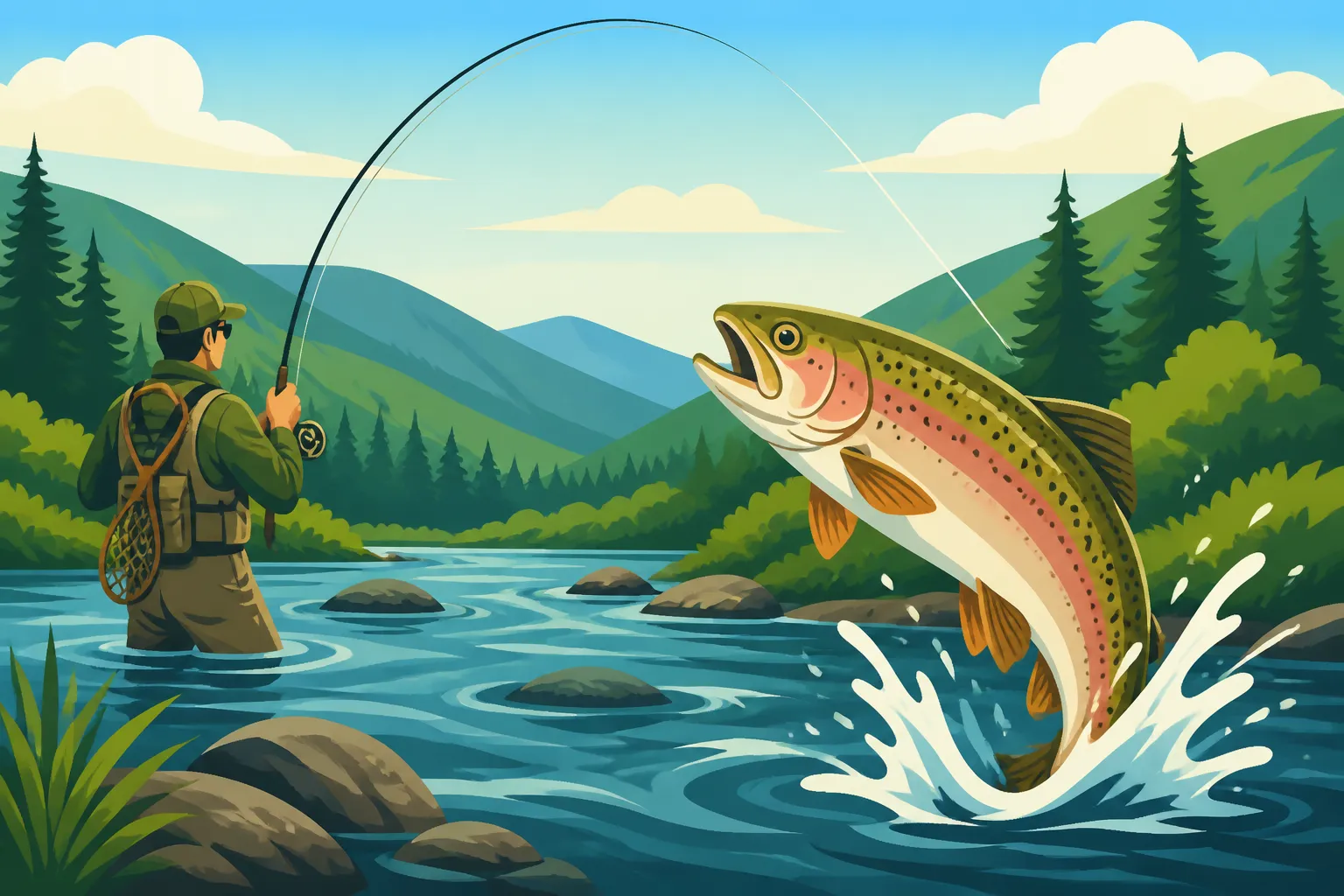
The Deerfield River is arguably the crown jewel of trout fishing in Massachusetts, especially for fly anglers. This river is famous for its "trophy trout" management sections, particularly in the catch-and-release-only areas near Conway and Shelburne Falls. These sections are managed for larger fish, with special regulations that encourage catch and release, allowing trout to grow to impressive sizes. You'll find a healthy mix of Rainbow Trout Stocking in Massachusetts, brown trout, and even some brook trout here. The river's varied structure, with its deep pools, riffles, and long runs, provides ample holding water for trout throughout the seasons. Access is generally good, with several designated fishing access points provided by MassWildlife and other organizations.
However, fishing the Deerfield requires a keen understanding of its dynamics, particularly regarding water releases from upstream dams. Hydroelectric operations can drastically change water levels and currents, so always check the generation schedule before heading out. The fishing can be challenging but incredibly rewarding. Many anglers find success here using nymphing techniques, especially during colder months, while dry fly fishing can be spectacular during hatches in spring and summer. If you’re serious about fly fishing, researching Fly Fishing for Trout in Massachusetts Rivers will provide invaluable insights for tackling the Deerfield. If you're new to the area, consulting a local guide, perhaps found through a platform like FishingBooker, can give you a significant advantage in understanding the river's nuances.
The Historic Housatonic River
The Housatonic River in the Berkshires, particularly its upper reaches, offers another fantastic trout fishing experience. While perhaps not as famed as the Deerfield for its "trophy" sections, the Housatonic holds a strong population of brown and rainbow trout, along with a surprising number of wild brook trout in its colder tributaries. The river here flows through a mix of agricultural lands and forested areas, providing diverse scenery and fishing conditions. Anglers often find success using both fly fishing and spin fishing gear, with natural baits and small spinners being effective in many stretches. The Housatonic River Fishing in the Massachusetts Berkshires offers a more relaxed pace than the Deerfield in some areas, making it a great option for those looking for a peaceful day on the water.
Access to the Housatonic can be a bit more dispersed, involving some roadside stops and occasional walks through state land or conservation areas. The river’s character shifts as it flows south; the sections north of Pittsfield, particularly around Hinsdale and Dalton, tend to be colder and hold more trout. Further south, the river transitions into more warm-water species, though trout can still be found in cooler pockets and during colder times of the year. This river also receives regular stockings, ensuring a good population of fish for anglers. Pay attention to water clarity, as the Housatonic can sometimes be affected by runoff after heavy rains, making fishing more challenging.
Smaller Streams and Tributaries
Beyond the two major rivers, the Berkshires are crisscrossed by a multitude of smaller streams and cold-water tributaries that can be absolute gems for trout fishing. These smaller waters often hold healthy populations of native Brook Trout in Massachusetts Streams, offering a truly authentic experience for those willing to explore. Rivers like the Farmington River (its upper Massachusetts sections near Otis), the Westfield River branches (East, Middle, and West), and countless unnamed brooks that feed into larger systems, are prime candidates. These are often freestone streams, characterized by rocky bottoms, steep gradients, and abundant pocket water.
Fishing these smaller streams typically means lighter tackle, stealthier approaches, and a focus on smaller flies or lures. They are less pressured than the larger rivers and offer a sense of solitude that many anglers crave. While the fish might not be as large on average, the vibrant colors and wild nature of these trout are incredibly rewarding. Access to these spots can sometimes require a bit of bushwhacking or navigating state forests, but the effort is often well worth it. These waters are less affected by dam releases but can be very susceptible to drought conditions in late summer. Learning Best Bait for Trout Fishing in Massachusetts can be particularly useful here, as natural baits like worms or small grasshoppers can be highly effective for wild trout.
Best Lakes and Ponds for Trout in the Berkshires
While rivers and streams often steal the spotlight for trout fishing, the Berkshires also offer excellent opportunities in its many lakes and ponds. These still waters can hold larger trout and provide different fishing challenges, often allowing for boat access and a wider range of techniques.
Laurel Lake and Onota Lake
Laurel Lake in Lee and Lenox, and Onota Lake in Pittsfield, are two of the most popular and productive lakes for trout fishing in the Berkshires. Both are deep, cold-water lakes that receive substantial stockings of brown and rainbow trout. Anglers frequently target these lakes from boats, trolling spoons, stickbaits, or bait rigs at various depths. Downriggers can be particularly effective for reaching the colder thermocline where larger trout often suspend during warmer months. Shore access is available at public boat ramps and some designated areas, though boat fishing typically offers the best chance at reaching the prime trout haunts.
Laurel Lake is known for its clear waters and picturesque setting, often yielding nice-sized rainbow and brown trout. Onota Lake, a larger body of water, also offers excellent trout fishing, alongside populations of bass and other warm-water species. When fishing these lakes, consider the time of year: spring and fall often see trout closer to the surface, making them more accessible to shore anglers or those without specialized trolling gear. During summer, they retreat to deeper, cooler water. A good fish finder can be invaluable for locating these fish. If you're planning a trip and need a boat, a local service you might find on FishingBooker could help you connect with boat rentals or guides familiar with these lakes.
Smaller Ponds and Reservoirs
Beyond the larger lakes, numerous smaller ponds and reservoirs throughout the Berkshires are regularly stocked with trout, providing excellent opportunities, especially for family outings or those new to trout fishing. Ponds like Richmond Pond, Benedict Pond, and Lake Buel are just a few examples that receive consistent stockings. These smaller bodies of water often warm up faster in the spring and cool down quicker in the fall, influencing trout behavior. They are typically more accessible for shore fishing and smaller boats like kayaks or canoes.
These ponds can be fantastic spots to introduce kids to fishing, offering consistent action, particularly right after a stocking event. Simple setups with powerbait, worms, or small spinners are often all you need. Always check MassWildlife's stocking schedule and specific regulations for each pond, as some may have special rules regarding motor use or bait restrictions. The intimate setting of these smaller ponds provides a different kind of tranquility compared to the bustling rivers or expansive lakes, making for a perfect day of relaxed angling.
Essential Tips for Trout Fishing Success in the Berkshires
Trout fishing, no matter where you are, always involves a blend of skill, patience, and local knowledge. The Berkshires are no exception. To maximize your chances of success, it pays to be prepared and understand some key strategies.
Timing Your Trip
Timing is everything in trout fishing. The spring, immediately following MassWildlife's stocking efforts, is often the most productive time in many rivers and ponds. Fish are active, hungry, and relatively unpressured, making them eager to strike a variety of baits and lures. Anglers looking to learn When Massachusetts trout stocking starts in 2026 can find specific dates and locations to plan their trips. As summer progresses, water temperatures rise, especially in smaller, shallower bodies of water, pushing trout into deeper, cooler pockets or making them less active during the heat of the day. Early mornings and late evenings become prime times during summer.
Fall is another fantastic season, particularly for larger brown and rainbow trout in rivers and lakes. Cooler temperatures reinvigorate the fish, and they become highly aggressive as they feed heavily before winter. This is also when many brown trout begin their spawning rituals, making them more visible and territorial. Winter, especially with ice fishing, offers unique opportunities in many ponds. Understanding these seasonal shifts and planning your trip accordingly can dramatically improve your catch rates.
Gear and Techniques
The gear you choose for trout fishing in the Berkshires largely depends on the water you're fishing and your preferred method. For fly fishing on the Deerfield or Housatonic, a 4 to 6-weight rod with a matching reel and floating line is a versatile setup. You'll want to carry a variety of flies, including nymphs, dry flies, and streamers, to match local hatches and water conditions. Learning How to fly fish for trout in the Berkshires can involve specific techniques like Euro nymphing for deep pockets or delicate dry fly presentations on calmer pools.
For spin fishing, a light to medium-light action rod, 6-7 feet long, paired with a small spinning reel spooled with 4-6 lb test monofilament or fluorocarbon, is ideal. Popular lures include small inline spinners (like Mepps or Panther Martins), spoons, and small jerkbaits. For bait fishing, worms, powerbait, and corn are consistent producers, especially for freshly stocked trout. Don't forget essentials like waders for river access, a good pair of polarized sunglasses for spotting fish and structure, and a landing net to safely handle your catch. Checking out Best Lures for Stocked Trout in Massachusetts can help you fill your tackle box with proven winners.
| Fishing Spot | Primary Trout Species | Typical Access | Recommended Method | Best Time to Fish |
|---|---|---|---|---|
| Deerfield River | Rainbow, Brown, Brook Trout | Shore, Wading | Fly Fishing (Nymphs, Dries) | Spring, Fall |
| Housatonic River | Brown, Rainbow, Brook Trout | Shore, Wading | Spin, Fly Fishing (Streamers) | Spring, Fall |
| Laurel Lake | Brown, Rainbow Trout | Boat, Limited Shore | Trolling, Bait Fishing | Spring, Summer, Fall |
| Onota Lake | Brown, Rainbow Trout | Boat, Limited Shore | Trolling, Bait Fishing | Spring, Summer, Fall |
| Smaller Streams | Brook Trout (Native) | Wading, Hike-in | Small Flies, Ultralight Spin | Spring, Summer |
Local Knowledge and Regulations
Always, always consult the latest MassWildlife fishing regulations. These regulations can change annually, and specific sections of rivers or individual ponds may have special rules regarding catch limits, size restrictions, or tackle types (e.g., "artificial lures only" or "catch and release"). Ignoring these rules can lead to significant fines. The Massachusetts Fishing Regulations Pamphlet, Explained is your best friend here.
Furthermore, leveraging local knowledge can be a game-changer. Visit local bait and tackle shops; the folks behind the counter are often a treasure trove of current conditions, recent stocking info, and hot spots. They can tell you what flies are hatching, what lures are working, and where access might be easiest or most challenging. If you’re planning a more involved trip or want to fast-track your learning curve, consider hiring a local guide. Services like FishingBooker can connect you with experienced Berkshires trout guides who can put you on fish and teach you the specific nuances of these local waters. They often know the best spots on days when the fish are tricky to find.
Disclaimer
Please note that fishing conditions, regulations, and access points can change. Always check the most current Massachusetts Division of Fisheries and Wildlife (MassWildlife) regulations before heading out. Exercise caution when fishing, especially around moving water or during inclement weather, and prioritize safety above all else. This guide is for informational purposes only.