How to fish the Cape Cod Canal at night for stripers
Fishing the Cape Cod Canal at night for striped bass can feel like unlocking a secret level in a video game, especially if you've spent frustrating daylight hours battling crowds and finicky fish. Many anglers find themselves overwhelmed by the sheer power of the Canal's current and the intense competition during the day, often leaving empty-handed or with smaller fish. This comprehensive guide will pull back the curtain on the unique challenges and incredible rewards of pursuing stripers under the cloak of darkness in this iconic waterway, providing you with the knowledge to make your nighttime excursions successful and safe.
The Allure of Night Fishing for Stripers in the Canal
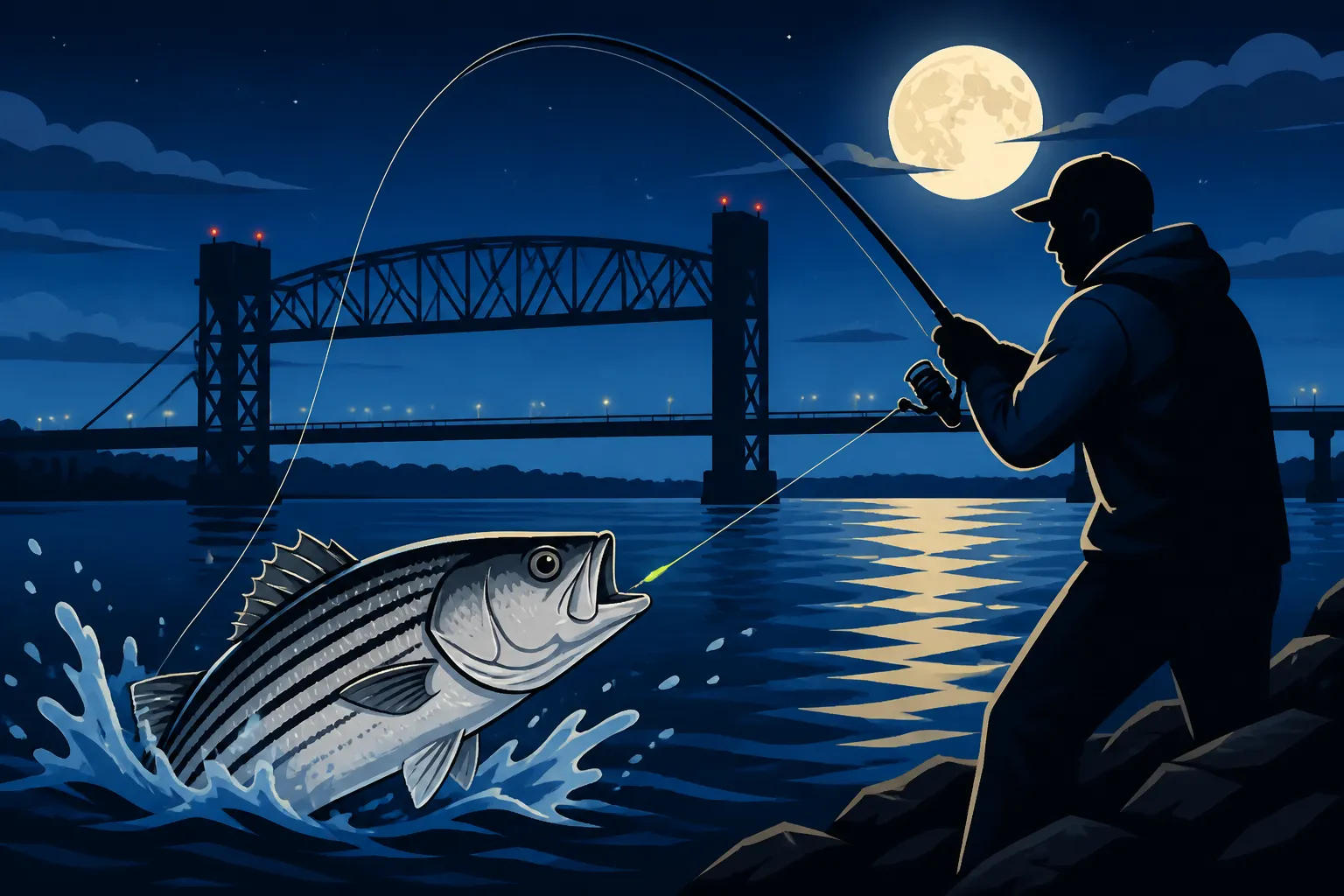
There’s a mystical quality to the Cape Cod Canal after dark, a hush that falls over the typically bustling shores as the moon rises. But it’s more than just the serene atmosphere; night fishing here offers distinct advantages that can dramatically improve your chances of hooking into those elusive, larger striped bass. Many experienced Canal anglers will tell you that the true trophies are often caught when the sun goes down.
Why Stripers Feed Differently in the Dark
Striped bass, particularly the bigger ones, are notoriously wary. During daylight hours, bright sunshine and heavy boat traffic can make them hesitant to feed aggressively, often pushing them into deeper channels or making them extremely selective about what they’ll strike. However, under the cover of darkness, their instincts shift. They become bolder, more confident, and less cautious about approaching the shallower edges or structure where baitfish might be congregating. Their keen sense of smell and lateral line system, which detects vibrations in the water, become their primary hunting tools, often making them more susceptible to lures that mimic distressed bait. The low light conditions give larger, older fish a significant advantage, allowing them to hunt effectively without the visual pressure of predators or the throngs of anglers. It’s during these hours that the Canal truly comes alive with hunting stripers.
Escaping the Daytime Crowds and Pressure
One of the most immediate and tangible benefits of night fishing the Canal is the dramatic reduction in human activity. During the day, the Canal can be a veritable beehive of boats, kayaks, and shore anglers, all vying for the same prime spots. Parking lots fill up, and casting room becomes a precious commodity. This constant pressure, combined with noise and light, can put the fish on edge. At night, however, the atmosphere changes entirely. The crowds thin out considerably, especially in the wee hours of the morning, leaving you with more room to cast, move, and focus on your fishing. This reduction in pressure isn't just a comfort for anglers; it translates directly to less wary fish. With fewer distractions and less competition, you can often work a promising piece of water more thoroughly and patiently, increasing your odds of a solid hook-up. For a deeper understanding of the Canal itself, be sure to check out our comprehensive Cape Cod Canal Fishing Guide for Massachusetts Anglers.
Gearing Up for Darkness: Essential Tackle and Lures
Successfully tackling the Cape Cod Canal at night requires specific gear that can withstand the powerful currents, handle large, fighting stripers, and, most importantly, allow you to "see" and "feel" your lure in the dark. Skimping on tackle here will lead to heartbreak.
Rods, Reels, and Line for the Canal
For night fishing the Canal, you'll need a robust setup capable of casting heavy lures and handling the brutal fight of a big striper in strong current. A heavy to extra-heavy action surf rod, typically between 10 to 12 feet in length, is ideal. Brands like Lamiglas, St. Croix, or Tsunami offer excellent options that provide the necessary backbone and casting distance. Pair this with a high-quality, corrosion-resistant spinning reel in the 6000 to 10000 size range. Look for reels with strong drag systems, such as the Shimano Saragosa SW, Penn Spinfisher VI, or Daiwa Saltist, as they'll be put to the test.
Your main line should be braided, ranging from 50 to 80-pound test. This heavy braid offers superior casting distance, minimal stretch for maximum sensitivity (crucial in the dark), and incredible strength. For example, you can often find high-quality braided lines like PowerPro or Sufix 832 on Amazon. Connect your braid to a strong, abrasion-resistant fluorocarbon leader, typically 50 to 80-pound test, using a robust knot like an FG or Alberto. The leader should be at least 3-4 feet long to absorb shock and protect against abrasion from rocks and barnacles. If you're wondering about your entire setup, take a look at our guide on the Best rod and reel setup for surfcasting.
Lures That Shine in the Dark
Choosing the right lures for night fishing is paramount. Stripers rely less on sight and more on vibration and silhouette in low light, so darker colors, larger profiles, and lures with a distinct action often outperform their daylight counterparts.
- Jigs: Heavy bucktail jigs (2-6 oz) are a Canal staple, day or night. Pair them with a pork rind or a large soft plastic trailer for added bulk and scent. White, black, or chartreuse are popular colors. Lead head jigs with large paddle tail or curly tail soft plastics (6-10 inches) are also incredibly effective. Brands like Daddy Mac Lures, Hogy, or Z-Man produce excellent options that can be deadly when jigged slowly along the bottom or allowed to sweep with the current. This method is explored in more detail in our article on Jigging Techniques for Cape Cod Canal Stripers.
- Soft Plastics: Large, unweighted or lightly weighted soft plastic stickbaits (9-14 inches) are phenomenal when allowed to drift and swim naturally with the current. Dark colors like black, blurple (blue/purple), or dark green create a strong silhouette against the night sky or moonlight. The RonZ Original, Al Gags, or Game On! soft plastics are proven producers.
- Darters and Needlefish: These lipless swimming plugs or slender, pencil-like lures are designed to be fished slowly, creating subtle but enticing actions. They don’t have a lot of built-in action but rely on the retrieve and current to impart a lifelike wiggle. Again, dark colors are often preferred. Super Strike, Gibbs, and NorthBar darters and needlefish are highly regarded.
- Plugs with Rattles: Some anglers swear by plugs with internal rattles at night. The added noise can attract stripers from a distance, especially in choppy water. However, too much noise can also spook wary fish, so use them judiciously.
For more general advice on what to throw, check out the Best Lures for Striped Bass in Massachusetts.
Essential Lighting and Safety Gear
Fishing in the dark requires more than just fishing tackle. A reliable headlamp with both white and red light settings is non-negotiable. Red light preserves your night vision and is less likely to spook fish. Keep spare batteries handy. A waterproof flashlight can also be useful for longer distances or emergency situations.
Safety on the Canal at night is paramount. The rocky shoreline can be treacherous, even in daylight. Sturdy wading boots with good grip (corkers or felt soles are excellent) are essential. A personal flotation device (PFD) is highly recommended, especially if you plan to wade near the water's edge or fish from precarious spots. Consider a wading belt to secure your waders and prevent water from filling them entirely if you slip. Always carry a fully charged cell phone and let someone know your fishing plans and expected return time. A small first-aid kit is also a good idea. Insect repellent is crucial during warmer months when mosquitoes and greenheads can be relentless.
Mastering the Night Bite: Tides, Locations, and Presentation
Fishing the Cape Cod Canal is an art and a science, and nowhere is this more true than when targeting stripers at night. Understanding the dynamic interplay of tides, knowing where to position yourself, and refining your retrieve are critical for success.
The Critical Role of Tides and Current
The Cape Cod Canal is a tide-driven fishery, and its powerful currents dictate when and where stripers will feed. At night, this becomes even more pronounced. The "moving" water—the outgoing and incoming tides—is almost always more productive than slack tide. Stripers use the current to their advantage, ambushing baitfish that are swept past them.
- Peak Currents: Generally, the stronger the current, the better the fishing, as it disorients bait and makes them easy targets. The hour before and an hour or two after the peak current are often prime times.
- Tide Direction: Both outgoing and incoming tides can be productive, but many anglers find one direction more favorable depending on their specific location. The current direction dictates how bait will move and how stripers will position themselves.
- Moon Phase: While not as critical as the actual tidal current, the moon phase can influence tidal strength and fish activity. New moon phases (darker nights) often encourage stripers to feed more aggressively in shallower water, relying on sound and vibration. Full moon phases, with their brighter light, might see stripers slightly deeper or favoring darker areas, but the stronger tides associated with full and new moons are always a plus.
Always consult a tide chart specifically for the Cape Cod Canal (there are several online resources or apps available) before planning your trip. For more specific information, check out our guide on the Best Tides for Striped Bass Fishing in Massachusetts.
Prime Nighttime Locations and Structure
While stripers can be found throughout the Canal, certain areas become hotspots at night due to natural structure and current dynamics.
- Bridges: The Sagamore and Bourne bridges create significant structure, current breaks, and eddies where baitfish gather and stripers lie in wait. Casting around the pilings and abutments can be very productive. Be aware of safe casting distances from traffic and other anglers.
- Rocky Outcroppings and Jetties: Any area with significant rock structure, such as those found near the Scusset Beach side or along the main channel, offers ambush points for stripers. These spots provide cover and break up the fierce current.
- Deep Holes and Channels: Identifying deeper pockets or the main shipping channel is crucial. Stripers will often hold in these areas, especially during slower current periods, and move up to feed when the current picks up.
- The Power Plant (Sandwich side): The warmer water discharge can attract baitfish, making it a reliable spot, particularly in cooler months. However, access and regulations in this area are very specific, so always be mindful of local rules.
Remember, fish can be anywhere. The key is to find areas where current meets structure, creating an advantage for the predator. For a more detailed breakdown of specific locations, refer to our Cape Cod Canal Striped Bass Fishing Spots article.
Nighttime Presentation Techniques
The way you present your lure at night is often more critical than during the day. Since visual cues are limited, focusing on sound, vibration, and a natural drift is key.
- Slow and Low: Generally, a slower retrieve is more effective at night. Stripers aren't chasing speed demons; they're looking for an easy meal. Allow your jigs or soft plastics to sink and then work them slowly along the bottom, feeling for any subtle taps.
- The Sweep: For soft plastics or darters, a "sweep" retrieve works wonders. Cast upstream, let the lure sink, then slowly sweep your rod tip from side to side while retrieving just enough line to keep tension. This makes the lure swim naturally with the current, mimicking an injured baitfish.
- Feel the Bottom: In the dark, you rely heavily on feel. Pay close attention to your line and rod tip. Every bump, tap, or sudden weight could be a striper. Don't be afraid to let your jig or soft plastic bounce along the bottom, stirring up silt which can attract curious fish.
- Vary Your Retrieve: While slow is often best, experiment. Sometimes a sudden twitch or a brief pause can trigger a strike. Imagine how a disoriented baitfish might behave in the current, and try to replicate that.
Patience is a virtue, especially when fishing the Canal at night. It might take several casts to find the fish, or for the bite to turn on. Be persistent, trust your instincts, and enjoy the anticipation of that powerful strike in the dark.
Staying Safe and Legal While Night Fishing the Canal
Fishing at night in the Cape Cod Canal is an exhilarating experience, but it comes with unique risks and responsibilities. Being prepared and adhering to regulations is not just about avoiding fines; it's about ensuring your own safety and respecting the environment and other anglers.
Understanding Massachusetts Fishing Licenses and Permits
Before you even think about casting a line, make sure your paperwork is in order. In Massachusetts, all anglers 16 years of age and older need a recreational fishing permit. For fishing in the Cape Cod Canal, which is saltwater, you'll specifically need a Massachusetts Saltwater Recreational Fishing Permit Explained. These permits are typically annual and run from January 1st to December 31st. You can easily purchase them online through the MassFishHunt system, or at various vendor locations. Failing to carry proof of a valid permit can result in penalties, so always keep it handy, either physically or as a photo on your phone. If you're new to the state's fishing requirements, our comprehensive Massachusetts Fishing License Guide can walk you through the entire process.
Navigating Local Regulations and Access Points
The Cape Cod Canal, being a federally maintained waterway, has specific regulations that might differ from general state fishing rules. While the overall When striped bass season starts in Massachusetts and How many striped bass anglers can keep in one day in Massachusetts rules apply, there are also unique nuances.
- Parking: Parking can be limited, especially near popular spots. Always park in designated areas and avoid blocking access roads or private property. Some areas might have specific night parking rules or hours.
- Access: While much of the Canal's banks are open to the public, some areas are restricted. Respect all "No Trespassing" or "Restricted Access" signs. Never climb fences or cross dangerous barriers.
- Live Bait Restrictions: Be aware that in certain sections of the Canal, especially near the Herring Run, there might be restrictions on using live bait or certain bait types. Always consult the latest Massachusetts Marine Fisheries regulations pamphlet for any updates. You can often find official regulations and pamphlets on the Massachusetts Division of Marine Fisheries website.
- Fishing from Bridges: While tempting, fishing from the Sagamore and Bourne bridges is strictly prohibited. Stick to the designated shoreline access points.
- Boating Traffic: Even at night, the Canal is a commercial shipping lane. Be vigilant for passing vessels, which can create significant wakes. Never impede navigation or cast into shipping lanes if a large vessel is approaching.
Prioritizing Personal Safety After Dark
The biggest concern when night fishing the Canal is personal safety. The environment is unforgiving, and visibility is minimal.
- Buddy System: Whenever possible, fish with a partner. If something goes wrong, a second person can provide immediate assistance or call for help.
- Awareness of Surroundings: The rocky shoreline is slippery and uneven. Move slowly and deliberately. Watch out for potholes, loose rocks, and barnacle-covered surfaces. A fall can lead to serious injury.
- PFD and Wading Safety: As mentioned, a PFD is a wise choice. If you wear waders, always use a wading belt. Be cautious of wading out too far; the powerful current can sweep you off your feet.
- Weather Conditions: Always check the forecast before heading out. High winds, heavy rain, or fog can make night fishing dangerous. The Canal can be significantly rougher than sheltered areas.
- Wildlife: While rare, be aware of local wildlife. Skunks, raccoons, and even coyotes can be active at night. Store food securely and avoid leaving trash.
- Emergency Preparedness: Have your phone charged and easily accessible. Know the local emergency number (911). It's also helpful to know your approximate location (e.g., near which bridge, mile marker if available) in case you need to direct emergency services. A small whistle can be useful for attracting attention if you're in distress.
By taking these precautions seriously, you can enjoy the incredible experience of night fishing the Cape Cod Canal while staying safe and responsible.
| Lure Type | Best Conditions | Typical Depth | Retrieve Style | Best Colors (Night) | Notes |
|---|---|---|---|---|---|
| Bucktail Jig | Strong current, targeting bottom-holding fish | Bottom | Jigging, Bouncing, Slow Sweep | White, Black, Chartreuse, Dark Red | Pair with pork rind or large soft plastic trailer. |
| Soft Plastic Jig | All conditions, especially for subtle bites | Mid-column to bottom | Slow Swim, Drift, Light Jigging | Black, Blurple, Dark Green, Purple | Great for feeling subtle strikes. Vary tail action (paddle vs. curly). |
| Darter Plug | Moderate to strong current, targeting cruising fish | Mid-column | Slow & Steady, Subtle Twitches, "Sweep" | Black, Blurple, Dark Green, Bone | Creates a distinct wiggle/dart. No inherent rattle. |
| Needlefish Plug | Calm to moderate current, targeting finicky fish | Mid-column | Very Slow & Steady, No Action (let current work) | Black, Blurple, Dark Blue | Mimics sand eels. Best when stripers are focused on slender bait. |
| Slow-Sinking Plug | Variable, good for targeting specific depths | Sub-surface to mid-column | Slow Crank, Stop-and-Go, Subtle Pop | Black, Dark Blue, Silver/Black | Can attract strikes with subtle movements and vibrations. |
Disclaimer
The information provided in this guide is for general informational purposes only and is not intended as legal, safety, or fishing advice. Fishing regulations, conditions, and best practices can change rapidly. Always consult the most current Massachusetts Division of Marine Fisheries regulations, local ordinances, and weather forecasts before any fishing trip. Fishing, especially at night, involves inherent risks, and personal safety is your responsibility. Always exercise caution and common sense.