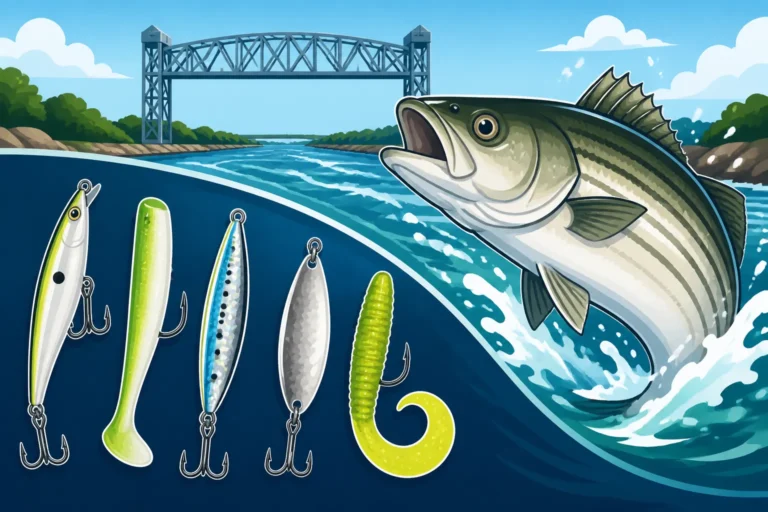
Best lures for bluefish
There's nothing quite like the raw, unadulterated thrill of hooking into a bluefish in Massachusetts waters. One moment, you're enjoying the salty air, and the next, your rod is nearly ripped from your hands as a toothy, powerful predator takes your lure with explosive force. But if you've ever stood in front of a wall of fishing tackle, feeling overwhelmed by the sheer number of options, you know the frustration. Choosing the right lure can make all the difference between a quiet day and a bent rod, which is why this guide is here to walk you through the absolute best lures for enticing those aggressive bluefish.
Understanding Bluefish Feeding Habits
Before we even dive into specific lures, it’s incredibly helpful to understand what makes bluefish tick, especially when it comes to their appetite. These aren't your leisurely bottom feeders; bluefish are apex predators with a reputation for being incredibly voracious and aggressive. Knowing their behavior is key to presenting a lure they simply can't resist.
The Aggressive Nature of Bluefish
Bluefish are often described as "choppers" or "gators" for a reason. They have incredibly sharp teeth and a feeding frenzy instinct that's almost unmatched in our coastal waters. When a school of bluefish moves into an area, they often create a chaotic scene, slashing through baitfish schools, sometimes even biting them in half just for the thrill. This isn't just about hunger; it's about pure, aggressive predation. They are not shy, and they will attack anything that looks like a struggling or fleeing baitfish. This aggression means that lures that provoke a reaction strike—something fast, flashy, or erratic—are often incredibly effective. They don't always need to be convinced; they just need an opportunity to attack.
What Bluefish Eat in Massachusetts Waters
Bluefish are opportunistic feeders, but they do have preferred prey depending on the season and location. In Massachusetts, their diet primarily consists of various baitfish species that congregate in coastal areas, estuaries, and offshore waters. You'll often find them gorging on large schools of menhaden, also known as pogies, which are a major food source. Mackerel are another big draw, especially in the cooler waters. Smaller baitfish like silversides, sand eels, and herring are also on the menu.
Knowing this helps us select lures that "match the hatch" – meaning, they imitate the size, shape, and color of the baitfish currently available in the area you're fishing. For instance, if you see large schools of pogies, a bigger, bunker-profile lure might be the ticket. If the water is full of small baitfish, a slimmer, faster retrieve might be more appropriate. These fish are constantly on the move, and their diet shifts with the seasons, so being adaptable with your lure choice is a huge advantage.
Top Lure Categories for Massachusetts Bluefish
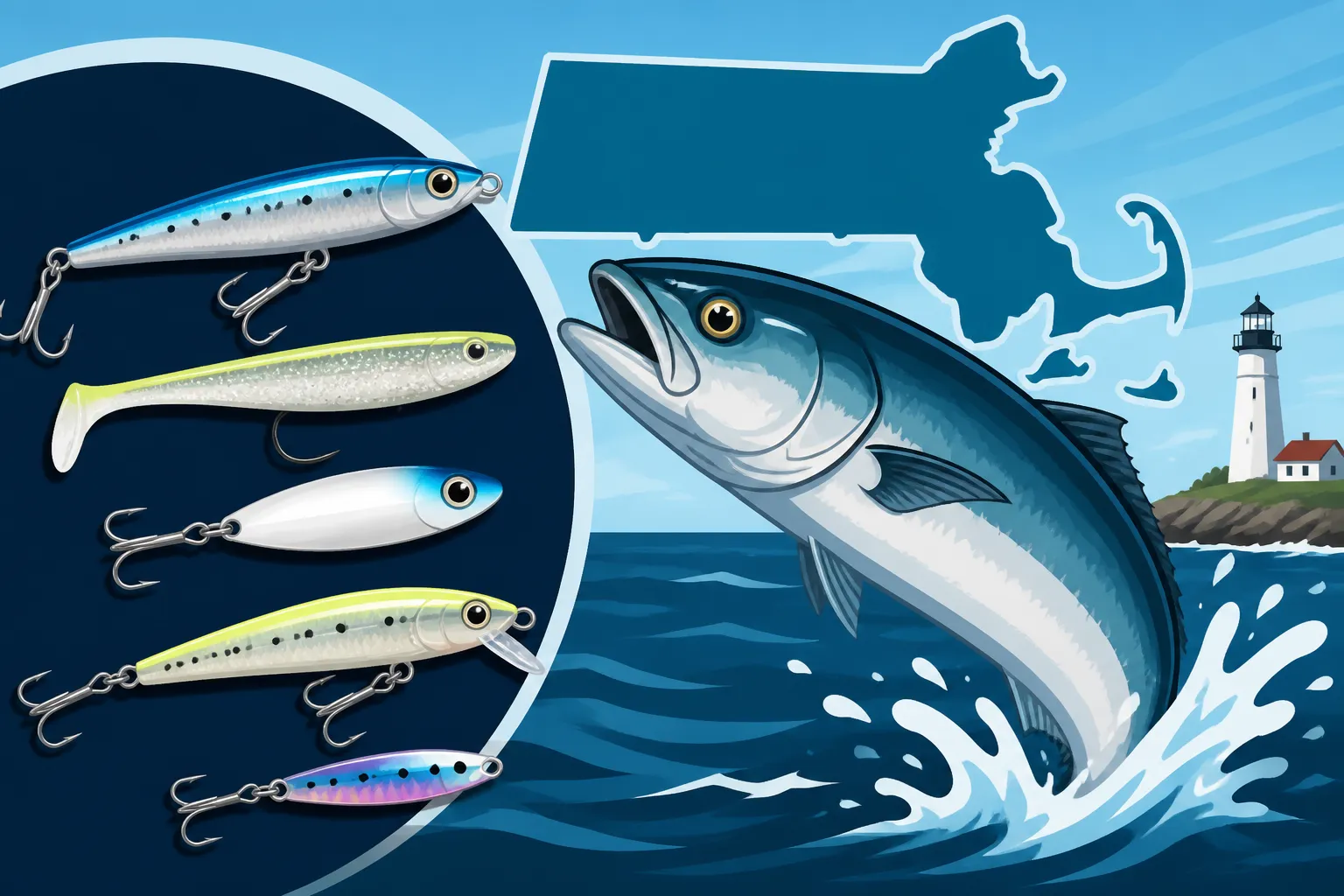
When it comes to bluefish, you really can't go wrong with lures that are durable, flashy, and can withstand a serious beating. These fish hit hard, and their razor-sharp teeth can make short work of lesser tackle. Here's a breakdown of the go-to lure categories that Massachusetts anglers swear by.
Metal Jigs and Spoons: Long-Casting Powerhouses
Metal jigs and spoons are absolute staples for bluefish anglers, and for good reason. They are durable, cast like a dream, and their erratic, flashy action drives bluefish wild. Think of brands like the classic Kastmaster or the venerable Deadly Dick. These aren't just for show; they're built to take a beating and keep catching fish.
The beauty of metal jigs and spoons lies in their versatility. You can cast them a mile, which is a huge advantage when you spot a bluefish blitz far offshore or when surfcasting from a beach. Once in the water, you can vary your retrieve from a slow, wobbling sweep to a fast, erratic jigging motion that mimics a frantic baitfish. Bluefish often hit these lures with incredible force, almost ripping the rod from your hands. Many anglers keep a selection of different weights and sizes, from smaller 1-ounce options for lighter tackle or smaller baitfish, to heavier 3-ounce or 4-ounce jigs for long-distance casting into strong winds or deeper water. On a brisk morning, when you're looking for How to Catch Bluefish in Massachusetts, a shiny metal jig mimicking a fleeing mackerel is often the first thing out of the tackle box.
Poppers and Surface Plugs: Explosive Topwater Action
There's nothing quite like the heart-stopping excitement of a bluefish exploding on a topwater lure. Poppers and surface plugs are designed to create commotion on the water's surface, mimicking a struggling or fleeing baitfish, and bluefish absolutely cannot resist them.
These lures typically come in two main styles: traditional poppers with a concave face that "chugs" and sprays water when retrieved, and pencil poppers, which are long, slender, and designed to "walk the dog" across the surface. Brands like Cotton Cordell Pencil Poppers or Rapala Skitter Pop are very popular. The key to success with topwater lures is the retrieve. You want to make it erratic—pauses, twitches, and quick bursts to simulate a wounded baitfish. The visual aspect of a bluefish erupting on the surface is incredibly addictive, making topwater fishing a favorite technique for many. They are especially effective during low light conditions or when bluefish are actively chasing bait near the surface. You'll find a good selection of these on Amazon, often in multi-packs, which is handy because those sharp bluefish teeth can do some damage.
Swimmers and Diving Plugs: Subsurface Predators
While topwater action is thrilling, bluefish don't always feed on the surface. Swimmers and diving plugs are designed to work just below the surface or at various depths, perfectly imitating the natural swimming motion of baitfish. These lures are fantastic for covering water and targeting fish that might be holding a bit deeper.
These plugs come in many shapes and sizes, from slender, shallow-diving swimmers that imitate sand eels or herring, to larger, deeper-diving plugs that mimic bigger baitfish like menhaden. Brands like Yo-Zuri Crystal Minnow or Bomber Long A are well-regarded for their realistic swimming action and durability. The diving lip on these lures causes them to wiggle and dive when retrieved, creating a lifelike presentation. They can be cast and retrieved steadily, trolled behind a boat, or worked with an erratic twitch-and-pause motion. They're especially effective when fishing from a boat or pier, allowing you to present a lure at the depth where bluefish are actively feeding. If you're wondering When Does Bluefish Season Start in Massachusetts?, these lures are a great choice as bluefish move into our waters and are often feeding in the water column.
Soft Plastics: Versatility and Natural Presentation
While bluefish are aggressive, sometimes a more subtle, natural presentation with soft plastics can be incredibly effective, especially when they're keying in on a specific type of smaller baitfish or when the bite is a bit tougher. Soft plastics offer incredible versatility and a lifelike feel that can trick even the most wary bluefish.
These lures are typically molded to resemble baitfish, worms, or grubs, and they're usually paired with a jig head. Popular options include paddle tails, grub tails, and jerk shads. The key here is to choose a durable plastic, as bluefish teeth can shred softer varieties in a hurry. Brands like Berkley Gulp! Saltwater offer excellent scented options that can sometimes trigger strikes when other lures fail. The beauty of soft plastics is their ability to mimic a wide range of baitfish in different sizes and colors. You can fish them with a slow, steady retrieve, bounce them along the bottom, or jig them erratically. They're particularly effective in clearer water or when bluefish are being picky. Just remember to have plenty of spare soft plastics on hand, as you'll likely go through a few during a hot bite. Amazon is a great place to stock up on these, as they're often sold in bulk packs.
Here's a quick comparison of these popular lure types:
| Lure Type | Best For | Key Characteristics | Pros | Cons |
|---|---|---|---|---|
| Metal Jigs/Spoons | Long casting, fast retrieve, deeper water | Heavy, flashy, erratic wobble | Extremely durable, casts far, very attractive to aggressive bluefish | Can be heavy to retrieve, prone to tangles if not retrieved fast enough |
| Poppers | Topwater action, low light, exciting strikes | Buoyant, creates splash and commotion | Visually exciting, draws aggressive surface strikes, covers large areas | Less effective in choppy conditions or when fish are deep, can be easily shredded by teeth |
| Swimmers/Diving Plugs | Subsurface, imitating natural baitfish, trolling | Diving lip, realistic swimming action | Mimics natural prey, works at various depths, good for trolling | Can be expensive, lips can break on rocks, may require specific retrieve speed |
| Soft Plastics | Finesse, matching the hatch, clearer water | Lifelike texture and movement, often scented | Versatile, natural presentation, can be very effective when fish are finicky | Less durable against bluefish teeth, requires jig head, not as effective for long casting |
Color, Size, and Retrieve: Making Your Lure Irresistible
Once you've picked your lure type, you're not done yet! The details matter, and often a subtle change in color, size, or how you work your lure can turn a slow day into an epic one. Bluefish might be aggressive, but they're not always mindless, and understanding these nuances will put more fish on your line.
Matching the Hatch: Color Considerations
When it comes to lure color, the age-old advice of "matching the hatch" is incredibly important. This means trying to select a lure color that mimics the baitfish bluefish are currently feeding on in your area.
- Silver or Chrome: This is almost always a safe bet. Many baitfish, like mackerel, herring, and silversides, have shiny, silver sides. A silver metal jig or a chrome-colored plug is often irresistible to bluefish because it looks exactly like what they're hunting.
- Blue/Green: Often used in combination with silver, colors like blue-back or green-back mimic mackerel and herring very well. Many topwater plugs and swimmers feature these natural color patterns.
- White: A classic for a reason. White can imitate a wide range of baitfish, especially when viewed from below against a bright sky. White soft plastics or white-bellied plugs are consistently productive.
- Chartreuse/Yellow: These brighter, more vibrant colors are excellent choices, especially in cloudy water, low light conditions, or when you just need to stand out. Sometimes, bluefish will key in on something completely unnatural simply because it agitates them into striking. Don't be afraid to experiment!
If you're fishing a spot where you know there are a lot of bunker (menhaden), look for lures with a bunker profile and darker, more natural greens and grays. Conversely, if you're seeing small schools of silversides, a smaller, slender silver lure is a better bet. The goal is to make your lure look as much like an easy meal as possible.
Sizing Up Your Lures for Bluefish
Just like color, size plays a crucial role. Bluefish are not usually picky about size within reason, but matching their current forage can significantly increase your hook-up rate.
- Smaller Lures (1-2 ounces): These are great when bluefish are feeding on small baitfish like sand eels or peanut bunker. They're also excellent for lighter tackle setups or when fishing in calmer conditions. Many anglers use smaller jigs or soft plastics for these scenarios.
- Medium Lures (2-4 ounces): This is your sweet spot for most bluefish situations in Massachusetts. Lures in this range—metal jigs, mid-sized poppers, and swimming plugs—imitate common baitfish like mackerel and average-sized bunker. They cast well, provide good action, and are robust enough for these aggressive fish.
- Larger Lures (4+ ounces): When bluefish are chasing large bunker or when you need maximum casting distance in heavy surf, bigger lures come into their own. These are also preferred when fishing for truly giant bluefish, which can sometimes be encountered in deeper, offshore waters.
Remember, bluefish have notoriously sharp teeth. While lure size is important, so is durability. If you're consistently losing lures to bite-offs, consider upgrading your leader or using harder, more robust plugs.
The Art of the Retrieve
Even the best lure is only as good as its presentation. How you retrieve your lure is paramount to enticing a bluefish strike. Bluefish are predatory, so they respond best to actions that mimic a struggling, fleeing, or injured baitfish.
- Fast and Erratic: This is often the most effective retrieve for bluefish. A quick, jerky retrieve with occasional pauses can trigger a ferocious reaction strike. Whether you're jigging a metal spoon or working a popper, varying your speed and adding sudden twitches makes your lure look vulnerable and irresistible.
- Burn and Kill: This technique involves a very fast retrieve ("burn") followed by a sudden, complete stop ("kill"). Many times, a bluefish will chase the lure at high speed, and the moment it stops, they pounce. This works exceptionally well with metal jigs and swimming plugs.
- Walk the Dog: For pencil poppers, this retrieve creates a side-to-side zig-zag motion on the surface. It requires a bit of practice but can be deadly for drawing explosive topwater strikes.
- Steady Retrieve: While less exciting, a steady, fast retrieve can still be very effective, especially with swimming plugs that have a built-in wiggle. It mimics a baitfish trying to escape.
Experiment with different retrieve speeds and actions until you find what the bluefish are responding to. Sometimes, they want it fast; other times, a slightly slower, more deliberate action with pauses will get their attention. Pay attention to what the fish tell you!
Gear Considerations for Bluefish Lure Fishing
Fishing for bluefish isn't just about the lure; it's about the entire setup. These fish fight hard and have teeth that can easily cut through lighter lines and tackle. Having the right gear will not only prevent frustration but also ensure you have the power and durability needed to land these feisty fighters.
Rod and Reel Setup for Heavy Hitters
When targeting bluefish, especially the larger specimens found in Massachusetts waters, your rod and reel setup needs to be up to the task. You're not just casting; you're often battling a strong, unpredictable fish that will make powerful runs and headshakes.
For most inshore and surfcasting situations, a medium-heavy to heavy action spinning rod between 7 and 10 feet is ideal. A 7-foot rod is great for boat or pier fishing, offering good leverage and casting distance, while a 9-10 foot rod is perfect for reaching distant blitzes from the beach, allowing for those Massachusetts Surf Fishing Techniques that cover more water. Look for a rod with a fast tip for sensitivity, but enough backbone to handle a fighting bluefish.
Pair this with a durable spinning reel in the 4000 to 6000 size range. This size offers sufficient line capacity and a smooth, reliable drag system, which is absolutely critical when a bluefish decides to bolt. Brands like Shimano or Penn offer excellent saltwater-specific reels that can withstand the corrosive environment and the strain of fighting tough fish. Fill your reel with braided line, typically 30-50 lb test. Braid offers superior casting distance, sensitivity, and strength compared to monofilament, giving you a better feel for your lure and the ability to set the hook firmly.
Leader Materials and Terminal Tackle
This is where many anglers make mistakes when first targeting bluefish. Those sharp teeth are no joke, and they can slice through monofilament or fluorocarbon leader like butter.
- Wire Leader: For maximum protection against bite-offs, a short section of steel wire leader is highly recommended, especially when bluefish are abundant and aggressive. You can buy pre-made wire leaders with swivels and snaps, or you can make your own using single-strand or multi-strand wire. A 6-12 inch section of 30-60 lb test wire leader is usually sufficient. While some argue wire leader can spook fish, with bluefish, their aggression often overrides their caution.
- Heavy Fluorocarbon Leader: If you prefer not to use wire or if bluefish are less aggressive, a heavy-duty fluorocarbon leader can offer a good compromise. Use at least 50-80 lb test fluorocarbon, and keep the leader section relatively short (18-24 inches) to minimize visibility. While not entirely bite-proof, it's far more abrasion-resistant than standard mono and often gets more strikes in clearer water.
- Strong Swivels and Snaps: Bluefish fight with a lot of head-shaking and spinning, which can twist your line. Use heavy-duty barrel swivels to prevent line twist and sturdy snaps for quick lure changes. Don't skimp on quality here; a cheap snap can be the weak link that loses you a trophy fish. Many anglers opt for black swivels and snaps, believing they are less visible to fish.
- Durable Hooks: Many lures come with treble hooks, and while these are effective, bluefish often bend or break cheaper trebles. Consider upgrading to stronger, saltwater-grade treble hooks or, even better, replacing them with single hooks. Single hooks are often safer for both the angler and the fish if you plan on releasing them, and they can still get a firm hookset.
Having these terminal tackle components ready in your tackle box is crucial. You'll thank yourself when you're in the middle of a hot bluefish bite and need to quickly re-rig after a nasty bite-off or a bent hook. Remember, checking Massachusetts Bluefish Bag Limit and Season regulations before you head out is always a good idea.
Disclaimer
Please note that fishing regulations, including bag limits, seasons, and licensing requirements, are subject to change. Always consult the latest rules and advisories from the Massachusetts Division of Marine Fisheries or relevant local authorities before heading out on your fishing trip. This guide is for informational purposes only and should not replace official regulatory information.