How to catch catfish in Massachusetts ponds
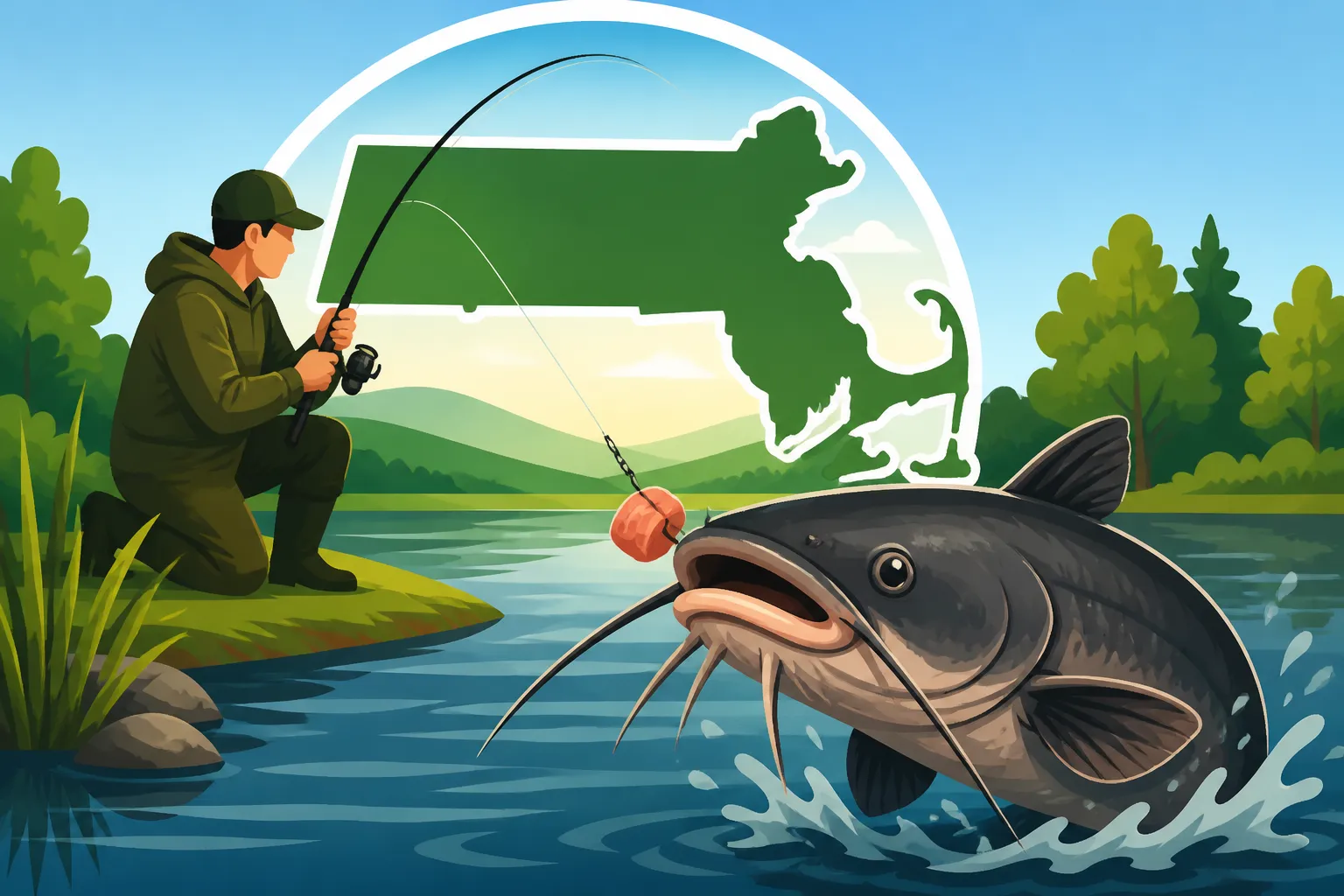
Let's be honest, when you think about fishing in Massachusetts, your mind probably jumps to striped bass crashing baits in the Cape Cod Canal, or maybe a gorgeous brook trout in a clear mountain stream. Catfish often get a bit of a bad rap, sometimes unfairly lumped into the "muddy bottom feeder" category, and for many anglers, they're an afterthought. But trust me, overlooking the humble catfish in our state's ponds means missing out on some genuinely fun, accessible, and often surprisingly challenging fishing right in your backyard. This guide is here to shed light on how to confidently target and successfully catch catfish in Massachusetts ponds, turning those overlooked waters into your next favorite fishing spot.
Unraveling the Mystery of Catfish in Massachusetts Ponds
For many, the thought of catfish conjures images of massive, whiskered beasts from southern rivers. While we might not have the monster flatheads of the Mississippi here, Massachusetts ponds are home to robust populations of equally enjoyable catfish species, offering a unique angling experience that's often less crowded and more laid-back.
Meet the Locals: Channel Catfish and Bullheads
In Massachusetts, you're primarily going to encounter two main species of catfish: the Channel Catfish and the Brown Bullhead. Understanding these two distinct fish is the first step to tailoring your approach.
Channel Catfish are the true "catfish" most people picture. They have a sleek, scaleless body, deeply forked tail, and those signature barbels around their mouth that look like whiskers. They typically range from a couple of pounds up to ten or fifteen pounds in our ponds, though larger specimens are certainly out there. These fish are powerful fighters, known for their strong runs and deep dives, and they can really put a bend in your rod. They prefer deeper, warmer waters, often found in larger ponds and lakes, especially those that have been stocked. Massachusetts' MassWildlife often stocks Channel Catfish in various warm-water impoundments across the state to enhance recreational fishing opportunities, making them a reliable target. They're omnivores, eating just about anything from insects and crustaceans to smaller fish and vegetation.
Then we have the Brown Bullhead, often simply called "bullhead." These are smaller, typically ranging from less than a pound to a few pounds, with a squarer, more blunt tail and a mottled brown or yellowish-brown color. Unlike the Channel Catfish, bullheads thrive in shallower, often murkier waters, and they're incredibly tough and adaptable. You'll find them in almost any pond or slow-moving river in Massachusetts, even those that seem a bit overgrown or neglected. They're not as strong as their channel cat cousins, but they're feisty little fighters on light tackle and are absolutely perfect for a relaxed afternoon of fishing with the family. For more on what species you might encounter, our Massachusetts Fish Identification Guide can be a useful resource.
Why Catfish are an Unsung Hero for Massachusetts Anglers
So, why bother with catfish when there are so many other tempting species? Well, there are several compelling reasons why targeting catfish can be one of the most rewarding and accessible forms of fishing in Massachusetts.
First, they're accessible. You don't need a fancy boat or expensive gear to catch catfish. Many of our local ponds, even those tucked away in suburban areas, hold healthy populations. Shore fishing is incredibly effective, making it a fantastic option for anglers without boat access or those looking for a quick outing after work. Secondly, they're fantastic fighters. While a bullhead on a heavy rod might not feel like much, hook a decent Channel Catfish on appropriate tackle, and you're in for a serious battle. Their powerful runs and stubborn refusal to give up make for an exhilarating experience that can surprise even seasoned anglers.
Finally, and this is a big one for many, catfish are a truly excellent table fish, especially when caught from clean, well-maintained ponds. There's a persistent myth that all catfish taste muddy, but that's simply not true, particularly for those caught in clear, flowing waters or regularly stocked ponds. They offer firm, white, flaky meat that's delicious fried, baked, or grilled. They also represent a wonderfully democratic fishing opportunity. Whether you're a seasoned pro or taking a kid out for their first time, the relatively simple techniques and willingness of catfish to bite make for a high-success outing. It's truly a great way to introduce newcomers to the joy of fishing without the frustration of difficult-to-locate or finicky species. To learn more about what fish you might find in specific water bodies, check out our guide on Catfish Species Found in Massachusetts.
Essential Gear for Your Catfish Quest
You don't need to break the bank to get started with catfish fishing, but having the right tools for the job will significantly increase your chances of success and enjoyment. It's about finding a balance between power and sensitivity.
Rods, Reels, and Line: Building Your Catfish Toolkit
For Channel Catfish, you'll want a medium-heavy action spinning or baitcasting setup. A rod between 6.5 and 7.5 feet long with a good backbone will provide the power to cast heavier baits and wrestle larger fish, while still having enough tip sensitivity to detect those subtle catfish bites. Pair this with a reliable spinning reel in the 3000-4000 series or a sturdy baitcasting reel. You want a reel with a smooth drag system, as this is crucial when a powerful Channel Catfish decides to make a run.
When it comes to line, a monofilament line in the 12-20 pound test range is a solid all-around choice. It offers good abrasion resistance, knot strength, and enough stretch to absorb sudden shocks. If you prefer more sensitivity and direct contact with your bait, braided line in the 20-30 pound test range is an excellent option, especially if you're fishing in areas with heavy cover. Just remember that braid has no stretch, so a slightly softer rod tip can help compensate. For smaller bullheads, a medium-light to medium action rod with 6-10 pound test monofilament is perfect. It'll make even a small bullhead feel like a giant!
Terminal Tackle Must-Haves
This is where the magic happens – the hooks, sinkers, and swivels that connect your line to the fish. Getting these right is key.
Hooks: For catfish, I'm a huge advocate for circle hooks. They are incredibly effective for catching fish in the corner of the mouth, which is healthier for the fish if you're practicing catch and release, and they significantly reduce gut-hooking. For Channel Catfish, sizes ranging from 2/0 to 5/0 are usually appropriate, depending on your bait size. For bullheads, a smaller 1/0 or even a size 1 or 2 baitholder hook will do the trick. A good selection of these can easily be found online; for convenience and a wide variety, many anglers turn to retailers like Amazon to stock up on different sizes and styles of hooks.
Sinkers: You'll need enough weight to get your bait to the bottom and keep it there, especially if there's any current or wind. Egg sinkers or flat 'no-roll' sinkers in sizes from 1/2 ounce to 2 ounces are common. For a simple slip-sinker rig, an egg sinker allows the line to run freely, so the fish doesn't feel the weight when it picks up the bait.
Swivels: Barrel swivels or three-way swivels are important to prevent line twist and to create different rig configurations. A good sturdy swivel will connect your main line to your leader.
Rigs:
- Slip-Sinker Rig (Carolina Rig): This is probably the most popular and effective catfish rig. Thread an egg sinker onto your main line, followed by a bead (to protect the knot), and then tie on a barrel swivel. To the other end of the swivel, tie a 12-18 inch fluorocarbon or monofilament leader (a few pounds lighter than your main line) and your circle hook. This allows the fish to take the bait without feeling resistance from the sinker.
- Three-Way Swivel Rig: Use a three-way swivel to tie your main line to one eye, a short leader (6-12 inches) with a sinker to another eye, and a longer leader (12-24 inches) with your hook to the third. This rig is great for keeping your bait off the very bottom, especially if it's muddy or snag-prone.
The Secret Sauce: Baits and Rigging for Massachusetts Catfish
Catfish are renowned for their incredible sense of smell and their willingness to eat a wide variety of things. This makes them a fantastic target for bait fishing, and you don't always need exotic or expensive options.
Irresistible Baits That Get Results
When it comes to catfish, don't overthink it. Often, the simplest, smellier baits are the most effective. Here are some tried-and-true favorites for Massachusetts ponds:
Cut Bait: This is probably my number one recommendation for Channel Catfish. Take a small, non-game fish (like a shiner, sunfish, or even a smaller perch, making sure to check Massachusetts Recreational Fishing Rules and Bag Limits for bait fish regulations) and cut it into chunks. The oil and blood released into the water are irresistible to catfish. You can even use pieces of larger fish. The key is to have something fresh and oily.
Chicken Liver: This is a classic for a reason. Chicken liver is messy, smelly, and catfish absolutely love it. The challenge is keeping it on the hook! Many anglers will use a small piece of nylon stocking or a bait holder spring to secure it. If you're struggling to keep it on, you can let it sit in the sun for an hour or so to toughen up the outside slightly.
Worms: Good old nightcrawlers and earthworms are fantastic for both Channel Catfish and bullheads. A big juicy gob of worms on a hook is a universal fish attractant, and catfish are no exception. They're easy to find and handle, making them perfect for beginners or a spontaneous fishing trip.
Prepared Stink Baits & Dough Baits: There's a huge variety of commercially prepared "stink baits" and dough baits specifically designed for catfish. These often come in paste form or pre-formed nuggets and are packed with potent scents that catfish can detect from a distance. While some anglers prefer natural baits, these can be incredibly effective, especially if you're just starting out and want something easy to use. You can easily find these specialty baits from retailers like Amazon, often with descriptions indicating what species they're best for. For more detail, you might explore articles such as Best Bait for Channel Catfish.
Household Items: Don't laugh, but hot dogs, corn (especially creamed corn mixed with a little water), and even pieces of sponge soaked in garlic juice can work in a pinch. Catfish are opportunistic feeders, and these simple baits can often surprise you with their effectiveness, especially for bullheads in shallower ponds.
Rigging and Presentation Techniques
Once you have your bait, how you present it makes all the difference. Catfish are primarily bottom feeders, so that's usually where you want your bait.
The most common and effective method is bottom fishing with one of the slip-sinker or three-way swivel rigs described above. Cast your bait out into a promising area (more on that later), let it sink to the bottom, and then reel in any slack line until your line is taut but not pulling the sinker. You want to be able to detect even the slightest tap. Many anglers will prop their rod on a rod holder or a stick, watching the rod tip for action. When a catfish bites, it might be a gentle tap, a slow pull, or a sudden, violent bend in the rod. With circle hooks, resist the urge to set the hook hard. Instead, let the fish take the bait, and as the rod loads up, simply begin to reel steadily. The circle hook will do the work of finding the corner of the fish's mouth.
While bottom fishing is king, don't rule out fishing with a float or bobber in shallower areas, especially for bullheads. If you're targeting areas near lily pads, submerged logs, or shallow weed lines, a fixed or slip bobber can suspend your bait just above the bottom, keeping it visible and away from snags. This can also be a more visual and exciting way to fish, especially for kids, as they can watch the bobber disappear beneath the surface. Remember, fishing in Massachusetts ponds typically requires a license, so ensure you have your Massachusetts Freshwater Fishing License Costs and Rules sorted before you head out.
Where and When to Find Catfish in Our Ponds
Knowing what gear and bait to use is only half the battle; the other half is understanding where these whiskered wonders like to hang out and when they're most active.
Locating Catfish Havens in Massachusetts Ponds
Catfish are creatures of habit and prefer certain types of habitat within a pond. They like to feel secure and often gravitate towards areas with cover or distinct depth changes.
Deep Holes and Channels: In many ponds, catfish will seek out the deepest parts, especially during the heat of the day. If your pond has a deeper channel running through it or pronounced drop-offs, these are prime locations. Catfish will often patrol these areas, especially where they meet shallower flats or weed beds, looking for food.
Submerged Structure: Think logs, brush piles, old tires, rock piles, or even artificial structures like culverts. These provide cover, ambush points for feeding, and a sense of security. If you can locate these underwater structures, you're likely to find catfish nearby. Many maps (especially those found via MassWildlife) will show depth contours and sometimes even indicate known structures.
Weed Lines and Edges: The edges of dense weed beds, particularly where they drop off into deeper water, are excellent spots. These areas are teeming with baitfish, insects, and other organisms that catfish prey upon. Look for breaks in the weeds or pockets within them where you can present your bait without getting constantly snagged.
Inlets and Outlets: Areas where streams or rivers flow into or out of a pond can be hotspots. These moving water areas often bring in fresh food, oxygen, and can concentrate baitfish. Fishing near bridge abutments or culverts where water flows can be very productive. Remember, for most public waters, a license is required, so understanding Do You Need a License to Fish in Massachusetts Ponds? is important. To find out more about specific locations, our guide on the Best Freshwater Ponds and Lakes in Massachusetts is an excellent place to start.
Timing Your Catfish Excursion
Catfish aren't always active, and understanding their daily and seasonal patterns will significantly boost your catch rates.
Times of Day: Catfish, especially Channel Cats, are largely nocturnal. While you can certainly catch them during the day, their activity levels really pick up during the low light hours of dawn, dusk, and throughout the night. If you're serious about targeting bigger Channel Catfish, nighttime fishing is often your best bet. Bullheads, being a bit more opportunistic, are often more willing to bite during the day, especially in stained or murky waters. If you're planning on fishing into the evening, having a good headlamp or a floating fishing light can make a huge difference, ensuring you can see your line and tackle. You'll find plenty of reliable options on Amazon to keep you well-equipped for those twilight bites.
Seasons: The warmer months are prime catfish time in Massachusetts. Late spring, throughout summer, and into early fall are when catfish are most active and feeding aggressively. As water temperatures rise, their metabolism increases, and they become more willing to move and strike baits. During the spring, look for them in shallower areas as they prepare to spawn. In the heat of summer, they'll often retreat to deeper, cooler water during the day but move into shallower feeding grounds at night. As fall progresses and water temperatures drop, their activity will slow down, though you can still catch them until the water gets truly cold. Keep an eye on local regulations for specific species via resources like the Massachusetts Freshwater Daily Catch Limits.
Mastering the Catch: Techniques and Tips
Getting a bite is exciting, but landing that catfish safely and effectively is the true reward. Catfish have unique characteristics that require a slightly different approach than, say, a trout or a bass.
The Art of the Bite and the Fight
Catfish bites can be anything from a subtle tap that barely jiggles your rod tip to a violent wrench that nearly pulls your rod into the water. Patience is your best friend here. With a slip-sinker rig and circle hooks, let the fish take the bait. Don't immediately try to set the hook. Instead, wait for the rod to load up steadily, indicating the fish has fully committed and is swimming away with the bait. Then, simply start reeling, applying steady pressure. The unique design of the circle hook will usually cause it to slide into the corner of the fish's mouth as pressure is applied, resulting in a solid, lip-hooked catch.
Once hooked, be prepared for a fight. Channel Catfish, in particular, are powerful. They'll often make strong, deliberate runs, trying to dive into cover or deeper water. Keep a steady bend in your rod and let your reel's drag do its job. Don't try to horse them in too quickly, or you risk breaking your line or pulling the hook. If they try to wrap you around a submerged log or weed bed, try to apply sideways pressure to steer them away from the obstruction. For bullheads, it's generally a more straightforward fight, but they can still surprise you with a burst of energy, especially near the boat or shore.
Handling Your Catch and Staying Compliant
Catfish require careful handling, primarily because of their pectoral and dorsal fins, which have sharp, stiff spines. These spines, especially on bullheads, can deliver a painful poke if you're not careful. When landing a catfish, avoid grabbing it directly around the body where these fins are located. Instead, use a pair of pliers or a de-hooking tool to remove the hook while the fish is still in the water or secured on the ground. If you must handle the fish by hand, grip it firmly behind the head and jaw, avoiding the gill plates and the areas where the spines are. Wetting your hands before handling also helps protect the fish's slime coat if you plan to release it.
It's also crucial to be aware of and comply with all Massachusetts fishing regulations. This includes understanding Massachusetts Fishing License Requirements by Age and daily catch limits. While catfish populations are generally healthy, adhering to these rules ensures sustainable fishing for everyone. If you're planning to keep fish for the table, bring a cooler with ice to preserve your catch immediately. For specific regulations or to consult the official pamphlet, you can often find information online or at bait and tackle shops; our article on the Massachusetts Fishing Regulations Pamphlet, Explained might also be helpful.
| Bait Type | Best For | Advantages | Disadvantages |
|---|---|---|---|
| Cut Bait | Channel Catfish | Oily, bloody, strong scent, durable on hook | Can be messy, requires baitfish |
| Chicken Liver | Both Species | Very strong scent, highly attractive | Falls off hook easily, very messy, perishable |
| Nightcrawlers | Both Species | Universal appeal, easy to find, less messy | Smaller bites may steal bait, can be expensive |
| Stink Baits | Both Species | Designed for catfish, long-lasting scent | Can be very messy, artificial feel, not always natural |
| Hot Dogs | Bullheads | Cheap, easy to use, readily available | Less effective for larger Channel Cats |
| Corn | Bullheads (smaller) | Cheap, easy to use, good for panfish too | Less scent, generally for smaller fish |
Always remember that fishing is an ongoing learning process. The more time you spend on Massachusetts ponds, experimenting with different baits, rigs, and locations, the more successful you'll become at catching these often-underappreciated fighting fish.
Disclaimer
This article is for general informational purposes only and does not constitute professional advice. Laws, prices and regulations vary by location and change over time. Consult a qualified professional for guidance on your specific situation.