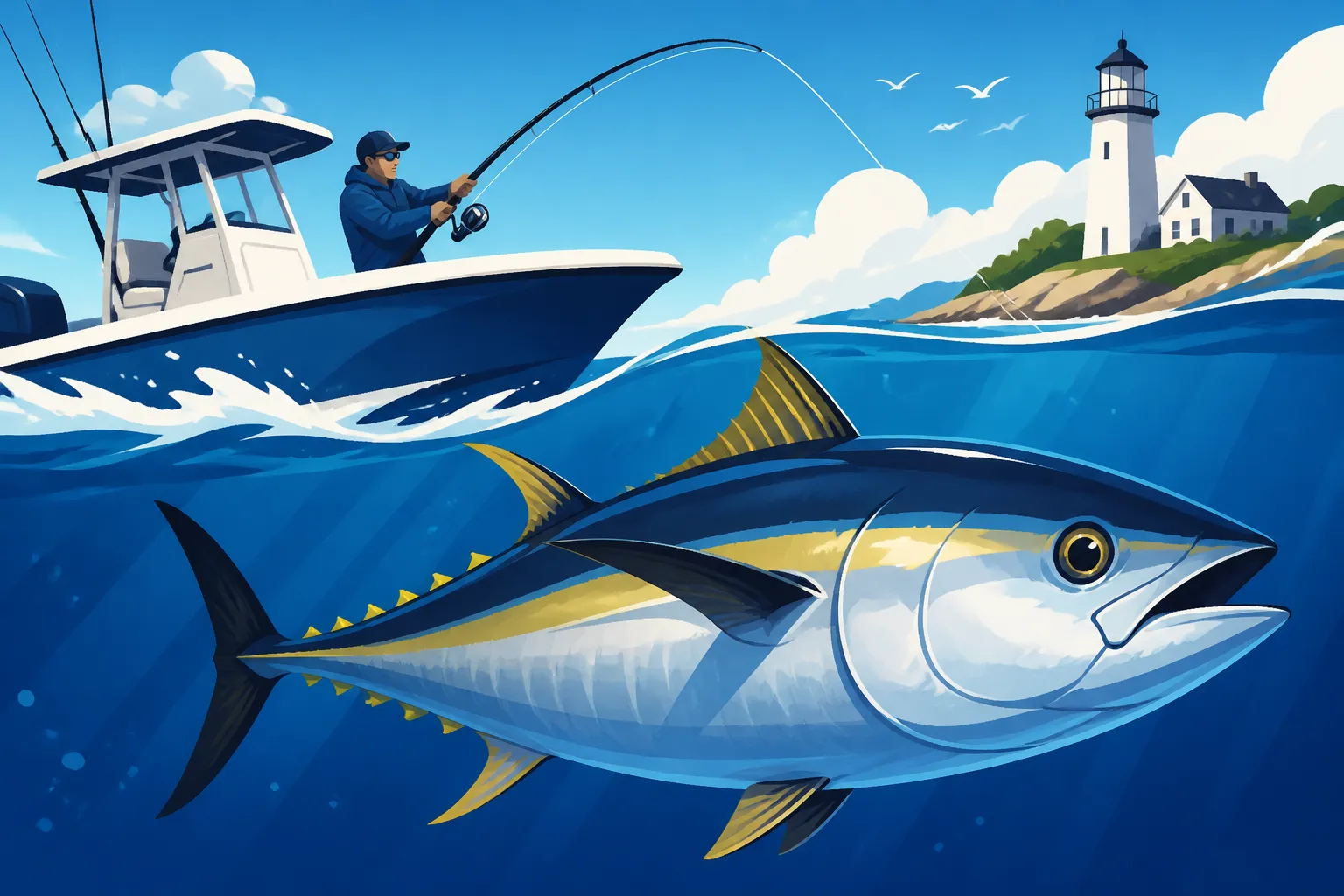
Bluefin Tuna Fishing off Massachusetts
Oh, the legendary bluefin tuna! For so many of us in Massachusetts, the very mention of these magnificent creatures sparks a fire in our angler's souls. It’s a pursuit that’s as challenging as it is rewarding, often leading to a mix of sheer exhilaration and profound frustration. If you've ever dreamt of battling one of these ocean giants, or if you're already hooked and looking to refine your game, you know how complex and intimidating it can feel to even begin. This guide is here to untangle the lines, offering you a comprehensive look at what it truly takes to chase bluefin tuna in our incredible Massachusetts waters, from understanding their habits to mastering the techniques and navigating the rules.
The Allure of Massachusetts Bluefin Tuna
There’s something truly captivating about bluefin tuna, especially here off the coast of Massachusetts. These aren't just fish; they're apex predators, built for speed and power, embodying the wild spirit of the open ocean. For anglers, landing one is often considered the pinnacle of saltwater fishing, a test of strength, skill, and sheer endurance.
Why Bluefin Tuna Are Such a Prize
Let’s be honest, part of the allure is the sheer challenge. Bluefin tuna are incredibly strong, fast, and intelligent. Hooking into one is like tying your line to a runaway freight train, and the fight can last for hours, pushing both angler and gear to their absolute limits. It's not just a catch; it's an epic struggle that leaves you with an unforgettable story and often, aching muscles. Beyond the fight, there's the mystique. Bluefin are sleek, powerful, and majestic, with a metallic blue back and silver sides that glisten under the sun. They're a symbol of the ocean's raw power, and holding one up, even a smaller "schoolie" or "recreational" size, is a moment of immense pride for any fisherman.
Then there's the culinary aspect. For many, bluefin tuna is one of the most highly prized fish for its rich, buttery flesh, especially when prepared as sashimi or seared. The quality of Massachusetts bluefin is renowned, making a successful trip even more desirable. But let’s be realistic, it’s not always about dinner; sometimes it’s purely about the experience, the hunt, and the profound respect we develop for these incredible animals during the pursuit. The opportunity to encounter such a creature in its natural habitat, right off our shores, is a privilege that keeps us coming back season after season.
The Thrill of the Chase
The thrill of bluefin tuna fishing isn't just about the moment the line screams off the reel. It starts long before, with the anticipation of the season, the meticulous preparation of gear, and the endless hours spent studying charts, weather patterns, and bait movements. Imagine waking up before dawn, the salty air crisp, and the anticipation building as you head out to sea. The hum of the engines, the rocking of the boat, and the constant scanning of the horizon for signs of life—birds diving, bait schools boiling, or even the tell-tale splash of a feeding tuna. It's an immersive experience that engages all your senses.
When that strike finally comes, it's unlike anything else. The sudden, violent tug, followed by the terrifying scream of the drag as hundreds of yards of line disappear in seconds, is an adrenaline rush that's hard to describe. It’s a pure, unadulterated moment of connection with a wild beast. The hours that follow are a dance of power and strategy, a constant battle of wills. It’s a test of your physical stamina and mental fortitude, often leaving you exhausted but utterly satisfied, knowing you’ve pushed yourself to the limit. That feeling, that profound sense of accomplishment, is why so many of us dedicate ourselves to the pursuit of bluefin tuna.
Understanding Bluefin Tuna Migrations and Seasons
Knowing when and where bluefin tuna are likely to be found is half the battle. These are highly migratory fish, and their movements dictate much of our fishing strategy throughout the year.
Seasonal Arrival and Departure
The bluefin tuna season in Massachusetts typically kicks off in late spring or early summer, usually around June, when the first waves of smaller "schoolie" tuna begin to appear in our nearshore waters. These are often the younger, more aggressive fish, and they offer a fantastic opportunity for anglers to get their first taste of tuna action without needing truly heavy-duty gear. As the summer progresses into July and August, the fishing generally intensifies. This is when the larger, more mature tuna, including the coveted "giants," start to show up in greater numbers, often following baitfish schools along the coast and out to the offshore banks.
Peak season for giant bluefin usually runs through late summer and into the fall, typically September and October, sometimes even into November if the weather holds and the bait remains plentiful. During this time, the fish are aggressively feeding, bulking up for their long migrations, and can offer some of the most exciting and productive fishing opportunities. However, remember that every year is a little different, and factors like water temperature, bait presence, and prevailing currents can cause variations in their exact timing and location. Staying connected with local fishing reports and other anglers is crucial for tracking these elusive giants.
Key Migration Patterns
Bluefin tuna undertake incredible transatlantic migrations, and the fish we encounter off Massachusetts are primarily part of the Western Atlantic stock. They spend their winters in warmer waters, often in the Gulf of Mexico where they spawn, and then journey north along the East Coast as the waters warm, following rich food sources like mackerel, herring, and menhaden. These baitfish schools are the driving force behind tuna movements. When the bait is thick, the tuna won't be far behind. They'll often push these bait schools into tight balls, creating spectacular feeding frenzies that are visible from miles away, marked by diving birds and boiling water.
Understanding these patterns means knowing that if there’s a strong menhaden run in Cape Cod Bay, or if the mackerel are plentiful around Stellwagen Bank, there’s a good chance the bluefin will be nearby. Bluefin Tuna Fishing Techniques Near Cape Cod often revolve around understanding these bait migrations. These majestic fish will travel immense distances to capitalize on abundant food, so identifying areas where bait is concentrated – whether it’s inshore humps, offshore canyons, or even tidal rips – is paramount to success. Paying attention to water temperature breaks and current lines can also lead you to productive areas, as these often concentrate bait and, consequently, hungry tuna.
Essential Gear for Bluefin Tuna Fishing
Chasing bluefin tuna is not for the faint of heart, nor for tackle that's anything less than top-shelf. These fish demand serious equipment, and trying to cut corners will almost certainly lead to heartbreak.
Rods, Reels, and Line: The Core Setup
For bluefin tuna, your rod and reel setup needs to be robust, reliable, and capable of handling immense strain. We're talking about heavy-duty gear designed to stop a fish that can weigh hundreds of pounds and strip line at incredible speeds. For trolling and chunking, many anglers opt for stand-up rods in the 50 to 80-pound class, paired with large conventional reels. These reels should have exceptional drag systems and high line capacities, often holding 500 to 800 yards of 80 to 130-pound braided line, topped with a heavy monofilament or fluorocarbon leader. Brands like Shimano Tiagra, Penn International, and Daiwa Saltiga are popular choices for their proven durability and performance. It’s worth investing in quality here; a cheap reel can seize up under the pressure of a giant bluefin, and a weak rod can snap.
For jigging and popping, the gear is slightly different, but no less formidable. You'll use specialized heavy-action spinning or conventional rods, often shorter and designed for casting and working lures. These are paired with large, powerful spinning reels (like a Shimano Stella or Penn Slammer) or smaller, high-speed conventional reels, spooled with 60 to 100-pound braid. The braid provides incredible strength and sensitivity, allowing you to feel every subtle twitch of your lure and every head shake of a fighting fish. Regardless of the technique, ensure your gear is meticulously maintained and thoroughly checked before each trip. There’s nothing worse than losing the fish of a lifetime because of a rusty hook or a worn line. You can find many of these specialized rods and reels, along with reviews and comparative pricing, on platforms like Amazon if your local tackle shop doesn't have the exact model you're eyeing.
Terminal Tackle and Lures
Your terminal tackle is the business end of your fishing system, and it needs to be just as strong as your rods and reels. For bluefin, this means heavy-duty fluorocarbon or monofilament leaders, typically 100 to 200-pound test, depending on the size of the fish you're targeting and the clarity of the water. Swivels, snaps, and split rings should also be rated for extreme strength, often 200 pounds or more. You don't want any weak links in your chain. Hooks are another critical component; many anglers use circle hooks (required in some fisheries) when live baiting or chunking, which are designed to hook the fish in the corner of the mouth, reducing gut-hooking and making for easier releases. For lures, the options are vast.
When trolling, popular choices include large, diving plugs, cedar plugs, spreader bars, and ballyhoo rigs. For chunking, live bait like mackerel, herring, or menhaden are often deployed, sometimes accompanied by butterflied baits. Jigging involves heavy metal jigs, often weighing several ounces to over a pound, that are dropped deep and retrieved with an erratic motion to mimic fleeing baitfish. Popping requires large, buoyant poppers or stickbaits that are cast and worked across the surface to create a commotion that draws tuna in. Stocking up on high-quality hooks, swivels, and leader material is crucial. Many anglers find it convenient to order these specialized items from online retailers such as Amazon, especially when local tackle shops might have limited stock on specific brands or sizes. Don't skimp on terminal tackle; it’s where your line meets the fish, and failure here is almost guaranteed to end in disappointment.
Safety and Supporting Equipment
Bluefin tuna fishing often takes you far offshore and involves heavy gear, so safety and supporting equipment are just as vital as your fishing tackle. First and foremost, a well-maintained boat with reliable engines, proper navigation electronics (GPS, plotter, radar), and communication devices (VHF radio, satellite phone or communicator) is non-negotiable. Always let someone know your float plan before you head out, detailing where you're going and when you expect to return. Personal safety gear includes Coast Guard-approved life jackets for everyone on board, a first-aid kit, emergency flares, and a ditch bag with essentials in case of an unforeseen incident.
Beyond personal safety, you'll need a good gaff for landing tuna, especially the larger ones, and a tail rope to secure them once they're alongside the boat. A large, insulated cooler or fish bag is essential for preserving your catch, especially if you're keeping a trophy. A cutting board and sharp knives are also useful for processing the fish if you plan to do so at sea. From emergency signaling devices to quality life vests, having reliable safety gear is non-negotiable. Websites like Amazon offer a broad range of marine safety products, making it easy to prepare for any eventuality. Remember, the ocean is powerful and unpredictable, and proper preparation is key to a safe and successful bluefin tuna adventure.
Popular Bluefin Tuna Fishing Techniques
Catching bluefin tuna isn't a one-size-fits-all endeavor. Different situations call for different tactics, and mastering a few key techniques will significantly increase your chances of success.
Trolling for Giants
Trolling is perhaps one of the most classic and effective ways to target bluefin tuna, particularly the larger ones. This technique involves dragging a spread of lures or baits behind a moving boat, usually at speeds ranging from 5 to 9 knots, to cover a large area and imitate a school of baitfish. A typical trolling spread might include several lines, with some lures running deep, some at mid-depths, and some on the surface, often using outriggers and downriggers to achieve this spread and keep lines from tangling. The idea is to create a realistic presentation that looks like a vulnerable school of bait, tempting a predatory tuna to strike.
Popular trolling lures include large diving plugs that swim with an erratic action, cedar plugs that skip and dart, and elaborate spreader bars that simulate a school of small baitfish. Many anglers also troll natural baits, such as rigged ballyhoo or mackerel, which are incredibly effective when tuna are feeding specifically on natural prey. The beauty of trolling is its ability to locate fish over vast expanses of ocean. It requires patience and attention to detail—constantly adjusting boat speed, lure depth, and watching for signs of fish or bait on your electronics. When that rod doubles over and the drag starts screaming, you know you've found them. For specific recommendations, check out Best trolling lures for tuna off Massachusetts.
The Art of Chunking
Chunking is a more stationary, yet incredibly effective, technique for enticing bluefin tuna, especially when they are holding in a particular area or feeding on smaller baitfish. This method involves anchoring or drifting your boat and systematically throwing small pieces, or "chunks," of bait into the water to create a scent trail and chum line. Common chunking baits include butterfish, mackerel, herring, or menhaden, cut into bite-sized pieces. As the chunks drift down current, they attract tuna to your boat, where you present your baited hooks amidst the free offerings.
The trick to successful chunking is consistency. You want to maintain a steady stream of chunks to keep the tuna interested and build their confidence. Your baited hooks, usually rigged with live or dead bait (like a whole mackerel or a large chunk of tuna belly), should be presented as naturally as possible, drifting alongside your chum. It's often a game of stealth and subtlety, as bluefin can be incredibly wary. The strike during chunking can be explosive, but sometimes it's a slow, deliberate take, requiring a keen eye and quick reflexes. This technique is particularly popular in areas where tuna are known to congregate, such as Stellwagen Bank or other offshore structures, and can be incredibly rewarding for patient anglers.
Jigging and Popping: Active Angling
For those who prefer a more hands-on, active approach, jigging and popping for bluefin tuna offer an exhilarating experience. These techniques are highly engaging and require constant effort from the angler. Jigging involves dropping heavy metal jigs, often in the shape of baitfish, down to specific depths and then working them back to the surface with a series of aggressive rod pumps and retrieves. The goal is to mimic a wounded or fleeing baitfish, triggering a predatory strike from a tuna. This method is highly effective when tuna are marked on sonar but aren't responding to trolled or chunked baits, or when they're feeding in deeper water. Jigging and Popping for Bluefin Tuna delves deeper into these exciting techniques.
Popping, on the other hand, is a surface-oriented technique that's visually thrilling. It involves casting large, buoyant poppers or stickbaits, often several ounces in weight, and aggressively working them across the surface of the water with strong rod sweeps and fast retrieves. The cupped face of a popper creates a loud "bloop" or splash, mimicking a struggling baitfish or a tuna feeding frenzy. The strikes are often spectacular, with tuna erupting from the water to engulf the lure. Both jigging and popping demand physical stamina and a good understanding of how to work your lure to maximize its appeal. They're excellent techniques for targeting actively feeding tuna, especially when they are busting on bait near the surface.
Prime Bluefin Tuna Fishing Grounds in Massachusetts
Massachusetts is blessed with a variety of rich marine environments that attract bluefin tuna throughout their migratory patterns. Knowing these hotspots can significantly cut down your search time.
Cape Cod and the Outer Banks
When you think of bluefin tuna in Massachusetts, Cape Cod immediately comes to mind. The waters surrounding Cape Cod are teeming with baitfish, making it a primary hunting ground for tuna. The Cape Cod Bay side, particularly early in the season, can see good numbers of schoolie tuna. However, the true hotspots often lie on the outer edges and southeast of the Cape. Areas like Stellwagen Bank, a vast underwater plateau, are legendary. It's a highly productive ecosystem where upwellings bring nutrients to the surface, creating an abundance of baitfish like mackerel and herring, which in turn attract a variety of predators, including bluefin tuna. This area is often a focal point for both trolling and chunking operations.
Further out, the areas around the Outer Cape, from Chatham to Provincetown, offer incredible opportunities, especially during the peak season. Here, the shelf drops off, creating rips and eddies where bait congregates. Anglers often find tuna chasing baitfish right up to the shoreline in these areas, making it possible for both boat and even some daring surf anglers to get in on the action. The geography here, with its dramatic drop-offs and strong currents, creates perfect ambush points for tuna. It's truly a world-class fishery, and its proximity to shore makes it relatively accessible for many Massachusetts anglers, though challenging conditions are always a possibility.
Offshore Canyons and Banks
For those seeking the biggest bluefin tuna and a true offshore adventure, the deep-sea canyons and distant banks far off the Massachusetts coast are the ultimate destination. Places like Veatch Canyon, Hydrographer Canyon, and Block Canyon are legendary in the Northeast for their giant tuna populations. These underwater geological features create dramatic changes in depth, upwellings, and current lines that concentrate enormous schools of baitfish, from squid to butterfish, which are irresistible to large pelagic predators like bluefin.
Fishing these canyons is a significant undertaking, often requiring multi-day trips and specialized vessels equipped for long-range travel. Anglers here typically employ heavy trolling gear, targeting tuna that can weigh hundreds of pounds, sometimes pushing into the "grand slam" category. The journey itself is an adventure, but the rewards can be immense, with opportunities to catch not only giant bluefin but also yellowfin tuna, swordfish, and various shark species. Are Yellowfin Tuna Caught Off Massachusetts? is a question often asked by those exploring these distant waters, and the answer is a resounding yes! This type of fishing is not for the novice, demanding experienced crews, robust boats, and a thorough understanding of offshore weather patterns and navigation.
Nearshore Hotspots
While the offshore canyons get a lot of attention for giants, Massachusetts also boasts several fantastic nearshore hotspots that can provide incredible bluefin tuna action, especially for schoolie and recreational size fish. These areas are often more accessible for smaller boats and offer a great entry point for anglers looking to experience tuna fishing without the full commitment of an offshore trip. Buzzards Bay and Nantucket Sound, while primarily known for striped bass and bottom fishing, can see an influx of schoolie tuna following bait in the warmer months. These fish are often found busting on small baitfish schools, making them prime targets for casting poppers or jigs.
Another key nearshore area is the inner side of Cape Cod, particularly around areas like the Truro and Wellfleet waters, or even along the beaches of the Outer Cape. When vast schools of menhaden or mackerel move in, the bluefin are often hot on their heels, sometimes pushing bait into shallow water right off the beach. This can lead to incredible opportunities for casting or even light tackle trolling within a few miles of shore. How big bluefin tuna get off Cape Cod might vary in these nearshore spots compared to the canyons, but the thrill of the chase is just as intense. These nearshore opportunities offer a fantastic way for more anglers to get a taste of the bluefin action without needing to embark on a major expedition, proving that you don't always need to go far to find incredible fishing.
Safety and Regulations for Bluefin Tuna Anglers
Bluefin tuna fishing in Massachusetts is heavily regulated, and for good reason. These are highly valued and protected species, and responsible angling is crucial for their conservation. Ignoring regulations isn't just irresponsible; it can lead to hefty fines and penalties.
Understanding Permitting and Reporting
Before you even think about dropping a line for bluefin tuna, you absolutely must be aware of the federal permitting requirements. Bluefin tuna are managed under strict quotas by the National Oceanic and Atmospheric Administration (NOAA) Fisheries. Recreational anglers targeting bluefin in federal waters (beyond three miles from shore) typically need a federal Highly Migratory Species (HMS) Angling Permit. If you plan to retain a bluefin, you'll also need to follow specific reporting requirements. This often means calling in your catch to NOAA Fisheries within a set timeframe after landing. Failing to do so can result in significant penalties and jeopardizes the sustainability of the fishery.
In addition to federal permits, don't forget your Massachusetts state fishing licenses. While federal permits cover the tuna itself, you still need to comply with state regulations for recreational fishing in general. It can feel like a lot to keep track of, but it’s absolutely essential. The state may also have specific requirements or advisories that supplement federal rules. Always check the current regulations with NOAA Fisheries and MassWildlife before each season, as rules can change frequently based on stock assessments and quota allocations. Ignorance of the law is no excuse when it comes to these highly regulated species.
Size and Bag Limits: Staying Legal
One of the most critical aspects of bluefin tuna fishing regulations involves understanding and adhering to the specific size and bag limits, which can fluctuate throughout the season. These limits are put in place to ensure the sustainability of the bluefin stock and often vary by permit category (e.g., Angling, Charter/Headboat, General Category). For recreational anglers, bluefin tuna are often divided into size classes, such as "school" (typically 27-47 inches), "large school/small medium" (47-73 inches), and "large medium/giant" (73 inches or greater). Each category will have different retention limits, often expressed as "one per vessel per day," or specific quotas that close down certain size classes once met.
It is absolutely imperative to measure your fish accurately from the tip of the jaw to the fork of the tail. If you land a fish that doesn't meet the minimum size, or exceeds the maximum size for a specific category, it must be immediately released unharmed. The exact limits can and do change, sometimes even mid-season, so always consult the latest NOAA Fisheries guidelines before heading out. Bluefin Tuna Size Limits off Massachusetts are clearly outlined by federal agencies, and a quick search on their website will give you the most current information. Trying to bend the rules or misrepresent your catch can lead to serious legal consequences, including fines and permit revocation.
Onboard Safety Essentials
Beyond the regulations, your personal safety and the safety of everyone on board should always be your top priority. Offshore bluefin tuna fishing can take you many miles from shore, into challenging weather conditions. Always ensure your vessel is in top mechanical condition, with sufficient fuel, backup communication devices (VHF, satellite phone, or personal locator beacon (PLB)), and a full complement of U.S. Coast Guard-approved safety gear. This includes life jackets for every person, throwable flotation devices, visual distress signals (flares), sound-producing devices (horn), and a properly stocked first-aid kit.
Furthermore, given the sheer power of a hooked bluefin tuna, specific safety protocols on deck are crucial. Ensure all crew members know how to properly clear lines, operate the drag, and handle a gaff safely. Wearing appropriate clothing, including non-slip footwear and sun protection, is also important for long days on the water. Large fish can create chaotic situations, and a clear deck, good communication, and calm heads are essential. Never underestimate the ocean, and always be prepared for the unexpected. Reliable safety equipment can be sourced from marine supply stores or online through retailers like Amazon, allowing you to be thoroughly prepared for any offshore venture.
Hiring a Bluefin Tuna Charter
For many anglers, especially those without their own offshore vessel or extensive bluefin experience, hiring a professional charter is the best way to experience the thrill of tuna fishing in Massachusetts.
When to Consider a Charter
Let's face it, getting into bluefin tuna fishing can be a massive undertaking. The specialized gear is expensive, a suitable boat is a huge investment, and the knowledge required to consistently find and catch these fish takes years to acquire. This is where a bluefin tuna charter truly shines. If you're new to offshore fishing, don't have a boat capable of safely reaching tuna grounds, or simply want to learn from experienced professionals, a charter is an ideal solution. It allows you to fish with top-of-the-line gear, on a seaworthy vessel, guided by a captain who lives and breathes tuna fishing. This significantly increases your chances of success and, more importantly, ensures a safe and educational experience.
Charters are also a fantastic option for groups of friends, families, or corporate outings. Splitting the cost among several people makes it more affordable, and the shared experience of battling a giant tuna together creates memories that last a lifetime. Many experienced anglers also book charters when exploring new fishing grounds or when they want to focus solely on the fishing without the distractions of running their own boat. Massachusetts Bluefin Tuna Charters are plentiful and offer a range of experiences, from half-day trips for schoolies to multi-day offshore adventures for giants.
What to Expect from a Charter Trip
Booking a bluefin tuna charter means you're entrusting your fishing experience to a professional crew, and knowing what to expect can help you prepare. Generally, a good charter provides all the necessary high-end gear—rods, reels, tackle, and bait—eliminating the need for you to invest thousands of dollars yourself. The captain and crew are responsible for navigation, finding the fish, setting up the spreads, and guiding you through the fight. Their expertise in reading the water, understanding bait movements, and knowing the latest tuna patterns is invaluable.
A typical bluefin charter trip might start very early in the morning, sometimes before dawn, to get to the fishing grounds at the optimal time. Trips can range from 8-10 hours for schoolie tuna closer to shore, to 12-14 hours or even multi-day excursions for giant bluefin far offshore. Expect to spend a significant amount of time traveling to and from the fishing grounds. Once on location, the crew will employ the most effective techniques for the day, whether it's trolling, chunking, or jigging. When a fish is hooked, the crew will be there to coach you through the fight, clear lines, and assist with the gaffing and landing. It’s a team effort, and you'll benefit from their knowledge every step of the way. If you’re curious about specific trip durations and their associated costs, articles like Cost of a 10-hour bluefin tuna trip can provide helpful insights.
Choosing the Right Charter Boat
Selecting the right bluefin tuna charter is crucial for a successful and enjoyable trip. Not all charters are created equal, and it pays to do your homework. Start by researching captains and boats with a proven track record for bluefin tuna, specifically in Massachusetts waters. Look for charters that specialize in bluefin, as their gear and expertise will be tailored to these powerful fish. Reputable charters will have experienced, licensed captains (often USCG licensed) and crews who prioritize safety and customer service.
Consider the type of trip you want. Are you targeting schoolie tuna or dreaming of a giant? Some charters focus on one over the other. Also, consider the boat itself. Is it a comfortable, well-equipped vessel suitable for the offshore conditions you'll encounter? Read reviews, ask for references, and don't hesitate to call the captain directly to discuss your expectations and ask any questions you have. This conversation can tell you a lot about their approach and personality. Remember that Bluefin Tuna Charter Season Out of Boston, Massachusetts often peaks in late summer and fall, so booking well in advance, especially for prime dates, is essential. The Best Month for Bluefin Tuna Charters off Massachusetts is often a matter of personal preference and the specific size of tuna you're hoping to encounter.
Preparing Your Catch and Sustainable Practices
The journey doesn't end when the fish is on deck. Proper handling of your bluefin tuna, whether for consumption or release, is vital for quality and conservation.
Proper Fish Handling for Quality
If you're lucky enough to retain a legal bluefin tuna, how you handle it immediately after landing will dramatically impact its quality for consumption. Bluefin tuna are incredibly powerful, and their muscle tissue can generate a lot of heat and lactic acid during the fight, which can degrade the meat. The first and most critical step is to dispatch the fish quickly and humanely. Many experienced anglers and charter captains use a sharp spike or "iki-jime" tool to immediately brain-spike the fish, which causes an instantaneous death and minimizes stress.
Following dispatch, bleeding the fish thoroughly is essential. This is usually done by making a cut behind the pectoral fins or severing the gills, allowing the blood to drain completely. This process improves the taste and texture of the meat by removing impurities. After bleeding, the fish should be immediately cooled. If you have a large fish, this often means hosing out its cavity with seawater and packing it in an insulated fish bag or cooler filled with ice slurry. Keeping the temperature of the fish as low as possible for as long as possible is key to maintaining prime quality. Neglecting these steps can result in "burnt" or soft meat, which is a disappointing outcome after such an epic battle. Also, for those curious about the commercial value, What a bluefin tuna sells for at auction is testament to the importance of perfect handling.
Conservation and Responsible Fishing
Beyond the immediate handling of your catch, responsible fishing practices are paramount for the long-term health of the bluefin tuna fishery. These magnificent fish have faced significant pressures in the past, and continued vigilance from anglers is crucial. This means strictly adhering to all federal and state regulations regarding permits, size limits, and bag limits, even if you feel they are restrictive. The rules are in place for a reason – to protect the future of the species. Releasing undersized or oversized fish, or fish caught outside the legal limits, immediately and with minimal harm is a cornerstone of conservation.
When releasing fish, minimize their time out of water, use de-hooking tools if possible, and avoid excessive handling. If you're targeting bluefin, be prepared for catch-and-release scenarios, and have the right gear for a quick and safe release. Consider switching to circle hooks when live baiting to reduce gut-hooking. Furthermore, educate yourself and others on the importance of sustainable fishing. Participate in citizen science programs if available, and support organizations dedicated to marine conservation. We are stewards of this incredible resource, and our actions today will determine whether future generations can also experience the thrill of bluefin tuna fishing off Massachusetts.
Table: Bluefin Tuna Fishing Techniques Comparison
Here's a quick overview of some popular bluefin tuna fishing techniques used in Massachusetts:
| Technique | Gear Needed | Typical Bait/Lure | When to Use | Pros | Cons |
|---|---|---|---|---|---|
| Trolling | Heavy Conventional Rod/Reel (50-130lb), Outriggers, Downriggers | Large Diving Plugs, Cedar Plugs, Spreader Bars, Ballyhoo | Covering large areas, locating scattered fish, targeting giants | Covers ground, can target specific depths, effective for large fish | Requires specialized boat, fuel-intensive, less hands-on |
| Chunking | Heavy Conventional Rod/Reel (50-130lb) | Mackerel, Herring, Butterfish (cut into chunks), Live Bait | Fish concentrated in one area, subtle bites, targeting wary fish | Can be highly effective for specific spots, less boat movement | Requires a lot of bait, can be slow, chum can attract unwanted species |
| Jigging | Heavy Spinning/Conventional Rod (60-100lb), High-Speed Reel | Heavy Metal Jigs (Butterfly, Knife Jigs) | Fish marked on sonar, active feeders, mixed species | Very active, exciting visual strikes, good for schoolies & larger | Physically demanding, requires precision, not always effective |
| Popping | Heavy Spinning Rod (60-100lb), Large Spinning Reel | Large Poppers, Stickbaits | Tuna feeding on surface, breaking bait, visible schools | Visually spectacular strikes, highly engaging, very active | Limited to surface feeding fish, can be physically taxing to cast |
Disclaimer
This article is for general informational purposes only and does not constitute professional advice. Laws, prices and regulations vary by location and change over time. Consult a qualified professional for guidance on your specific situation.