Brown Trout Fishing in Massachusetts
You’ve probably heard whispers of the elusive brown trout, a fish known for its cunning and beautiful, spotted flanks, lurking in the cool waters of Massachusetts. For many anglers, the pursuit of a sizable brown isn't just a pastime, it's a true test of skill and patience. There’s a distinct frustration that comes with knowing these magnificent fish are out there, but not quite cracking the code on where to find them or how to entice a bite. This guide is here to unravel those mysteries, offering you a comprehensive look at how to successfully target brown trout across the Bay State, from understanding their habits to mastering the techniques that lead to a successful catch.
Understanding Brown Trout in Massachusetts: What Makes Them Special?
Brown trout, or Salmo trutta, hold a special place in the hearts of many Massachusetts anglers. Unlike some of their rainbow trout cousins who are often more eager to strike, browns are notoriously wary, making their capture all the more rewarding. Their resilience and adaptability allow them to thrive in a variety of environments, from cold, clear streams to larger, warmer ponds, yet their preference for challenging conditions makes them a true game fish.
A Brief History and Introduction to Brown Trout
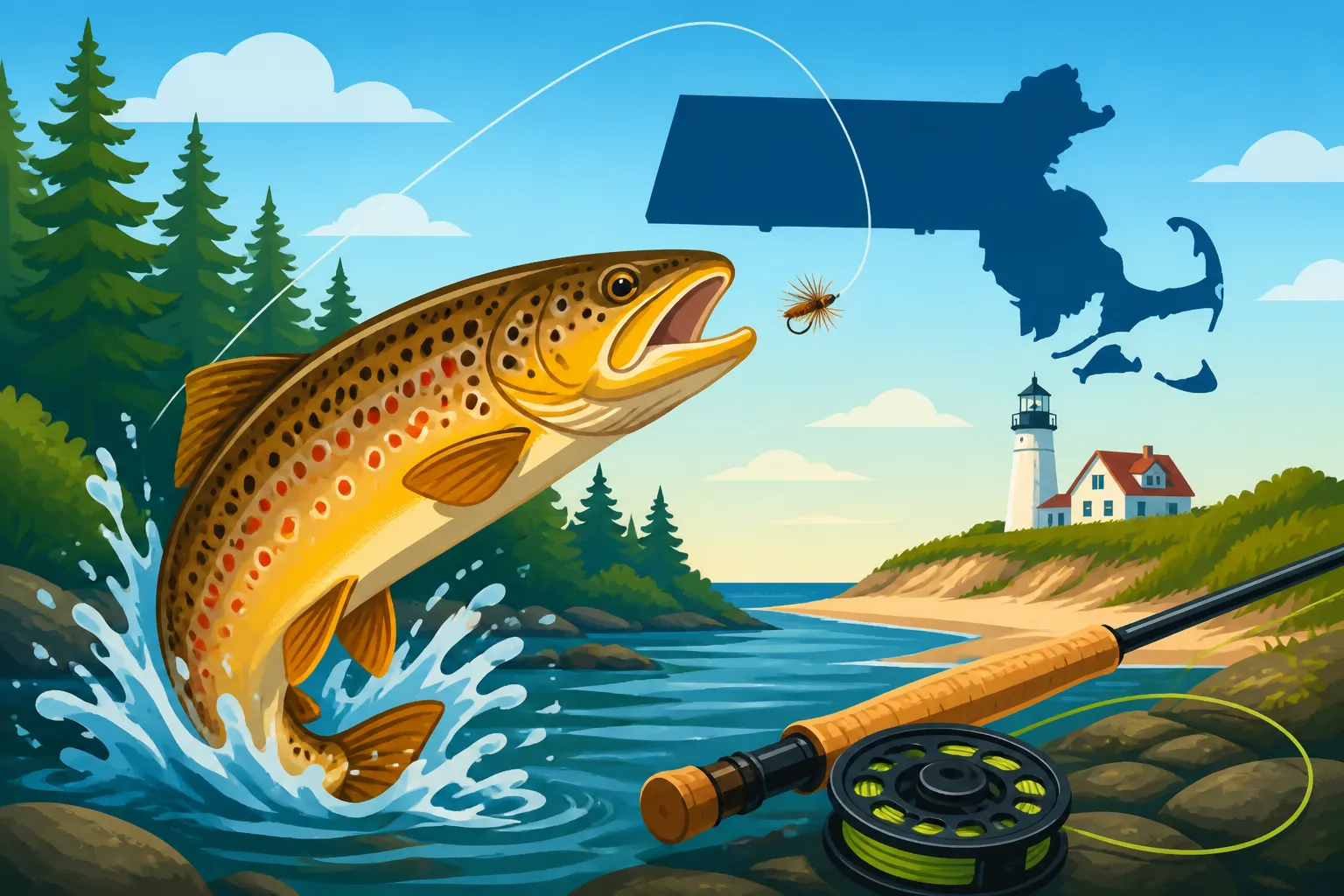
Brown trout are not native to Massachusetts. They were introduced from Europe in the late 19th century, primarily to supplement native brook trout populations and provide a hardier sport fish that could withstand slightly warmer water temperatures. This introduction proved successful, and browns have since established themselves as a prized species in many of the state's waterways. They are known for their striking appearance, typically bronze or olive-brown on top, fading to cream or yellowish on their sides, adorned with dark spots ringed with lighter halos, and often some red or orange spots along their lateral line. It's this combination of beauty, intelligence, and a challenging fight that makes brown trout such a popular target, despite their non-native status.
While they may not be as aggressive as a freshly stocked rainbow, a large brown trout will put up a formidable fight, testing your gear and your angling prowess. They are a classic cold-water fish, preferring temperatures generally below 68°F (20°C), which dictates where and when you'll find them most active throughout the year. Understanding their history and general characteristics is the first step in appreciating what makes them such a captivating species to pursue in Massachusetts.
Where Brown Trout Thrive in Massachusetts
Brown trout, while adaptable, have distinct preferences that dictate their prime habitats. In Massachusetts, you'll typically find them thriving in well-oxygenated, cool to cold waters. This includes many of the state's larger, cooler rivers and streams, especially those with good cover like undercut banks, fallen trees, and rocky bottoms, which provide both shelter from predators and ambush points for prey. They also do well in deeper, cooler lakes and ponds, particularly those with a significant depth and cold-water springs that maintain suitable temperatures even during warmer months.
Massachusetts' extensive stocking program plays a crucial role in maintaining healthy brown trout populations. MassWildlife regularly stocks brown trout in numerous rivers, streams, lakes, and ponds across the state, ensuring that there are opportunities for anglers to encounter these fish. Many of these stocked fish grow to impressive sizes, especially in waters with an abundant food supply and favorable conditions. For information on stocking efforts, checking the Massachusetts Trout Stocking Schedule can give you a head start on where to find recently introduced fish.
Identifying Massachusetts Brown Trout
Proper identification is key, not just for bragging rights, but also for adhering to local regulations, as brown trout often have different size and bag limits than other species. While their coloring can vary depending on their diet and habitat, there are a few consistent features to look for. As mentioned, their base color is usually a brownish-gold to olive, with scattered dark spots that often have light, "halo" rings around them. You might also notice a few reddish or orange spots along their sides, especially on fish caught in stream environments.
To truly appreciate the nuances, it helps to know the subtle differences between brown trout and their native counterparts. For instance, knowing the Difference between brook trout and brown trout can prevent confusion, as brook trout typically have vermiculation patterns on their backs and brighter, worm-like markings, along with white leading edges on their fins. When you pull a brown trout from the water, take a moment to admire its distinctive markings. The spots usually extend onto the dorsal fin, and the tail fin is typically squared off or only slightly forked, unlike the deeply forked tail often seen on larger lake trout. These details become second nature after you've landed a few, but they’re good to keep in mind, especially if you're targeting multiple trout species in the same waters.
Prime Locations for Brown Trout in the Bay State
Massachusetts offers a diverse range of waterways where brown trout can be found, from bustling rivers to serene, deep ponds. Knowing where to go is half the battle when targeting these wily fish. The key is often finding waters that provide the specific cold, oxygenated conditions that browns prefer, along with ample cover and food sources.
Key Rivers and Streams for Brown Trout
Massachusetts boasts several rivers and streams that are renowned for their brown trout fishing. These waters often have a mix of natural reproduction and regular stocking, creating robust populations. The Deerfield River in Western Massachusetts, for example, is a true gem, celebrated for its challenging currents and healthy trout. Here, you'll find stretches that demand precise fly-casting and others where spinning gear can be highly effective. The Swift River, especially below the Quabbin Reservoir, is another prime location, known for its consistent cold water and year-round fishing opportunities, often yielding some truly impressive brown trout.
Further east, the Westfield River system also offers excellent brown trout potential, with various branches providing different angling experiences. These rivers are not just about the fish; they offer incredible scenic beauty, making the pursuit all the more enjoyable. When planning a trip to these river systems, remember to always check local regulations, as some sections may have special catch-and-release rules or specific gear restrictions. Having the right approach to Fly Fishing for Trout in Massachusetts Rivers will certainly increase your chances in these often technical waters.
Massachusetts Lakes and Ponds Stocked with Browns
Beyond the rivers, many of Massachusetts' lakes and ponds are regularly stocked with brown trout, providing fantastic opportunities, especially for those who prefer stillwater fishing. These larger bodies of water can hold some truly enormous browns, as they have ample space to grow and often a richer forage base. Wachusett Reservoir, a massive body of water, is known to hold significant numbers of large brown trout, though it comes with specific access rules. Quabbin Reservoir is another prime example, with its deep, cold waters providing an ideal habitat for trophy browns. Remember that access and specific rules for places like Quabbin are often unique, so always check before you go, including for Quabbin Reservoir Fishing Permits and Rules in Massachusetts.
Other notable spots include places like Long Pond, and some of the larger state-managed ponds that receive regular stocking. These ponds often offer easier access for shore anglers and kayak fishermen, making them excellent choices for a more relaxed outing. The strategy for fishing lakes and ponds often differs from river fishing; targeting deeper water, submerged structures, or areas near cold-water inlets can be highly productive. Consider investing in a good fish finder if you plan to explore these larger bodies of water from a boat, as it can help locate those crucial temperature breaks and bottom structures where brown trout lurk.
Navigating Access Points and Regulations for Brown Trout Spots
One of the most common frustrations for anglers, especially those new to a specific area, is figuring out where you can legally access the water and what rules you need to follow. Massachusetts has a mix of public and private land, and respecting property rights is paramount. State forests, wildlife management areas, and designated public access points are your best bet. Websites like MassWildlife's provide detailed maps and access information for many popular fishing locations.
Beyond access, understanding the nuances of Massachusetts fishing regulations is critical. Brown trout are often subject to specific size, creel (bag), and season limits, which can vary by water body. Always carry your current Massachusetts Fishing License Guide and a copy of the most recent fishing regulations pamphlet. These can often be downloaded online or picked up at bait and tackle shops. For example, some stretches of trout water might be designated as "catch and release only" or have specific tackle restrictions. Ignoring these rules can lead to hefty fines, so taking a few minutes to review the Massachusetts Recreational Fishing Rules and Bag Limits is always a good idea before wetting a line. Local bait and tackle shops are also an invaluable resource for up-to-the-minute information on hot spots, recent stocking, and any temporary regulations.
Essential Gear and Tackle for Massachusetts Brown Trout
Having the right equipment can make all the difference when pursuing brown trout. These fish are known for their finicky nature and powerful runs, so your gear needs to be up to the task. You don't necessarily need the most expensive equipment, but investing in quality components that match your fishing style and the waters you'll be targeting will significantly improve your chances of success.
Rod, Reel, and Line Selection
For most brown trout fishing in Massachusetts, a light to medium-light spinning rod, typically 6 to 7 feet in length, with a fast action, is a versatile choice. This setup provides enough backbone to fight a decent-sized trout while still being sensitive enough to detect subtle bites. Pair this with a reliable spinning reel in the 1000 to 2500 size range, spooled with 4 to 8-pound test monofilament or fluorocarbon line. Fluorocarbon is often preferred for its low visibility in clear water and its abrasion resistance, which is crucial when fishing around rocky structures or submerged logs. If you're going for larger browns in bigger lakes, you might bump up to a medium-action rod and slightly heavier line.
Fly anglers will typically opt for a 4 to 6-weight fly rod, 8.5 to 9 feet long, paired with a matching weight-forward floating line. A good quality fly reel with a smooth drag is important, especially when a big brown decides to make a dash for it. For both spinning and fly setups, a good quality leader and tippet material are essential to maintain stealth and ensure a solid connection to your lure or fly. Many anglers swear by longer leaders, sometimes 7 to 9 feet, to keep their main line farther from the fish's watchful eyes. You can find a wide selection of quality rods, reels, and lines on platforms like Amazon, making it easy to assemble a versatile setup.
Best Baits and Lures for Brown Trout
Brown trout have a varied diet, feeding on everything from insects to smaller fish, which means a diverse tackle box is a huge advantage. For baits, live worms (nightcrawlers, garden worms), mealworms, and shiners are consistently effective. PowerBait, especially in popular trout colors like rainbow, chartreuse, or even garlic-scented varieties, can also be highly productive, particularly in stocked waters. Using a small hook (size 8-12) and a minimal weight rig to allow for a natural drift is often key.
When it comes to lures, small spinners (like Mepps Aglias or Panther Martins in sizes 0-2), spoons (such as Kastmasters or Little Cleos in silver or gold), and small crankbaits or jerkbaits are excellent choices. Colors that mimic natural forage, like silver, gold, brown, or olive, are often successful, but don't shy away from brighter colors like fire tiger in stained water. Soft plastic swimbaits rigged on jig heads can also entice strikes from larger, predatory browns. Varying your retrieve speed and depth is crucial; sometimes a slow, deliberate retrieve works best, while other times a quick twitch-and-pause motion can trigger a reaction strike. A tackle box stocked with a good assortment from a retailer like Amazon will cover most situations you'll encounter.
Here's a quick comparison of popular options:
| Bait/Lure Type | Best Conditions | Retrieval/Presentation | Pros | Cons |
|---|---|---|---|---|
| Live Worms | All conditions, especially after rain | Bottom fishing, drift with minimal weight | Natural scent, universally appealing | Can be messy, smaller fish may steal bait |
| PowerBait | Stocked ponds/lakes, stillwater | Scented, molded onto treble hook, floating | Highly effective for stocked fish | Less natural presentation, not for moving water |
| Small Spinners | Moving water, retrieving across currents | Steady retrieve, varied speed | Flash and vibration attract fish, versatile | Line twist can be an issue |
| Small Spoons | Lakes, ponds, casting long distances | Jigging, steady retrieve with pauses | Excellent for casting distance, erratic action | Can get snagged easily on bottom |
| Small Crankbaits | Rivers, around structure, deeper water | Steady retrieve, twitching, bumping bottom | Mimics baitfish, dives to various depths | Can be expensive, may snag on bottom |
| Flies (Nymphs/Streamers) | Rivers/streams, clear water | Dead drift, stripping action, matching hatch | Highly specialized, effective in specific conditions | Requires fly casting skill, less versatile |
Fly Fishing Essentials for Brown Trout Anglers
For many, fly fishing is the quintessential method for pursuing brown trout, especially in the state's picturesque rivers and streams. The challenge of matching the hatch or precisely presenting a streamer is part of the allure. Beyond your rod, reel, and line, a few other essentials will make your fly fishing experience more enjoyable and successful. A good selection of flies is paramount, including dry flies for rising fish, nymphs for subsurface feeding, and streamers to imitate baitfish. Popular brown trout flies include Woolly Buggers, Hare's Ear Nymphs, Pheasant Tail Nymphs, and various caddis and mayfly patterns.
Waders and wading boots are indispensable for navigating river currents and accessing prime fishing spots. A quality vest or pack to carry your fly boxes, tippet, forceps, nippers, and floatant is also essential. A landing net with a rubber mesh is highly recommended for safely landing and releasing fish, minimizing harm to their protective slime coat. Knowing the right patterns and techniques for Best Lures for Stocked Trout in Massachusetts can often cross over to brown trout, but for the discerning brown, specialized flies are often the ticket. Don't forget a pair of polarized sunglasses to cut glare and help you spot fish or structure beneath the surface. Many of these specialized items, from fly tying materials to high-quality waders, are readily available on Amazon.
Effective Techniques for Catching Massachusetts Brown Trout
Brown trout are notoriously cunning, often making them a more challenging target than other trout species. This means a thoughtful approach and adaptable techniques are key to consistent success. It’s not just about what bait you use, but how and where you present it.
Reading the Water: Where to Find Brown Trout
The first step to catching a brown trout is finding one, and that requires knowing how to "read the water." Brown trout are structure-oriented fish, meaning they'll seek out areas that provide cover, current breaks, and access to food. Look for:
- Undercut banks: These provide excellent overhead cover and a hiding spot from predators.
- Fallen trees and logs (snags): These create current breaks and ambush points for baitfish and insects.
- Large rocks and boulders: Similar to logs, these disrupt the current and offer a place for trout to rest while waiting for food.
- Pools and deeper runs: Especially in rivers, deeper sections offer thermal refuge and a sense of security for larger fish.
- Confluences (where two currents meet): These areas often concentrate food and create distinct current lines where trout can lie in wait.
- Changes in bottom composition: Where gravel meets sand or rock, different insect life thrives, attracting trout.
In lakes and ponds, focus on areas with submerged vegetation, drop-offs, or near the mouths of tributary streams, which often bring in cooler water and food. Observing the water for signs of feeding fish, like rising trout or swirling baitfish, can give you clues about where browns are active. Understanding these hiding spots is crucial, as a precise cast to the right location is often more important than the lure itself.
Presentation and Retrieval Strategies
Once you've identified a promising spot, your presentation needs to be impeccable. Brown trout are incredibly wary, especially in clear water. For spinning gear, a natural, subtle presentation is often best. Cast upstream or across current, allowing your bait or lure to drift naturally into the suspected holding area. Avoid heavy splashes or unnatural movements that might spook the fish. When retrieving, vary your speed and incorporate pauses; a wounded baitfish often struggles and hesitates, which can trigger a predatory strike.
For fly fishing, a "dead drift" with nymphs or dry flies is often the most effective technique in rivers and streams. This involves casting upstream and letting your fly float downstream without any drag from the line, mimicking a natural insect. Mending your line (making small adjustments to keep the line slack and prevent drag) is an essential skill here. When using streamers, stripping the fly in short, erratic bursts can imitate a fleeing baitfish, enticing aggressive strikes. Always try to approach your target spot quietly and from downstream if possible, to avoid silhouetting yourself against the sky or sending vibrations through the bank. Paying attention to Best Time of Day to Catch Stocked Trout in Massachusetts can also help, as browns are often most active during low light conditions or when hatches are strong.
Seasonal Tactics for Consistent Success
Brown trout behavior changes significantly with the seasons, and adapting your tactics accordingly is vital.
- Spring: This is often an excellent time, especially after the Massachusetts Trout Stocking Schedule has begun. Water temperatures are cool, and fish are actively feeding after winter. Focus on rivers and streams, using a mix of bait, spinners, and nymphs. As water warms slightly, dry fly fishing can pick up during insect hatches.
- Summer: As water temperatures rise, brown trout become more sluggish and seek out cooler, deeper water. Focus on the deepest parts of lakes and ponds, or the coldest sections of rivers, often near springs or shaded areas. Early morning and late evening become prime fishing times. Longer leaders and lighter line are often necessary due to clearer water.
- Fall: Many anglers consider fall the best time for brown trout, especially for larger fish. As water cools, browns become incredibly active and aggressive, feeding heavily in preparation for winter and their spawning season. Streamers and larger lures that mimic baitfish can be highly effective. The vibrant fall foliage also makes for an incredibly scenic fishing experience.
- Winter (Ice Fishing): In regions where ice fishing is possible, brown trout can be caught through the ice. They'll typically be found near bottom structure in deeper parts of lakes and ponds. Jigging with small spoons or using tip-ups with live shiners are common and effective methods. Be sure to check Massachusetts Ice Fishing Safety and Ice Thickness before venturing out.
Understanding the Massachusetts Freshwater Fishing Season Calendar will give you a general overview of when different tactics are most effective throughout the year, but always remember that local conditions (like recent rainfall or specific water temperatures) can influence fish behavior day-to-day.
Brown Trout Conservation and Regulations in Massachusetts
As anglers, we have a responsibility to protect the resources we enjoy. Brown trout, while not native, are a valuable part of Massachusetts' freshwater ecosystems and a cherished game fish. Practicing responsible angling techniques and adhering to regulations ensures healthy populations for future generations.
Understanding Massachusetts Brown Trout Limits
Massachusetts has specific regulations for brown trout that are designed to manage populations and ensure sustainable fishing. These regulations typically include:
- Minimum Size Limits: This dictates the smallest length a brown trout must be to be legally kept. Fish under this size must be immediately released.
- Daily Bag Limits (Creel Limits): This specifies the maximum number of brown trout an individual angler can keep in a single day.
- Seasonal Closures: Some waters may have specific seasons when brown trout fishing is closed, often to protect spawning fish or during periods of high water temperature stress.
It’s crucial to refer to the most current MassWildlife freshwater fishing regulations pamphlet, as these rules can change periodically. For instance, specific stretches of rivers or certain ponds might have "Trout Management Areas" or "Catch and Release Only" designations with entirely different rules. Always double-check the regulations for the specific body of water you plan to fish. You can usually find the most up-to-date information on the MassWildlife website or at a local bait and tackle shop. Penalties for violating these limits can range from fines to license suspension, so it's always better to be informed.
Catch and Release Best Practices
Many dedicated brown trout anglers practice catch and release, especially for larger fish, to help sustain robust populations. If you plan to release a brown trout, follow these best practices to maximize its survival chances:
- Minimize Fight Time: Bring the fish in as quickly as possible without over-stressing it. Prolonged fights can exhaust a fish, making it harder for it to recover.
- Use Barbless Hooks: Crushing the barb on your hook (or using specialized barbless hooks, which you can find on Amazon) makes hook removal much easier and less damaging to the fish's mouth.
- Handle with Care: Keep the fish in the water as much as possible. If you must remove it for a photo, do so quickly and support its body horizontally. Avoid touching the gills or squeezing its belly. Wet your hands before touching the fish to protect its delicate slime coat.
- Use a Rubber Net: A knotless, rubberized landing net is much gentler on a fish's fins and slime coat than traditional nylon nets.
- Revive Properly: Hold the fish gently in the current (head upstream) until it regains its strength and can swim away on its own. Do not try to "pump" water through its gills by moving it back and forth; this can actually harm the fish.
By being mindful of these practices, you play a direct role in the conservation of brown trout, ensuring that those impressive fish grow larger and can be caught again another day.
Supporting Brown Trout Populations
Beyond adhering to regulations and practicing catch and release, anglers can contribute to brown trout conservation in other meaningful ways. Participating in local stream clean-ups, volunteering with conservation organizations, or supporting initiatives that improve water quality and habitat are all excellent ways to give back. Purchasing your Massachusetts Freshwater Fishing License Costs and Rules also directly contributes to conservation efforts, as a portion of the fees often funds fish stocking programs, habitat restoration, and environmental research by MassWildlife.
Advocating for responsible land use and protecting riparian zones (the vegetated areas along riverbanks) helps maintain healthy water temperatures and prevents erosion, which is crucial for trout habitat. Being an ethical angler also means educating others, sharing knowledge about best practices, and leading by example. The health of our brown trout fisheries depends on the collective effort of all who enjoy them.
Disclaimer
This article is for general informational purposes only and does not constitute professional advice. Laws, prices and regulations vary by location and change over time. Consult a qualified professional for guidance on your specific situation.