River Herring Runs in Massachusetts
It's a frustrating reality for many anglers and nature lovers in Massachusetts: some of our most vital local fish populations, like the river herring, have faced serious declines. This guide aims to shed light on these incredible, often overlooked fish and their essential "runs"—those incredible migrations that are a cornerstone of our coastal and freshwater ecosystems—and explain why their protection is so crucial for the health of all our waterways and the creatures that depend on them.
Understanding River Herring: An Essential Species
When we talk about the incredible biodiversity of Massachusetts, it’s easy to focus on the big names: the striped bass battling in the surf, the elusive trout in mountain streams, or even the majestic whales offshore. But often, the unsung heroes of our aquatic world are smaller, quieter, and arguably more vital. River herring fall squarely into that category, playing a foundational role in the intricate web of life that defines our unique New England environment.
What Exactly Are River Herring?
River herring isn't a single species; it's a common term that encompasses two distinct, but closely related, species found right here in Massachusetts: Alewives (Alosa pseudoharengus) and Blueback Herring (Alosa aestivalis). While they share a similar lifestyle and often migrate together, there are subtle differences.
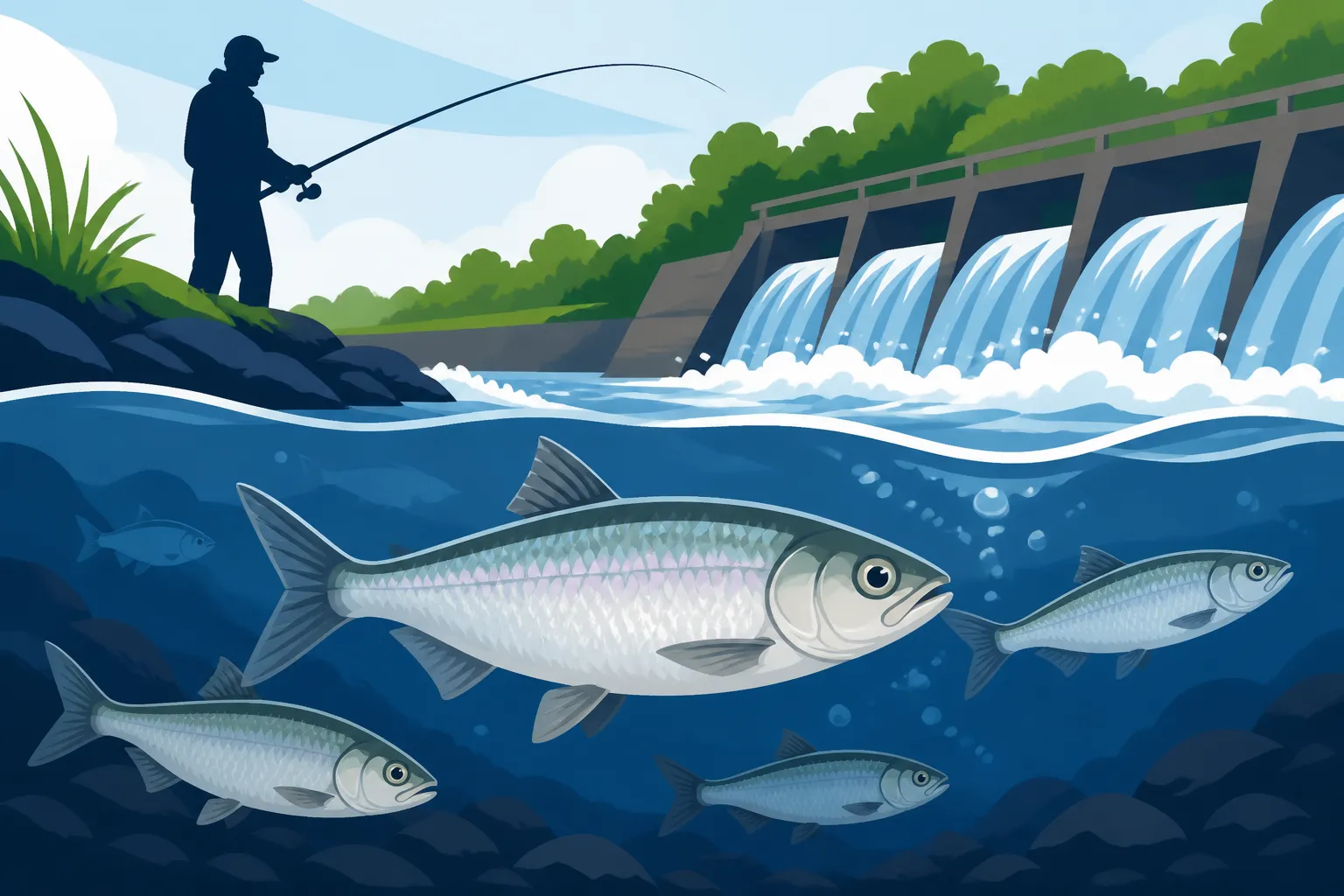
Alewives tend to be a bit more robust in body shape, often described as deeper-bodied, with a slightly larger eye and sometimes a faint dark spot behind their gill plate. Blueback herring, on the other hand, are typically a bit more slender, with a smaller eye, and generally lack that distinct dark spot. Both species sport a beautiful silvery sheen, blending seamlessly into the water, and grow to about 10-15 inches in length. They are what we call anadromous fish, which is a fancy way of saying they live most of their adult lives in saltwater, growing and feeding in the vast expanse of the ocean, but then make an incredible migration into freshwater rivers and ponds to spawn. It's a journey fueled by instinct, a primal urge to return to the waters of their birth to perpetuate their species. Understanding "what an anadromous fish is and which ones live in Massachusetts" truly helps put their journey into perspective.
The Critical Role of River Herring in the Ecosystem
You might wonder why these relatively small, unassuming fish are so important. Well, imagine the ocean and freshwater food webs as massive, interconnected puzzles. River herring are absolutely critical pieces. They are often referred to as a keystone species because their presence, or absence, dramatically affects many other species in the ecosystem.
Think about it: when millions of these silvery fish move into our freshwater systems in the spring, they bring a massive influx of marine-derived nutrients, essentially fertilizing the freshwater environment. More importantly, they are a primary food source, a veritable buffet, for an astonishing array of predators. Out in the ocean, they're food for larger fish like cod, tuna, and especially the beloved striped bass. In fact, many a successful striper angler will tell you that finding the baitfish—often herring—is key to finding the game fish. If you're serious about Striped Bass Fishing in Massachusetts, you'll quickly learn the importance of herring.
But their impact doesn't stop at the water's edge. Ospreys, with their keen eyesight, snatch herring from the water. Bald eagles, a magnificent conservation success story in our state, also rely heavily on these easy-to-catch fish during the spring runs. Even terrestrial predators like otters, foxes, and occasionally black bears (especially in more rural areas) will gather at the riverbanks to feast on the migrating bounty. The very nutrient cycling between our estuaries, rivers, and ponds is profoundly influenced by their movements. The decline of river herring has a ripple effect, impacting everything from the health of our coastal fishing industries to the survival rates of our magnificent raptors. It's a stark reminder that in nature, everything is connected.
The Phenomenon of River Herring Runs in Massachusetts
There’s nothing quite like standing by a Massachusetts river in the spring and witnessing a river herring run. It’s a spectacle of nature, a teeming, vibrant display of life that has been occurring for millennia. For those who know what to look for, it's a sure sign that spring has truly arrived and that the natural world is once again stirring with purpose.
When and Where These Migrations Occur
The timing of the river herring runs is largely dictated by the sun and the warming waters of spring. Typically, these migrations begin in late March and can continue through May, with peak activity often observed in April. The exact start time varies each year based on factors like water temperature and recent rainfall. As the freshwater temperatures in the spawning grounds rise above a certain threshold (usually in the low 50s Fahrenheit), the internal clock of the herring triggers their journey upstream.
Massachusetts is blessed with numerous rivers and streams that historically, and in many cases still do, support these incredible runs. The Cape Cod region, in particular, is famous for its herring runs. Places like the Nemasket River, which flows into the Assawompset Pond Complex, host one of the largest runs in North America. Town Brook in Plymouth, a short and historic waterway, sees thousands of alewives pushing upstream. The Indian Head River in Hanover and Pembroke, and the Herring River in Harwich on the outer Cape, are other vital arteries for these migrations. Even waterways that flow into larger bodies like the Cape Cod Canal Fishing Guide for Massachusetts Anglers area can have significant runs that feed into a massive ecosystem. Each of these locations offers a unique glimpse into this ancient ritual, and with observation decks and fish ladders, they've become focal points for nature enthusiasts.
The Journey: From Ocean to Spawning Grounds
The journey itself is nothing short of heroic. After spending 3-5 years growing to maturity in the Atlantic Ocean, the adult river herring gather offshore, instinctively drawn back to the very rivers and ponds where they were born. As they enter the estuaries and then the freshwater rivers, they face a myriad of challenges. Their anadromous nature means they are constantly transitioning between radically different salinity levels, a physiological feat in itself.
The most significant obstacles, historically and currently, are dams and other man-made barriers. For centuries, these structures blocked access to vital spawning habitats, contributing significantly to the decline of herring populations. This is where fish ladders, also known as fishways, come into play. These ingenious structures, often a series of pools and small falls, allow herring to bypass dams and continue their upstream migration. Witnessing herring jump and swim up these ladders is truly a testament to their perseverance.
Once they navigate the main river, they seek out calmer, shallower waters—often the upstream ponds, lakes, or slow-moving river sections—to spawn. The females release tens of thousands of eggs, which are then fertilized by the males. After spawning, the exhausted adult herring begin their downstream journey, heading back to the ocean to feed and recover, with some surviving to spawn in subsequent years. A few weeks later, the juvenile herring, no bigger than your pinky finger, emerge from the eggs and begin their own perilous downstream migration to the ocean, where they will spend the next several years before embarking on their own spawning odyssey. This whole cycle is an integral part of Massachusetts Fishing Seasons Explained.
Regulations and Conservation Efforts: Protecting a Vital Resource
It's impossible to talk about river herring in Massachusetts without addressing the critical conservation efforts that have been put in place. These fish have faced immense pressure over the centuries, and without strong protections, the incredible spectacle of their annual runs would simply cease to exist.
Why River Herring Runs Are Protected in Massachusetts
The story of river herring in Massachusetts is, unfortunately, one of boom and bust. Historically, these fish were incredibly abundant, so much so that early settlers relied on them as a vital food source and fertilizer for crops. However, this abundance led to overfishing, and more significantly, the widespread construction of dams for mills and hydropower literally blocked millions of herring from reaching their spawning grounds. Habitat degradation, pollution, and coastal development further exacerbated the problem.
By the early 2000s, river herring populations across the state had plummeted to dangerously low levels. This prompted Massachusetts, along with other New England states, to enact a statewide moratorium on the harvest of river herring. This moratorium, which has been in place for years, makes it illegal to catch, possess, or sell alewives or blueback herring in Massachusetts waters. The Massachusetts Division of Marine Fisheries (DMF) and MassWildlife continuously monitor the populations, assess the health of the runs, and manage restoration efforts. This protection isn't just for the herring themselves; it's a recognition of their foundational role. A healthy river herring population is a strong indicator of a healthy ecosystem, and it directly supports the forage base for commercially and recreationally important species like Massachusetts Striped Bass Size and Bag Limit. The fees from fishing licenses also help fund these vital conservation programs, underscoring "how Massachusetts fishing license fees fund conservation programs."
Rules and Restrictions for Anglers and Observers
For anyone recreating near a river herring run in Massachusetts, it is absolutely essential to understand and respect the regulations. The primary rule is simple: no harvesting of river herring. This means you cannot fish for them, net them, or collect them for any purpose, including as bait. This regulation applies equally to all individuals, regardless of whether you have a Massachusetts Fishing License Requirements by Age or are visiting on a Massachusetts Fishing License for Nonresidents. The reasoning is clear: these populations need every chance to rebuild and thrive without any additional pressure from human harvest. Violating these regulations can lead to serious consequences, including significant fines and penalties. While perhaps not directly related to herring, general knowledge of "Penalties for Fishing Without a License in Massachusetts" should give you an idea of the seriousness the state takes its fishing regulations.
For observers, the rules are less about prohibition and more about responsibility. When visiting a herring run, whether it's at a dedicated fish ladder or a natural bottleneck in a river, always:
- Keep your distance: Do not interfere with the fish or block their passage.
- Hands off: Never attempt to touch, pick up, or "help" a herring. Human oils and disturbance can be harmful.
- Stay on marked paths: Protect sensitive riparian habitats by sticking to designated viewing areas.
- Leash your pets: Dogs can inadvertently stress or harm migrating fish.
Respecting these simple guidelines ensures that these incredible migrations can continue undisturbed, allowing both the herring and the ecosystem to flourish. It’s about being a good steward of our natural world, recognizing that we are visitors in their home.
Observing River Herring: A Community Experience
Witnessing a river herring run is one of those quintessential Massachusetts spring experiences. It's a fantastic, family-friendly activity that connects you directly to the pulse of nature. The sheer number of fish, the struggle against the current, and the hope of new life make it an inspiring event.
Best Spots and Times for Public Viewing
Massachusetts offers several fantastic locations where the public can safely and respectfully observe river herring runs. These spots often feature fish ladders, viewing platforms, and interpretive signage, making the experience both accessible and educational.
On Cape Cod, the Bournedale herring run at the head of the Cape Cod Canal is a famous spot. Here, you can watch thousands of alewives navigate a series of pools and jumps to bypass a dam. It’s easily accessible and a truly impressive sight. Further south, Town Brook in Plymouth offers a unique urban herring run experience. Starting near Jenney Grist Mill, you can follow the brook downstream to the sea, watching the fish make their way up this historic waterway. The efforts to restore this run and remove dams have been a huge success story. Other notable locations include runs on the Nemasket River (especially near Middleborough), the Indian Head River (Hanover/Pembroke), and various smaller runs on Martha's Vineyard and Nantucket. Many of these rivers are listed as some of the "Best Fishing Spots in Massachusetts" due to the overall ecosystem health they support.
For the best viewing experience, plan your visit during the peak of the run, typically mid-April through early May. Look for sunny days, as the fish are often more active and visible. The hours between late morning and late afternoon tend to be the busiest, as the fish are actively migrating. After a heavy rain can also be a good time, as increased water flow often encourages more fish to move upstream. You’ll be looking for flashes of silver in the water, dark masses moving upstream, and the distinct sight of fish leaping in the fish ladders. Sometimes, you'll even spot an osprey or an eagle perched nearby, waiting for an easy meal.
How to Be a Responsible Observer
Being a responsible observer means immersing yourself in the experience without disturbing the natural process. It's about taking memories and leaving no trace. Here are a few key ways to ensure your presence is a positive one:
- Maintain distance: Use binoculars or a telephoto lens if you want a closer look. You can find excellent, durable pairs on Amazon that will serve you well for all your wildlife viewing. Avoid getting too close to the water's edge, as your shadow or presence could spook the fish.
- Silence is golden: Keep noise levels down. Sudden loud noises can startle wildlife.
- No feeding: Never feed any wildlife, especially fish. It can disrupt their natural behaviors and health.
- Pack it in, pack it out: Carry out everything you carry in, including all trash and waste.
- Share your knowledge: If you see someone inadvertently disturbing the fish, gently educate them on responsible viewing practices. It's a communal effort to protect these runs.
By following these simple guidelines, you can enjoy the magic of the river herring runs while contributing to their ongoing conservation. It’s a privilege to witness such a fundamental part of our natural heritage.
The Future of River Herring: Ongoing Challenges and Hope
While significant strides have been made in protecting and restoring river herring populations in Massachusetts, the journey is far from over. These resilient fish still face considerable challenges, but dedicated conservation efforts and community involvement offer a strong beacon of hope for their future.
Threats to River Herring Populations
Even with protective moratoriums and increased awareness, river herring populations are not out of the woods. Several persistent threats continue to impact their numbers and the health of their runs:
- Habitat Loss and Fragmentation: Dams, even those with fish ladders, still represent a degree of fragmentation, blocking access to historical spawning grounds. Urban and suburban development along river corridors can lead to shoreline alteration, reduced water quality, and increased runoff, all of which degrade critical habitat.
- Water Quality Issues: Pollution from various sources—agricultural runoff, industrial discharges, and urban stormwater—can introduce toxins and excess nutrients into rivers and estuaries, making them less hospitable for spawning herring and their delicate fry. Climate change also plays a role, with altered precipitation patterns impacting water levels and temperatures, and rising ocean temperatures affecting their marine feeding grounds.
- Bycatch in Other Fisheries: Although direct harvest of river herring is prohibited in Massachusetts, these fish can still be caught as "bycatch" in other commercial fisheries, particularly those targeting mackerel or other schooling fish offshore. While efforts are made to minimize bycatch, it remains a concern for overall population health.
These challenges highlight the complex, interconnected nature of conservation. It's not just about protecting the fish themselves, but also the entire ecosystem they inhabit, from the vast ocean to the smallest freshwater stream.
Community Involvement and Restoration Projects
Despite the challenges, there is immense hope, largely driven by incredible community involvement and strategic restoration projects across Massachusetts. These efforts demonstrate that when people come together, real change is possible.
One of the most impactful strategies has been dam removal. While fish ladders help, removing obsolete dams completely opens up miles of pristine spawning habitat, allowing herring free passage for the first time in centuries. The Ipswich River, for example, has seen significant dam removal projects, vastly improving migratory fish access. Other efforts include improving existing fish ladders, installing new ones, and restoring natural river channels to enhance flow and habitat quality.
Volunteer monitoring programs are also crucial. Local conservation groups and dedicated individuals regularly count migrating herring, providing essential data to MassWildlife and DMF. This data helps assess the effectiveness of conservation measures and identifies areas needing more attention. Supporting these local groups, even if it's just by observing responsibly or picking up litter on your next visit to a herring run, makes a difference. You can find good quality waterproof gear, like durable waders for shoreline cleanups or robust work gloves, readily available on Amazon to assist with such efforts. These community-led initiatives are vital for building a sustainable future for river herring, ensuring that the spectacle of their spring runs continues to inspire generations to come.
Disclaimer
This article is for general informational purposes only and does not constitute professional advice. Laws, prices and regulations vary by location and change over time. Consult a qualified professional for guidance on your specific situation.