Daily bluefish limit in Massachusetts
It can be incredibly frustrating to head out for a day of fishing, excited to chase after those hard-fighting bluefish, only to second-guess yourself about the regulations. Nobody wants to accidentally break the rules, especially when it comes to something as simple as how many fish you can keep. This comprehensive guide is here to demystify the daily bluefish limit in Massachusetts, ensuring you can enjoy your time on the water with confidence and clarity.
Understanding the Massachusetts Bluefish Limit for Recreational Anglers
When you're out on the water, the last thing you want to be doing is furiously searching your phone for regulations. Massachusetts has specific rules for recreational anglers targeting bluefish, and understanding them is key to a smooth, enjoyable, and legal fishing trip. These limits are put in place not to make your life harder, but to help manage the fishery and ensure that future generations can enjoy the same incredible bluefish action we do today.
The Current Recreational Daily Limit
Massachusetts, like many states dedicated to sustainable fisheries, maintains a clearly defined recreational daily bag limit for bluefish. This limit dictates how many bluefish an individual angler can possess and harvest in a single calendar day. While the exact numbers can sometimes shift due to scientific assessments and management decisions, the principle remains constant: there's a specific quantity you're allowed to keep. It's crucial to always check the most current Massachusetts Marine Fisheries regulations pamphlet or their official website before heading out. These details are often updated annually, and what was true last year might have changed. You can often find a current digital version to keep on your phone, or pick up a physical copy at bait and tackle shops.
Imagine you're out on a beautiful summer morning, the tide is right, and the bluefish are hitting everything you throw at them. You've landed a few nice choppers, and the cooler is starting to look good. Knowing the daily limit means you can decide when to switch to catch-and-release, or even move on to another species, without any nagging doubt. This helps prevent accidental over-harvesting and ensures everyone gets a fair shot at these magnificent fish.
How the Limit is Applied to Individuals
The daily bluefish limit in Massachusetts is typically applied on a "per person" basis. This means each individual angler on board a boat or fishing from shore is allowed to keep their own limit. It's not a "boat limit" where the total catch is divided among everyone. However, there are nuances, especially when it comes to possession limits versus daily bag limits. For most recreational bluefish trips, the daily bag limit is also your possession limit for that day's trip. This means you can't accumulate multiple days' worth of limits without proper documentation or freezing for storage.
Think of a scenario where you're fishing with three friends on a private boat off the coast of Cape Ann. If the daily limit is, for example, X bluefish per person, then each of you can keep X bluefish, totaling 4X for the entire boat. This makes planning your trip and managing your catch much easier. But it also emphasizes the individual responsibility each angler has. It’s not your buddy's fault if you accidentally go over your own limit. Everyone needs to be aware and accountable. This individual accountability is a cornerstone of responsible fishing practices and supports the overall health of the fishery.
Distinguishing Bluefish from Similar Species
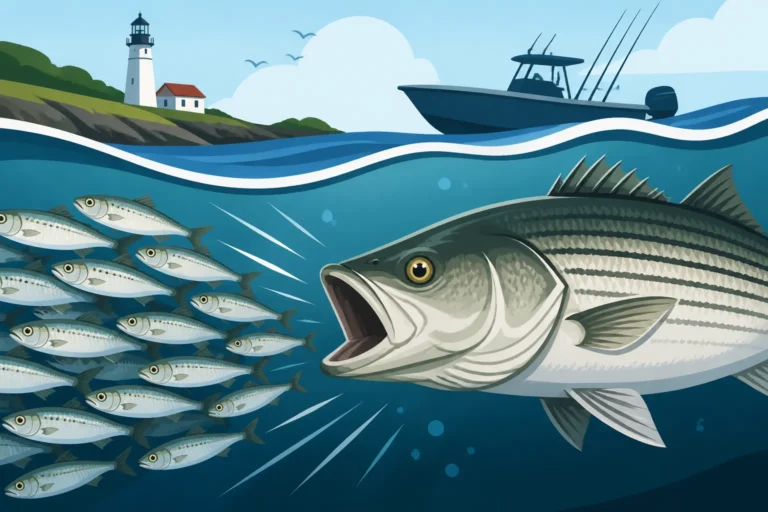
Bluefish are pretty distinctive with their razor-sharp teeth and aggressive nature, but sometimes in the heat of the moment, or for less experienced anglers, it can be easy to confuse them with other species, especially juveniles or when they're mixed in with other catches. The most common mix-up might be with striped bass, particularly smaller ones, due to their similar body shape and tendency to feed in the same areas. However, bluefish have a distinct greenish-blue back fading to silver, a deeply forked tail, and that unmistakable toothy grin. Striped bass, on the other hand, have seven or eight prominent horizontal stripes along their sides and two separate dorsal fins.
When you're reeling in fish quickly, especially during a hot bite, it’s vital to be able to identify your catch instantly. Mistaking a juvenile striped bass (which often has a different slot limit and season) for a bluefish could lead to unintentional violations. Take a moment to examine each fish, noting its coloration, fin structure, and mouth. Carrying a small fish identification guide, perhaps one you picked up from a local tackle shop or found on Amazon, can be incredibly helpful for quick checks, especially for beginners. Knowing your target species inside and out is not just about following the rules; it's about becoming a more skilled and respectful angler. For a deeper dive, check out our guide on Difference Between Bluefish and Striped Bass.
Why Bluefish Limits Exist: Conservation and Sustainability
It might feel restrictive at times, having limits on your catch, but these regulations are truly born out of a deep concern for the long-term health of our marine ecosystems and the continuation of strong fish populations. The idea isn't to prevent you from enjoying fishing; it's to ensure there's plenty of fish for everyone, for many years to come.
Protecting Bluefish Stocks for Future Generations
Bluefish are an incredibly important pelagic species, serving as both a popular sport fish and a vital part of the food web. Their aggressive feeding habits and migratory patterns make them highly susceptible to fishing pressure. Without limits, there's a very real risk of overfishing, which could deplete their populations to a point where they struggle to recover. The daily limits, along with size restrictions (if any are in place for bluefish), act as safeguards, allowing enough fish to survive and reproduce, maintaining healthy spawning stock biomass.
Consider the boom and bust cycles some fisheries have experienced historically. When unregulated, it was easy for anglers, both recreational and commercial, to take too many fish, leading to dramatic declines. By setting limits, marine fisheries managers are essentially giving bluefish a chance to thrive. This proactive approach ensures that the thrill of catching a bluefish isn't just a memory for seasoned anglers but a living experience for future generations, including your kids and grandkids. It’s a way of paying it forward to the ocean.
The Role of Federal and State Regulations
Bluefish are migratory, traveling along the Atlantic coast, which means their management isn't just a state issue; it's a regional one. Both federal and state agencies, primarily the Atlantic States Marine Fisheries Commission (ASMFC) and NOAA Fisheries at the federal level, and the Massachusetts Division of Marine Fisheries (DMF) at the state level, work in tandem to develop and enforce these regulations. This collaborative effort ensures consistency across state lines while allowing individual states to implement rules that best suit their local fisheries and enforcement capabilities.
The process often involves scientific stock assessments, public input, and management plan reviews. These bodies analyze data on bluefish population sizes, reproductive rates, and fishing mortality to determine what limits are necessary. For instance, the ASMFC might set a coastwide recreational harvest target, and then Massachusetts, under the guidance of its DMF, will set its specific daily limit and other rules, like the Massachusetts Saltwater Recreational Fishing Permit Explained, to meet those targets. This multi-layered approach is complex but necessary to manage a species that doesn't respect imaginary lines on a map.
Impact of Fishing Pressure on Bluefish Populations
Bluefish are known for their voracious appetites and often travel in large schools, creating incredible blitzes where they chop baitfish at the surface. This behavior, while exciting for anglers, also makes them highly vulnerable to concentrated fishing efforts. When many boats or anglers target these schools, a significant number of fish can be removed quickly. High fishing pressure can disrupt their natural life cycles, reduce the number of breeding adults, and even alter their migratory patterns over time.
The daily limits are a direct response to this fishing pressure. They serve as a mechanism to cap the total recreational harvest, ensuring that even during periods of abundant bluefish and intense angler activity, the overall take remains within sustainable levels. Without these limits, it wouldn't take long for even seemingly limitless schools to dwindle. Every angler who adheres to the Massachusetts Saltwater Bag Limits by Species plays a critical role in mitigating this pressure, allowing bluefish populations to remain robust and resilient.
Practical Tips for Fishing Bluefish in Massachusetts While Respecting Limits
Adhering to bluefish limits isn't just about avoiding a fine; it's about being a responsible angler. Beyond simply knowing the number, there are practical steps you can take on the water to ensure you're doing your part for conservation, especially when you hit that limit and switch to catch-and-release.
Gear Considerations for Catching and Releasing
When you're targeting bluefish, especially if you plan on releasing some, your gear choices can make a huge difference in fish survival rates. Bluefish have incredibly sharp teeth, and they can do a lot of damage to themselves, your line, and even you, if not handled properly. Using the right tackle, such as sturdy rods and reels with smooth drags, minimizes fight time and reduces stress on the fish. Moreover, considering your hooks is paramount.
Many experienced anglers opt for circle hooks when bait fishing for bluefish. These hooks are designed to hook the fish in the corner of the mouth, dramatically reducing gut hooking, which is often fatal for released fish. If you're using lures, consider replacing treble hooks with single, inline hooks, or even crushing the barbs. This makes unhooking much faster and less damaging to the fish. A good pair of long-nose pliers or a de-hooking tool, readily available from retailers like Amazon, is also essential. Trying to remove a deeply set hook with bare hands from a thrashing, toothy bluefish is a recipe for disaster for both you and the fish. Having the right tools on hand allows for quick, safe releases.
Handling Bluefish Responsibly After Catching
Once you've landed a bluefish, whether it's a keeper or destined for release, how you handle it is critical. For fish you intend to keep, dispatch them quickly and humanely. A swift blow to the head or severing the spinal cord behind the head is common practice. For fish you're releasing, minimizing their time out of the water is the golden rule. Avoid dragging them on rocks, sand, or the bottom of your boat. If possible, keep the fish in the water while unhooking it.
If you must bring the fish aboard, support its body horizontally and avoid holding it vertically by the jaw or tail, which can cause internal organ damage. Bluefish are slimy for a reason; their slime coat protects them from infection, so avoid wiping it off or handling them with dry towels. A quick photo is fine, but get them back in the water as soon as possible, allowing them to recover before swimming off. Sometimes, especially with larger fish, it helps to gently hold them in the water, facing into the current, until they regain their strength and swim away under their own power. Knowing How to Catch Bluefish in Massachusetts also means knowing how to release them properly.
Avoiding Over-Harvesting Beyond Your Daily Limit
The daily limit is a hard line, not a suggestion. Once you've reached your individual limit, your responsibility shifts entirely to catch-and-release. This means consciously deciding to stop keeping fish, even if the bite is still hot. It can be tempting to keep just one more "perfect" fish, but that's where discipline comes in. If you're fishing with a group, keep clear track of everyone's catch to avoid mistakenly going over the boat's total if everyone assumes someone else is counting.
One strategy to manage your catch is to decide beforehand how many fish you truly need for a meal or to share. If that number is less than the legal limit, stick to your personal goal. If you're fishing with family and kids, teach them about the limits and the importance of conservation. It’s a valuable lesson in responsible angling. Carrying a measuring tape and being familiar with the Massachusetts Fishing Regulations Pamphlet, Explained ensures you're not only staying within bag limits but also any potential size limits, should they apply to bluefish or other species you might encounter.
Reporting and Compliance: What to Do on the Water
Fishing in Massachusetts isn't just about catching fish; it's also about being a responsible participant in a well-managed recreational fishery. This means knowing your permit status, understanding enforcement, and staying current with any changes.
Carrying Proof of Your Fishing License or Permit
While a specific bluefish permit isn't typically required beyond your general saltwater recreational fishing permit, you absolutely must carry proof of your valid Massachusetts saltwater recreational fishing permit when targeting bluefish in state waters. This isn't just a suggestion; it's a legal requirement. Whether you printed it out from MassFishHunt, have it stored digitally on your phone, or carry a physical card, it needs to be accessible. Environmental Police officers frequently patrol fishing areas, both on land and water, and they have the authority to ask to see your permit.
Failure to produce a valid permit can result in fines and other penalties. Think of it like carrying your driver's license while operating a vehicle. It's a fundamental aspect of legal and responsible participation. For specifics on how to obtain or renew your permit, you might find our guide on How to Buy a Massachusetts Fishing License Online helpful. Being prepared means you can focus on the fishing, not on potential legal headaches.
Enforcement and Penalties for Violations
Massachusetts Environmental Police (MEP) are the primary enforcers of fishing regulations. They take their role seriously because conservation is paramount. Violations of bag limits, size limits, or permit requirements can lead to significant consequences. These can range from monetary fines, which can vary depending on the severity and frequency of the offense, to the confiscation of illegally caught fish and even fishing gear. In some cases, repeated or egregious violations could lead to the suspension or revocation of your fishing privileges.
It's important to remember that these officers are there to protect the resource. If an MEP officer approaches you, be courteous, cooperative, and provide any requested documentation. They are often happy to answer questions about regulations if you're unsure. The best way to avoid any unpleasant encounters is to simply know and follow the rules. Familiarize yourself with articles like Penalties for Fishing Without a License in Massachusetts to understand the broader implications of non-compliance. These aren't just abstract rules; they have real consequences.
Staying Informed About Regulation Changes
Fishery regulations are not static; they can change. Scientific assessments of fish stocks, shifting environmental conditions, and federal management decisions can all lead to updates in daily limits, size restrictions, or season dates. For bluefish, being a migratory species managed across state lines, changes can sometimes occur with relatively short notice, although major shifts are usually preceded by public hearings and comment periods.
The best way to stay informed is to regularly check the official Massachusetts Division of Marine Fisheries (DMF) website. They post current regulations and any emergency closures or changes. You can also sign up for email alerts or follow their social media channels. Local bait and tackle shops are also excellent resources, as their owners and staff are usually very plugged into the latest rules. Before any significant fishing trip, especially at the start of a new season, make it a habit to do a quick check of the current regulations. This small step can save you a lot of trouble and ensures you're always fishing within the bounds of the law, contributing to the health of the fishery.
Summary Table of Massachusetts Bluefish Recreational Regulations (Consult Official Sources for Current Numbers)
| Regulation Category | Detail | Where to Check for Current Info |
|---|---|---|
| Daily Bag Limit | Recreational anglers are subject to a daily bag limit for bluefish. This limit is typically applied per person, per calendar day. The number can fluctuate based on scientific assessments and management goals. | Massachusetts Division of Marine Fisheries (DMF) official website, or the most current Massachusetts Fishing Regulations Pamphlet, Explained. |
| Minimum Size Limit | Bluefish in Massachusetts sometimes have a minimum size limit to protect juvenile fish and ensure they have a chance to reproduce. However, this is subject to change. Always verify if a minimum size is currently in effect. | Massachusetts DMF official website or pamphlet. |
| Season | Bluefish are generally accessible during their migratory presence in Massachusetts waters, which typically spans from late spring through early fall. While there isn't usually a strict "closed season" in the same way as some other species, their presence is seasonal. | Massachusetts DMF official website or pamphlet. You might also find general seasonal guidance in resources like Best Time of Year to Fish in Massachusetts. |
| Required Permit | A valid Massachusetts Saltwater Recreational Fishing Permit is required for all anglers aged 16 and over when fishing for bluefish in saltwater. | Massachusetts DMF official website (MassFishHunt portal). Check our guide on Massachusetts Saltwater Recreational Fishing Permit Explained for more details. |
| Fishing Gear | No specific gear restrictions for bluefish, but using appropriate tackle and circle hooks (for bait fishing) is highly recommended for fish health, especially when releasing. Long-nose pliers or a de-hooker are essential. | General best practices, available at most tackle shops or online retailers like Amazon. |
| Possession Limit | For recreational anglers, the daily bag limit generally serves as the possession limit for the duration of a fishing trip. You cannot accumulate multiple daily limits without specific legal provisions for processing and storage. | Massachusetts DMF official website or pamphlet, often found under the "General Provisions" or "Definitions" section. |
Disclaimer
This article is for general informational purposes only and does not constitute professional advice. Laws, prices and regulations vary by location and change over time. Consult a qualified professional for guidance on your specific situation.